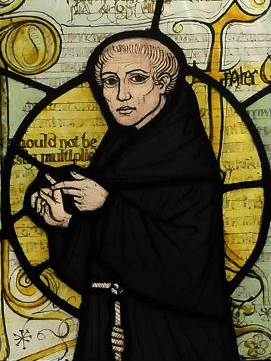
William of Ockham
English Franciscan philosopher and pioneer of nominalism whose methodological principle ('Ockham's Razor') and political treatises on the separation of church and state founded modern thought.
Start typing to search worldwide archives and community tributes
Filterable archive covering centuries of intellectual, artistic, and moral contributions to the human story.
English Franciscan philosopher and pioneer of nominalism whose methodological principle ('Ockham's Razor') and political treatises on the separation of church and state founded modern thought.
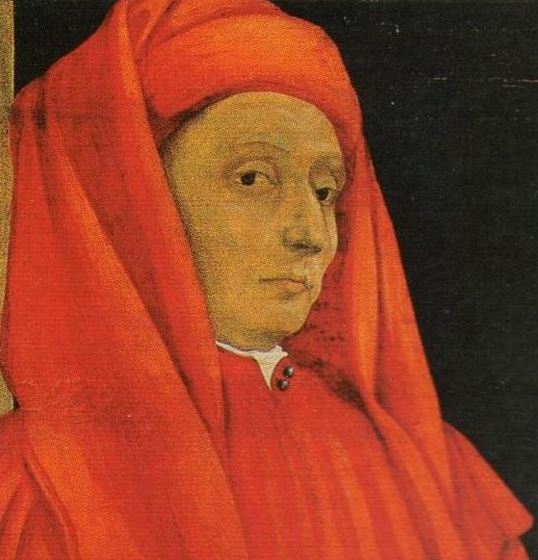
Florentine master painter and architect who broke decisively from flat Byzantine conventions to pioneer lifelike spatial depth, human emotional realism, and natural light in his Scrovegni Chapel frescoes.
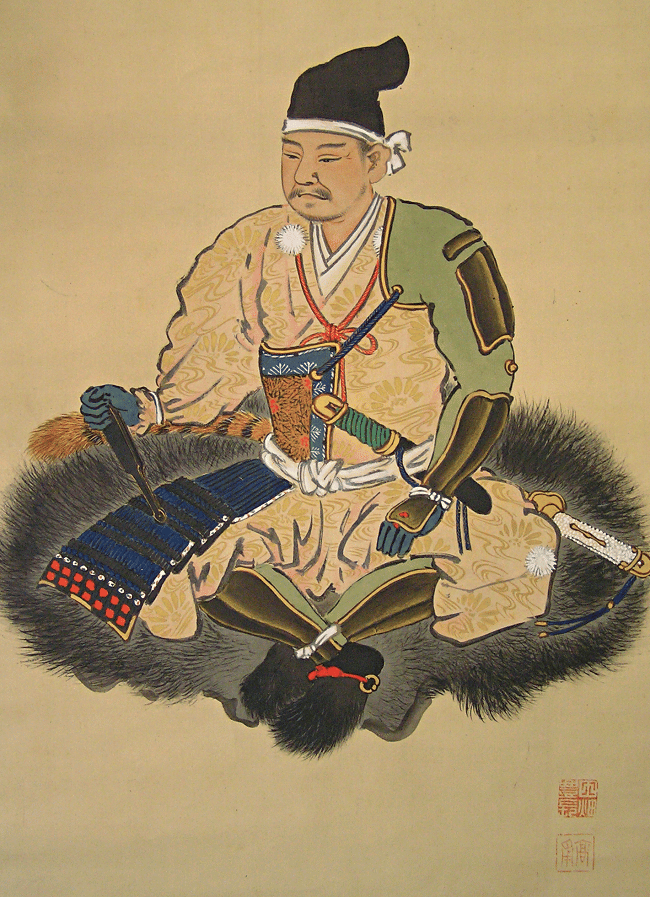
Fourteenth-century samurai general and master of mountain siege defense who defended Emperor Go-Daigo and died heroically at the Battle of Minatogawa.
Egyptian Mamluk polymath, financial administrator, and encyclopedist who authored 'Nihayat al-Arab fi Funun al-Adab', a monumental thirty-three-volume encyclopedia preserving medieval Islamic science, history, and administration.
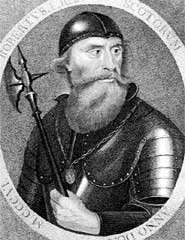
Hero King of Scotland who liberated his nation from English dominion and secured independence at the Battle of Bannockburn in 1314.
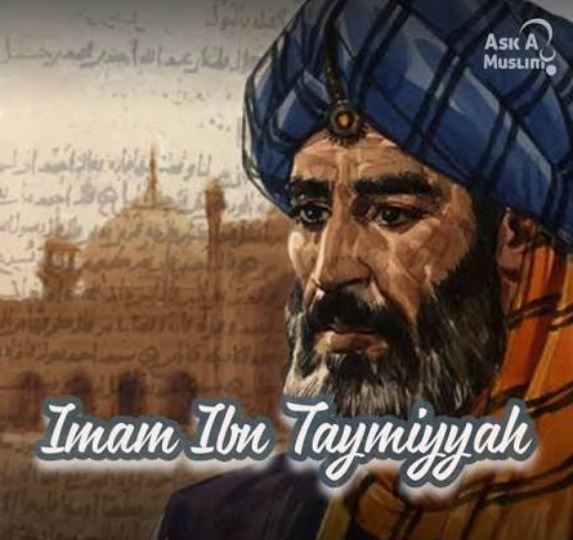
Formidable Hanbali jurist and theologian who led intellectual resistance against Mongol hegemony and theological syncretism. Authored Majmu al-Fatawa, advocating a return to the direct methodology of early Islam (Salaf).
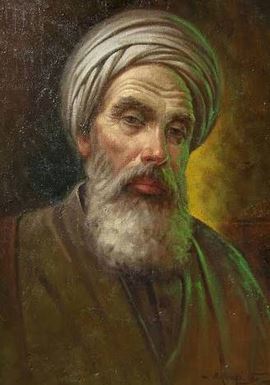
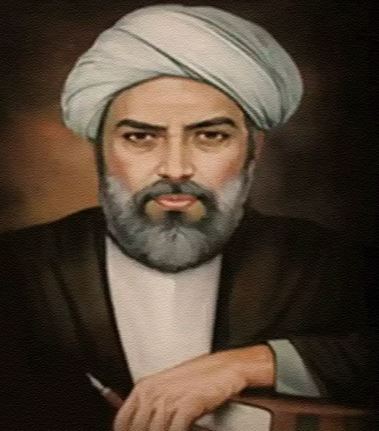
Legendary Iraqi philosopher, mathematician, and jurist who was the first to receive the honorific title 'Allamah' (Most Erudite) and converted Ilkhanid Mongol ruler Oljeitu to Islam.
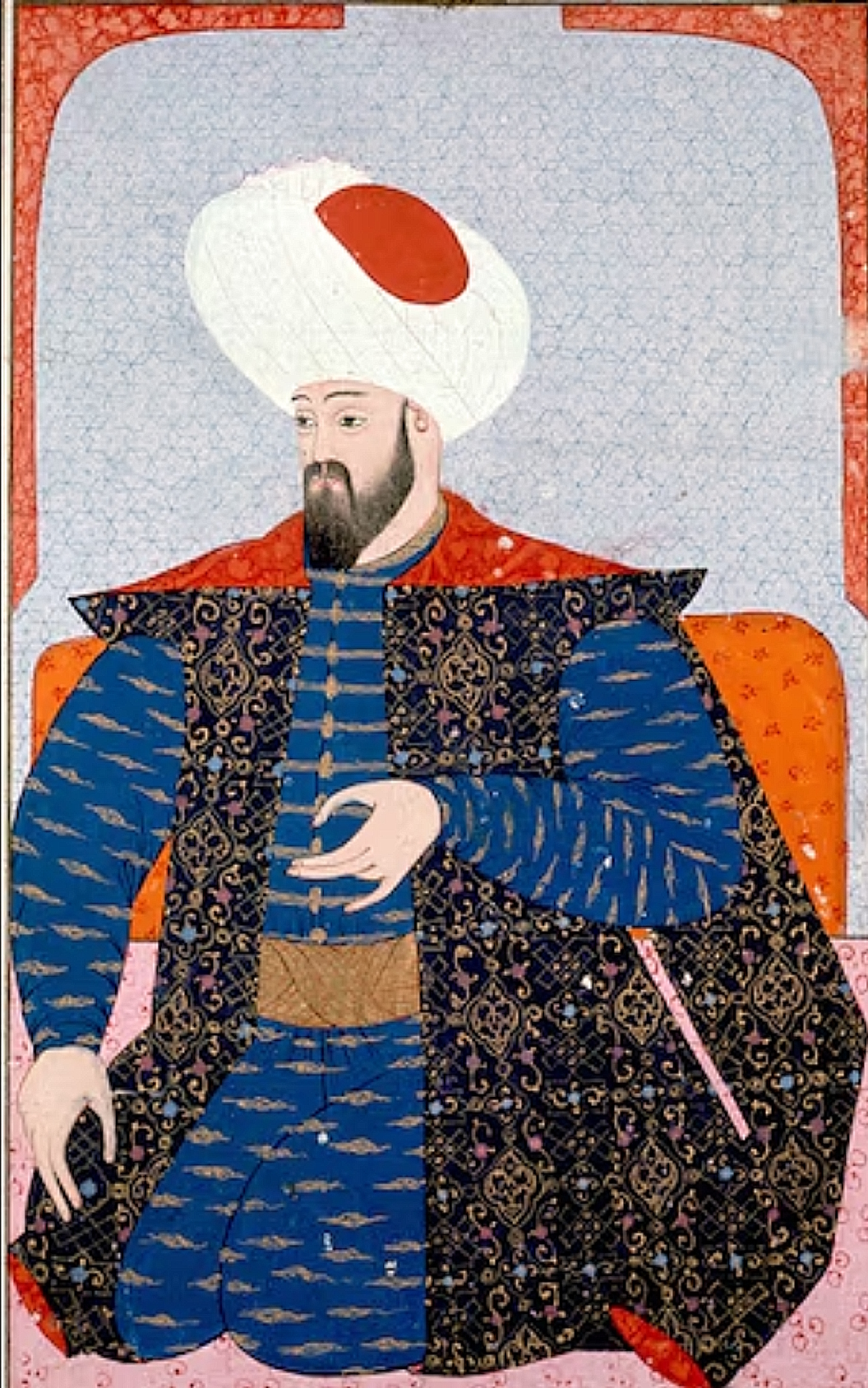
Founder of the Ottoman Empire and first ruler of the Ottoman dynasty, who expanded his small Turkmen principality in Sogut against the Byzantine Empire and had the prophetic 'Osman's Dream'.
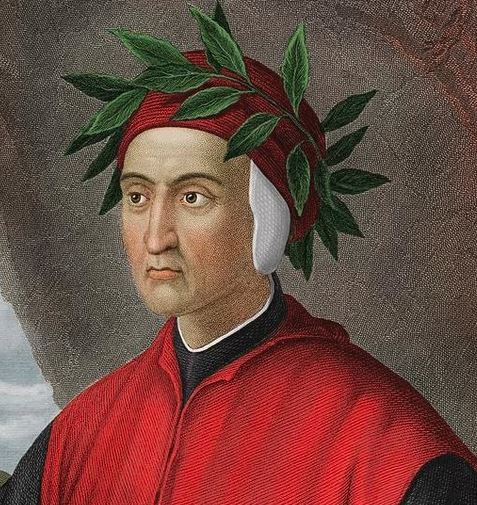
Supreme Italian poet whose epic masterpiece, the Divine Comedy (Inferno, Purgatorio, Paradiso), created the modern Italian language and stands as the greatest literary synthesis of the medieval Christian worldview.
Brilliant Moroccan mathematician and astronomer who introduced innovative algebraic notation, combinatorial formulas, and fractions in his masterwork 'Talkhis A'mal al-Hisab', honored with a lunar crater named Al-Marrakushi.
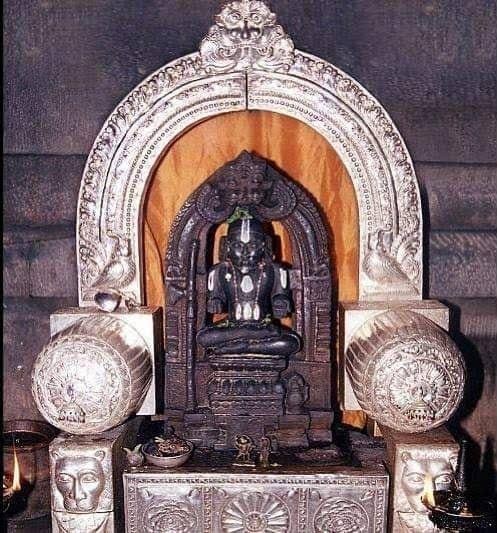
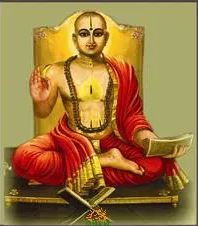
Revolutionary 13th-century philosopher-saint who founded Dvaita (Pure Dualism) Vedanta, establishing the Krishna Temple at Udupi and teaching the 'Pancha-Bheda'โthe five fundamental, eternal distinctions of reality.
Thirteenth-century philosopher-reformer who founded the Dvaita (Dualism) school of Vedanta. Formulated the five eternal distinctions (Pancha Bheda), asserting the absolute independent reality of God and the eternal distinction of souls.
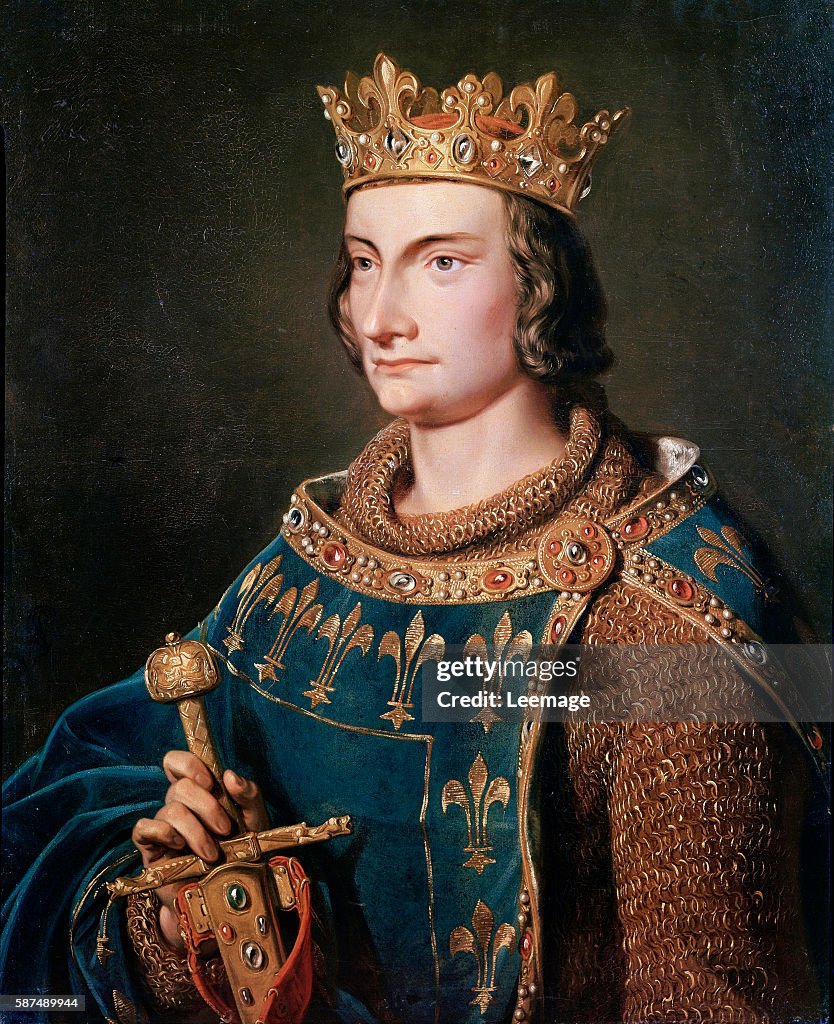
Capetian King of France whose ruthless state centralization created the Estates-General, relocated the Papacy to Avignon, and crushed the Knights Templar.
Third master of the Shadhiliyya and Maliki jurist at al-Azhar whose profound aphorisms 'Al-Hikam al-Ata'iyya' are revered as the supreme crown of Islamic wisdom literature.
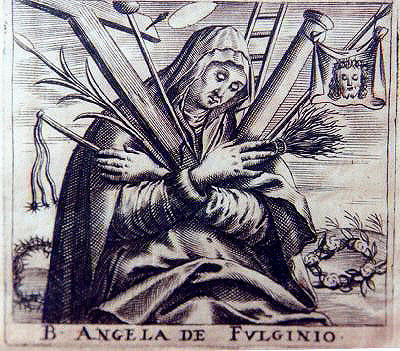
Franciscan tertiary and mystical teacher whose 'Book of Visions and Instructions' (Memorial) mapped thirty steps of spiritual transformation into the suffering Christ.
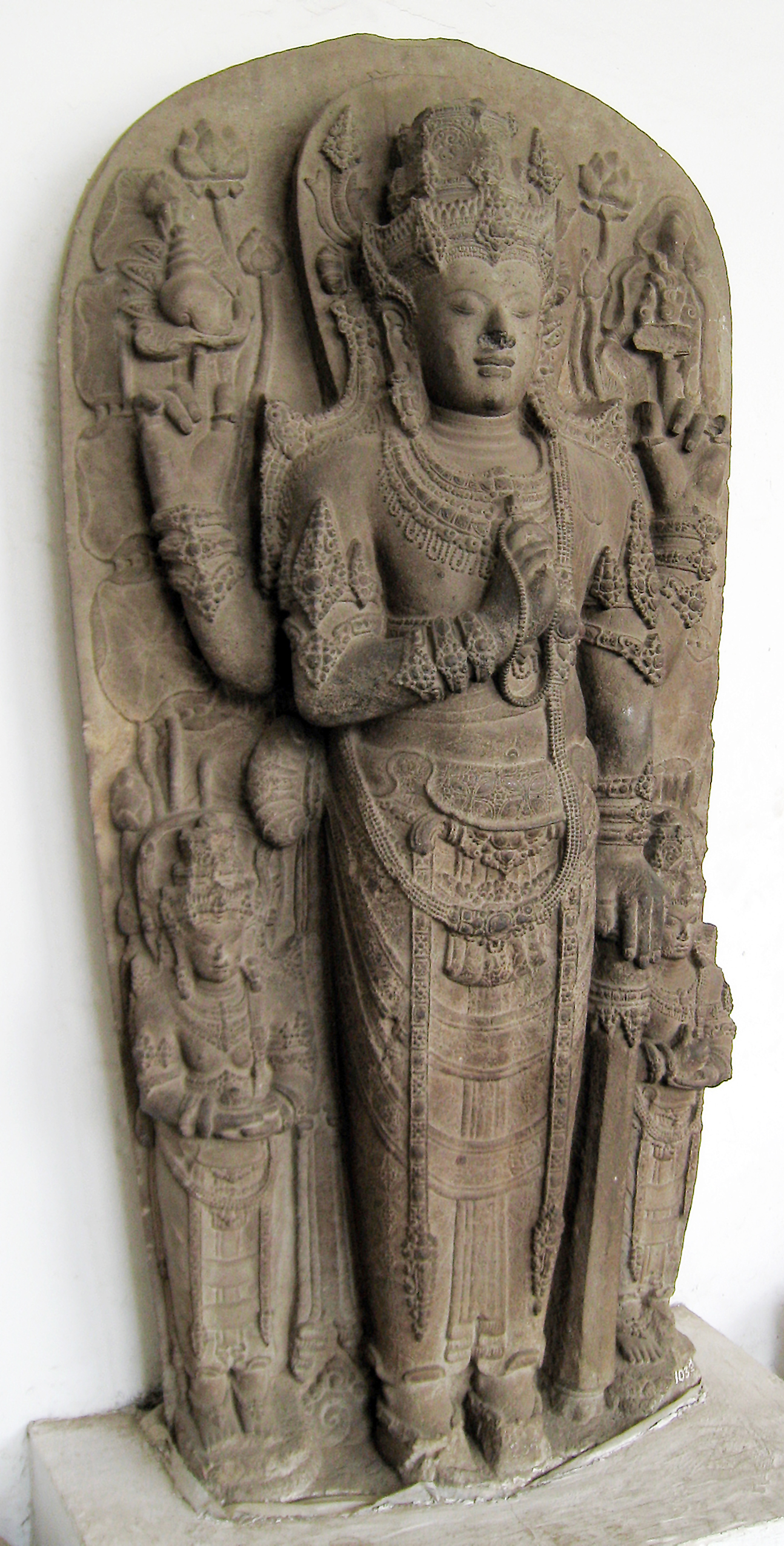
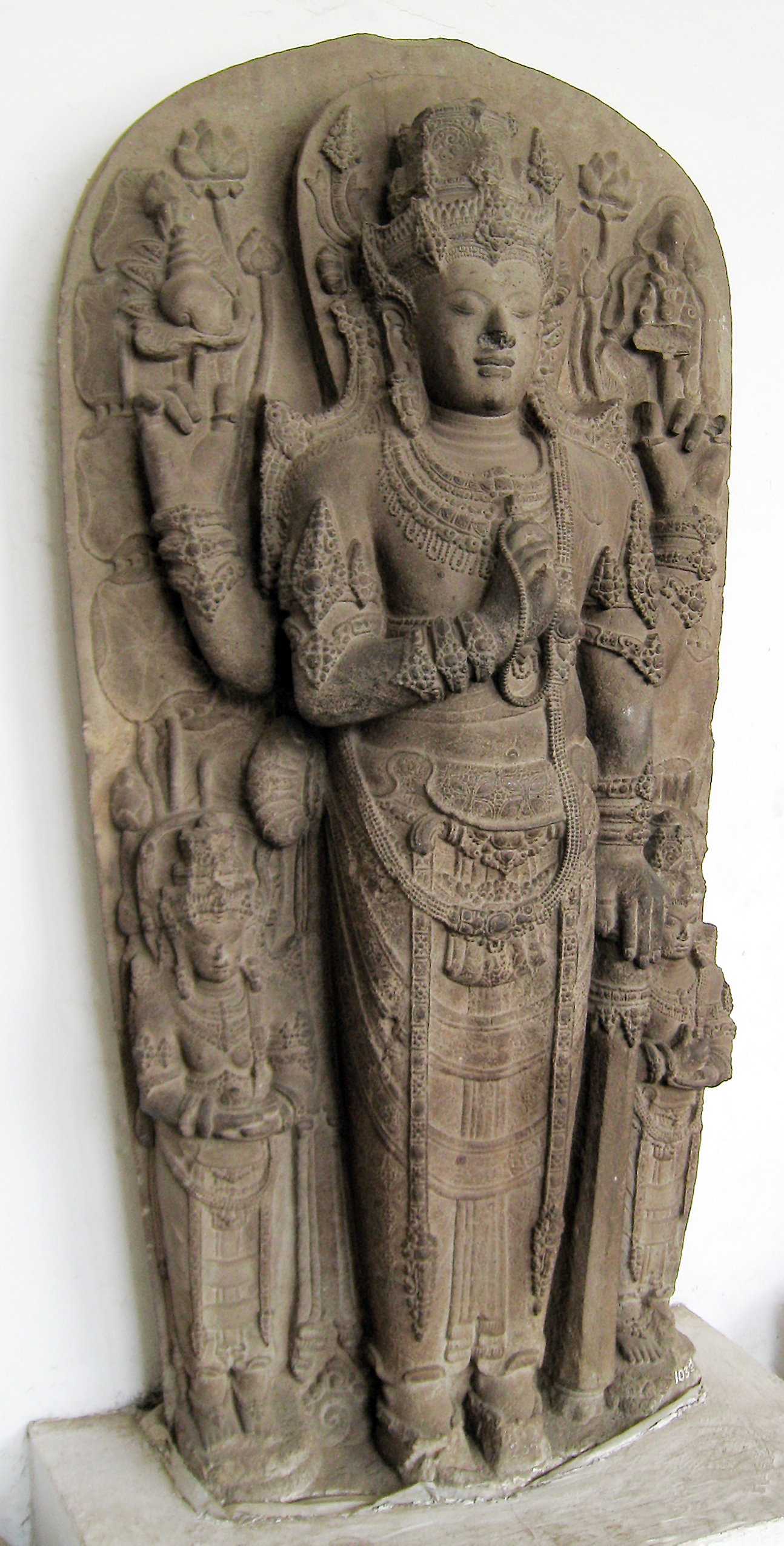
Founder and first monarch of the Majapahit Empire who brilliantly outmaneuvered and defeated Kublai Khan's Mongol invasion fleet in Java in 1293, founding Southeast Asia's greatest maritime empire.
Founder and first monarch of the Majapahit Empire who outsmarted and repelled Kublai Khan's Mongol invasion fleet to unite the Indonesian archipelago.
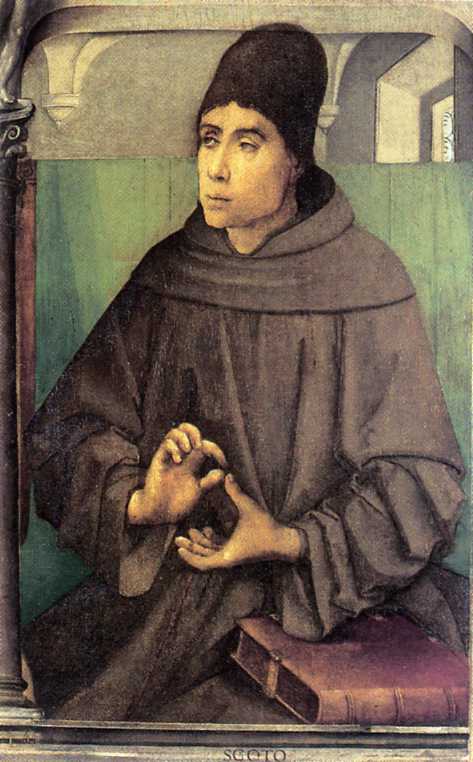
Scottish Franciscan master philosopher whose brilliant concepts of haecceity ('thisness') and the univocity of being, along with his defense of the Immaculate Conception, shaped Catholic dogma.