Public Figures & Cultural Luminaries
Filterable archive covering centuries of intellectual, artistic, and moral contributions to the human story.
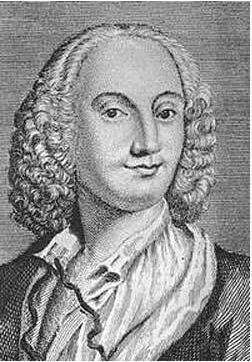
Guillaume de Machaut
 (Guillaume de Machaut)
Preeminent French composer and poet of the 14th-century Ars Nova, who composed the Messe de Nostre Dame—the earliest complete polyphonic setting of the Ordinary of the Mass by a single known composer.
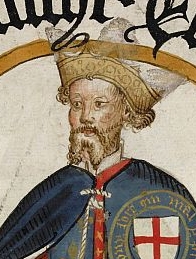
Edward of Woodstock (The Black Prince)
 (Edward of Woodstock, Prince of Wales)
Prince of Wales and England's greatest chivalric warrior of the Hundred Years' War who won the Battle of Poitiers and captured King John II of France.
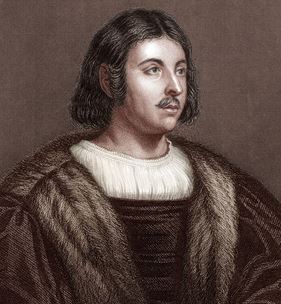
Giovanni Boccaccio
 (Giovanni Boccaccio)
Pioneering Florentine Renaissance humanist and author of The Decameron, who captured the tragedy of the 1348 Black Death and forged European storytelling prose through one hundred lively, witty tales of human wit, eros, and resilience.

Francesco Petrarca
(Francesco Petrarca)
Italian scholar and poet recognized as the 'Father of Humanism', whose Canzoniere established the Petrarchan sonnet and sparked the European Renaissance.
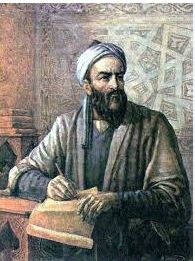
Ismail ibn Umar Ibn Kathir (ابن كثير)
Illustrious Syrian scholar, historian, and student of Ibn Taymiyyah whose 'Tafsir Ibn Kathir' and historical chronicle 'Al-Bidayah wa al-Nihayah' are among the most studied in Islam.
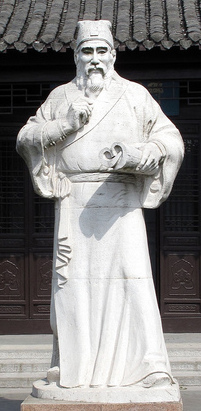
Shi Nai'an
 (施耐庵)
(施耐庵)
Chinese writer traditionally credited with composing Water Margin (Outlaws of the Marsh), the celebrated epic novel of righteous banditry and martial brotherhood.
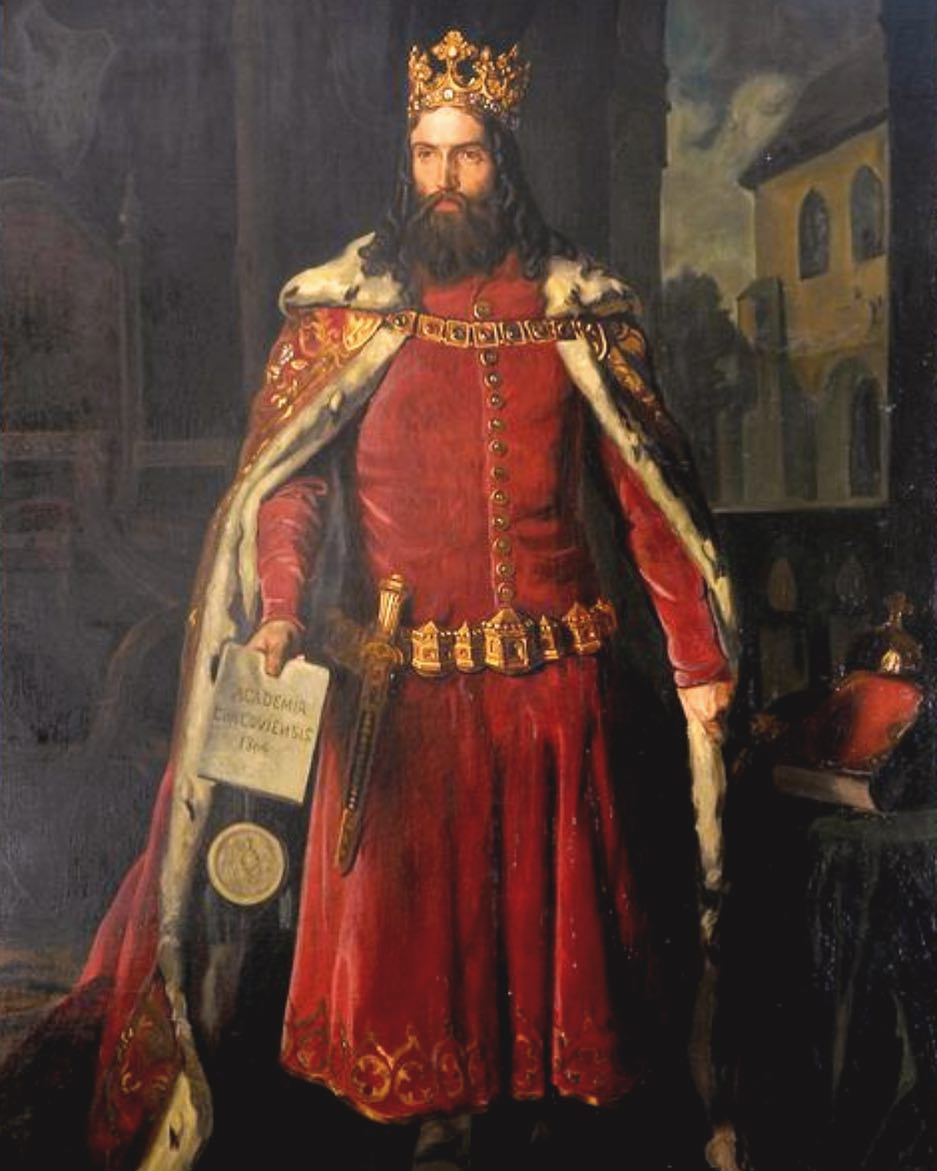
Casimir III the Great (Kazimierz Wielki)
 (Kazimierz III Wielki)
Last Piast King of Poland who doubled the country's size, founded Jagiellonian University, and protected Jewish refugees across Europe.
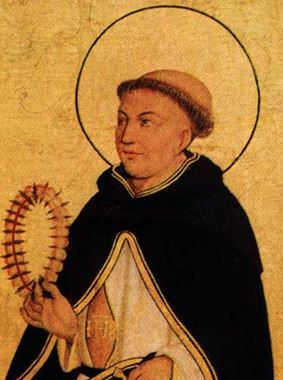
Heinrich Seuse (Heinrich Seuse)
Rhineland Dominican mystic and poet of Eternal Wisdom whose 'Little Book of Eternal Wisdom' was the most widely read devotional manual in Europe before the Imitation of Christ.
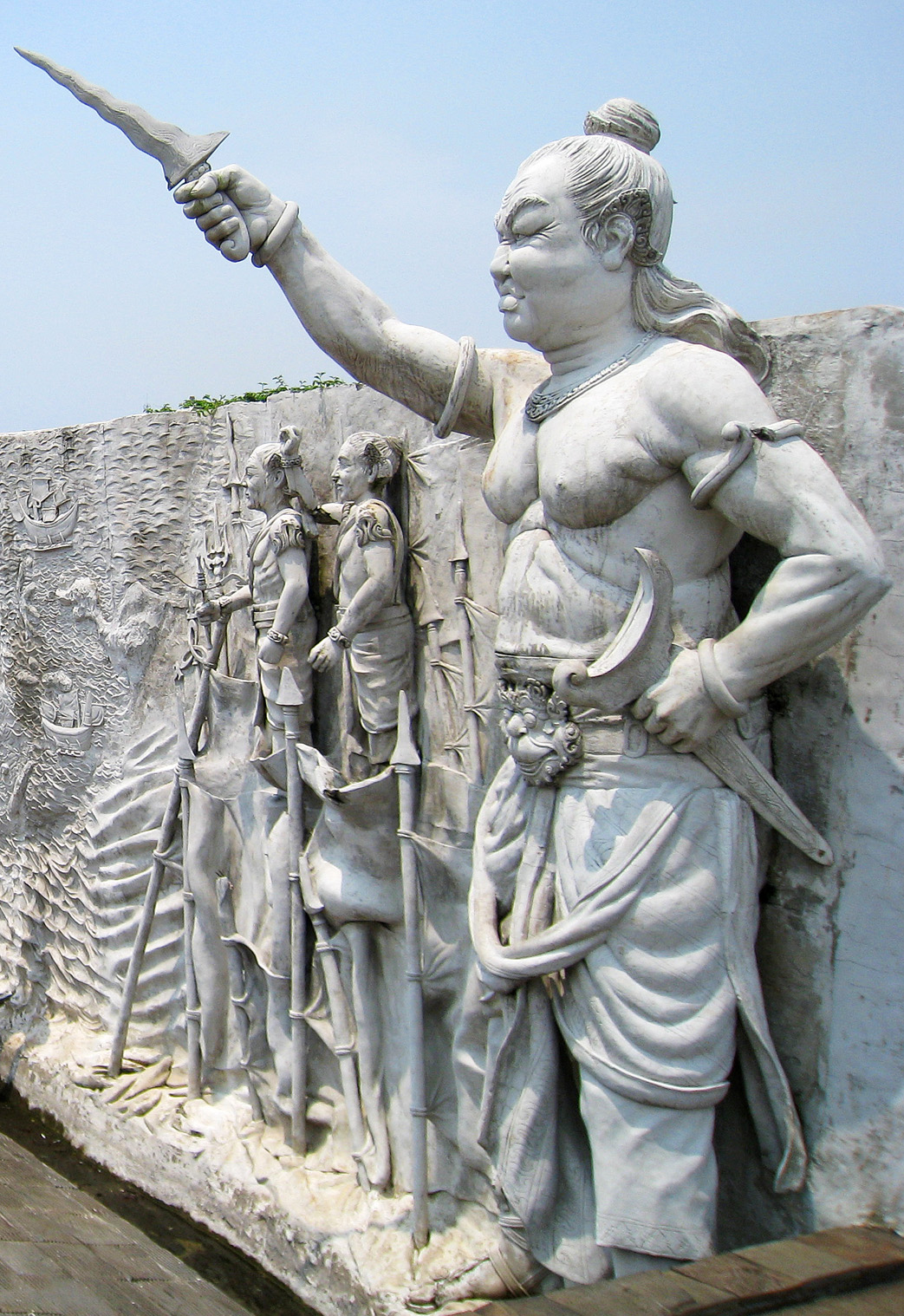
Gajah Mada
 (Gajah Mada)
Legendary prime minister (Mahapatih) of the Majapahit Empire who took the famous Sumpah Palapa (Palapa Oath) in 1336, vowing to taste no earthly pleasures until unifying the Nusantara archipelago.
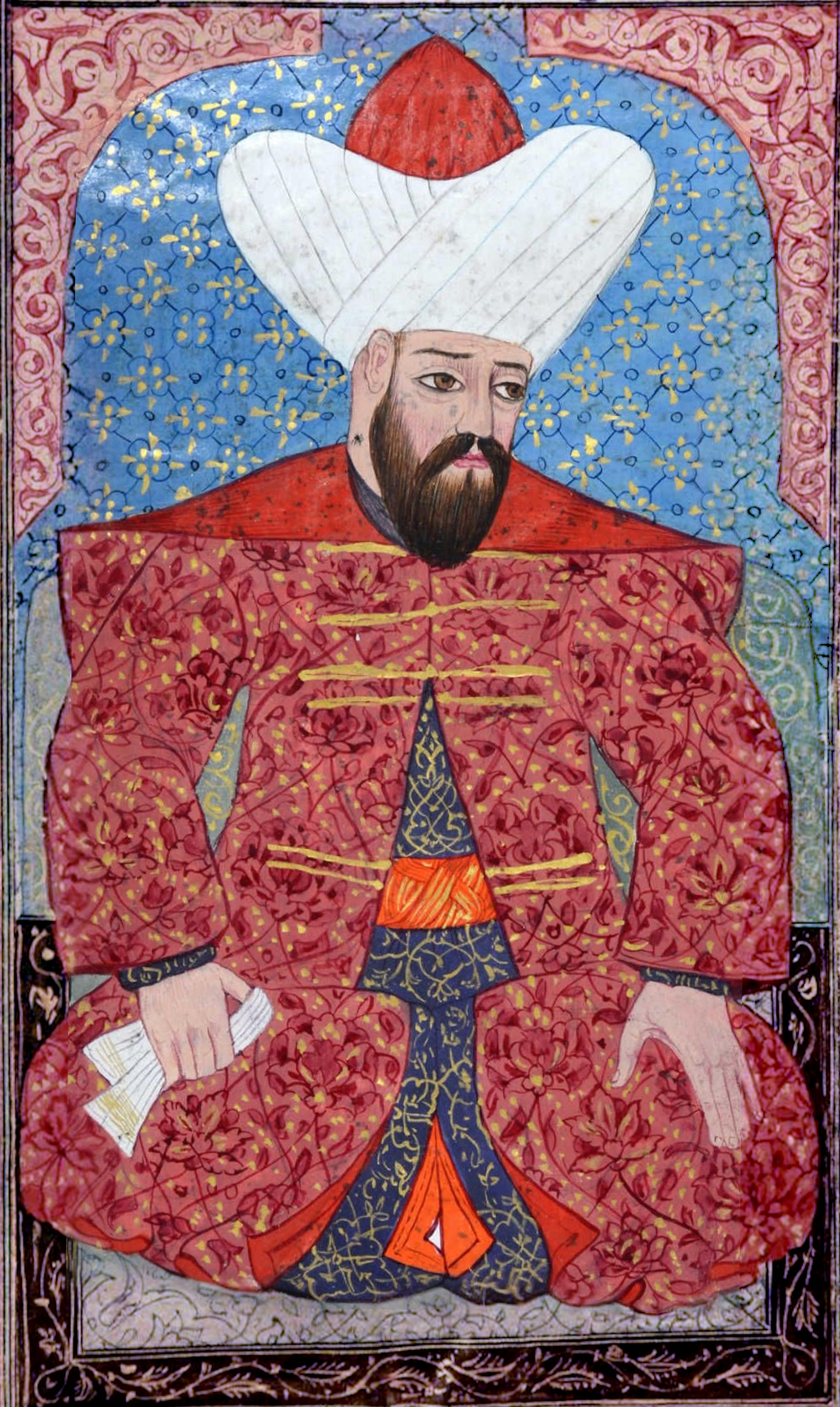
Orhan
 (أورخان غازي (Orhan Gazi))
Second ruler of the Ottoman dynasty who captured Bursa, Nicaea, and Nicomedia, established the first Ottoman standing army (Janissaries), and crossed into Europe at Gallipoli in 1354.
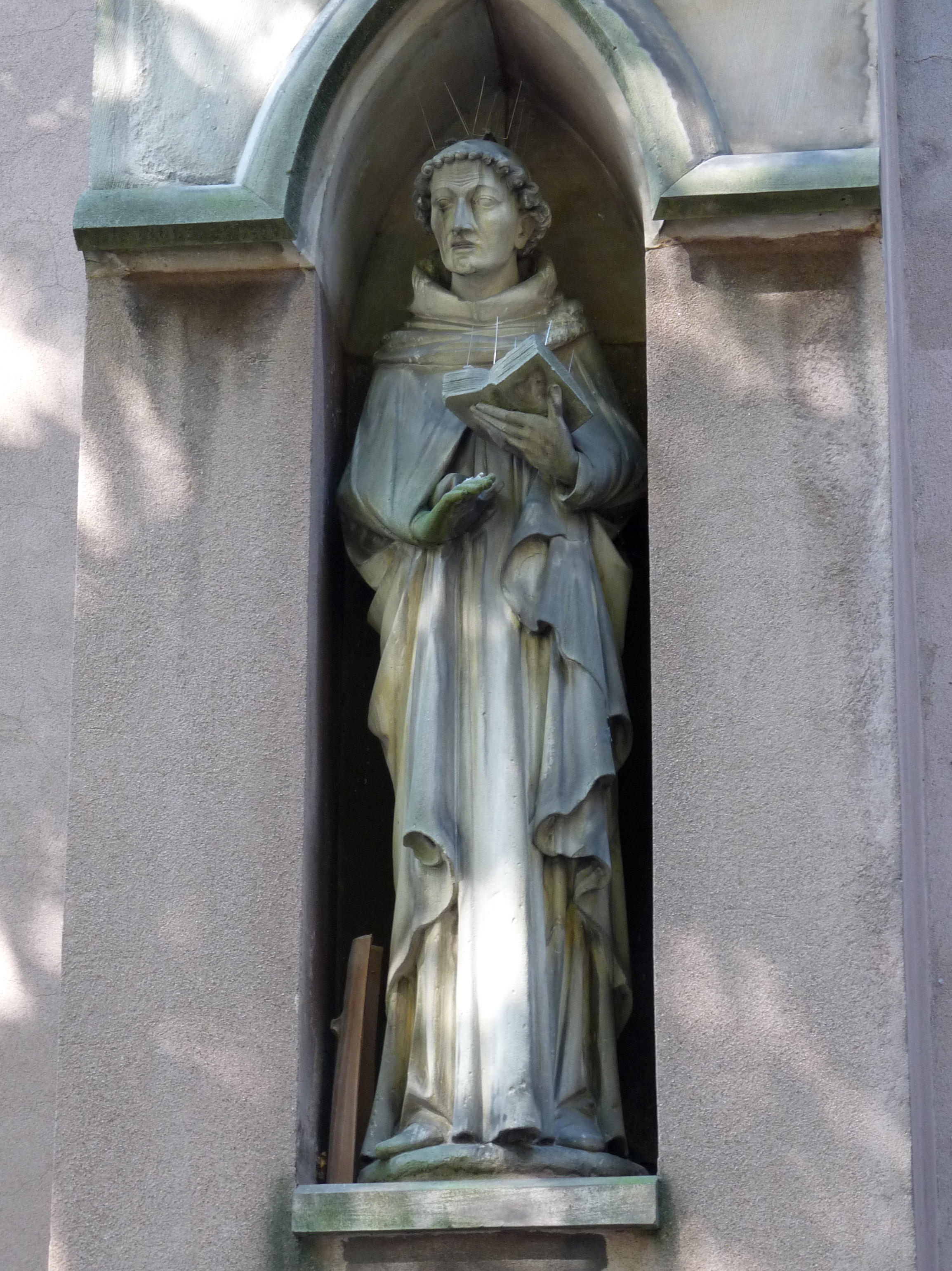
Johannes Tauler
(Johannes Tauler)
Rhineland mystic, Dominican friar, and supreme preacher of the 'Friends of God' whose vernacular sermons inspired Martin Luther and guided souls during the Black Death.
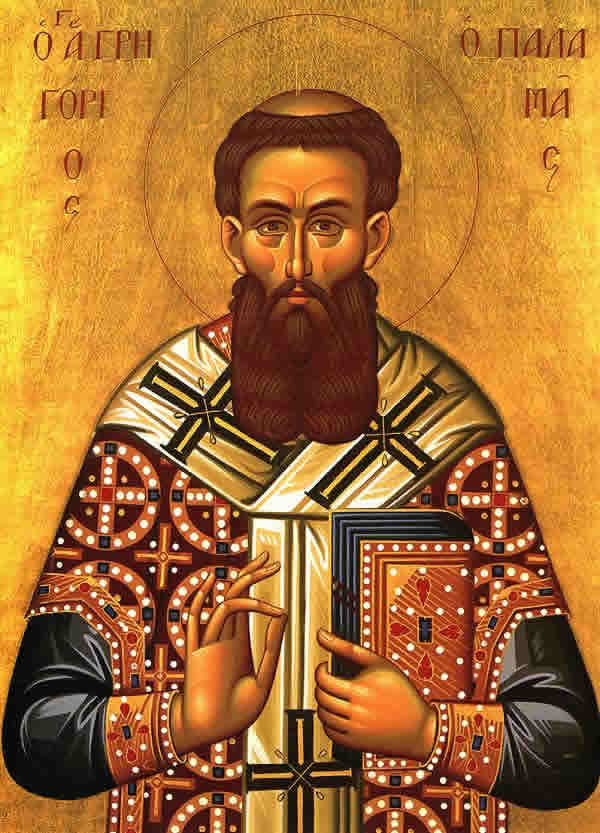
Gregory Palamas
(Γρηγόριος Παλαμᾶς)
Archbishop of Thessaloniki and foremost theologian of Hesychasm who articulated the distinction between God's unknowable divine essence and uncreated divine energies.
Geoffroi de Charny (Bearer of the Oriflamme)
(Geoffroi de Charny)
French knight, military theorist, and bearer of the sacred royal Oriflamme banner who authored the Book of Chivalry and died shielding King John II at Poitiers.
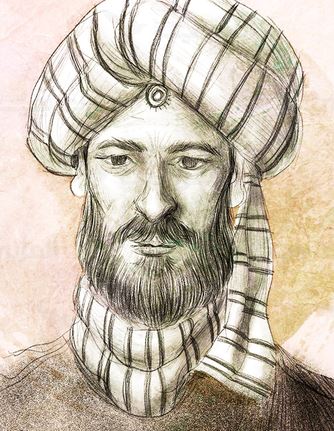
Muhammad ibn Abi Bakr Ibn Qayyim al-Jawziyya (ابن قيم الجوزية)
Prominent Hanbali theologian, jurist, and spiritual psychologist whose masterworks 'Madarij al-Salikin' and 'Zad al-Ma'ad' beautifully united legal rigor with profound heart-centered devotion.
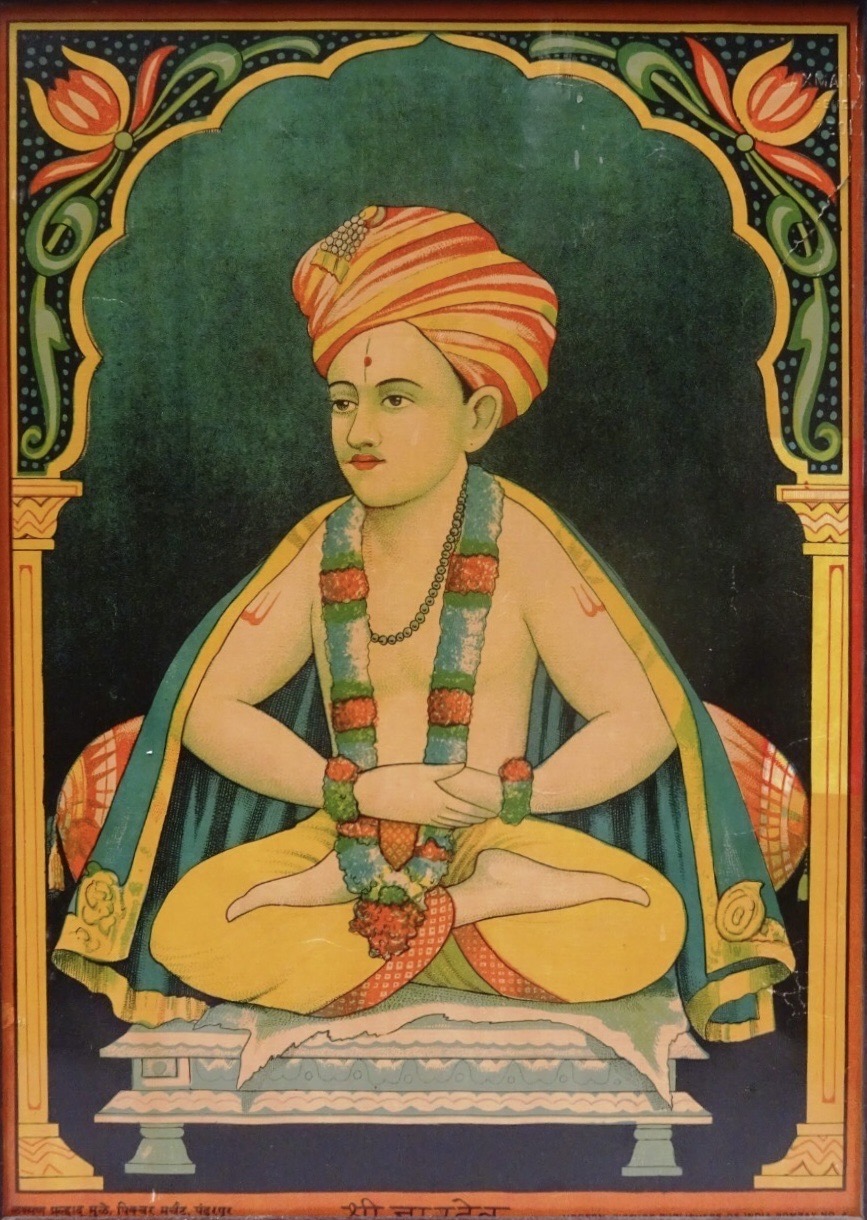
Sant Namdev
 (संत नामदेव)
14th-century tailor-saint who pioneered the Varkari tradition of Maharashtra and traveled across Northern India to Punjab, whose sixty-one devotional hymns were enshrined in the Sikh sacred scripture, the Guru Granth Sahib.
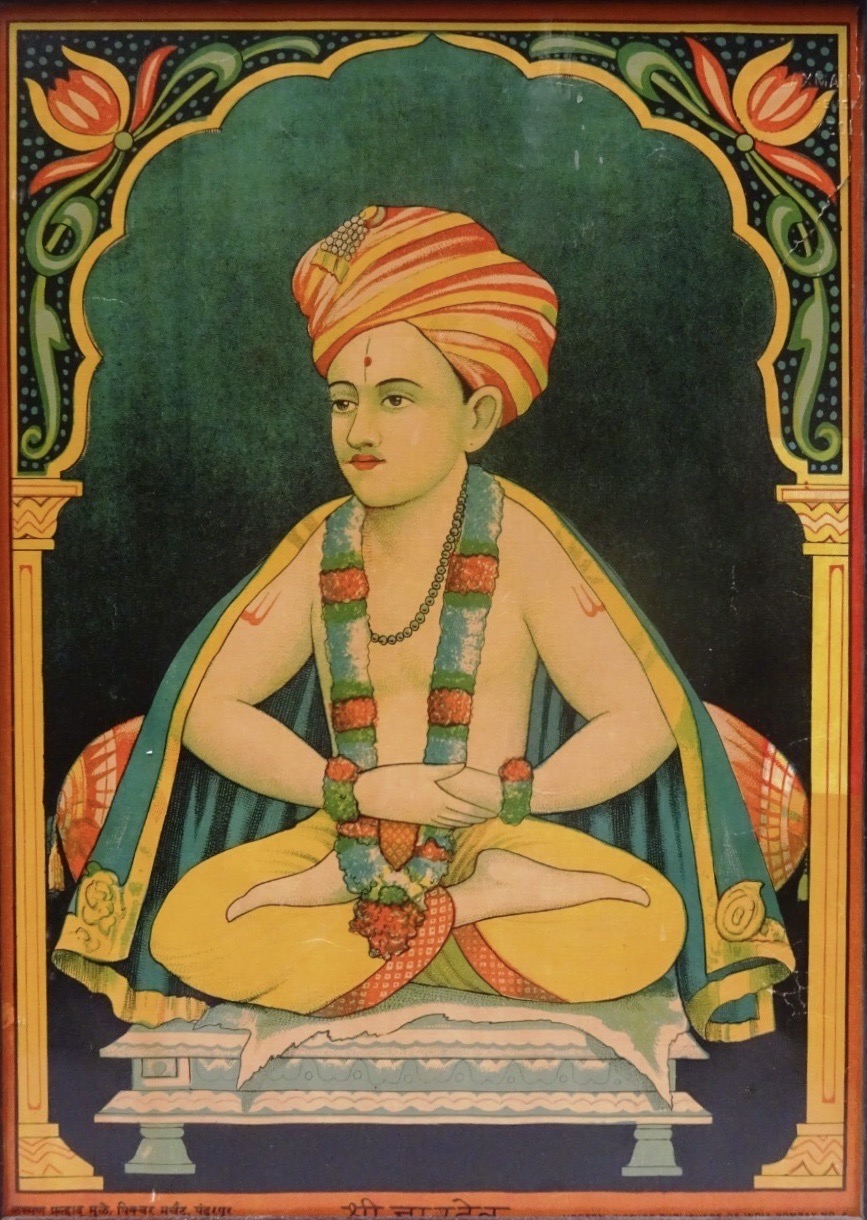
Namdev
(नामदेव)
Pioneering Varkari Bhakti poet who journeyed across India with Dnyaneshwar, composed verses included in the Sikh Guru Granth Sahib, and preached universal brotherhood.
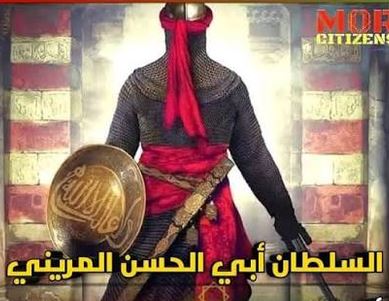
Abu al-Hasan Ali ibn Othman (أبو الحسن علي بن عثمان المريني)
Most formidable Marinid Sultan of Morocco, known as the 'Black Sultan', who unified Morocco, Algeria, and Tunisia under his scepter, constructed the royal necropolis of Chellah, and transcribed the Quran in his own calligraphy.
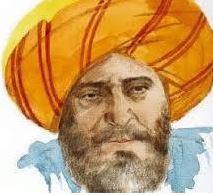
Muhammad ibn Ahmad al-Dhahabi (شمس الدين الذهبي)
Syrian master Hadith critic and supreme biographer whose 25-volume 'Siyar A'lam al-Nubala' and 'Tarikh al-Islam' comprise the most comprehensive biographical archive of Islamic civilization.