Public Figures & Cultural Luminaries
Filterable archive covering centuries of intellectual, artistic, and moral contributions to the human story.
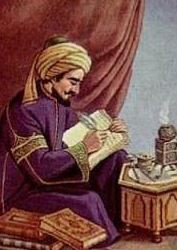
Al-Maqrizi (تقي الدين المقريزي)
Preeminent Egyptian Mamluk historian, topographer, and economic theorist whose 'Al-Khitat' provided the definitive architectural and urban history of Cairo and whose 'Ighathat al-Umma' analyzed economic inflation.
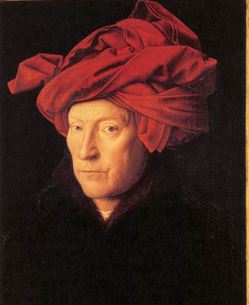
Jan van Eyck
 (Jan van Eyck)
Greatest master of Early Netherlandish painting who perfected the oil painting technique, celebrated worldwide for the Ghent Altarpiece and the Arnolfini Portrait with its astonishing microscopic realism.
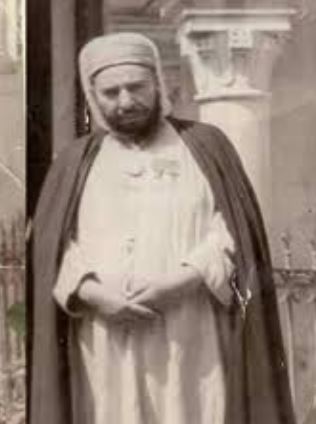
Mohamed ibn Omar al-Houari
 (محمد بن عمر الهواري)
Venerated Algerian Islamic scholar, ascetic, and saint from the Houara Berber tribe who taught in Tlemcen and Fez before settling in Oran, becoming the eternal patron saint of the city.
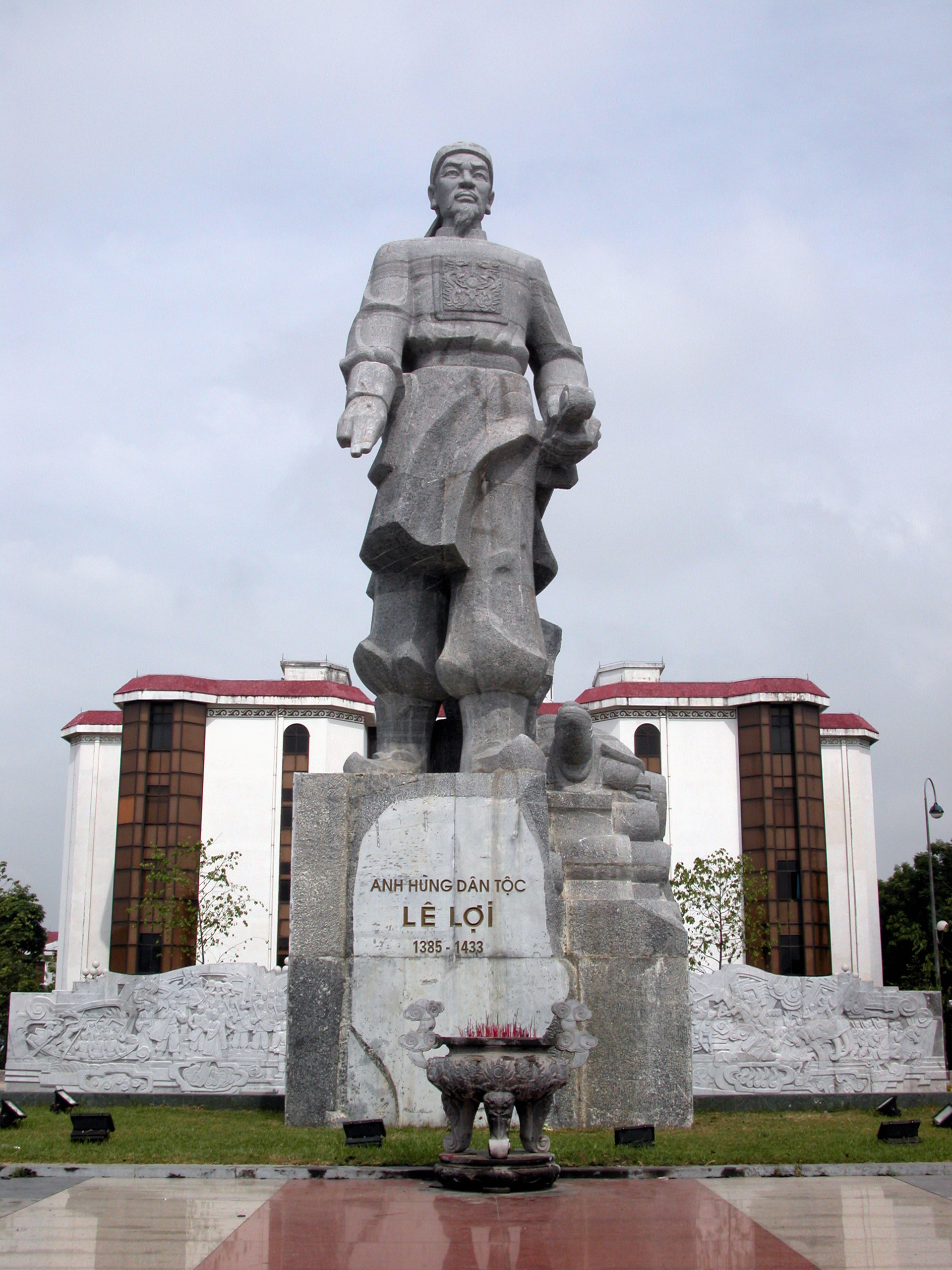
Le Loi
 (Lê Lợi (Lê Thái Tổ))
Vietnamese national hero and founder of the Later Le Dynasty who led the ten-year Lam Son Uprising against Ming Chinese occupation, immortalized by the Legend of the Returned Sword at Hoan Kiem Lake.
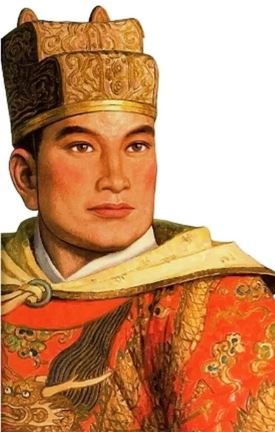
Zheng He (郑和 (三宝太监))
Ming Dynasty grand admiral and diplomat who commanded seven epic treasure fleet voyages across the Indian Ocean from Southeast Asia to Arabia and East Africa, decades before Columbus.
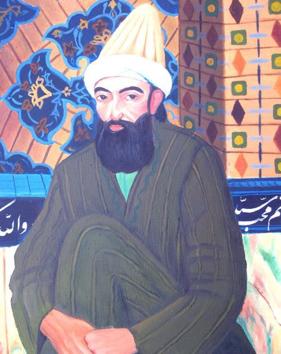
Sayyid Nur al-Din Nematollah Vali
 (شاه نعمتالله ولی)
Revered Persian Sufi master, poet, and founder of the Nimatullahi order who spent decades traveling through Mecca, Samarkand, and Herat before creating a vibrant center in Mahan.
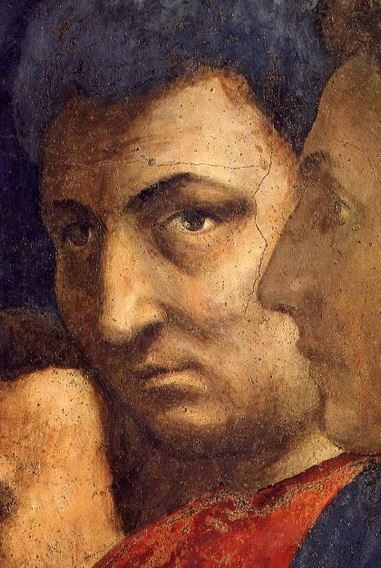
Masaccio
 (Tommaso di Ser Giovanni di Simone)
Foundational Early Renaissance master whose revolutionary use of linear perspective and human gravity ignited the Florentine Renaissance.
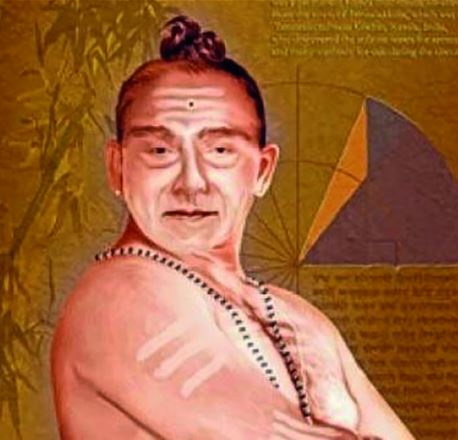
Madhava of Sangamagrama
 (മാധവൻ (സംഗമഗ്രാമ മാധവൻ))
Founder of the Kerala School of Astronomy and Mathematics who discovered infinite power series expansions for sine, cosine, and arctangent (the Madhava-Leibniz series) 250 years before Newton.
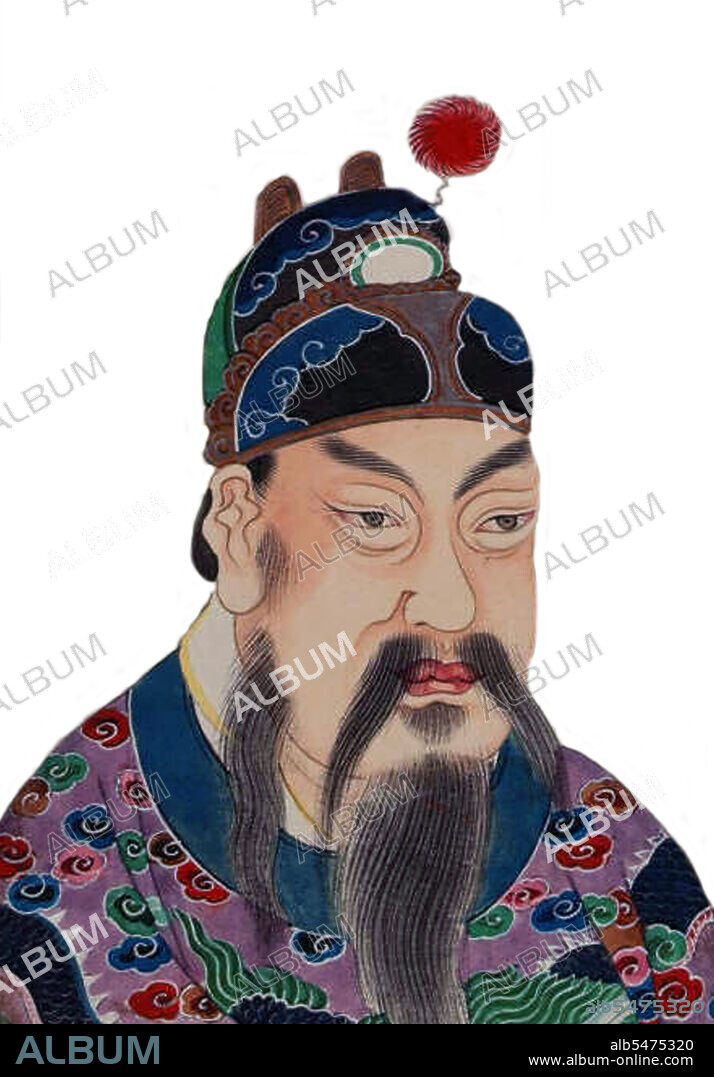
Yongle Emperor
 (明成祖 (朱棣))
Third emperor of the Ming Dynasty (1402–1424) Zhu Di, who constructed the colossal Forbidden City in Beijing, rebuilt the Grand Canal, commissioned the 11,000-volume Yongle Encyclopedia, and launched Admiral Zheng He's legendary treasure fleet voyages across the Indian Ocean.
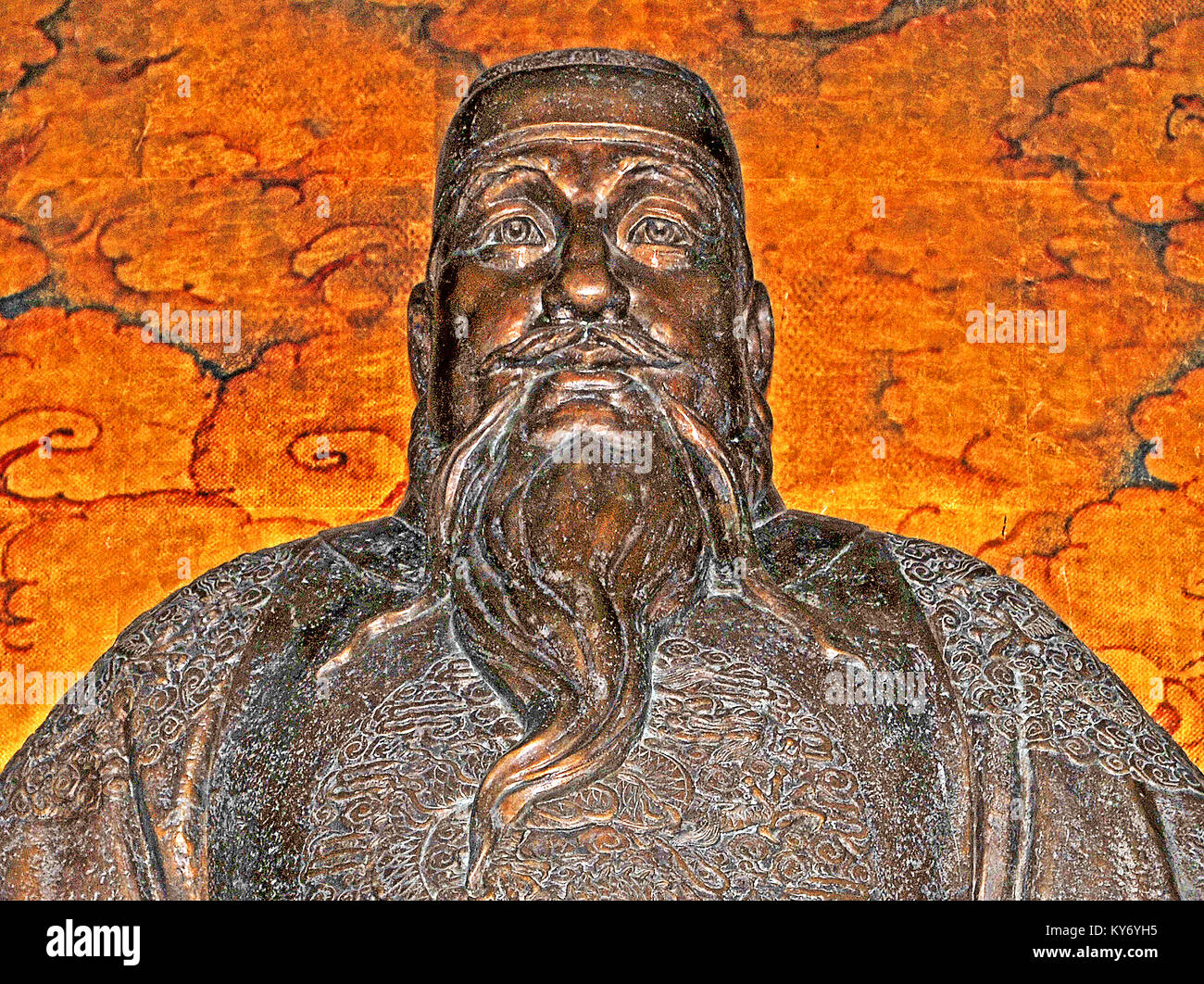
Yongle Emperor (Zhu Di)
(永乐帝 朱棣 (Chengzu))
Third Ming Emperor who built the Forbidden City, moved the capital to Beijing, compiled the Yongle Encyclopedia, and launched Zheng He's treasure voyages.
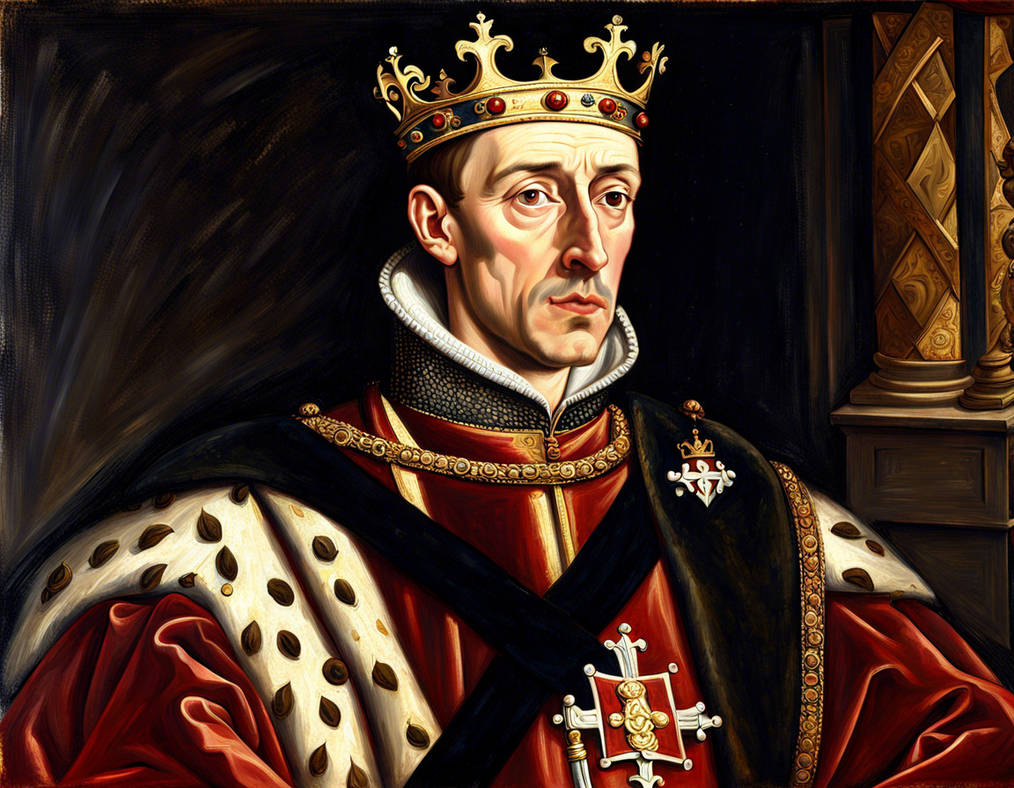
Henry V of England
 (Henry of Monmouth)
Warrior King of England celebrated for his legendary victory against overwhelming odds at the Battle of Agincourt in 1415.
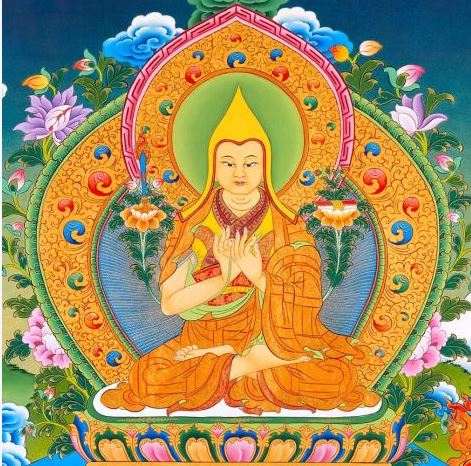
Je Tsongkhapa Lobsang Drakpa
(རྗེ་ཙོང་ཁ་པ། (Rje Tsong-kha-pa))
Tibetan religious reformer, philosopher, and founder of the Gelug school—the tradition of the Dalai Lamas. Authored the Lamrim Chenmo (The Great Treatise on the Stages of the Path to Enlightenment), unifying monastic discipline and Madhyamaka logic.
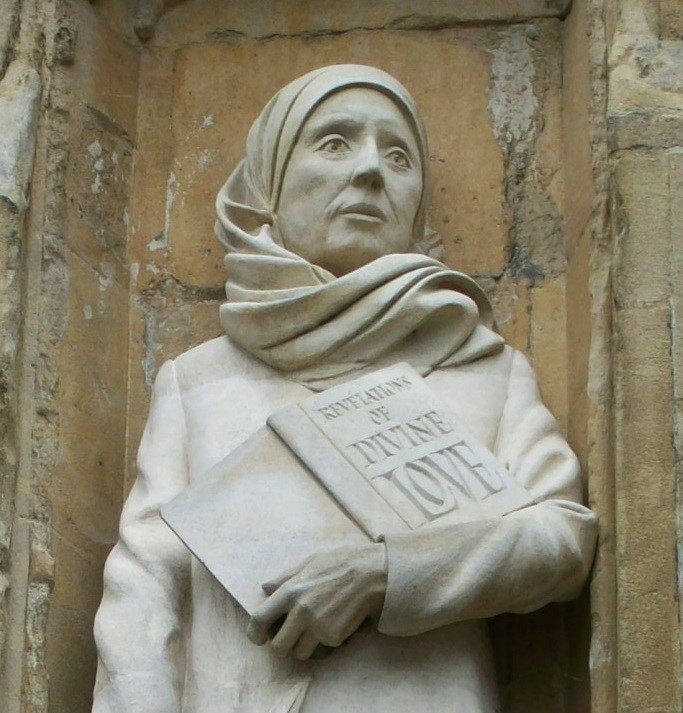
Julian of Norwich
(Julian of Norwich)
English anchoress and mystic whose 'Revelations of Divine Love' is the earliest surviving English book authored by a woman, immortal for her vision that 'all shall be well'.
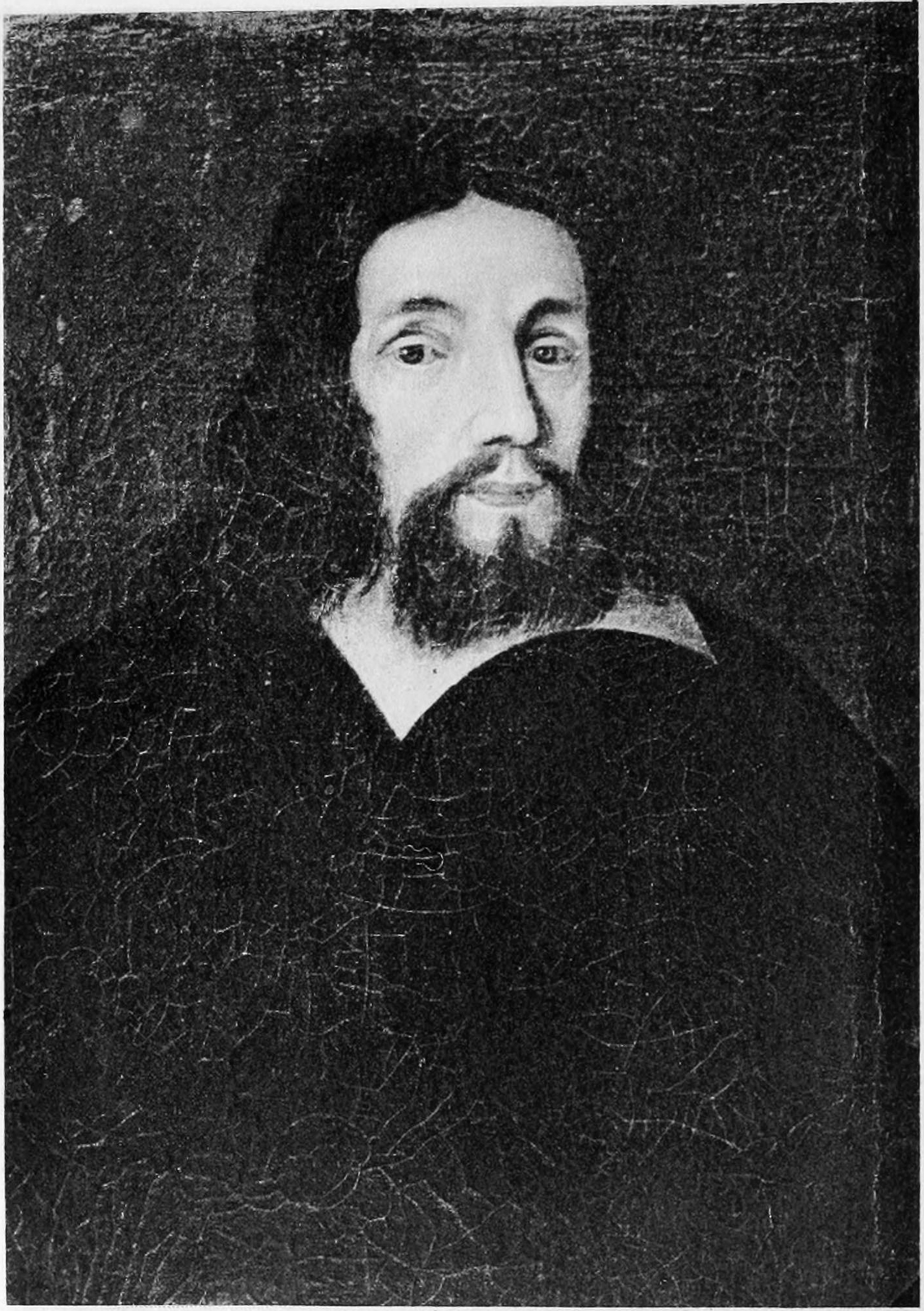
Jan Hus
 (Jan Hus)
Bohemian religious reformer, rector of Prague University, and martyr whose vernacular Czech preaching against indulgences ignited the Hussite movement and inspired Martin Luther.
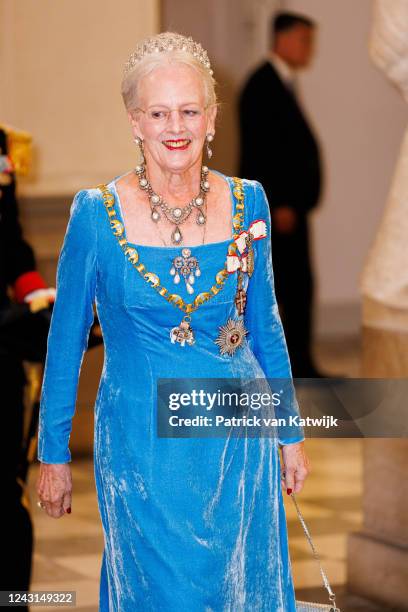
Margaret I of Denmark (Margrete I)
 (Margrete Valdemarsdatter)
Master Scandinavian queen who created the Kalmar Union in 1397, uniting the three Nordic kingdoms of Denmark, Norway, and Sweden.
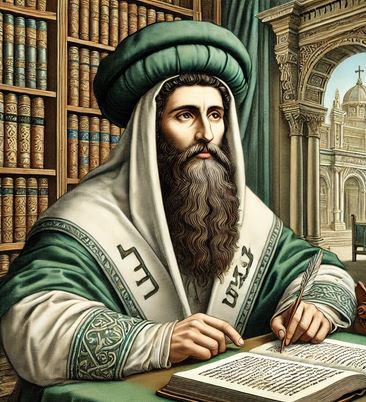
Hasdai ben Abraham Crescas (חסדאי קרשקש)
Catalan philosopher and leader of Spanish Jewry whose treatise 'Light of the Lord' (Or Adonai) critiqued Aristotelian physics and championed divine love and free will.
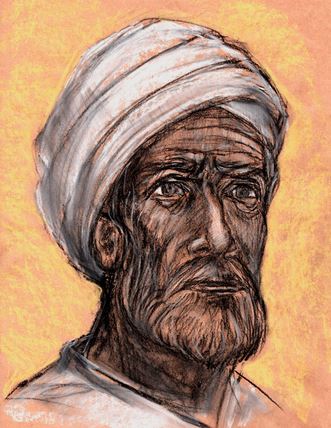
Ibn Khaldun (Wali al-Din Abd al-Rahman)
 (عبد الرحمن بن محمد بن خلدون)
Father of historiography, sociology, and political economy whose Muqaddimah uncovered the laws governing social cohesion (Asabiyyah) and the cyclical rise and fall of civilizations.
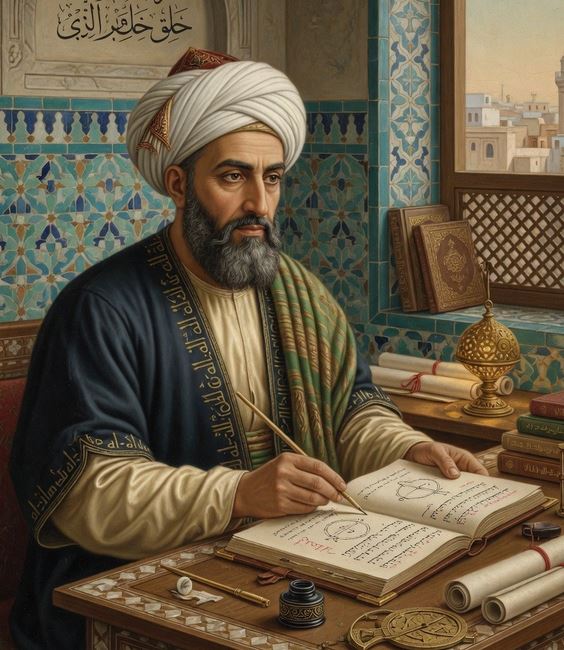
Abd al-Rahman Ibn Khaldun
(عبد الرحمن بن خلدون)
Pioneering polymath widely regarded as the foundational father of sociology, historiography, demography, and cultural philosophy. Renowned globally for his seminal work, the Muqaddimah.