Public Figures & Cultural Luminaries
Filterable archive covering centuries of intellectual, artistic, and moral contributions to the human story.
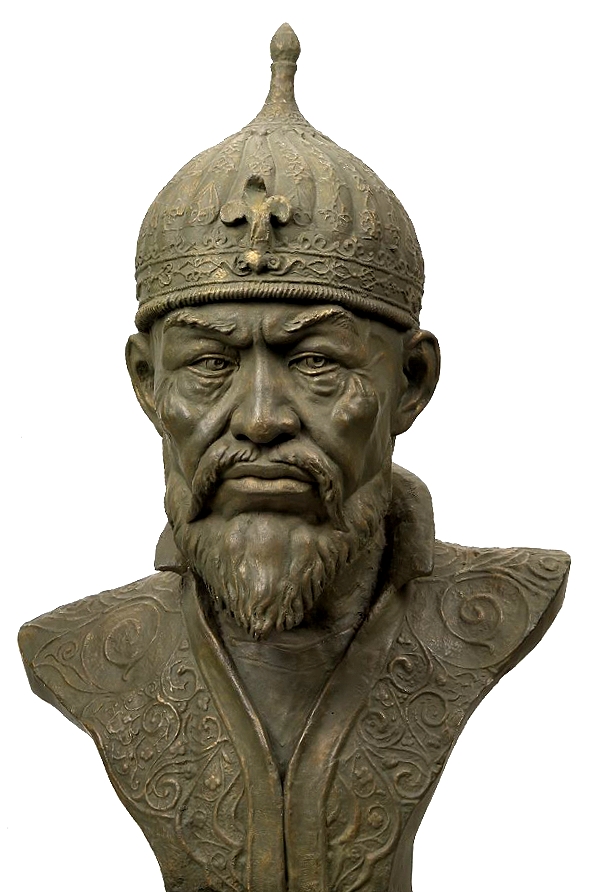
Tamerlane (Timur)
 (تیمور لنگ (Timūr Gurkānī))
Turco-Mongol conqueror and founder of the Timurid Empire who never lost a battle across forty years of campaigns from Delhi to the Mediterranean, transforming Samarkand into a Renaissance jewel.
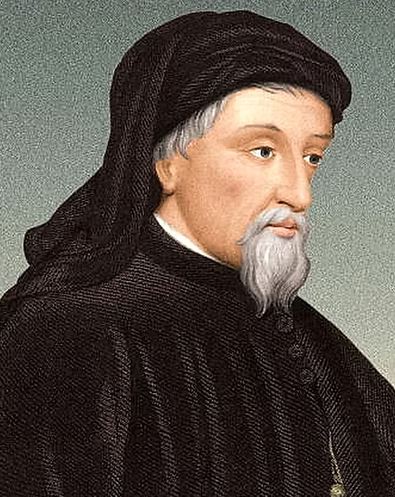
Geoffrey Chaucer
 (Geoffrey Chaucer)
Venerated as the Father of English Literature, who legitimized the vernacular Middle English tongue as a vehicle for grand literary art in his vibrant comedic and psychological masterwork, The Canterbury Tales.
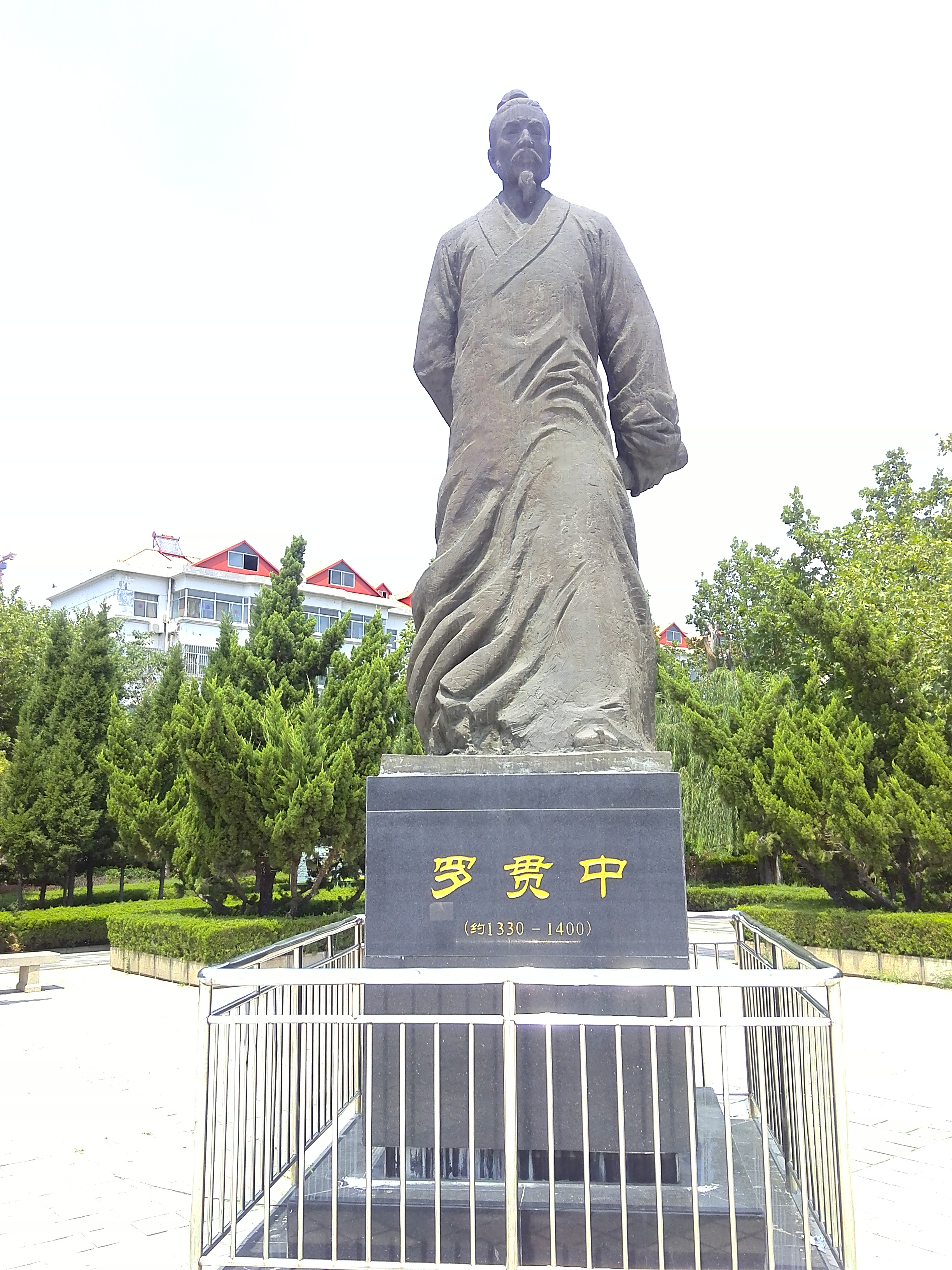
Luo Guanzhong
 (羅貫中)
(羅貫中)
Pioneering Chinese novelist of the Yuan-Ming transition who wrote Romance of the Three Kingdoms, one of the Four Great Classical Novels of Chinese literature.
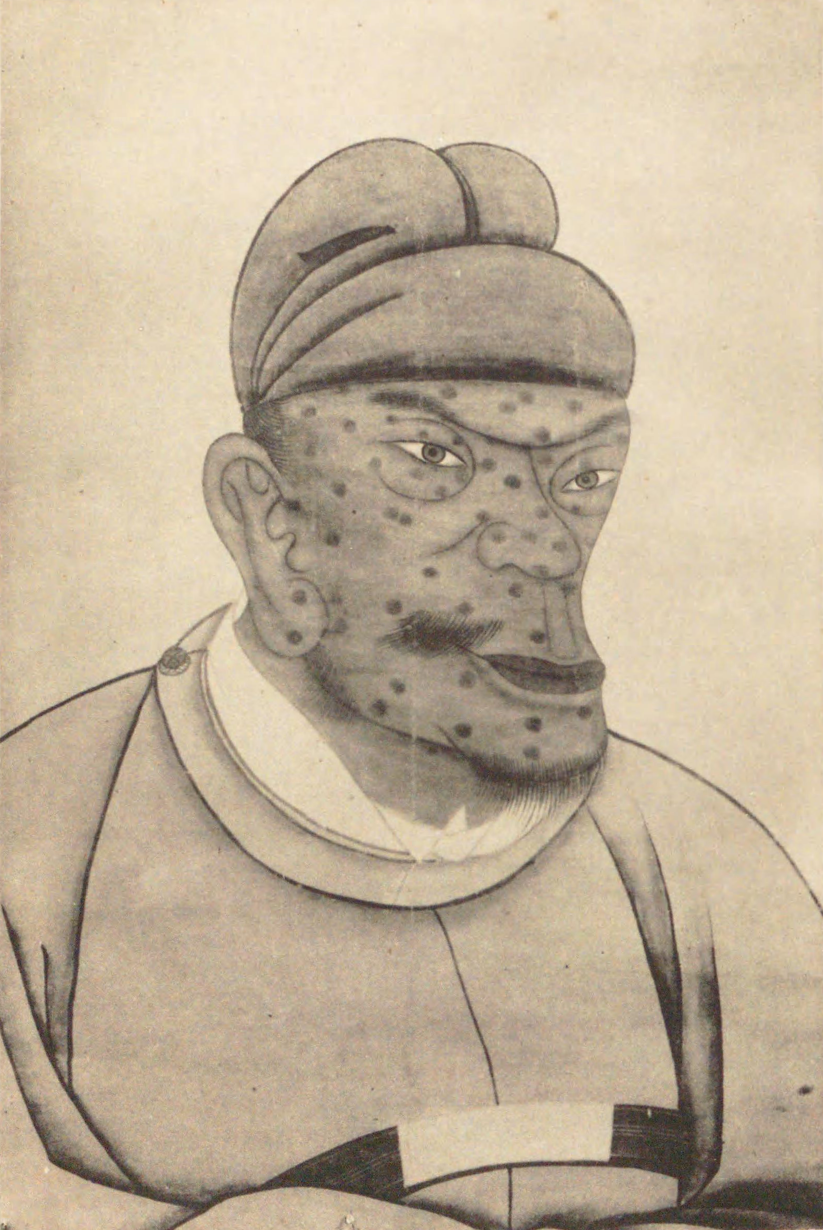
Hongwu Emperor
(明太祖 (朱元璋))
Founder of the Ming Dynasty (1368–1398) Zhu Yuanzhang, who rose from an orphaned beggar and Buddhist novice monk to lead the Red Turban rebellion that expelled the Mongol Yuan dynasty from China, restoring native Han rule.
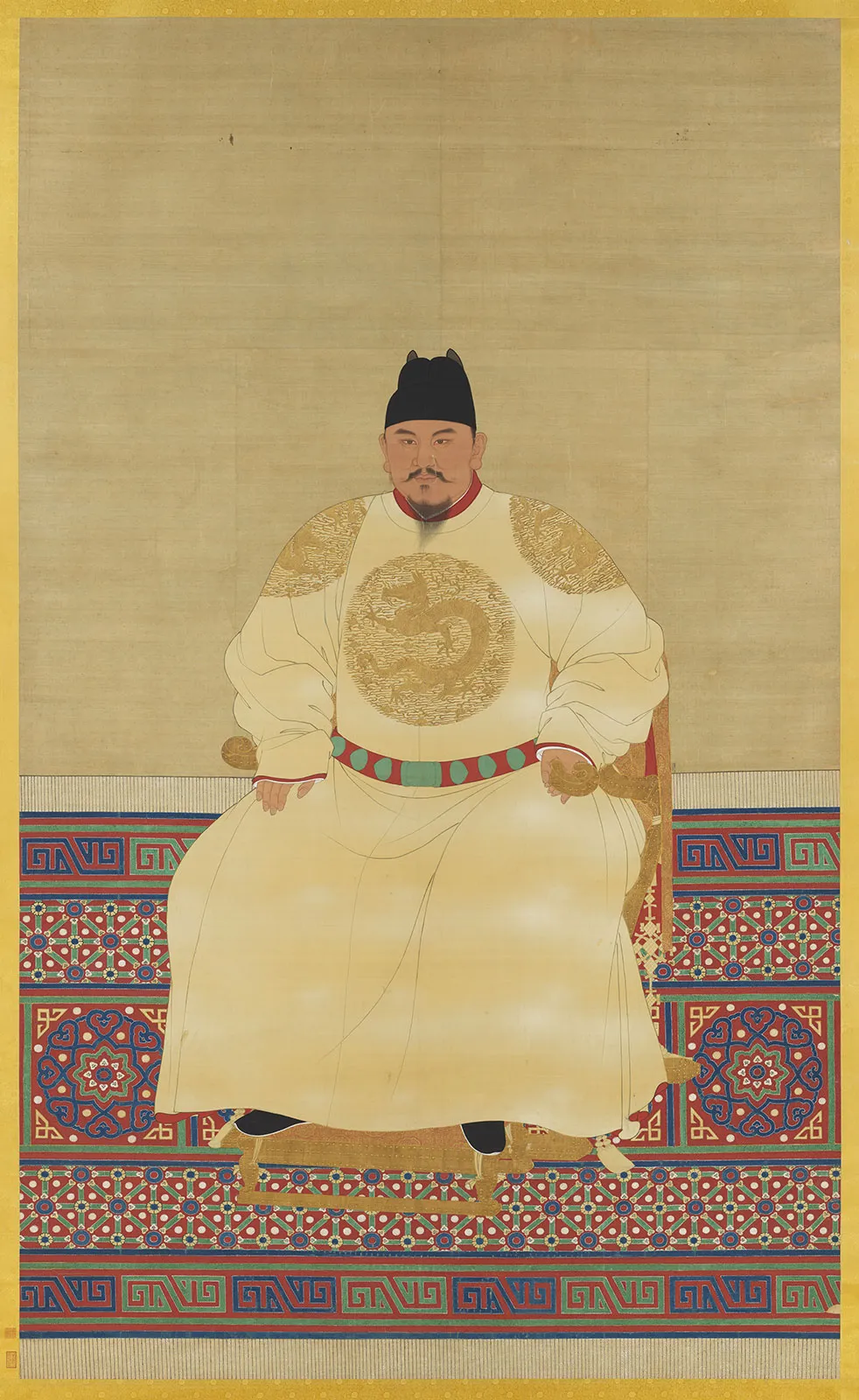
Hongwu Emperor (Zhu Yuanzhang)
(明太祖 朱元璋 (Zhu Yuanzhang))
Peasant monk who rose to lead the Red Turban Rebellion, drove out the Mongol Yuan Dynasty, and founded the native Chinese Ming Dynasty.
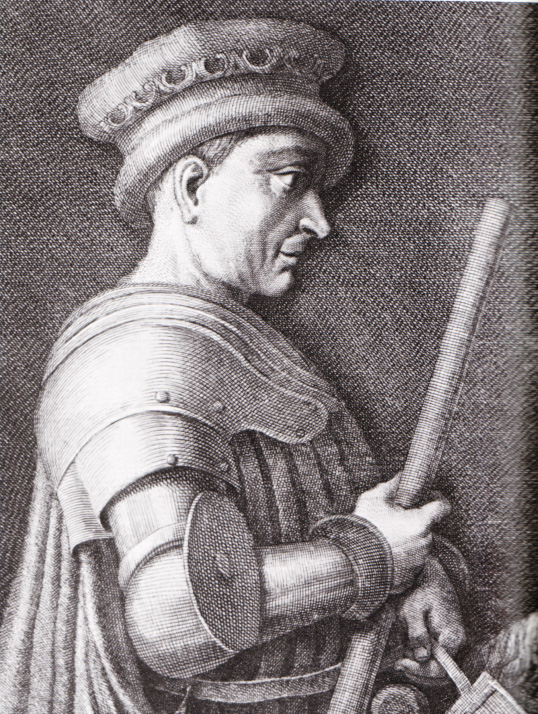
Sir John Hawkwood (Giovanni Acuto)
(Sir John Hawkwood / Giovanni Acuto)
Legendary English mercenary captain (condottiero) who led the White Company in Italy, renowned for speed, tactical cunning, and professional discipline.
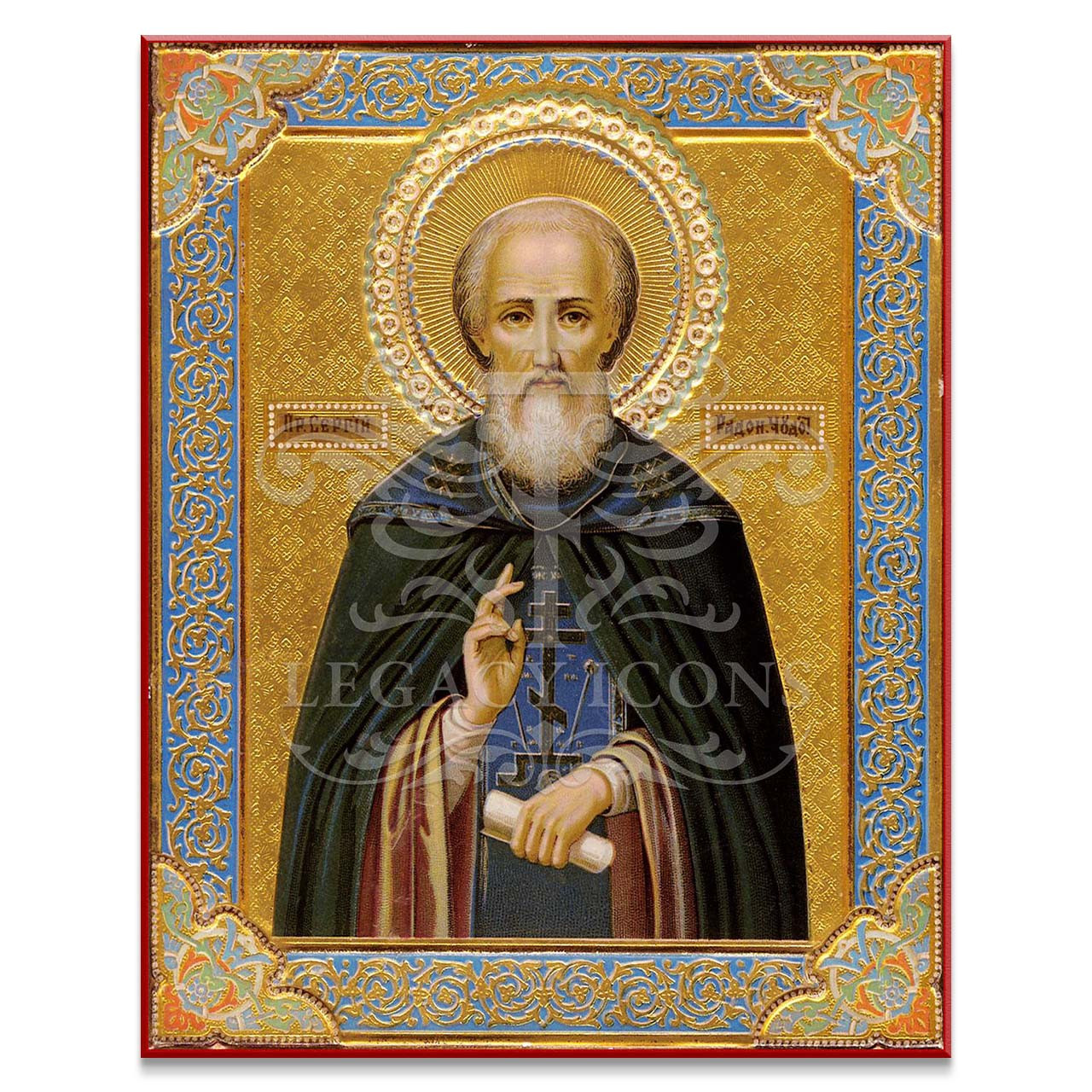
Sergius of Radonezh
 (Сергий Радонежский)
Spiritual father of medieval Russia who founded the Trinity Lavra of Saint Sergius and blessed Prince Dmitry Donskoy before the historic Battle of Kulikovo.
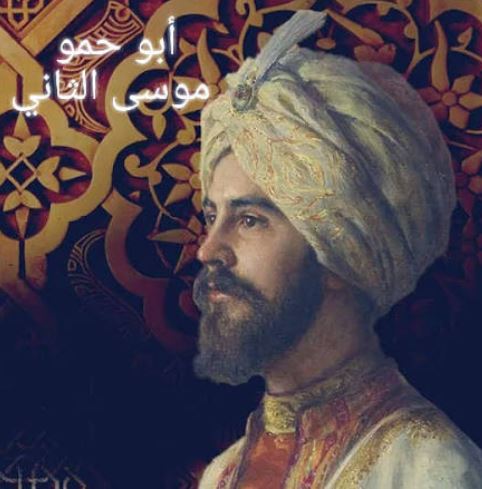
Abu Hammou Moussa II (أبو حمو موسى الثاني)
Zayyanid Sultan of Tlemcen, patron of arts and letters, celebrated poet, and author of the political treatise 'Wasitat al-Suluk', who restored Tlemcen's glory after Marinid occupations.
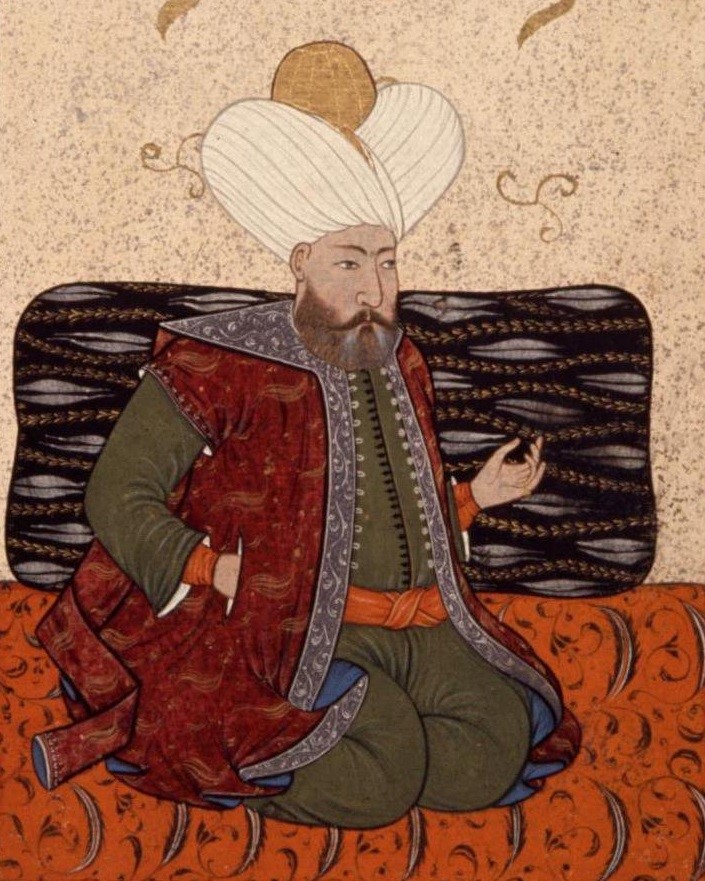
Murad I
 (مراد الأول (Hüdavendigâr))
Third Ottoman Sultan who transformed the Ottoman state into an empire, instituted the Devshirme and Janissary corps, conquered Adrianople (Edirne), and died victorious at the Battle of Kosovo in 1389.
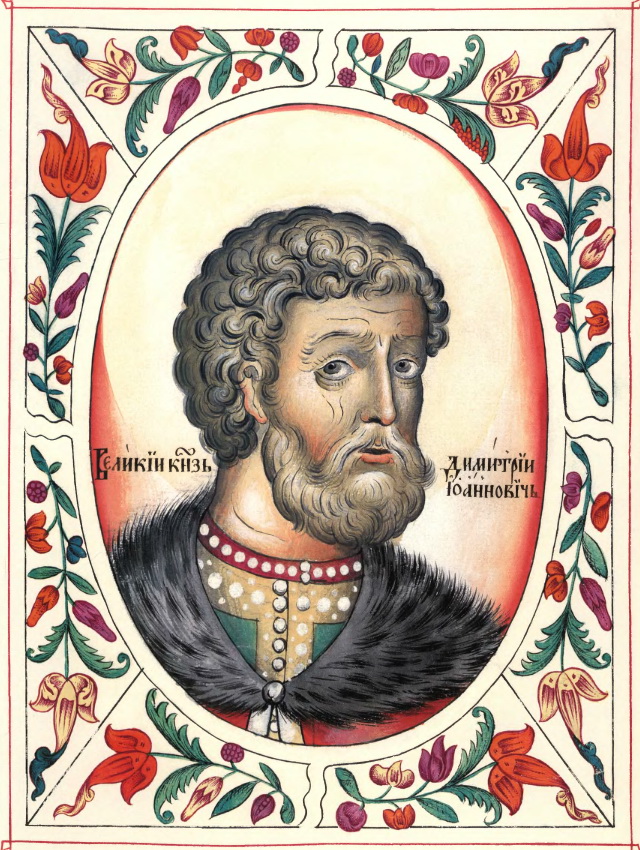
Saint Dmitry Donskoy
(Дмитрий Иванович Донской)
Grand Prince of Moscow who unified the Russian principalities and won the historic Battle of Kulikovo in 1380, breaking the myth of Tatar-Mongol invincibility.
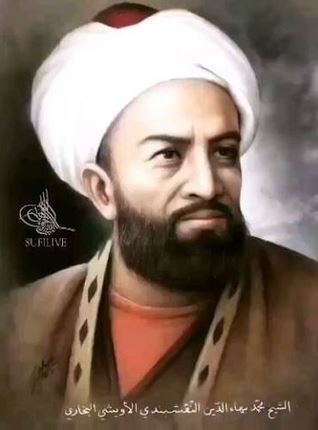
Muhammad Bahauddin Shah Naqshband (بهاء الدين نقشبند)
Founder of the Naqshbandi Sufi order whose golden principle 'Dil ba yar, dast ba kar' (Heart with God, hand in labor) established silent dhikr and active societal engagement across Eurasia.
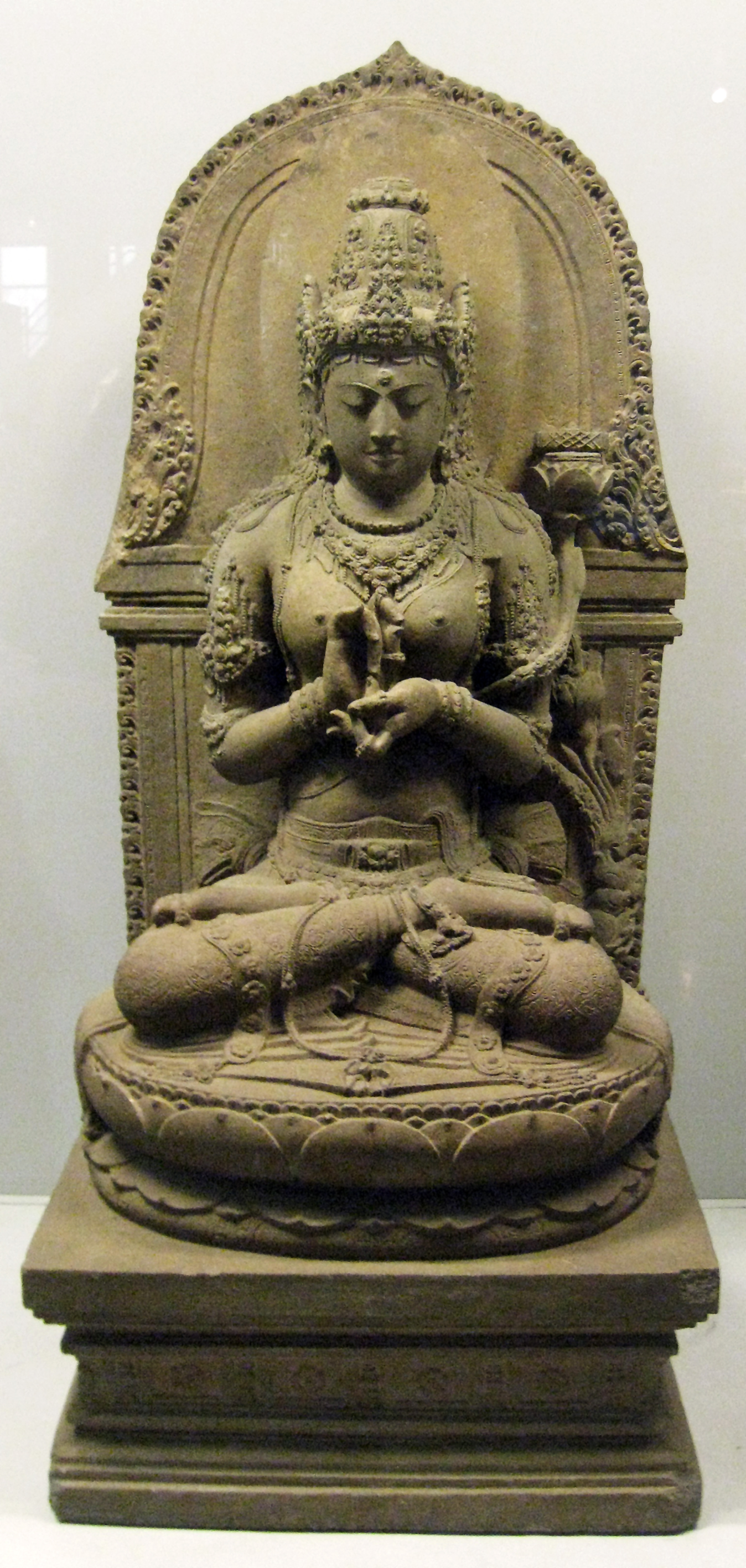
Hayam Wuruk
 (Hayam Wuruk (Sri Rajasanagara))
Fourth monarch of the Majapahit Empire whose reign alongside Prime Minister Gajah Mada represented the golden age of Indonesian maritime unity and classical Javanese culture.
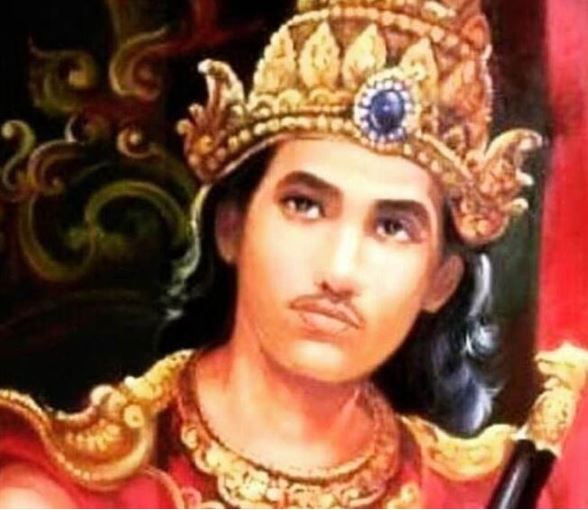
Hayam Wuruk (Sri Rajasanagara / Emperor of Majapahit)
(Hayam Wuruk (Śrī Rājasanagara))
Fourth monarch of the Majapahit Empire who, alongside Prime Minister Gajah Mada, guided Java to its golden age, uniting the entire Indonesian archipelago (Nusantara) from Sumatra to Papua under the national motto "Bhinneka Tunggal Ika" (Unity in Diversity).
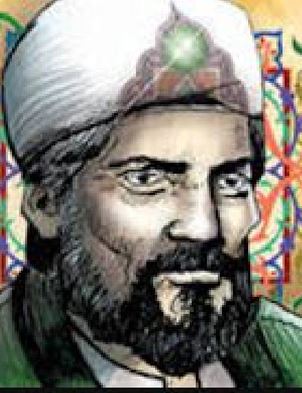
Abu Ishaq Ibrahim al-Shatibi (إبراهيم بن موسى الشاطبي)
Andalusian legal philosopher whose groundbreaking work 'Al-Muwafaqat' founded the science of Maqasid al-Shariah (higher objectives of Islamic law), emphasizing universal human welfare.
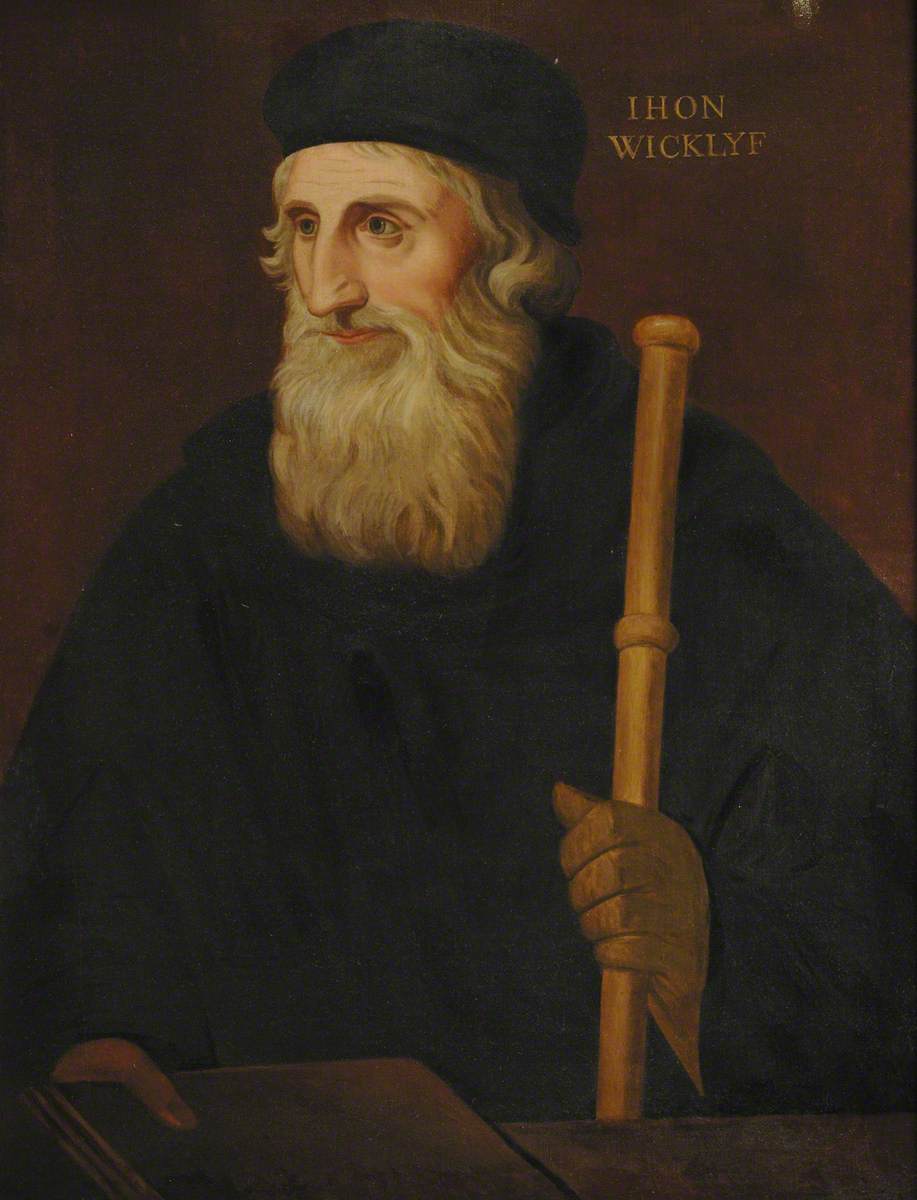
John Wycliffe
(John Wycliffe)
Oxford scholastic philosopher, theologian, and biblical translator hailed as the 'Morning Star of the Reformation' who produced the first complete English translation of the Bible.
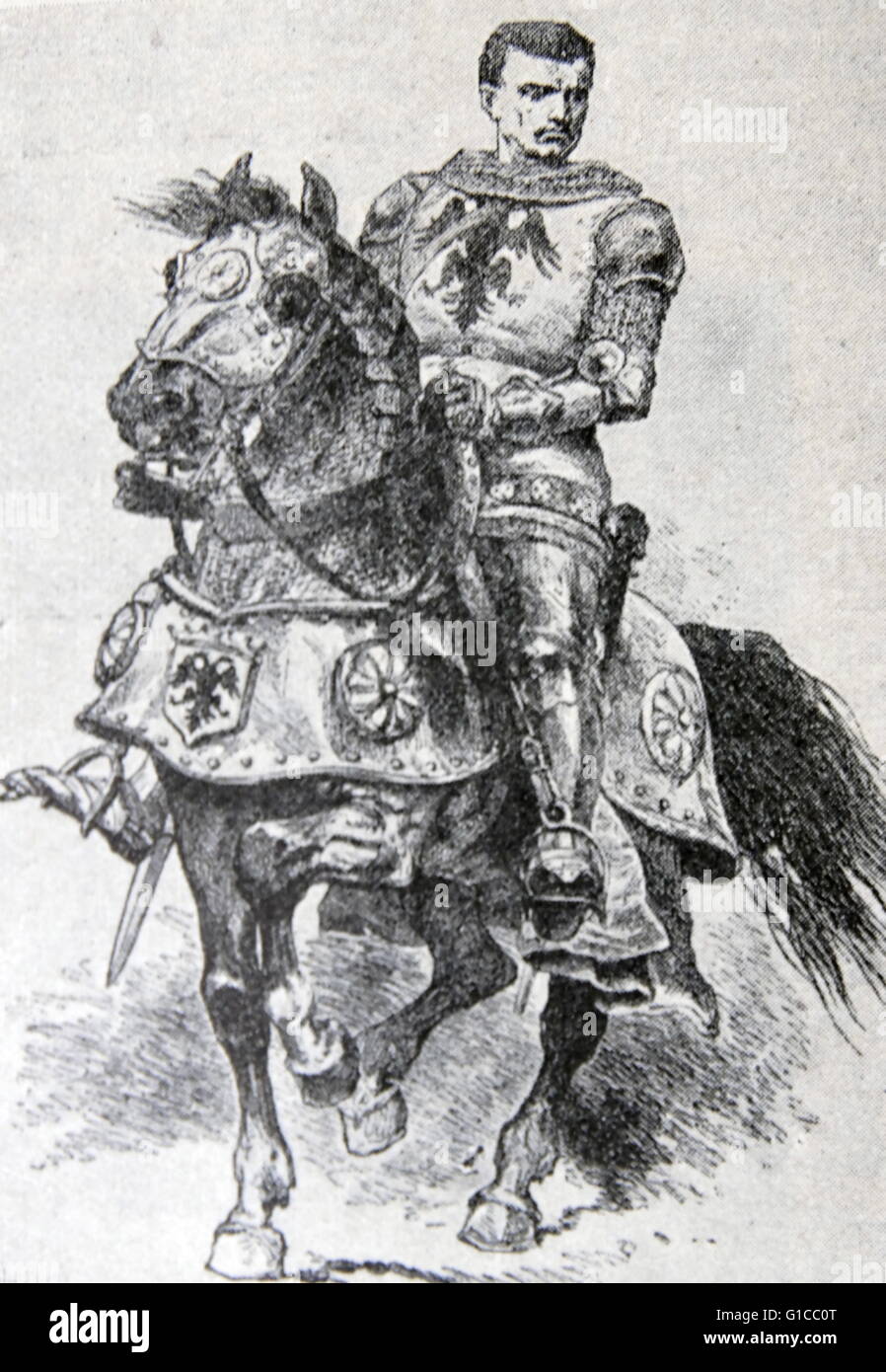
Bertrand du Guesclin (The Eagle of Brittany)
 (Bertrand du Guesclin)
Constable of France and master of Fabian guerrilla warfare who recaptured nearly all territories lost to England in the Hundred Years' War.
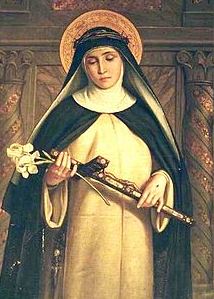
Caterina Benincasa (Caterina da Siena)
Dominican tertiary, mystic, and Doctor of the Church who boldly persuaded Pope Gregory XI to return to Rome from Avignon and authored 'The Dialogue of Divine Providence'.
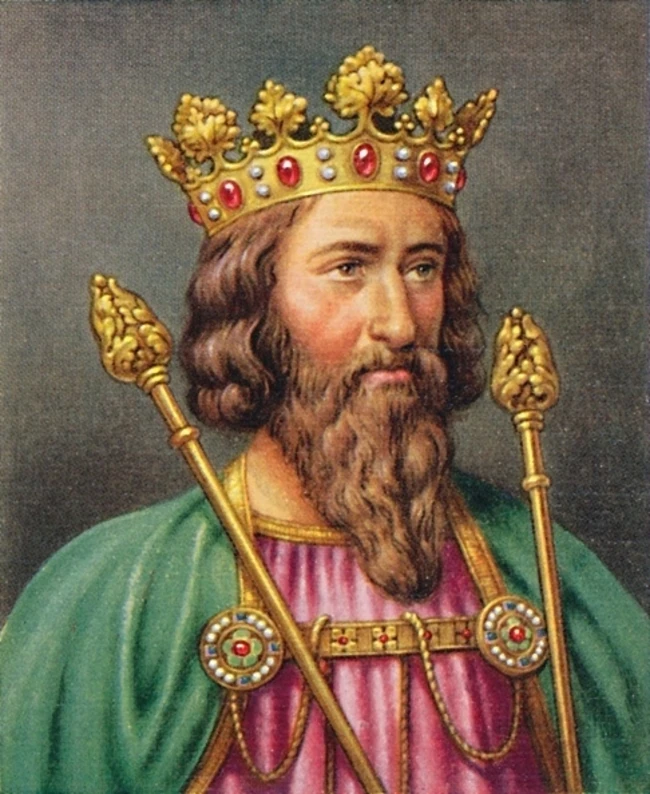
Edward III of England
(Edward of Windsor)
Plantagenet King whose fifty-year reign transformed England into a supreme military power and launched the Hundred Years' War.