Public Figures & Cultural Luminaries
Filterable archive covering centuries of intellectual, artistic, and moral contributions to the human story.
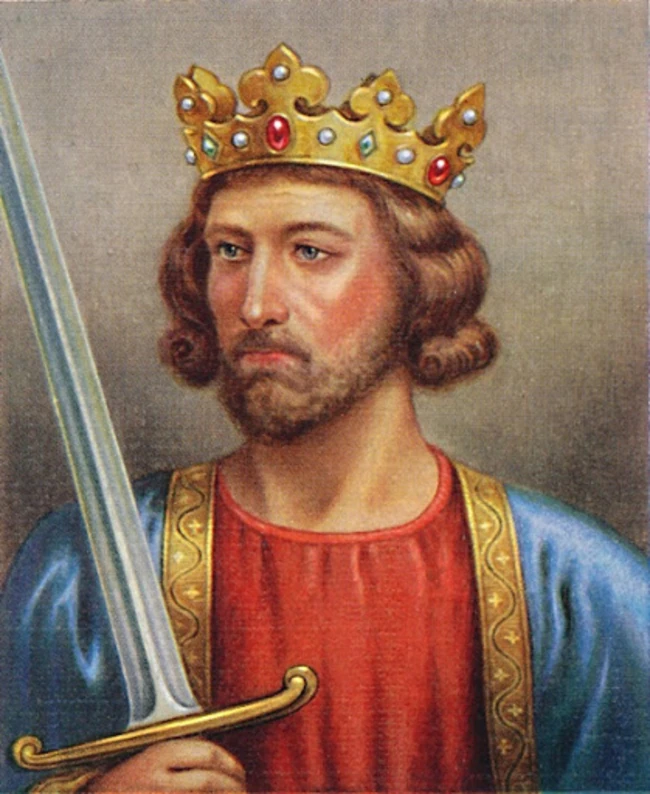
Edward I of England
 (Edward Longshanks (Hammer of the Scots))
Formidable Plantagenet King who conquered Wales, summoned the Model Parliament of 1295, and campaigned fiercely in Scotland.
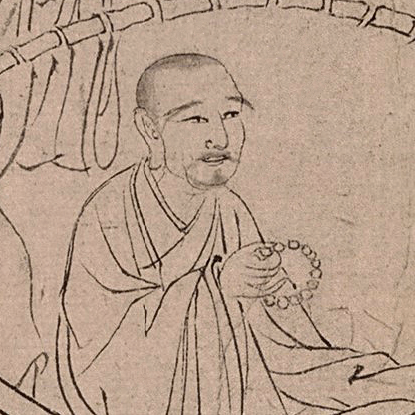
Trần Hưng Đạo (Grand Prince Hưng Đạo)
 (Trần Quốc Tuấn / Trần Hưng Đạo)
Supreme Vietnamese military commander who authored the Proclamation to the Officers and thrice defeated the Mongol Yuan Empire's invasions of Đại Việt.
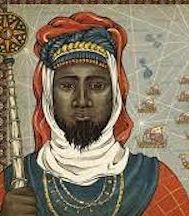
Mansa Sakura
 (Sakoura (Mansa Sakura))
Emperor of the Mali Empire (reigned c. 1285–1300) who rose from royal court bondage to seize imperial authority during a period of dynastic chaos, expanding Mali's borders to their greatest extent prior to Mansa Musa.
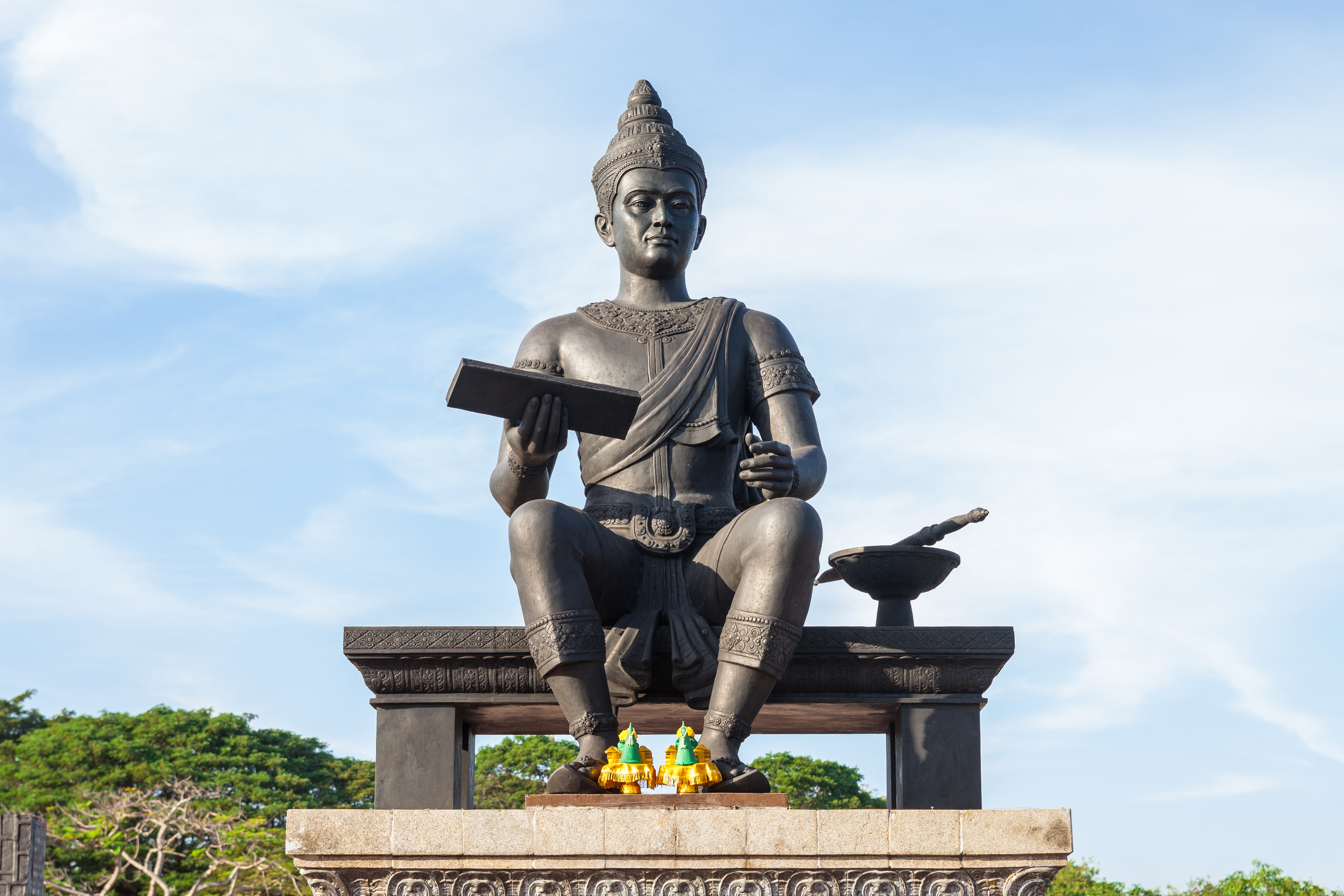
King Ramkhamhaeng
 (พ่อขุนรามคำแหงมหาราช)
Third king of the Sukhothai Kingdom known as Ramkhamhaeng the Great, who created the Thai writing system in 1283 and established the idyllic paternal 'Father Rules Children' monarchy.
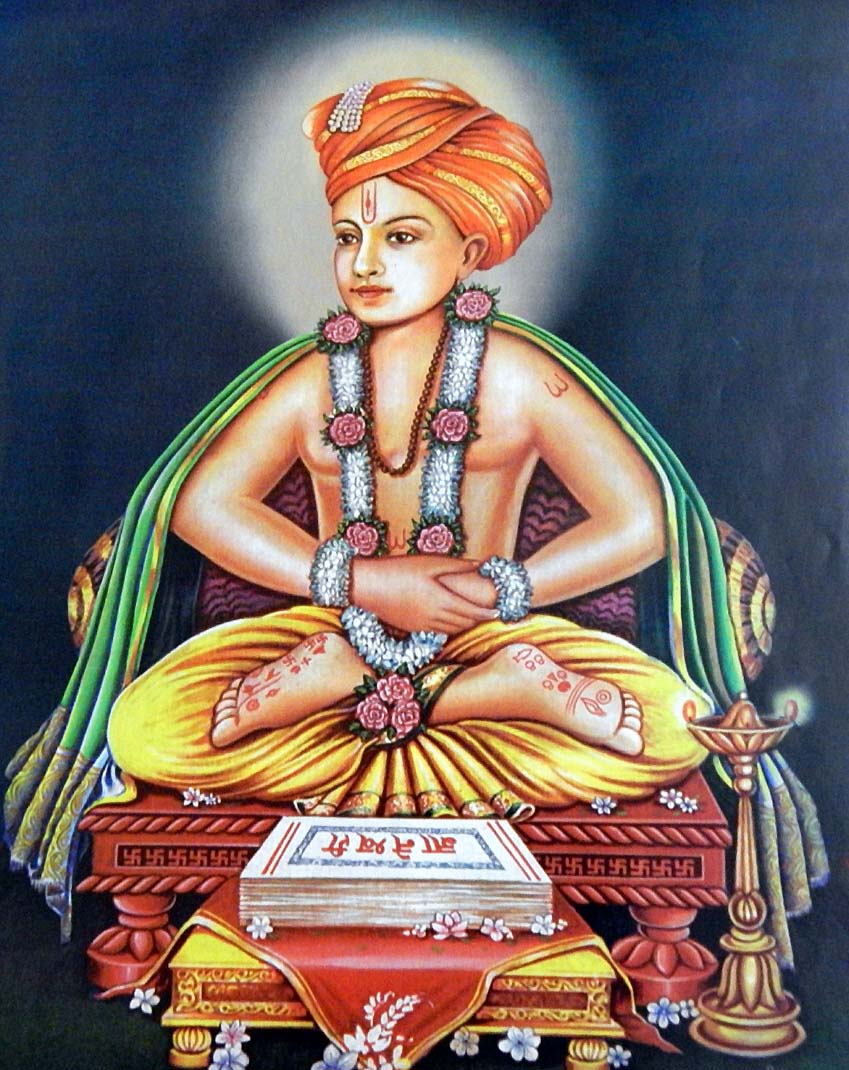
Sant Dnyaneshwar
 (संत ज्ञानेश्वर)
Brilliant 13th-century Marathi poet-philosopher and Nath yogi who translated the Bhagavad Gita into vernacular Marathi in the 9,000-verse 'Dnyaneshwari' at age fifteen, founding the egalitarian Varkari Bhakti movement.
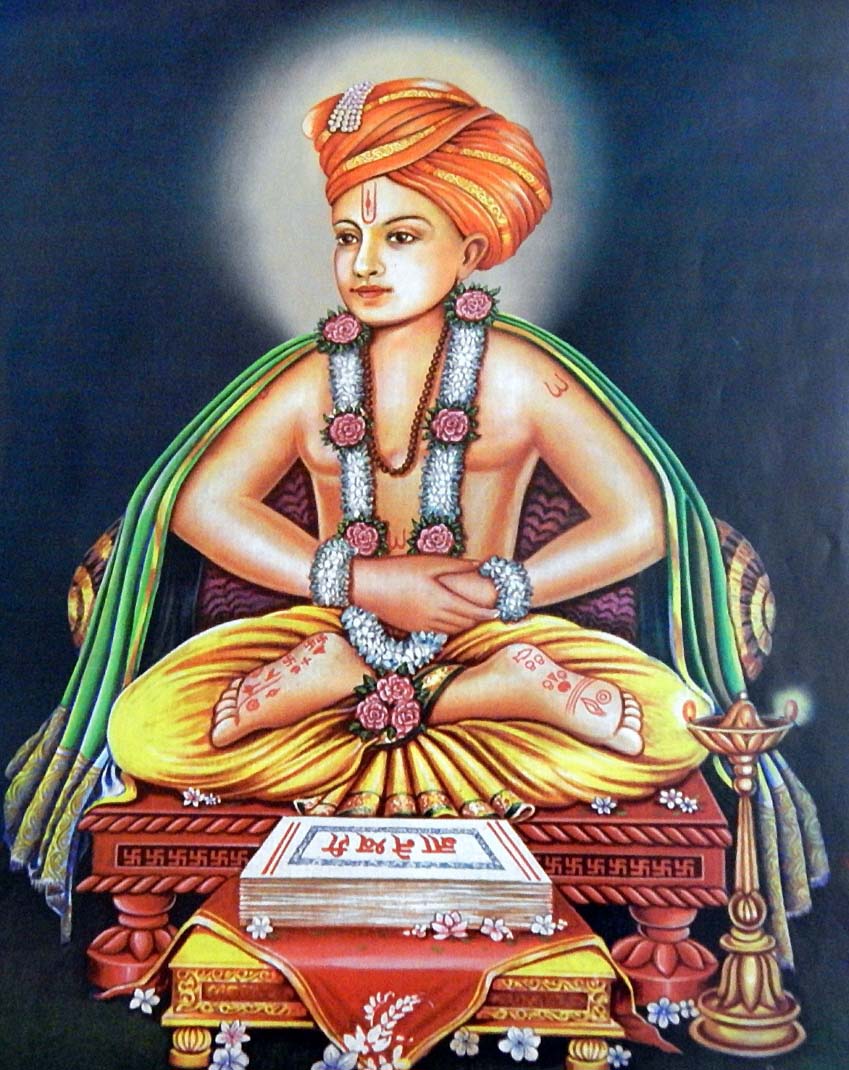
Dnyaneshwar
(ज्ञानेश्वर)
Maharashtrian Bhakti saint, poet, and Nath yogi who translated the Bhagavad Gita into vernacular Marathi in 'Dnyaneshwari' at age fifteen, founding the Varkari tradition.
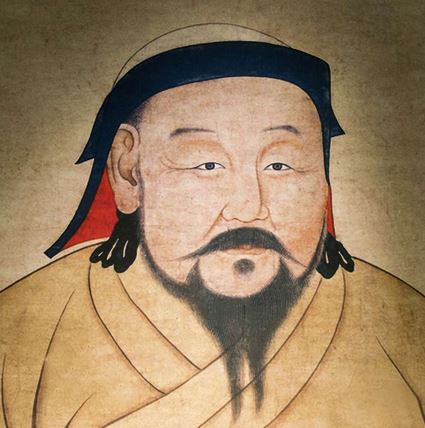
Kublai Khan (Setsen Khan / Emperor Shizu of Yuan)
 (Хубилай хаан / 元世祖 忽必烈)
Grandson of Genghis Khan who completed the conquest of China, founding the Yuan Dynasty. Established modern Beijing (Dadu / Khanbaliq) as imperial capital, introduced universal paper currency (Chao), and hosted European traveler Marco Polo.
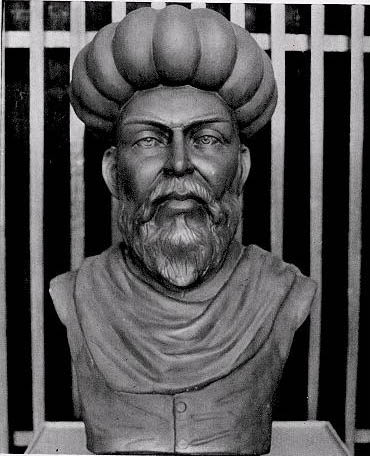
Ibn al-Nafis
 (ابن النفيس)
Islamic physician and polymath who spent his career in Cairo as Chief Physician of Egypt, celebrated for discovering the pulmonary circulation of blood three centuries before William Harvey.
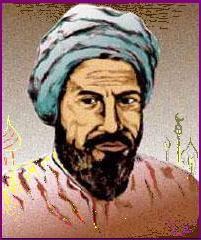
Ibn al-Nafis (Ala al-Din al-Qurashi)
(ابن النفيس (علاء الدين علي بن أبي الحزم))
Syrian-Egyptian physician and chief of Cairo's hospital who discovered pulmonary transit (lesser blood circulation) 300 years before William Harvey and Michael Servetus, refuting Galen.
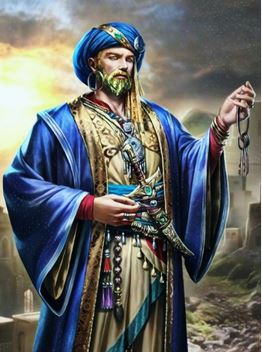
Yaghmurasen ibn Zyan
 (يغمراسن بن زيان)
Astute Zenata Berber statesman who founded the Zayyanid Kingdom of Tlemcen in 1236, fortified the Mechouar palace, and defended Algerian regional sovereignty against Marinid and Hafsid rivals for nearly half a century.
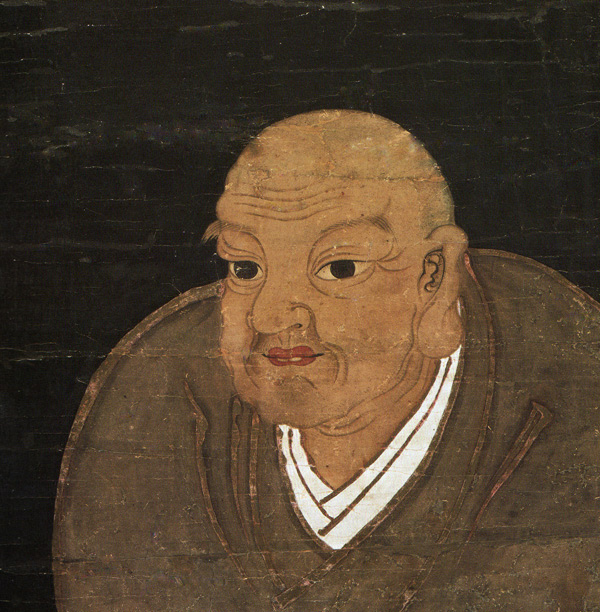
Nichiren
 (日蓮)
(日蓮)
Fiery Kamakura reformer and founder of Nichiren Buddhism who declared the Lotus Sutra the supreme teaching and established the chanting of 'Namu Myoho Renge Kyo' for personal and national peace.
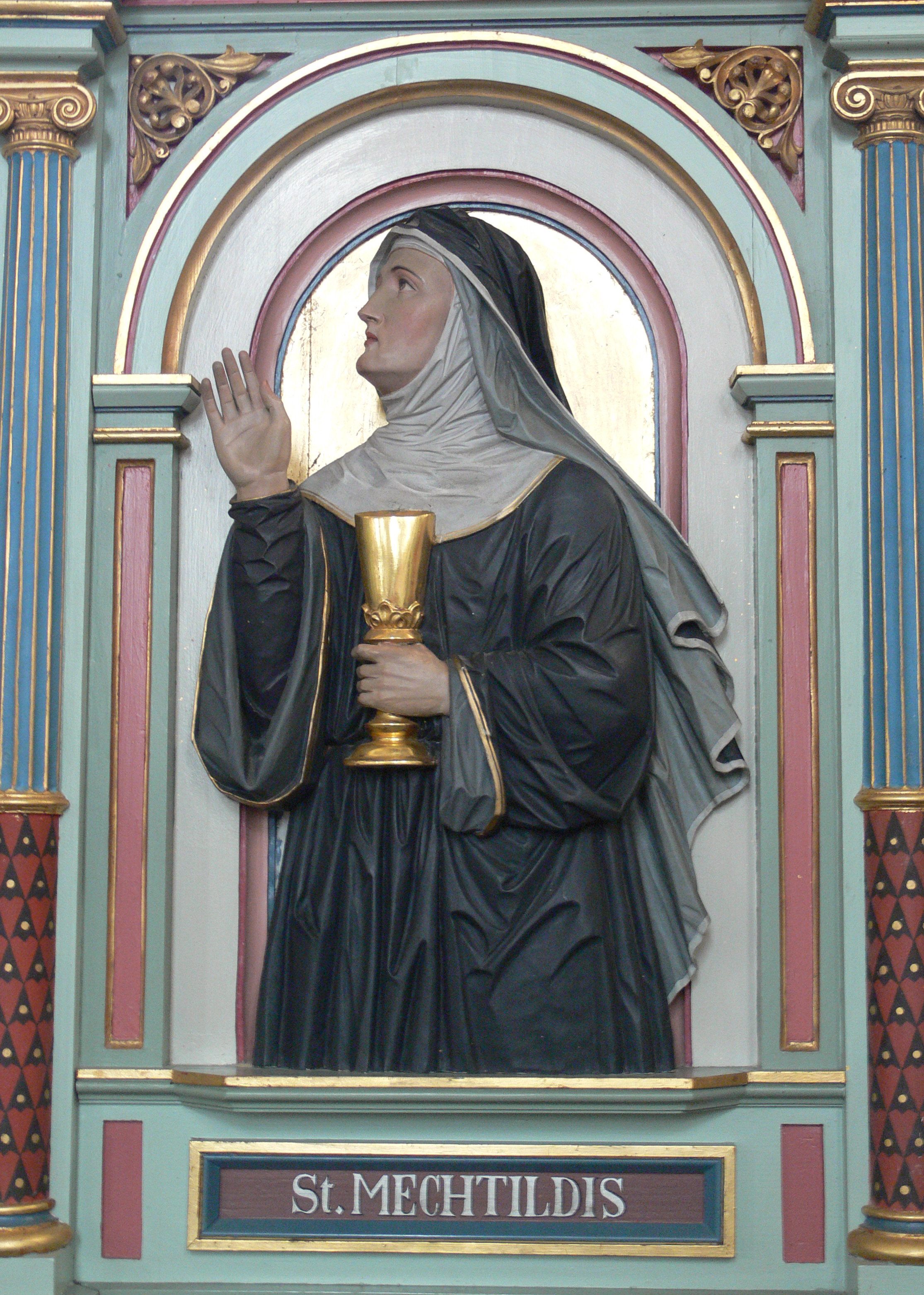
Mechthild of Magdeburg
 (Mechthild von Magdeburg)
Beguine mystic and visionary poet whose 'The Flowing Light of the Godhead' pioneered vernacular German mystical literature, expressing ecstatic Bridal Mysticism.
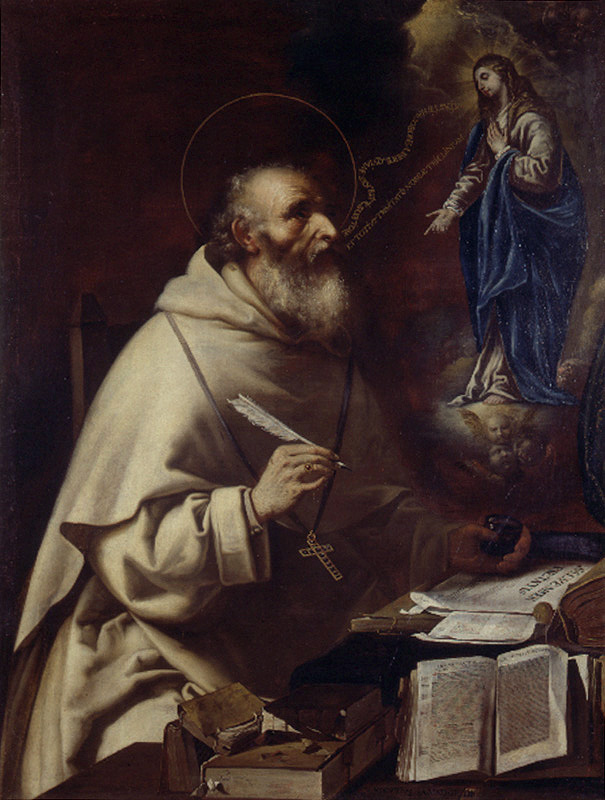
Albertus Magnus
(Albertus Magnus)
Dominican polymath, Bishop of Regensburg, and Doctor of the Church who introduced Aristotelian science to medieval Europe and mentored Thomas Aquinas.
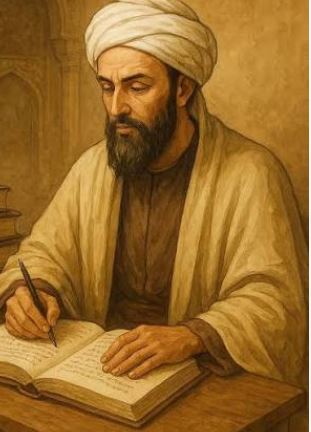
Yahya ibn Sharaf al-Nawawi
(يحيى بن شرف النووي)
Renowned Shafi'i jurist, traditionist, and ascetic author of 'The Forty Hadith', 'Riyad al-Salihin', and 'Al-Majmu', who fearlessly challenged Sultan Baibars for the rights of the poor.
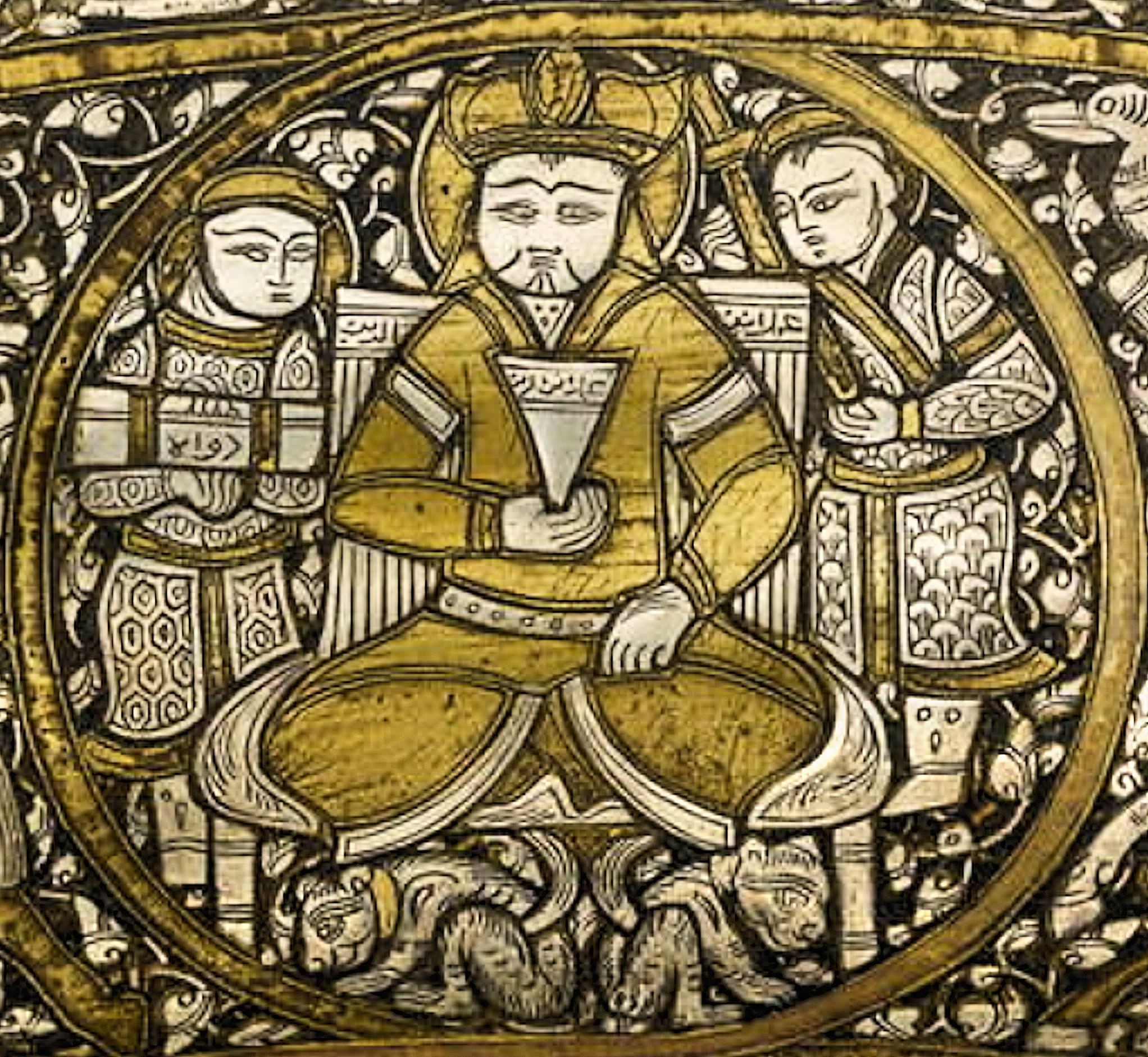
Baibars
 (الملك الظاهر ركن الدين بيبرس البندقداري)
Fourth Mamluk Sultan of Egypt and Syria who crushed King Louis IX at Fariskur, commanded the vanguard that defeated the Mongols at Ain Jalut, and dismantled Crusader castles across the Levant.
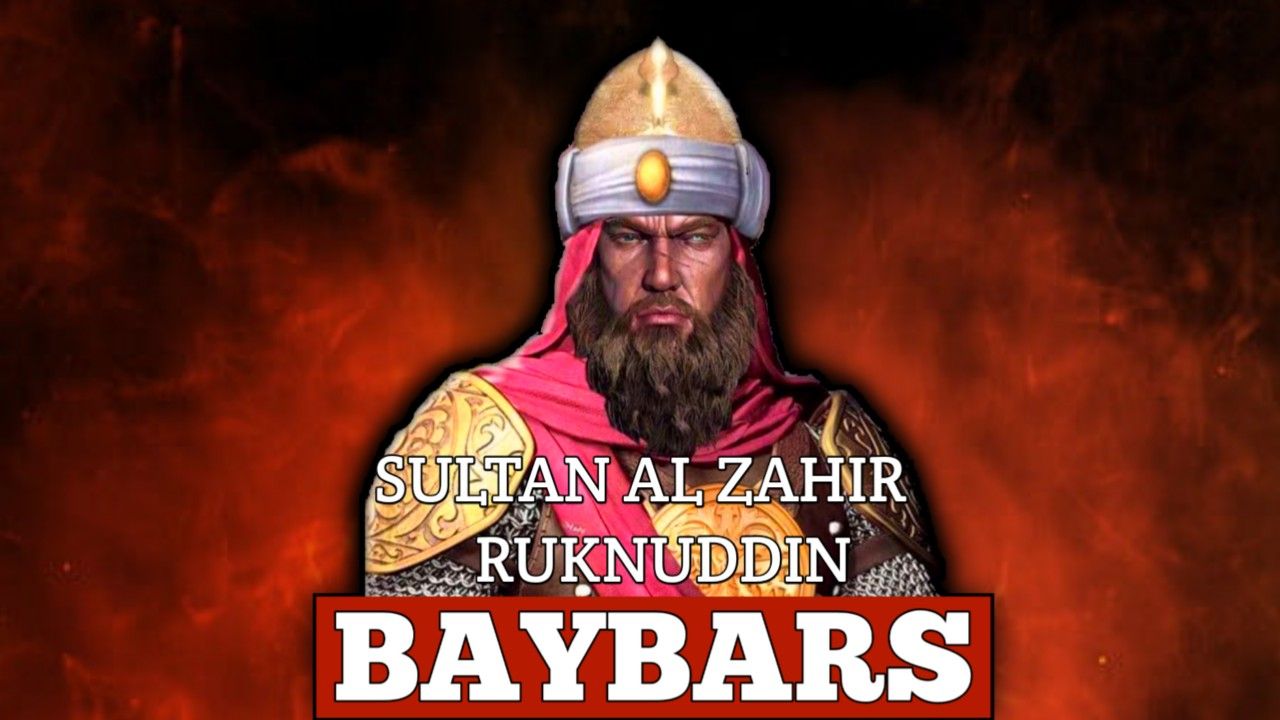
Al-Zahir Baybars
(الملك الظاهر ركن الدين بيبرس البندقداري)
Fourth Mamluk Sultan of Egypt and Syria, warrior-king who defeated the Seventh Crusade, crushed the Mongols at Ain Jalut, and dismantled Crusader kingdoms.
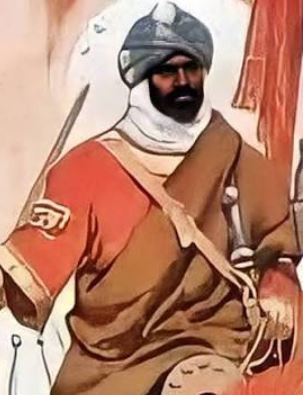
Muhammad I al-Mustansir (محمد المستنصر الحفصي)
Hafsid monarch who assumed the title of Caliph (Amir al-Mu'minin) in 1259 and successfully repelled the Eighth Crusade led by King Louis IX of France in 1270.
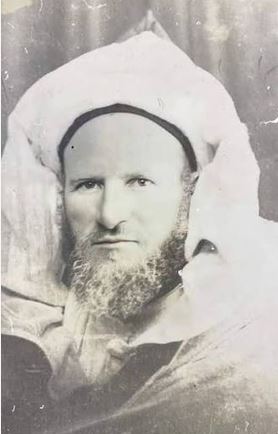
Ahmad ibn Ali al-Badawi (أحمد البدوي)
Most venerated Sufi saint of Egypt and founder of the Ahmadiyya/Badawiyya order, celebrated for his rooftop vigils in Tanta, warrior courage against Crusaders, and immense charity.