Public Figures & Cultural Luminaries
Filterable archive covering centuries of intellectual, artistic, and moral contributions to the human story.
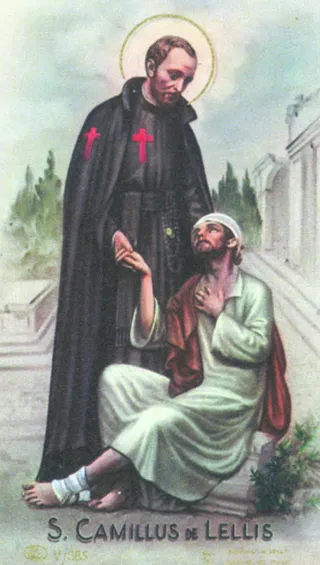
Saint Camillus de Lellis
 (Camillo de Lellis)
Prêtre italien et saint, fondateur de l'Ordre des Camilliens, inventeur des premières ambulances de guerre et pionnier de l'utilisation de la croix rouge sur les champs de bataille.
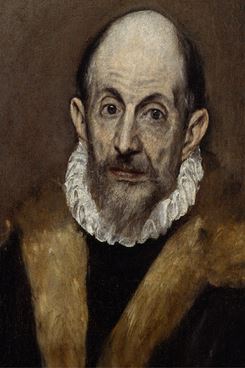
El Greco
 (Doménikos Theotokópoulos / Δομήνικος Θεοτοκόπουλος)
Visionary master of the Spanish Renaissance whose elongated figures and dramatic acid colors anticipated Expressionism.
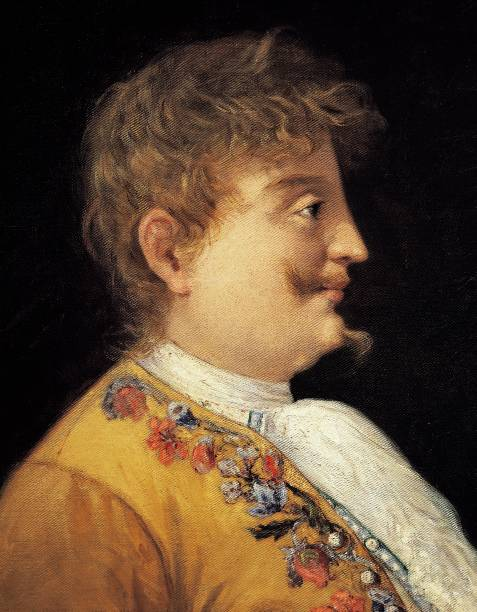
Carlo Gesualdo
(Carlo Gesualdo di Venosa)
Italian Renaissance nobleman and composer whose radical, intensely chromatic madrigals and sacred responsories anticipated modern harmony by three centuries.
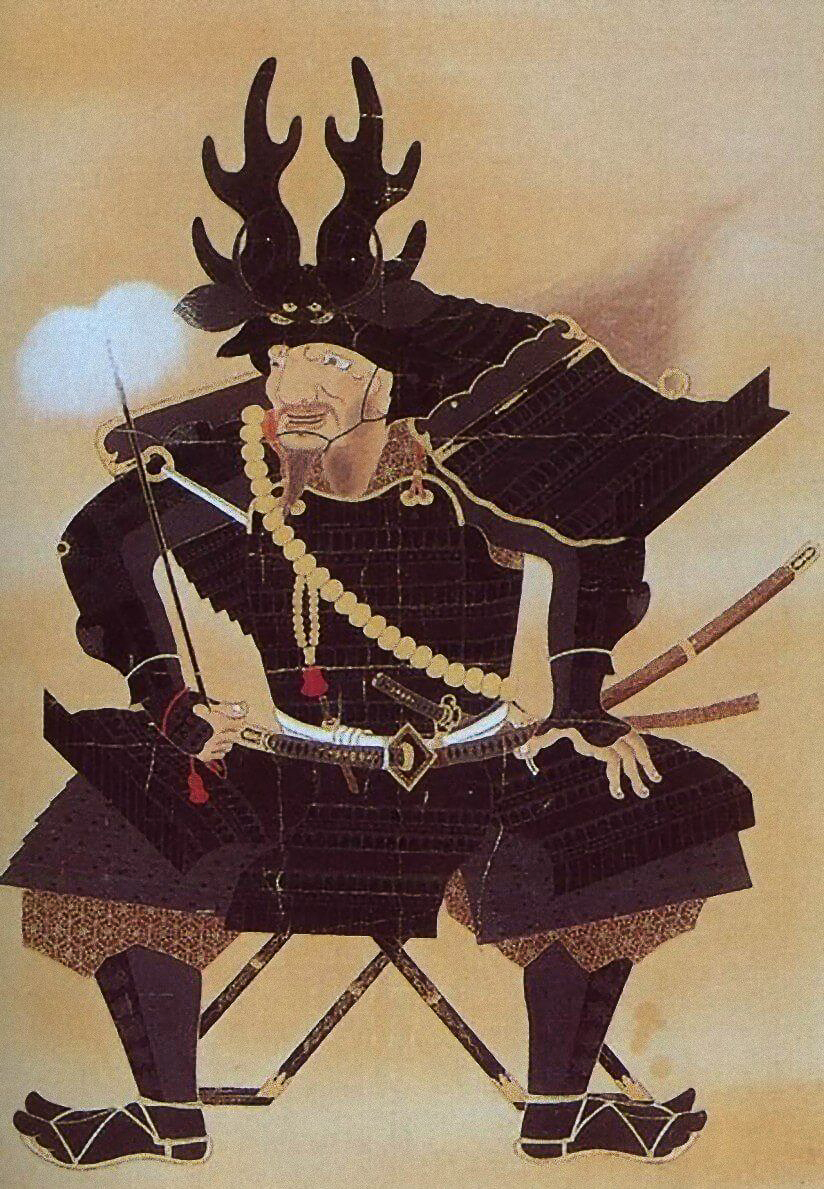
Honda Tadakatsu
 (本多 忠勝)
Fabled Japanese samurai warrior and general of Tokugawa Ieyasu, one of the 'Four Heavenly Kings of the Tokugawa', who fought in over fifty-seven battles without ever receiving a significant wound.
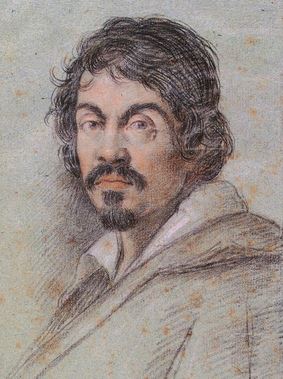
Michelangelo Merisi da Caravaggio
(Michelangelo Merisi)
Revolutionary Italian Baroque painter who electrified Europe by casting dramatic spotlight beams through pitch-black shadows (tenebrism) and depicting saints and martyrs with unsparing, gritty plebeian realism.
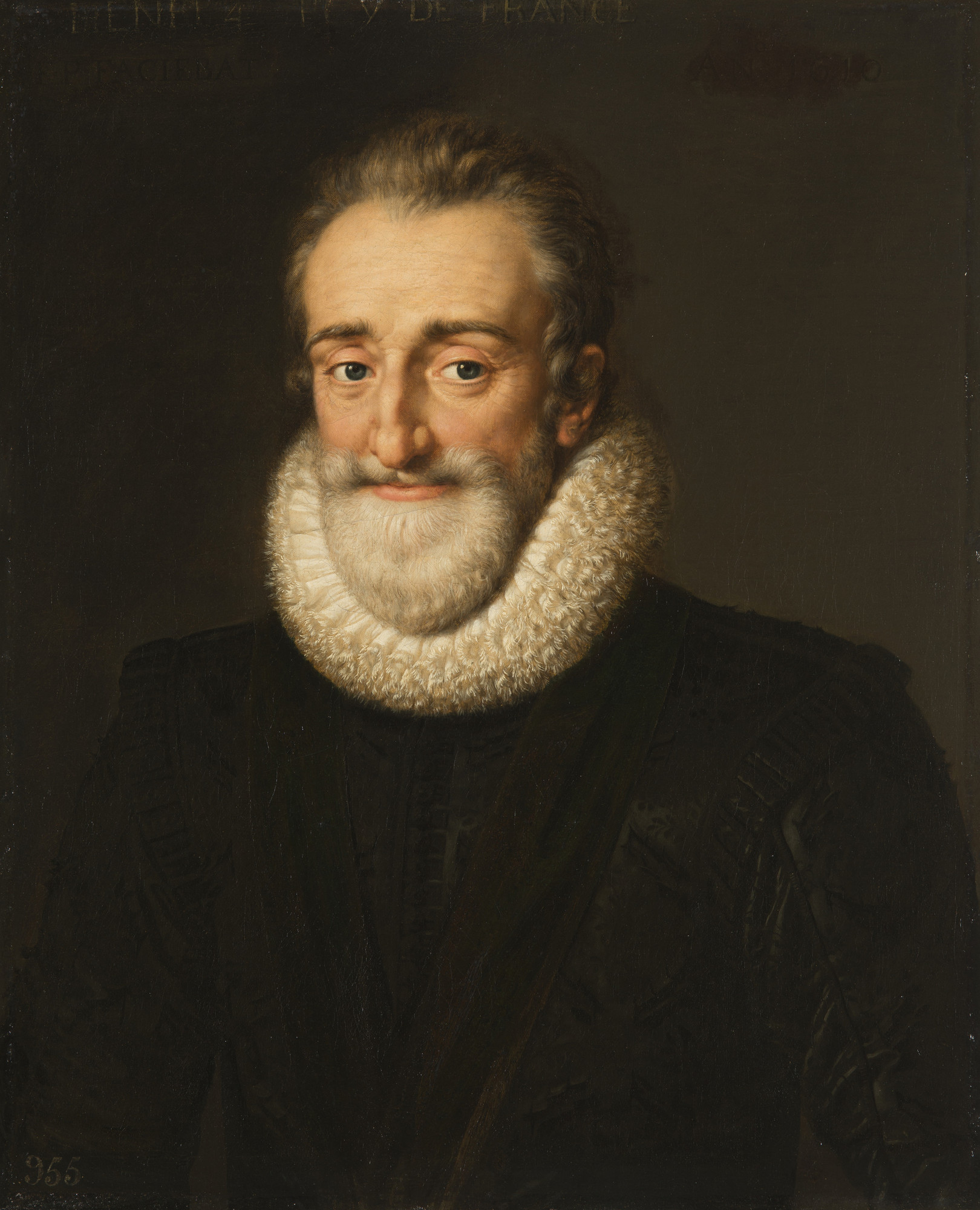
Henry IV of France (Good King Henry)
 (Henri IV (Le Vert Galant))
First Bourbon King of France who ended the Wars of Religion by issuing the Edict of Nantes and promised 'a chicken in every pot'.
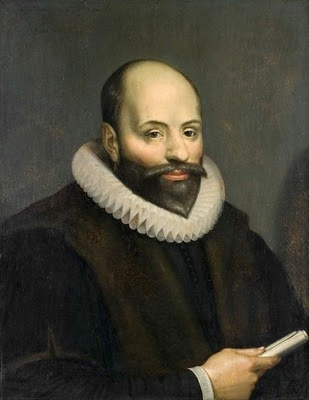
Jacobus Arminius
 (Jacobus Arminius)
Dutch Reformed theologian and professor at Leiden University whose challenge to strict Calvinist predestination founded Arminianism, affirming human free will and conditional election.
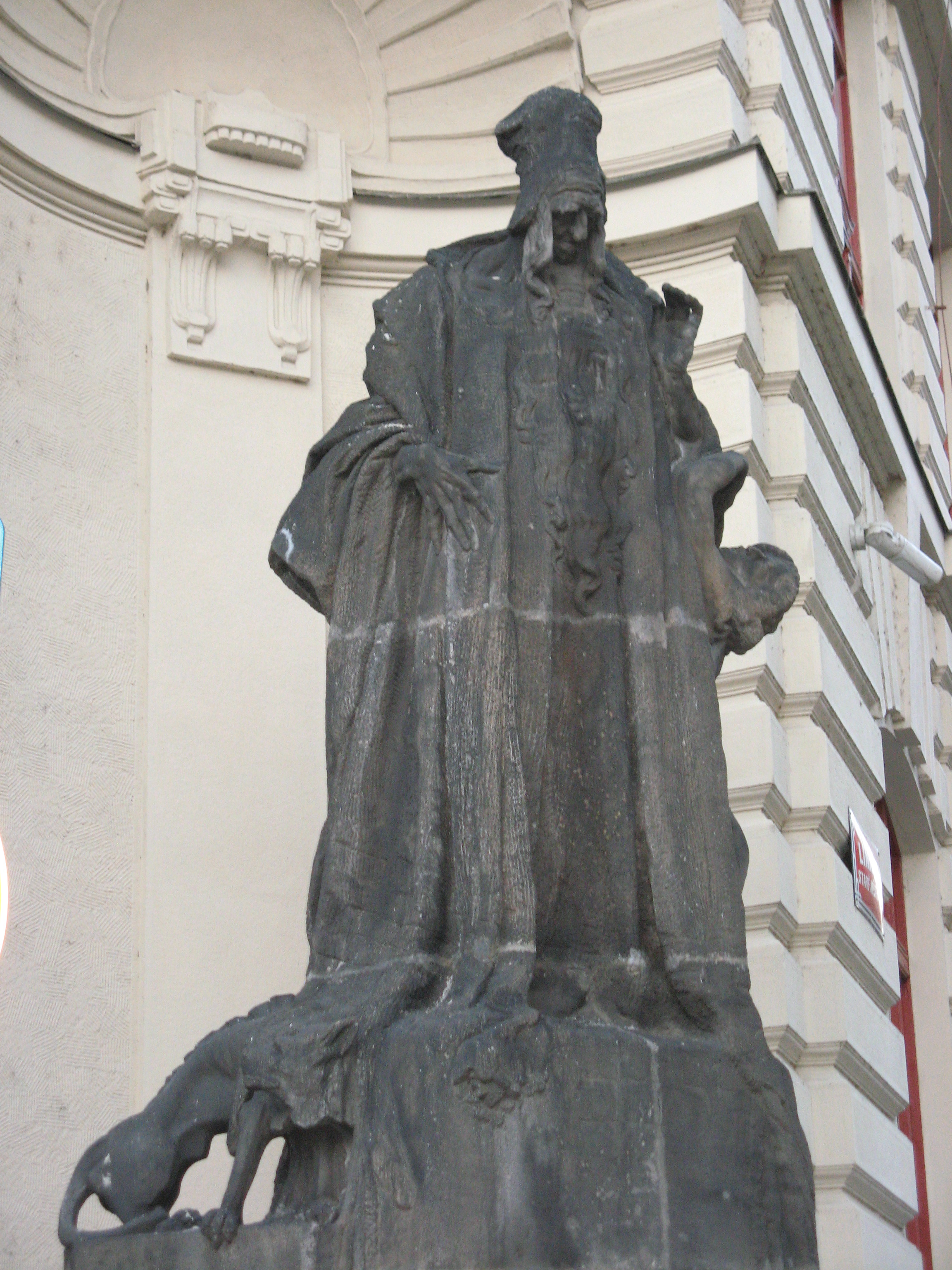
Judah Loew ben Bezalel
 (יהודה ליווא בן בצלאל)
Towering Central European talmudist, philosopher, and mystic legendary for the creation of the Golem and celebrated for his profound dialectical philosophy of Torah and nature.
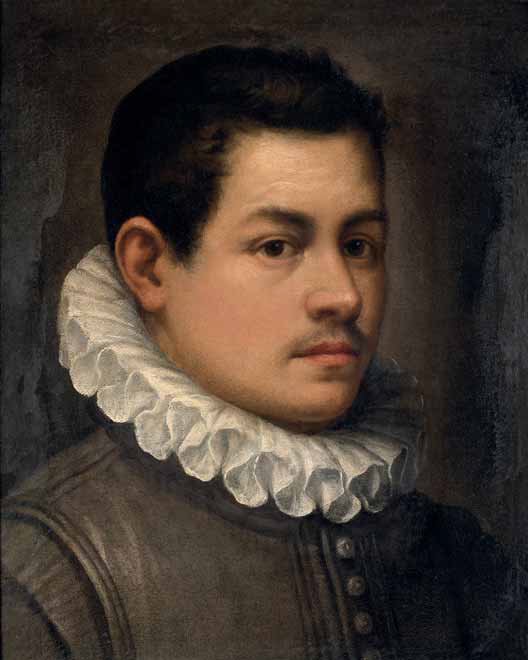
Annibale Carracci
(Annibale Carracci)
Co-founder of the Bolognese Carracci Academy and creator of the monumental Farnese Gallery ceiling in Rome, whose fusion of Michelangelo and Raphael founded the Baroque grand style.
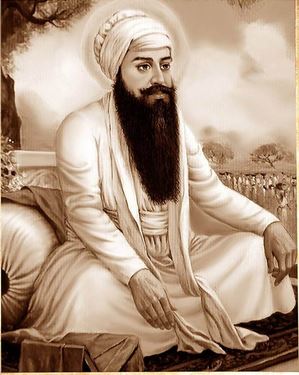
Guru Arjan Dev Ji (Fifth Sikh Guru)
 (ਗੁਰੂ ਅਰਜਨ ਦੇਵ)
Fifth Sikh Guru who designed and constructed the Harmandir Sahib (Golden Temple) in Amritsar with four doors welcoming all directions. Compiled the sacred Adi Granth and was martyred on burning sand for refusing to compromise religious truth.
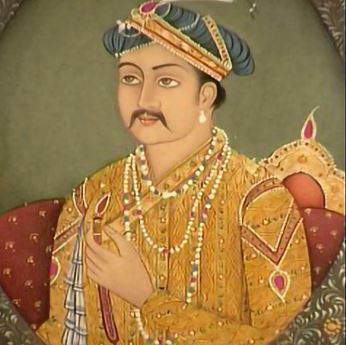
Jalal-ud-din Muhammad Akbar (Akbar the Great)
 (جلال الدین محمد اکبر (Akbar))
Third Mughal Emperor celebrated for tripling the empire's size, abolishing the sectarian Jizya tax on non-Muslims, establishing the Ibadat Khana interfaith debate hall, and promoting the doctrine of universal harmony (Sulh-i-Kul).
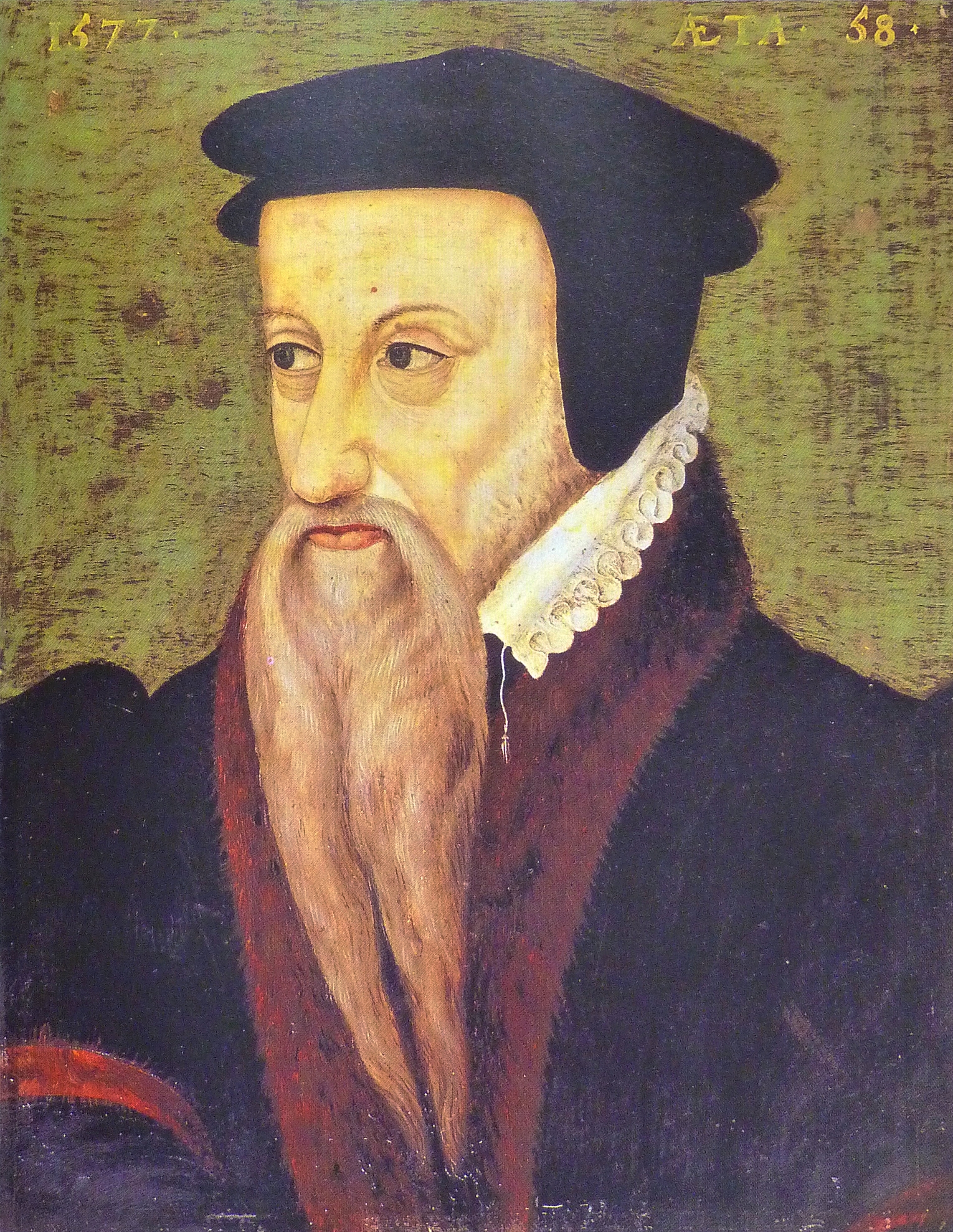
Theodore Beza
(Théodore de Bèze)
French humanist, biblical scholar, and direct successor to John Calvin as leader of Geneva whose critical Greek New Testament texts laid the textual foundation for the King James Bible.
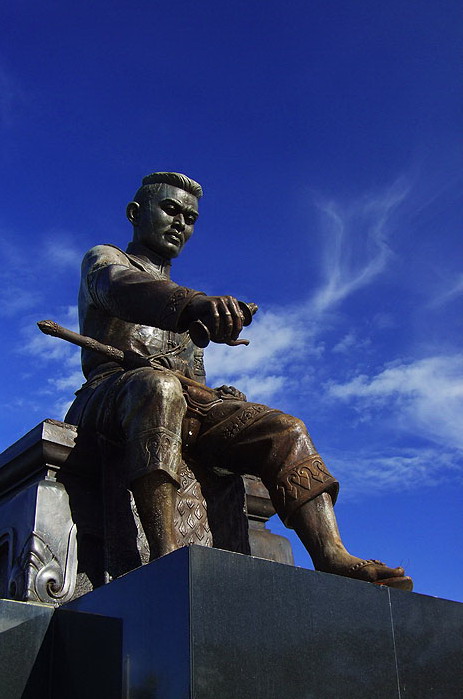
King Naresuan the Great
 (สมเด็จพระนเรศวรมหาราช)
King of the Ayutthaya Kingdom celebrated as Siam's greatest warrior monarch, who liberated Siam from Burmese vassalage and won the legendary elephant duel at Nong Sarai in 1593.
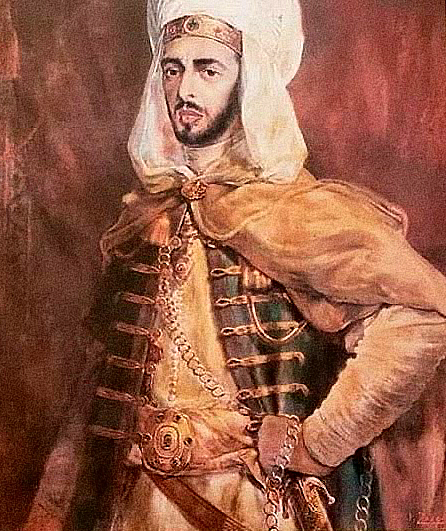
Ahmad al-Mansur
 (أحمد المنصور السعدي (الذهبي))
Glorious Saadian Sultan of Morocco known as 'Al-Dhahabi' (The Golden), who triumphed at the historic Battle of the Three Kings in 1578, conquered the Songhai Empire in Timbuktu, and constructed the opulent El Badi Palace.
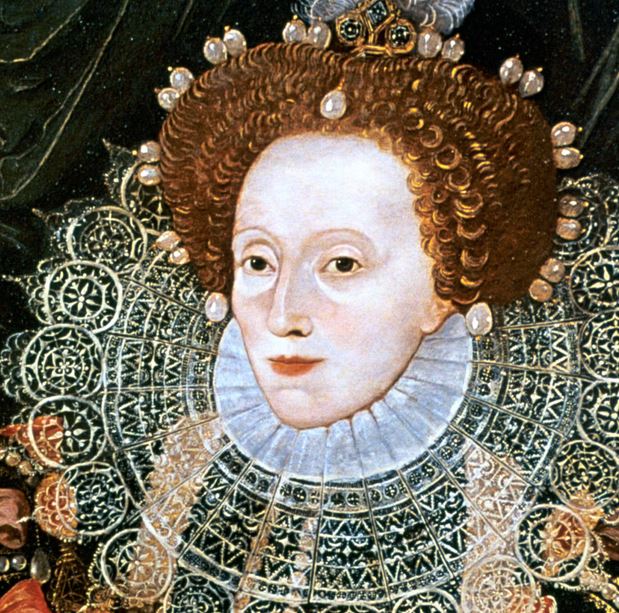
Elizabeth I (The Virgin Queen / Gloriana)
 (Elizabeth I of England)
Tudor monarch who ruled England for forty-four years during the Elizabethan Golden Age. Consolidated the Church of England, defeated the Spanish Armada in 1588, and patronized the flourishing Renaissance of William Shakespeare and Christopher Marlowe.
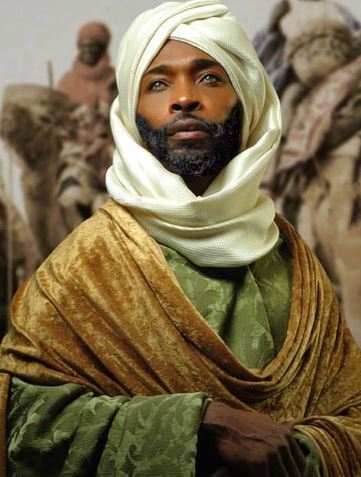
Idris Alooma (Idris Alooma (Mai of Kanem-Bornu))
Renowned Mai (Emperor) of the Kanem-Bornu Empire who modernized his army with Ottoman firearms, camel cavalry, and established legal and administrative reforms based on Islamic law.
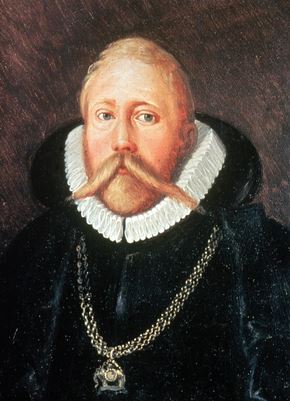
Tycho Brahe
 (Tycho Brahe)
Danish nobleman and astronomer whose palace-observatory Uraniborg compiled thirty years of naked-eye astronomical data of unprecedented precision, shattering Aristotelian immutable celestial spheres.
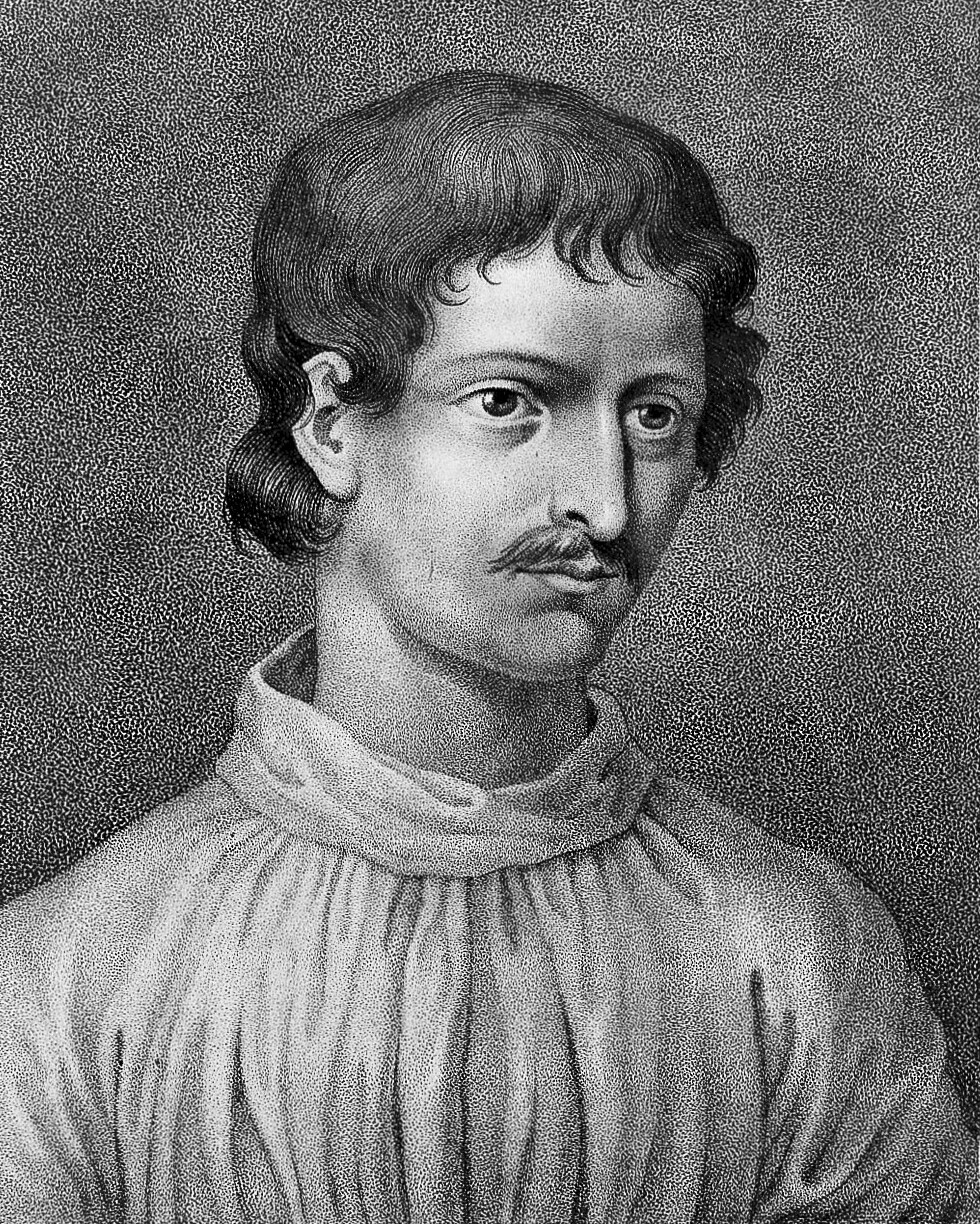
Giordano Bruno
(Giordano Bruno)
Italian cosmological visionary and philosopher who envisioned an infinite universe filled with countless inhabited solar systems.