Public Figures & Cultural Luminaries
Filterable archive covering centuries of intellectual, artistic, and moral contributions to the human story.
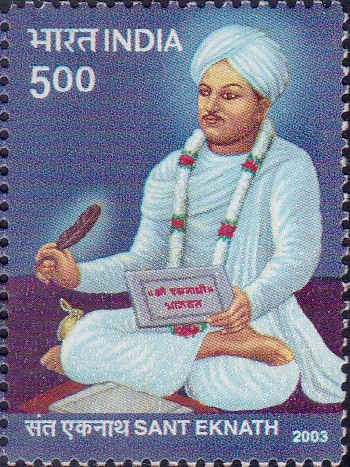
Sant Eknath
 (संत एकनाथ)
Major Marathi Bhakti saint, scholar, and social reformer who restored the Dnyaneshwari and preached radical compassion across caste boundaries.
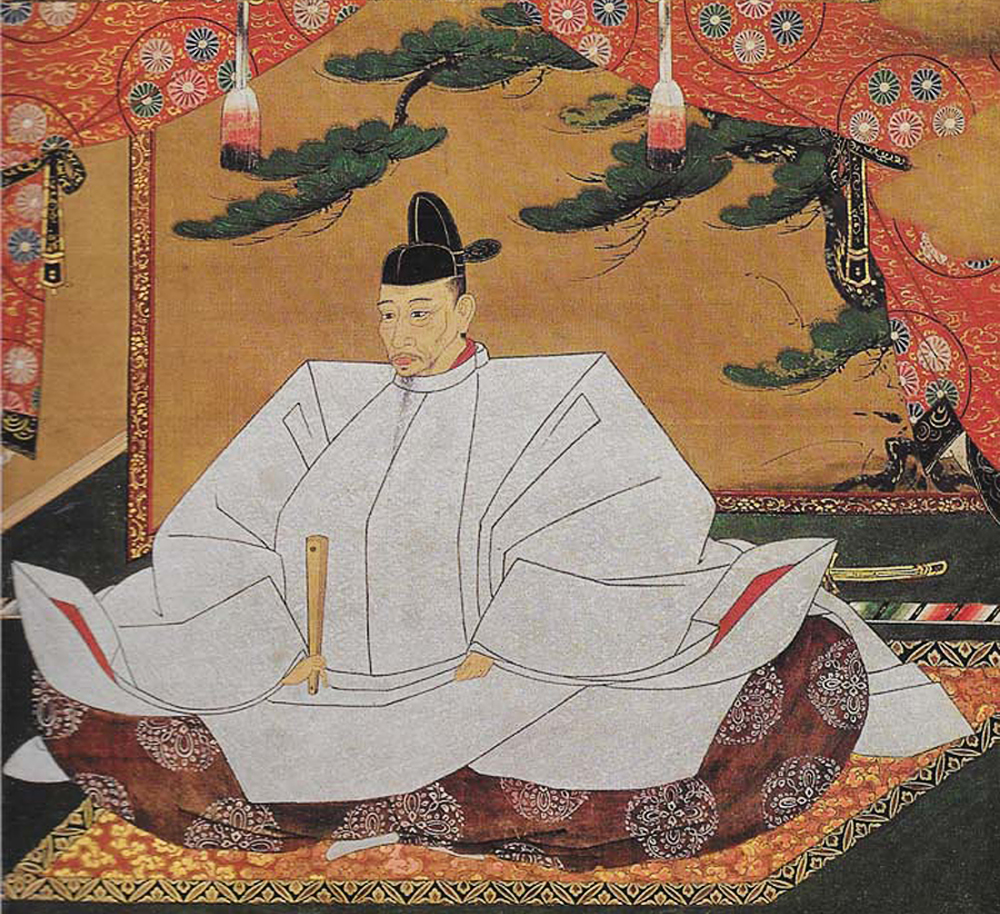
Toyotomi Hideyoshi
 (豊臣秀吉)
Second of the 'Three Great Unifiers' of Japan who rose from peasant foot-soldier to Imperial Regent (Kampaku), unifying feudal Sengoku Japan.
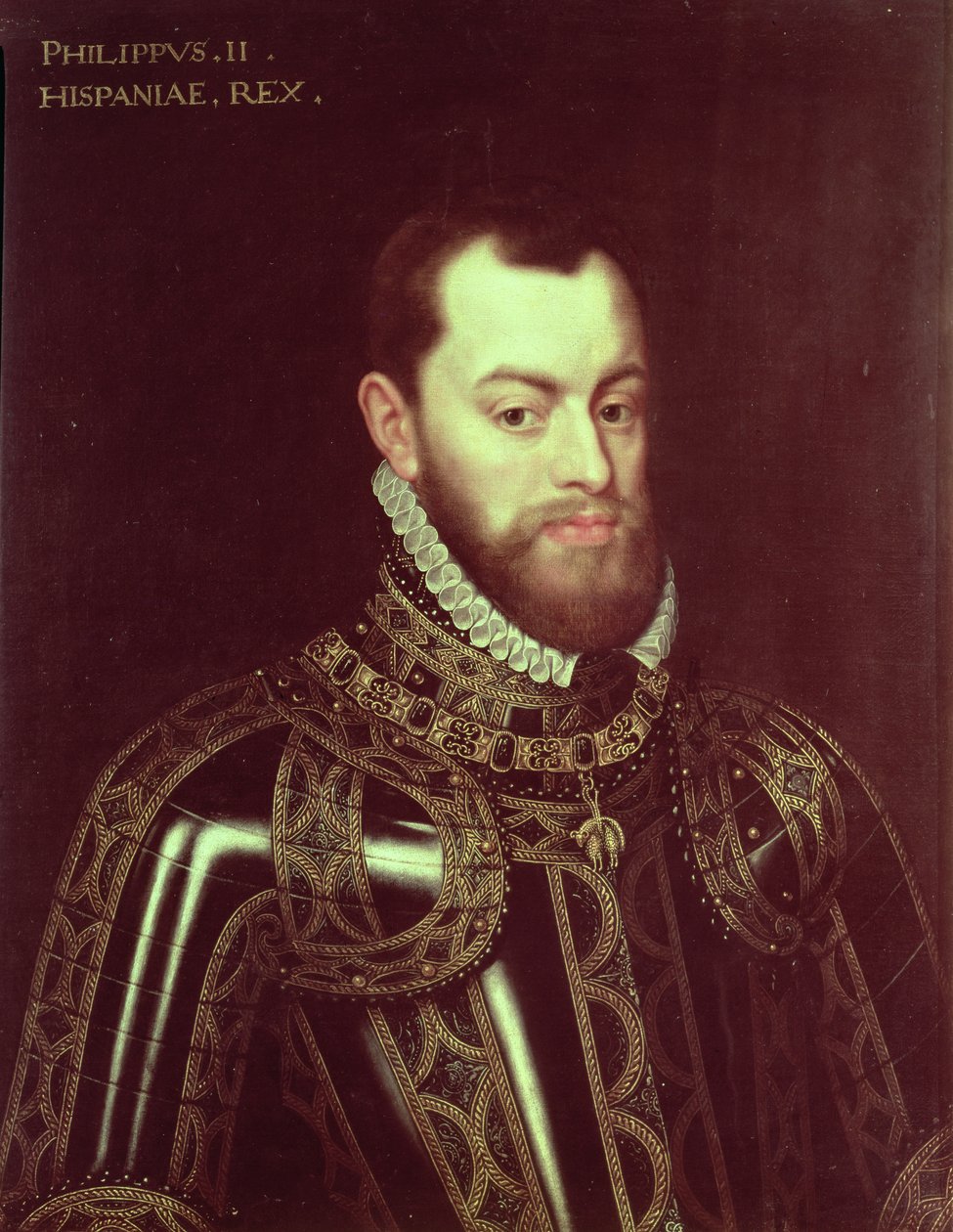
Philip II of Spain
 (Felipe II de España (El Prudente))
King of Spain during its Golden Age, champion of the Counter-Reformation, builder of El Escorial, and ruler of the Iberian Union.
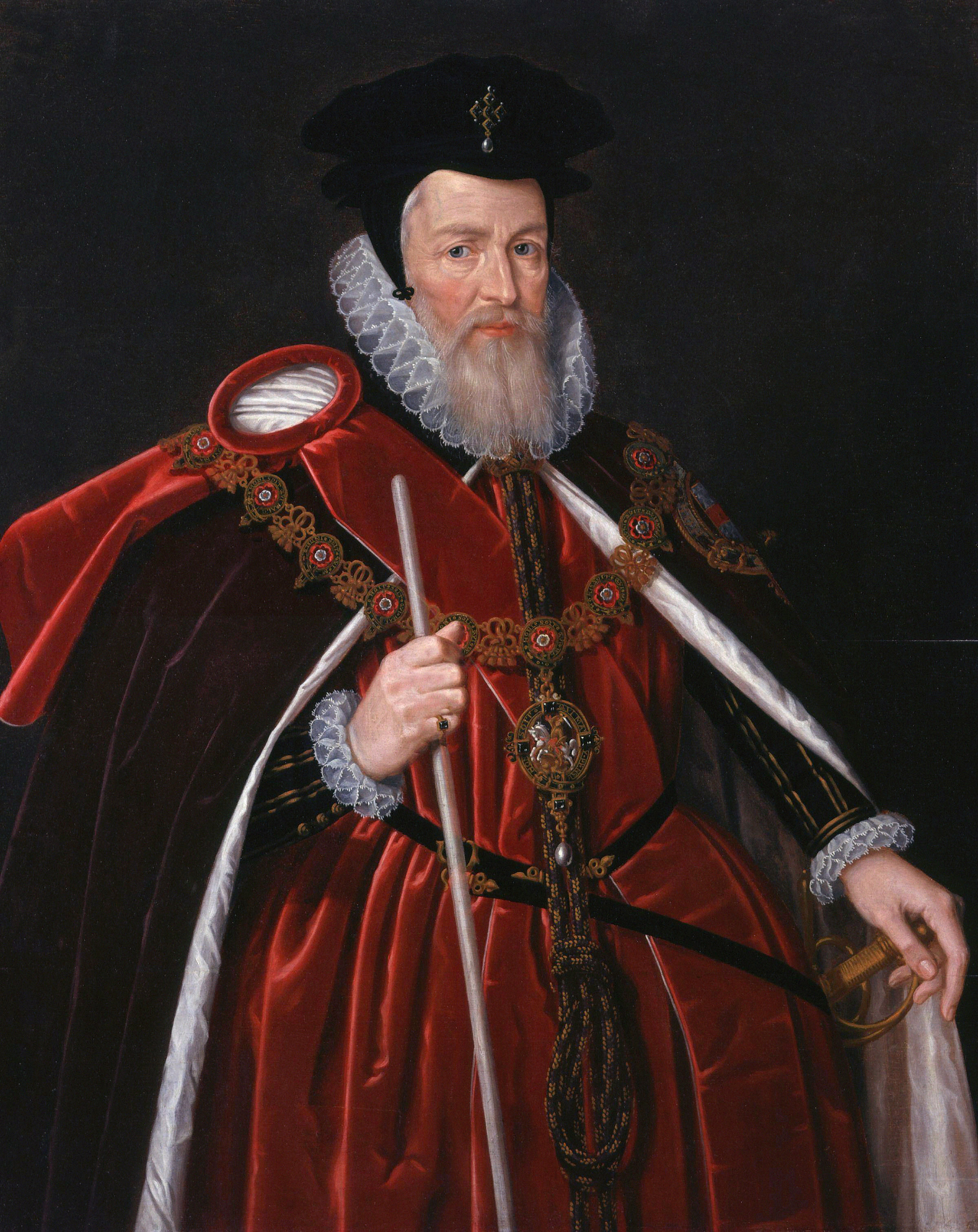
William Cecil, 1st Baron Burghley
 (William Cecil, 1st Baron Burghley)
Chief advisor and Lord High Treasurer to Queen Elizabeth I for forty years, masterminding Elizabethan religious settlement, fiscal stability, and national defense.
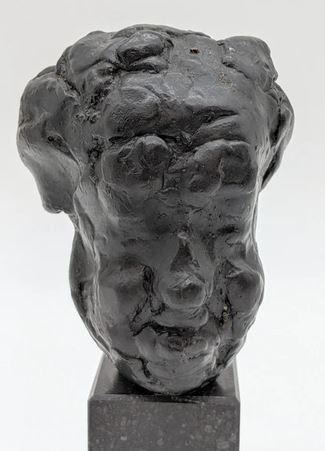
Pieter de Hondt (Petrus Canisius)
Dutch Jesuit, Doctor of the Church, and 'Second Apostle of Germany' who restored the Catholic Church across Germany, Austria, and Switzerland through three master catechisms.
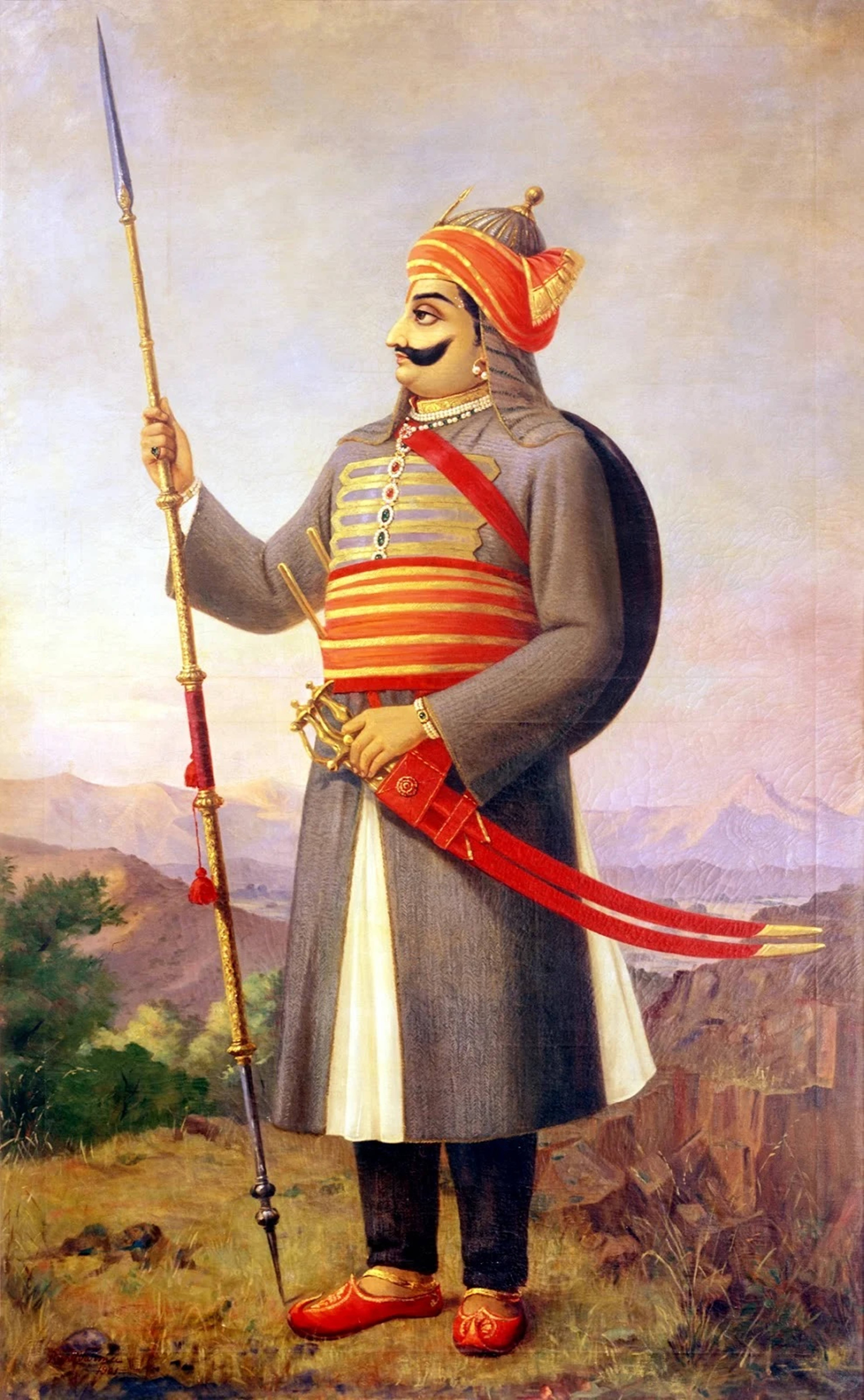
Maharana Pratap
(महाराणा प्रताप सिंह)
Thirteenth king of Mewar celebrated as the supreme hero of Rajput resistance, who refused to submit to Mughal Emperor Akbar and fought the epic Battle of Haldighati in 1576 with his loyal horse Chetak.
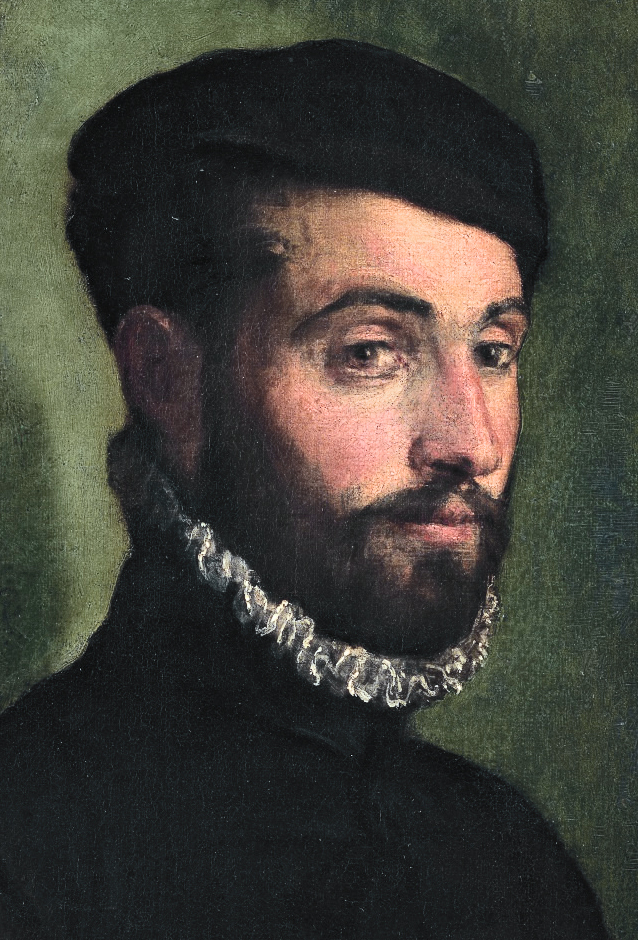
Torquato Tasso
 (Torquato Tasso)
Italian Late Renaissance poet whose heroic epic Gerusalemme Liberata (Jerusalem Delivered) fused Christian chivalric grandeur with melancholy passion.
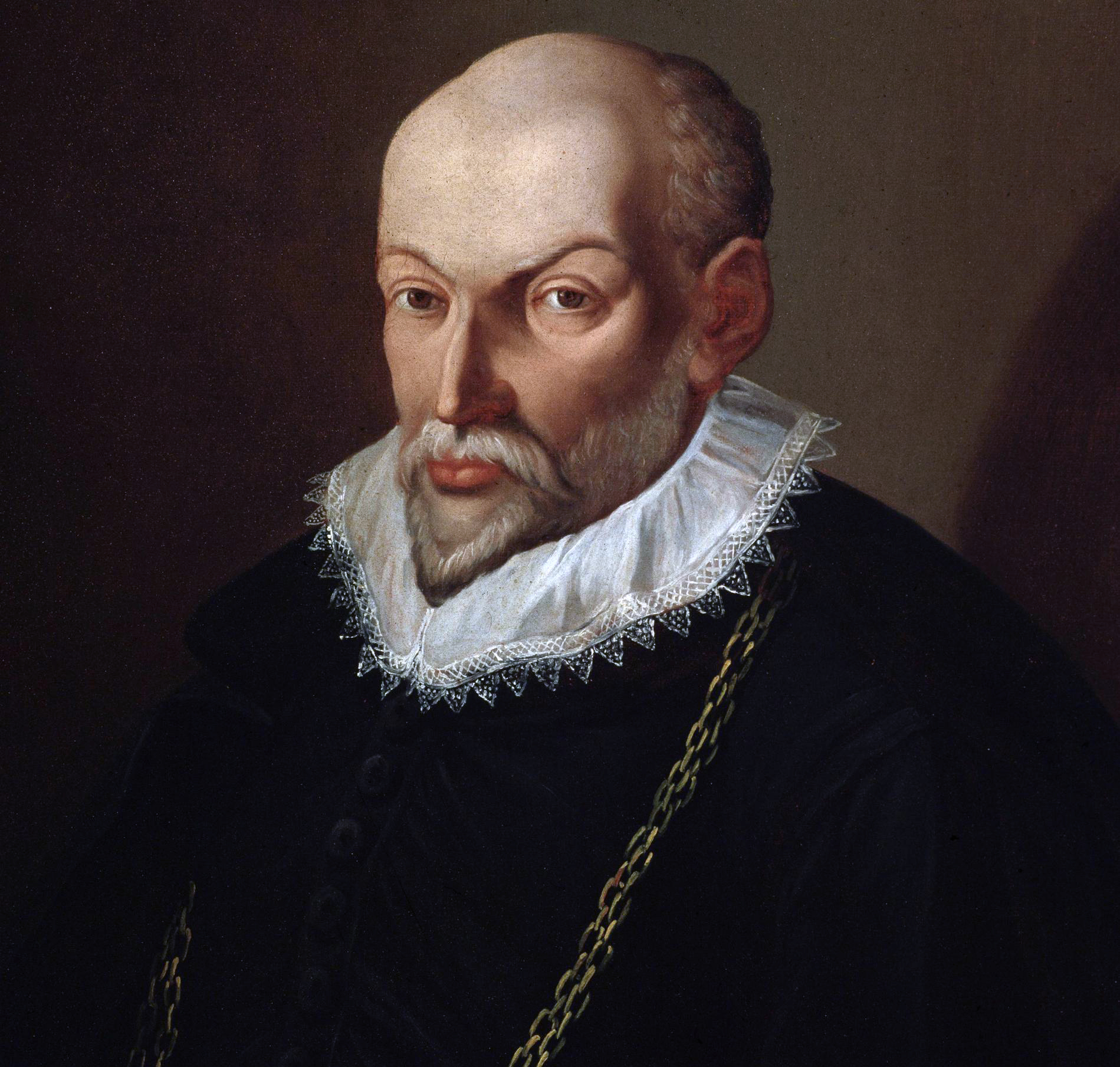
Orlande de Lassus
 (Roland de Lassus)
Franco-Flemish polyphonist of the late Renaissance, celebrated alongside Palestrina as the supreme master of European vocal music, madrigals, motets, and penitential psalms.
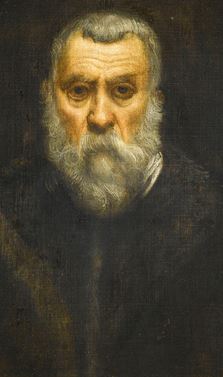
Tintoretto
(Jacopo Robusti / Tintoretto)
Venetian Renaissance giant nicknamed 'Il Furioso' for his ferocious brushwork, daring perspective, and theatrical lighting.
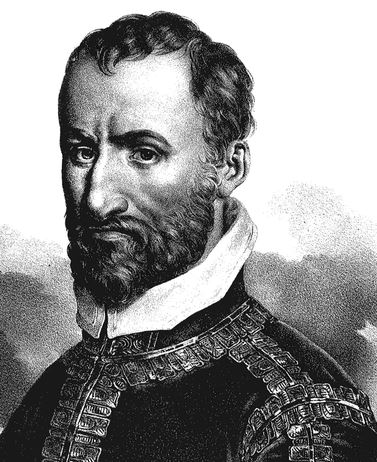
Giovanni Pierluigi da Palestrina
(Giovanni Pierluigi da Palestrina)
Supreme master of Renaissance polyphony whose serene, balanced contrapuntal style in over 105 masses (notably the Missa Papae Marcelli) established the eternal aesthetic benchmark for Catholic sacred liturgical music.
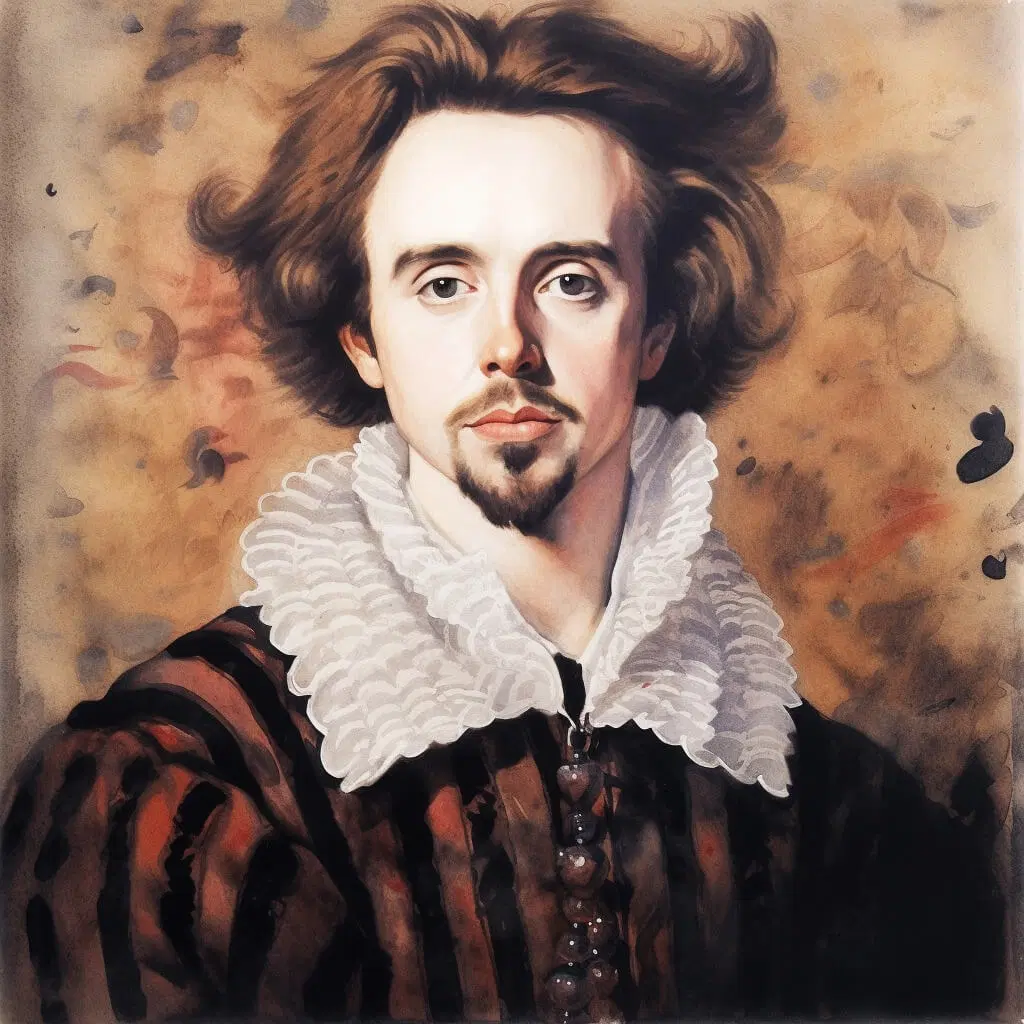
Christopher Marlowe
(Christopher Marlowe)
Pioneering Elizabethan dramatist and poet who perfected English blank verse with 'Marlowe's mighty line' in Tamburlaine and Doctor Faustus.
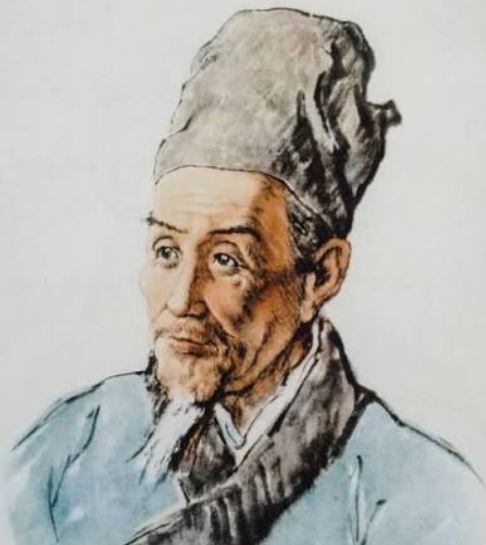
Li Shizhen
 (李時珍)
(李時珍)
Greatest pharmacologist and naturalist in Chinese history, who spent 27 years compiling the monumental Bencao Gangmu (Compendium of Materia Medica), cataloging 1,892 drugs and 11,096 prescriptions.
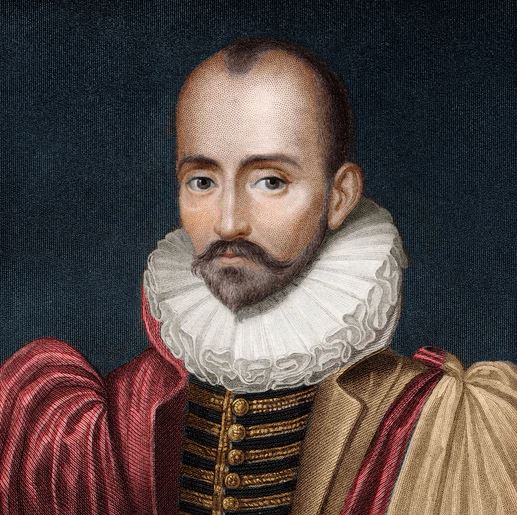
Michel de Montaigne
 (Michel Eyquem de Montaigne)
French Renaissance thinker who invented the essay as a philosophical genre, pioneering skeptical humanism, intellectual modesty, and the immortal question 'Que sais-je?' (What do I know?).
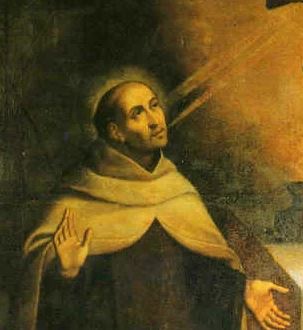
John of the Cross (San Juan de la Cruz)
(Juan de Yepes y Álvarez)
Foremost mystical poet of the Spanish language and Doctor of the Church. Authored Dark Night of the Soul and Spiritual Canticle, illuminating the purification of the spirit through suffering into union with divine light.
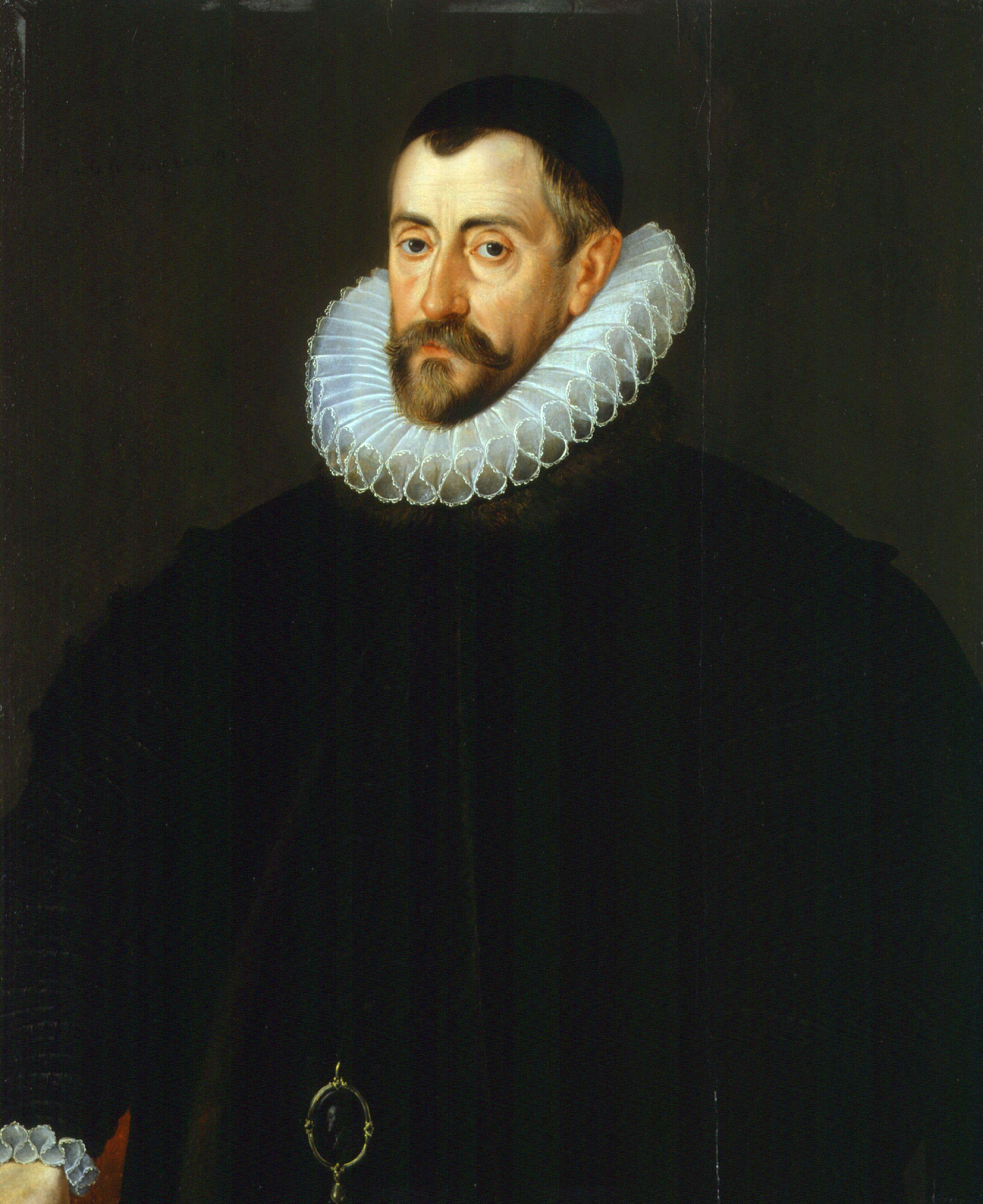
Sir Francis Walsingham
(Sir Francis Walsingham)
Elizabeth I's ruthless Principal Secretary and 'Spymaster', who built Europe's first modern intelligence network and exposed the Babington Plot to save the Queen.
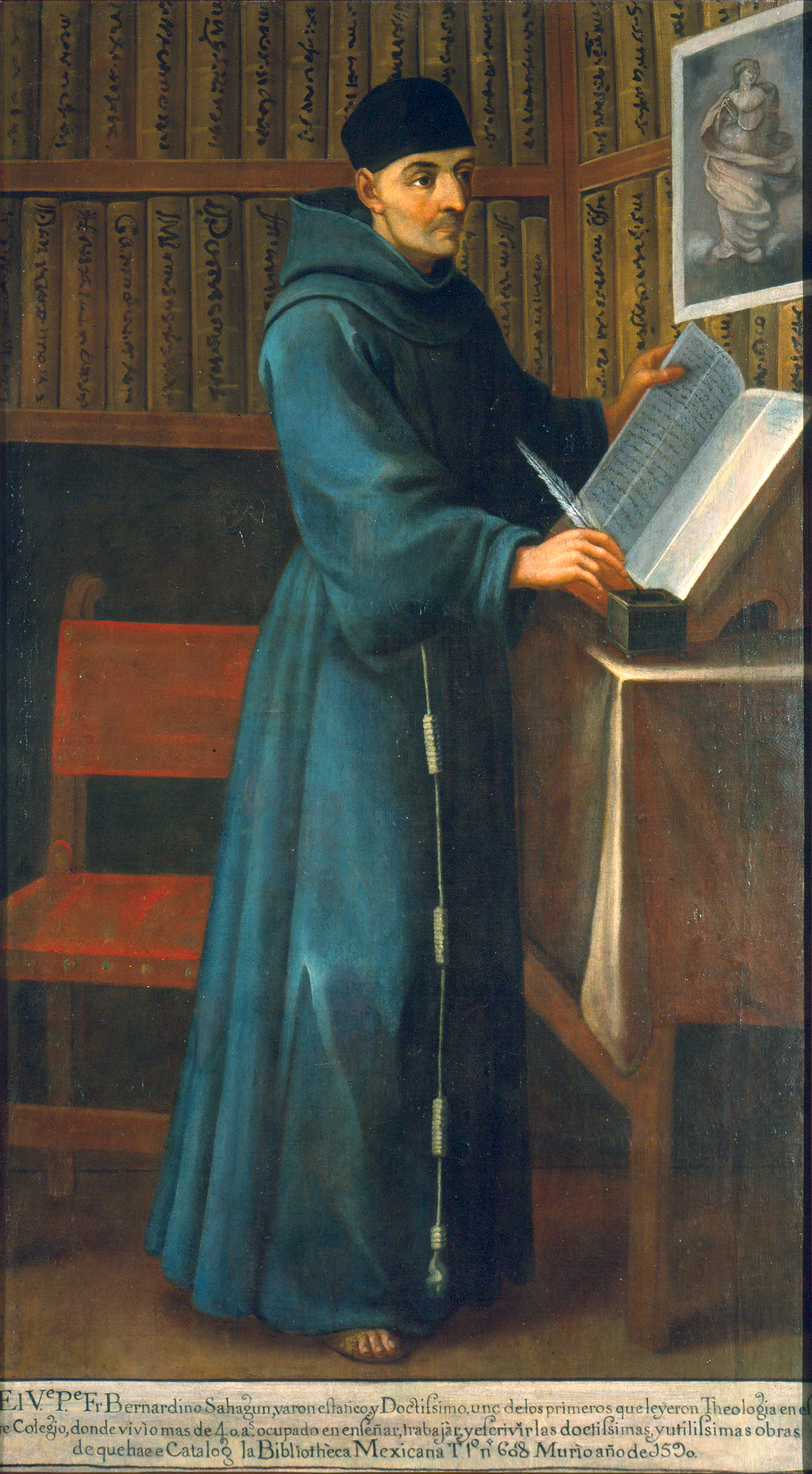
Bernardino de Sahagun
(Bernardino de Sahagun)
Franciscan friar and visionary linguist acclaimed as the 'First Anthropologist of the Americas', who spent sixty years documenting Nahua culture, religion, and botany in the twelve-volume bilingual Florentine Codex.
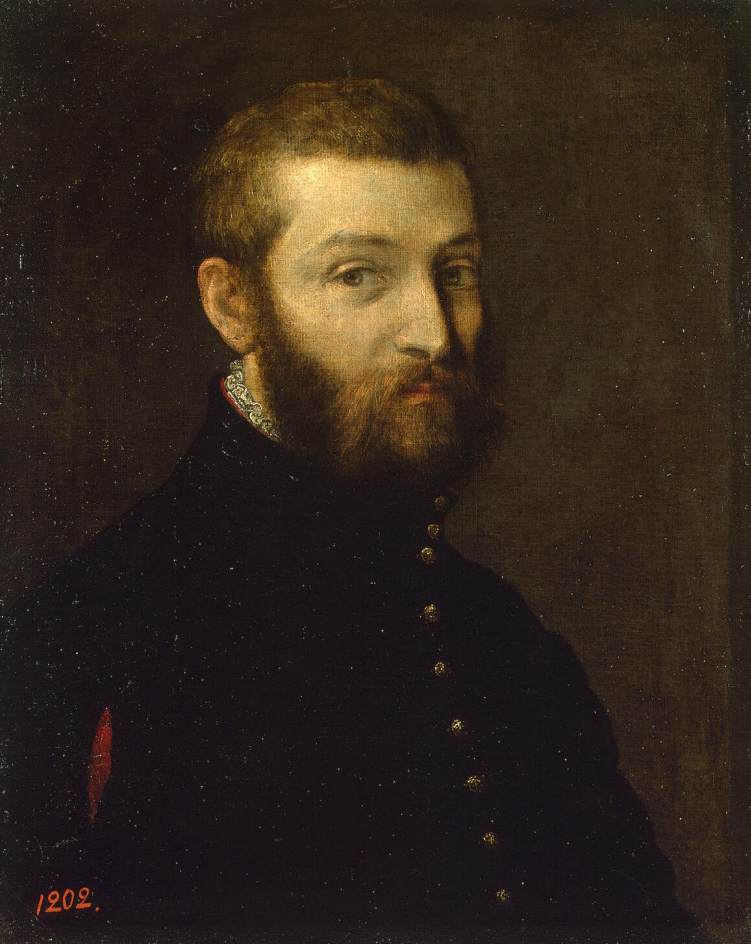
Paolo Veronese
(Paolo Caliari)
Venetian Renaissance master of illusionistic grandeur, luminous color, and monumental festive banquets.
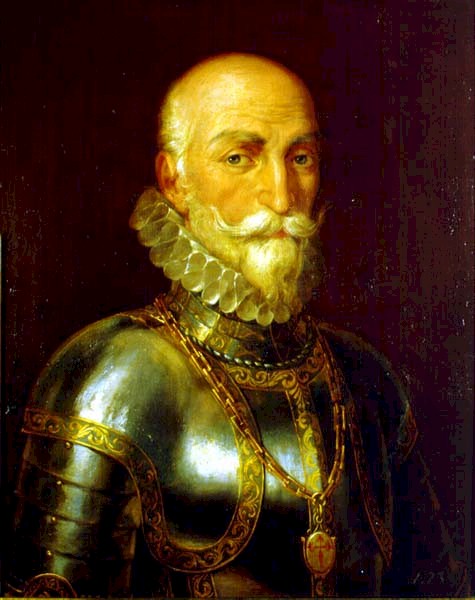
Alvaro de Bazan
(Álvaro de Bazán y Guzmán, Marqués de Santa Cruz)
Greatest admiral in Spanish history who never lost a battle across a fifty-year naval career, commanded the reserve galleys at the Battle of Lepanto, and conquered the Azores at Ponta Delgada.