Public Figures & Cultural Luminaries
Filterable archive covering centuries of intellectual, artistic, and moral contributions to the human story.
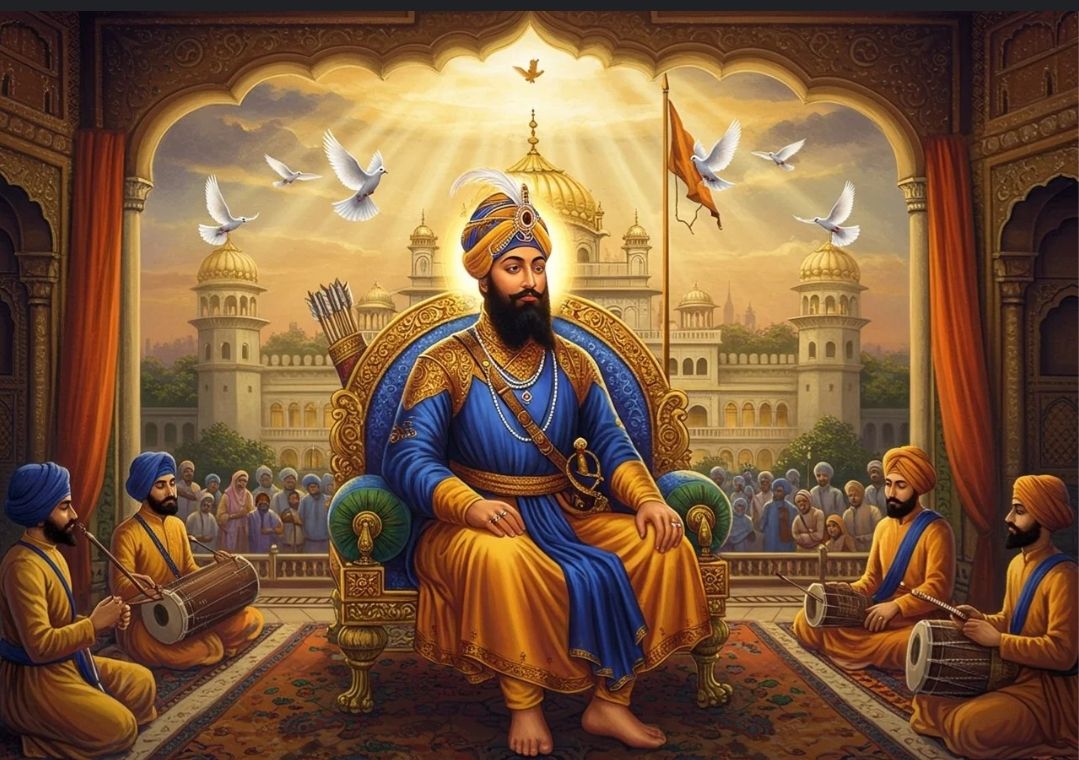
Guru Hargobind Ji (Sixth Sikh Guru & Master of Miri-Piri)
 (ਗੁਰੂ ਹਰਿਗੋਬਿੰਦ ਜੀ)
Son of the martyred Guru Arjan, Guru Hargobind transformed the Sikh community by introducing the doctrine of Miri-Piri (temporal sovereignty and spiritual power), wearing two swords, raising the Akal Takht, and liberating fifty-two kings from Gwalior Fort.
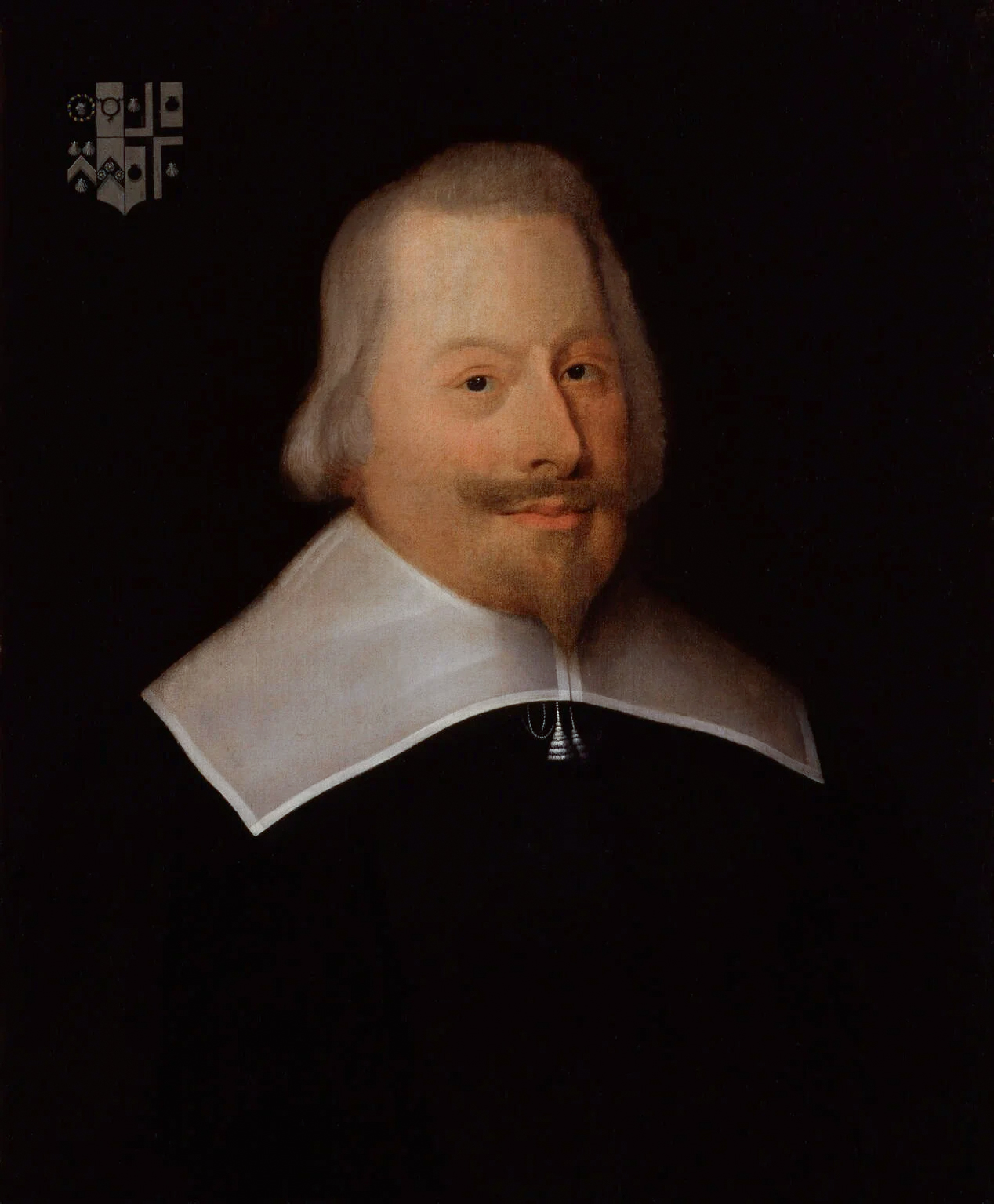
John Pym
 (John Pym)
Master parliamentarian and leader of the Long Parliament whose Grand Remonstrance and resistance to Charles I asserted parliamentary supremacy.
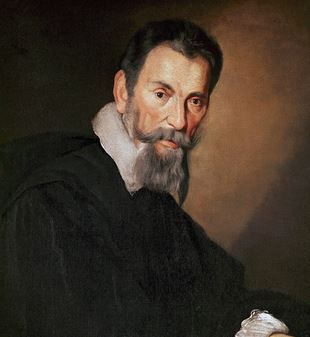
Claudio Giovanni Antonio Monteverdi
 (Claudio Monteverdi)
Revolutionary Italian composer who bridged the Renaissance and Baroque eras, pioneered the 'Seconda Pratica' making music servant to emotional text, composed the first operatic masterpiece (L'Orfeo), and transformed sacred music with his 1610 Vespers.
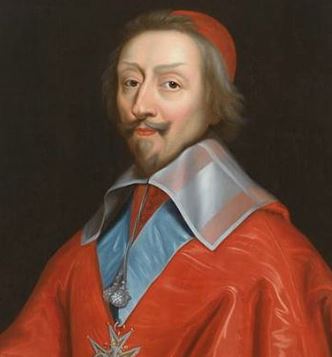
Cardinal Richelieu
 (Armand Jean du Plessis, cardinal-duc de Richelieu)
Pioneered modern realpolitik and centralized administrative statecraft, breaking Habsburg hegemony in Europe during the Thirty Years' War.
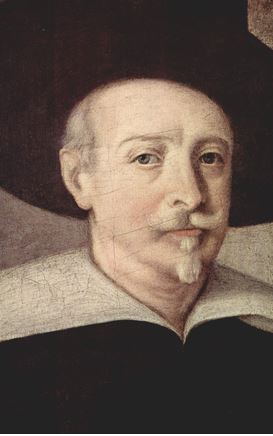
Guido Reni
(Guido Reni)
Premier Bolognese master of classical Baroque painting whose ceiling fresco 'Aurora' and celestial, idealized religious canvases earned him the title 'The Divine'.
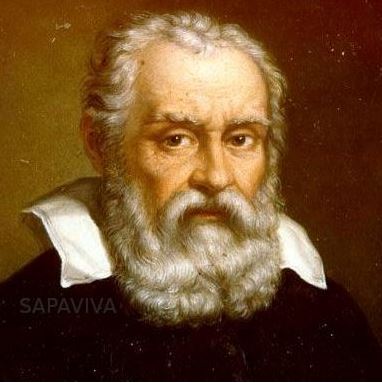
Galileo Galilei
(Galileo Galilei)
'Father of Modern Science' who improved the telescope to discover Jupiter's moons, Venusian phases, and lunar craters, formulated the law of falling bodies, and defended heliocentrism.
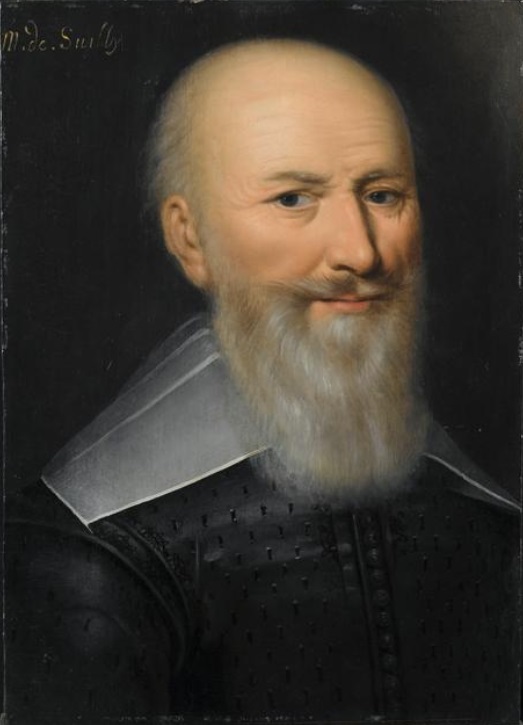
Maximilien de Béthune, Duke of Sully
(Maximilien de Béthune, duc de Sully)
Trusted Huguenot chief minister to King Henry IV who restored French royal finances, modernized agriculture and infrastructure, and coined 'Labourage et pâturage sont les deux mamelles de la France'.
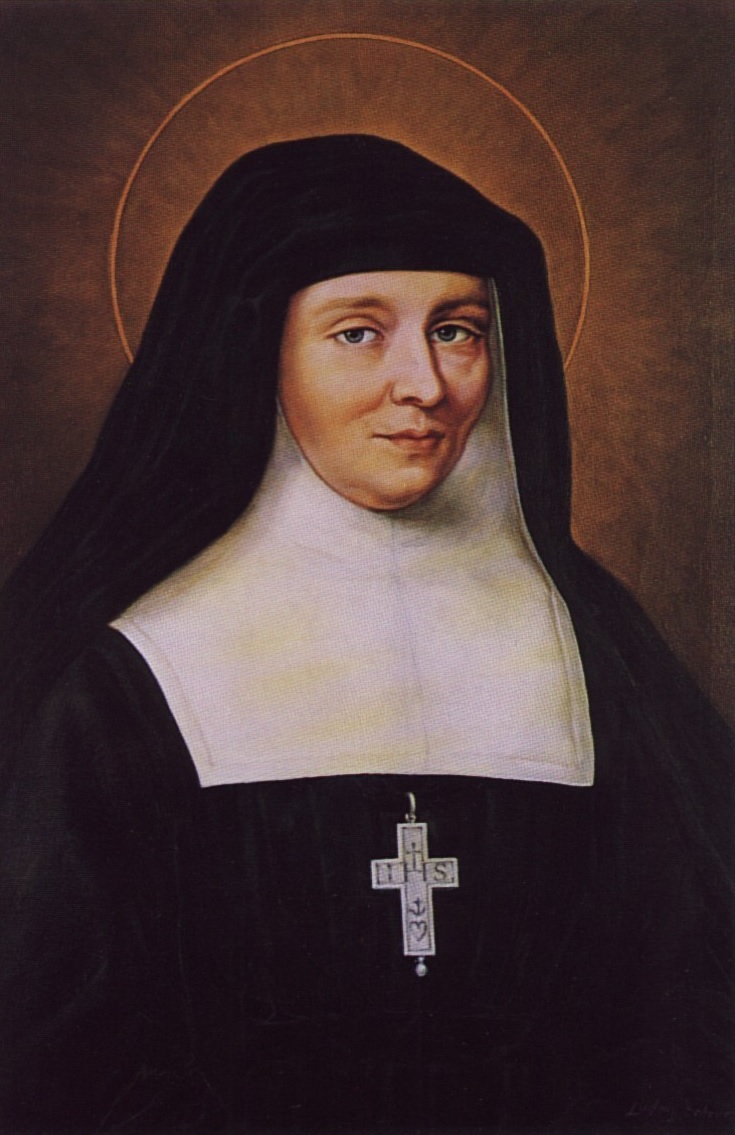
Jeanne-Françoise Frémyot de Chantal
(Jeanne de Chantal)
French noblewoman and mystic who co-founded the Order of the Visitation of Holy Mary with Francis de Sales, pioneering contemplative religious life accessible to widows and frail women.
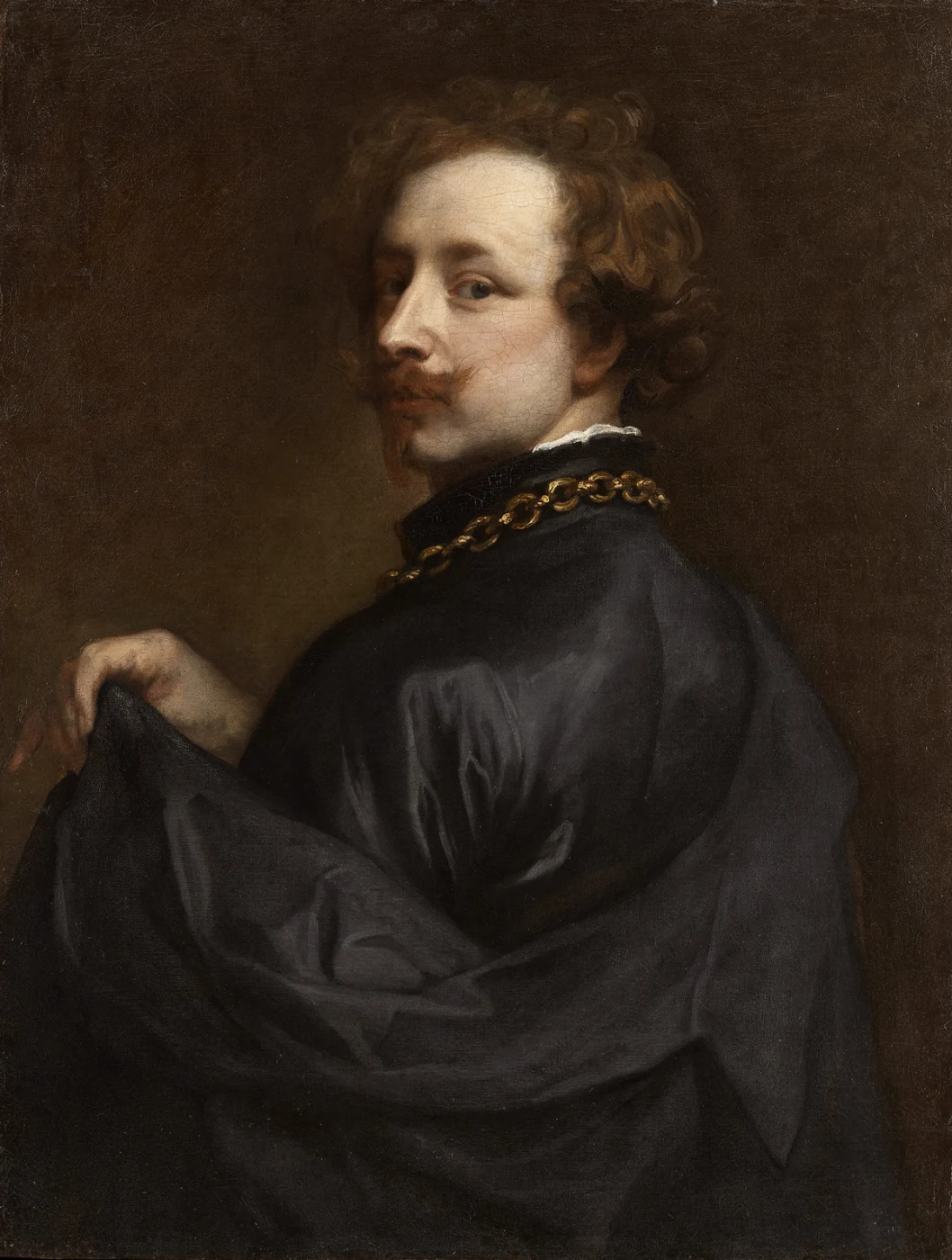
Anthony van Dyck
 (Antoon van Dyck)
Flemish Baroque virtuoso who transformed English portraiture as leading court painter to King Charles I.
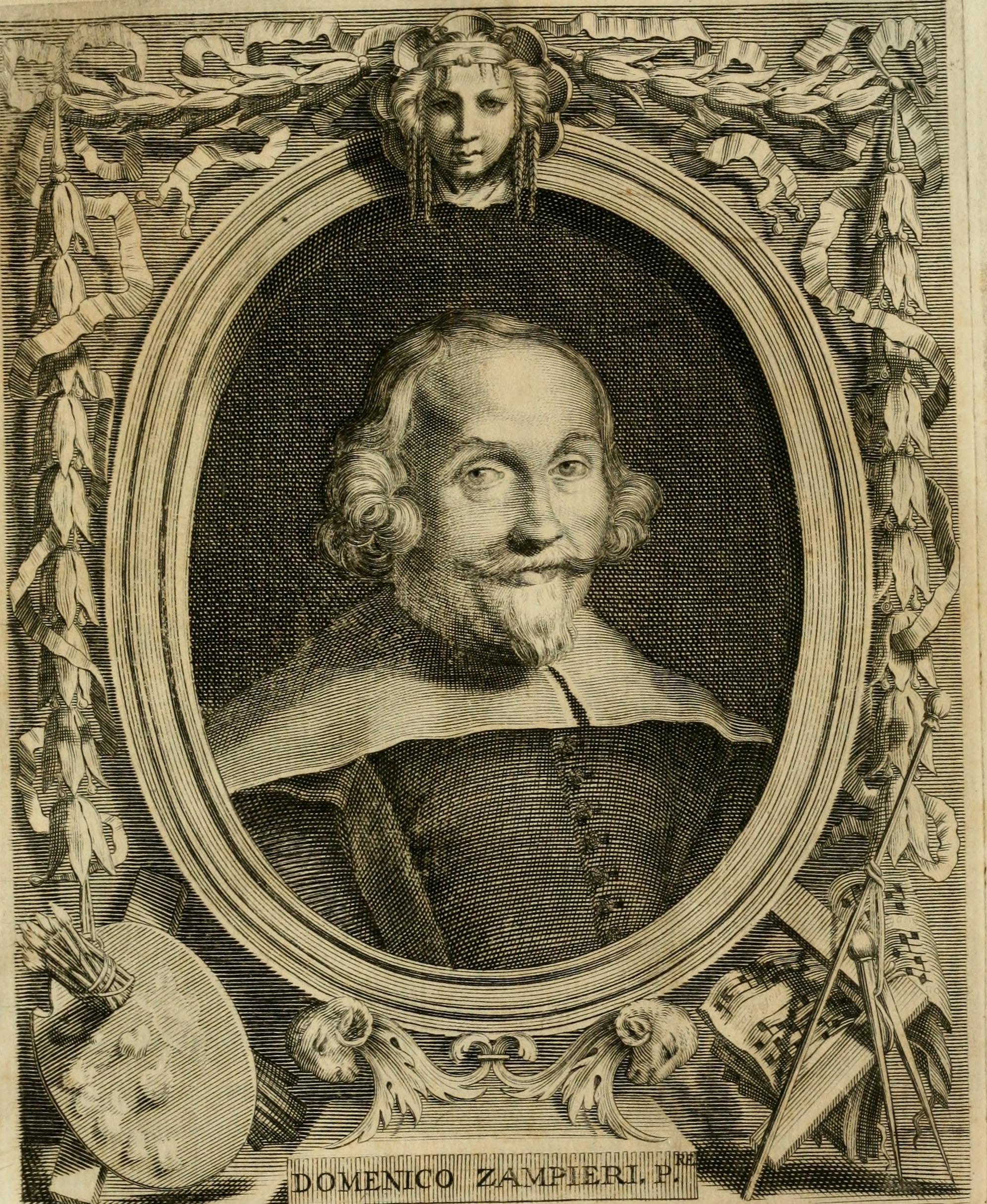
Domenico Zampieri
(Domenichino)
Leading Bolognese classical Baroque painter whose 'The Last Communion of Saint Jerome' and frescoes in Sant'Andrea della Valle set the benchmark for expressive gestures.
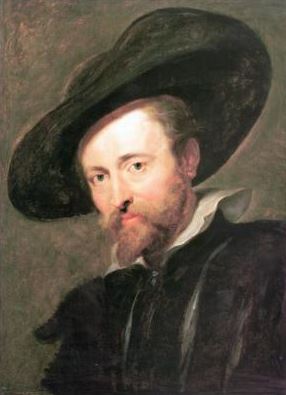
Sir Peter Paul Rubens
 (Peter Paul Rubens)
Supreme master of the Flemish Baroque who synthesized Venetian color, Roman monumental dynamism, and northern realism, orchestrating colossal mythological canvases and negotiating peace treaties across Europe.
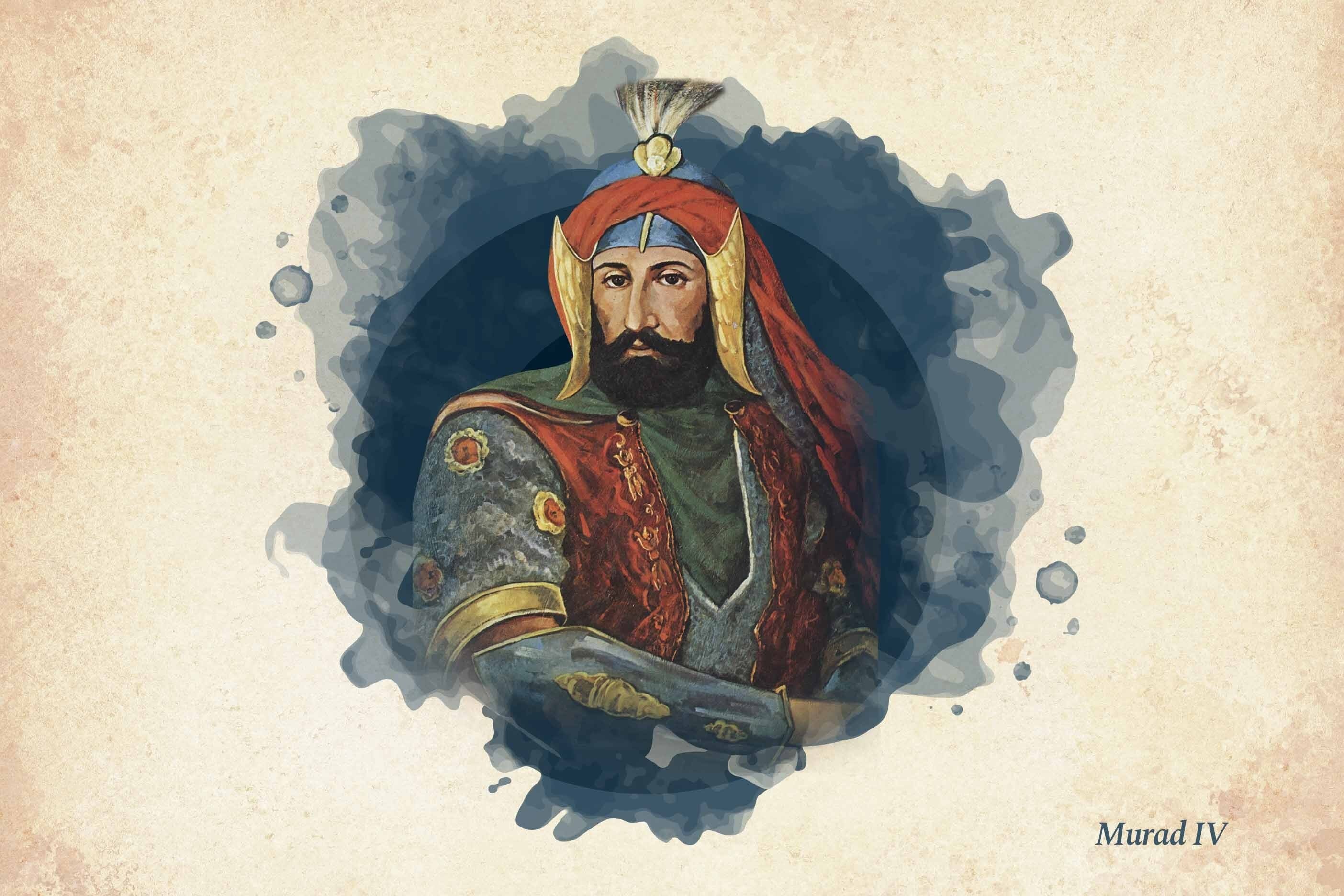
Murad IV (Conqueror of Baghdad)
 (مراد رابع / Murad-ı Rabi)
Fierce Ottoman Sultan who restored absolute imperial authority, banned alcohol and coffee, and personally recaptured Baghdad in 1638.
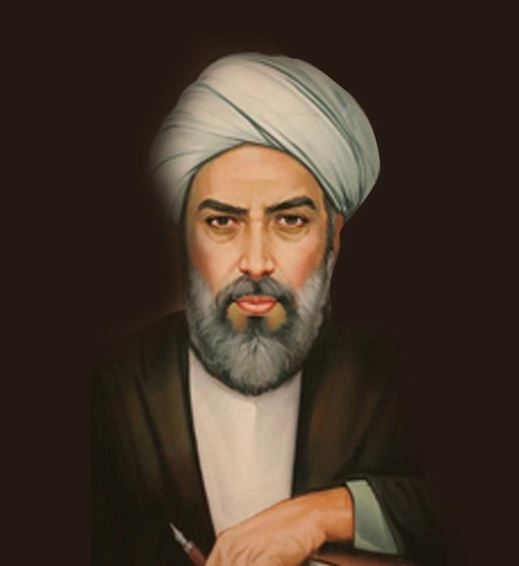
Sadr al-Din Muhammad al-Shirazi (Mulla Sadra)
 (ملاصدرا (صدرالدین محمد شیرازی))
Persian philosopher and theologian who revolutionized Islamic metaphysics by founding Transcendent Theosophy (Hikmat al-Muta'aliyah). Formulated the primacy of existence (Asalat al-Wujud) and substantial motion (al-Harakah al-Jawhariyyah).
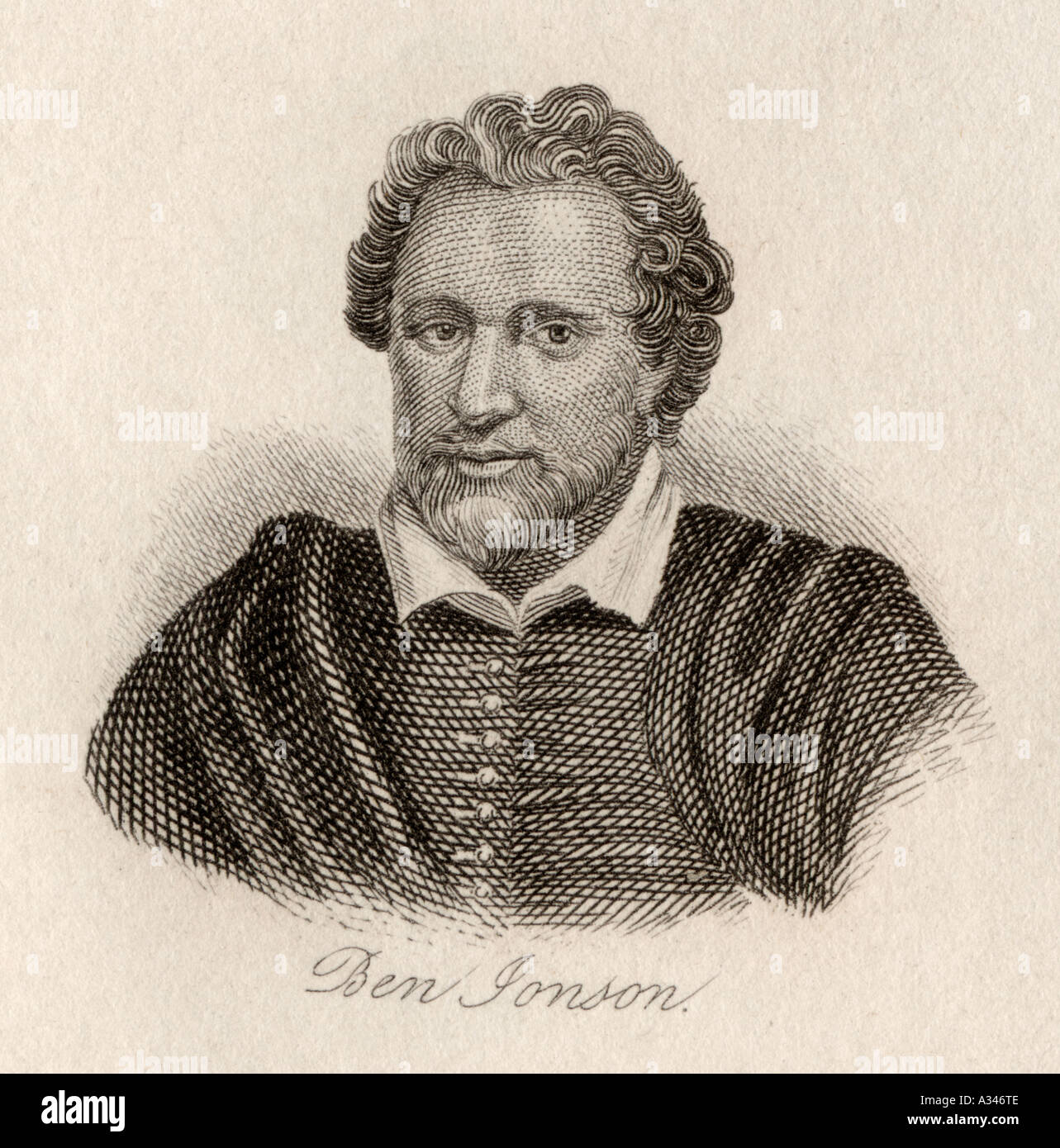
Benjamin Jonson
(Benjamin Jonson)
Towering Jacobean playwright, poet, and literary theorist who popularized the comedy of humours in Volpone and The Alchemist and eulogized Shakespeare.
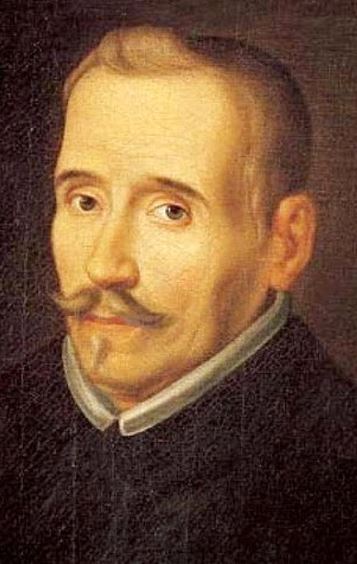
Félix Lope de Vega y Carpio
 (Lope de Vega)
Titanic Spanish playwright dubbed by Cervantes 'El Monstruo de la Naturaleza' (The Monster of Nature) for his astonishing output of over 1,500 plays, including Fuenteovejuna and The Dog in the Manger.
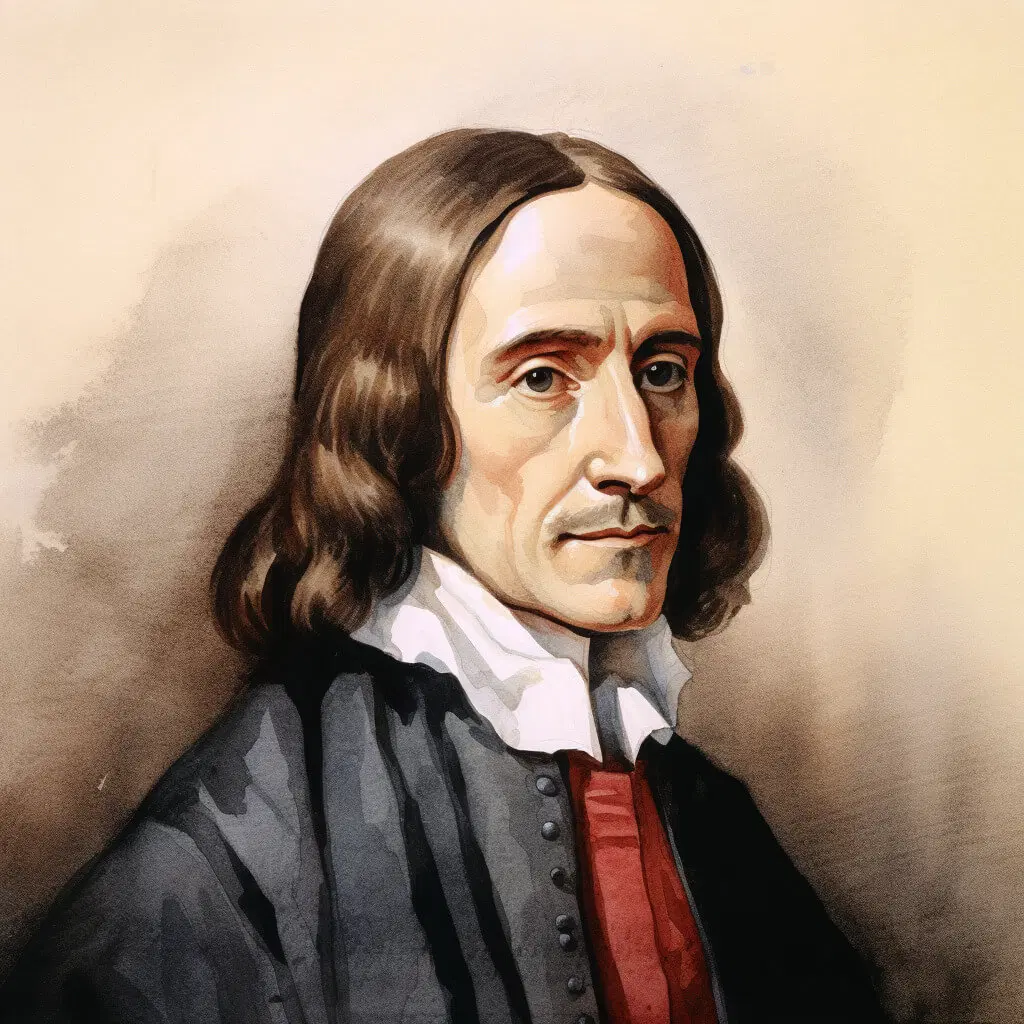
George Herbert
(George Herbert)
Welsh-born English devotional poet and Anglican priest whose metaphysical collection The Temple fused profound spiritual intimacy with dazzling architectural verse forms.
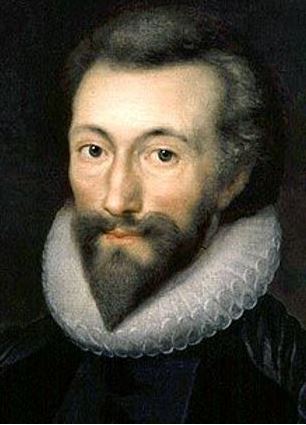
John Donne
(John Donne)
Foremost English metaphysical poet and Dean of St Paul's whose passionate erotic elegies, complex extended conceits, and profound Holy Sonnets gave English literature 'No man is an island' and 'Death, be not proud'.
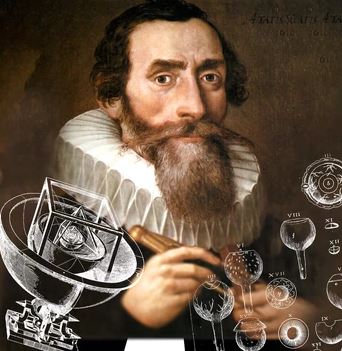
Johannes Kepler
(Johannes Kepler)
German astronomer and mathematician who discovered the three fundamental laws of planetary motion (elliptical orbits, equal areas in equal times, harmonic period-distance ratio).