Public Figures & Cultural Luminaries
Filterable archive covering centuries of intellectual, artistic, and moral contributions to the human story.
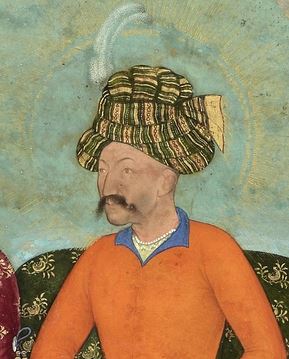
Shah Abbas I (Abbas the Great / Shahanshah of Iran)
 (شاه عباس بزرگ (شاه عباس یکم))
Fifth Safavid Shah celebrated as the greatest ruler of the dynasty. Transformed Isfahan into "Half the World" (Esfahan Nesf-e Jahan), centralized Persian statehood, and created the immortal royal square of Naqsh-e Jahan.
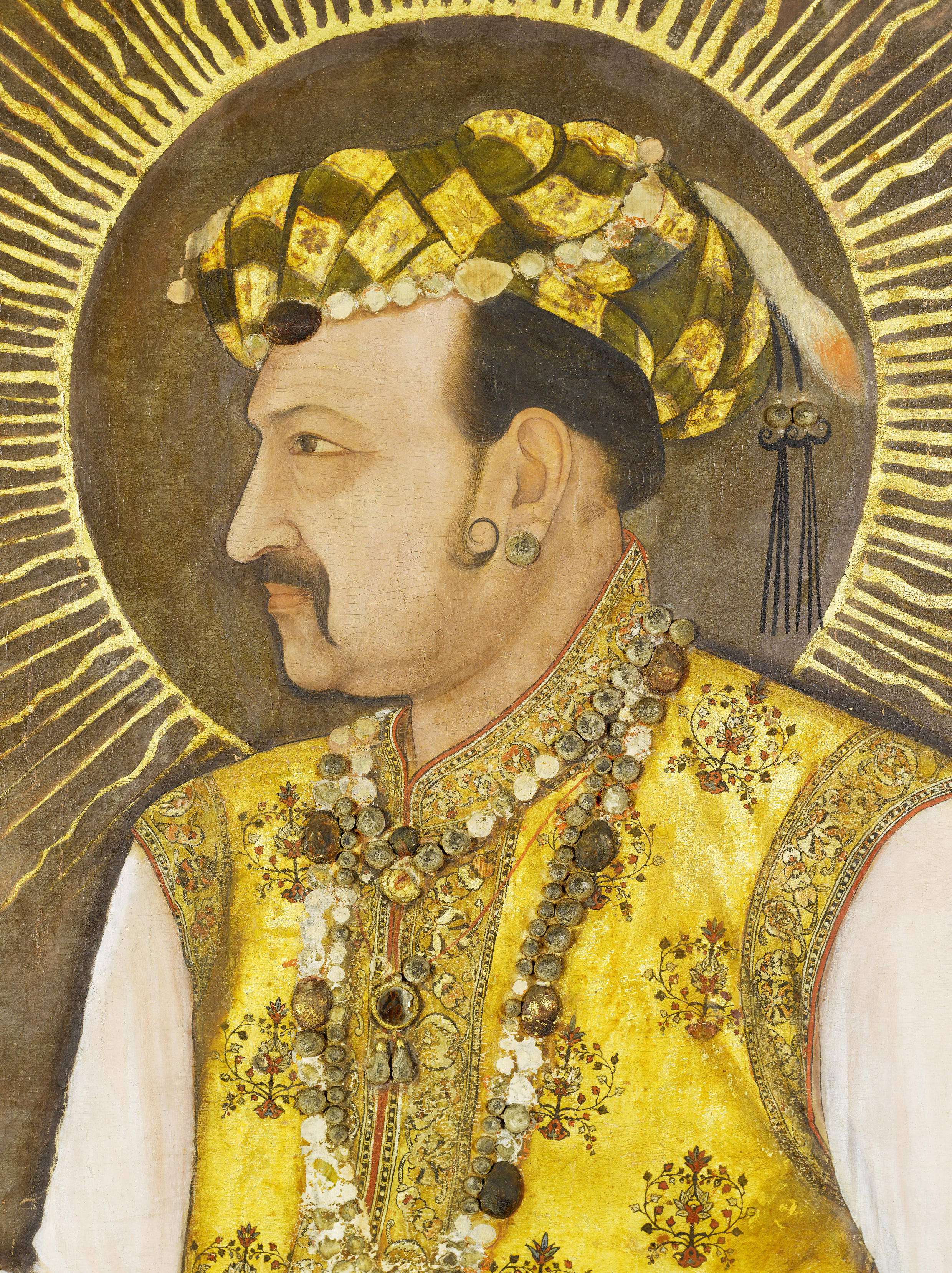
Jahangir
 (نور الدین محمد جہانگیر)
Fourth Mughal Emperor who patronized the golden age of Mughal miniature painting, established the 'Chain of Justice' (Zanjir-i Adl) at Agra, and recorded acute natural history observations in Jahangirnama.
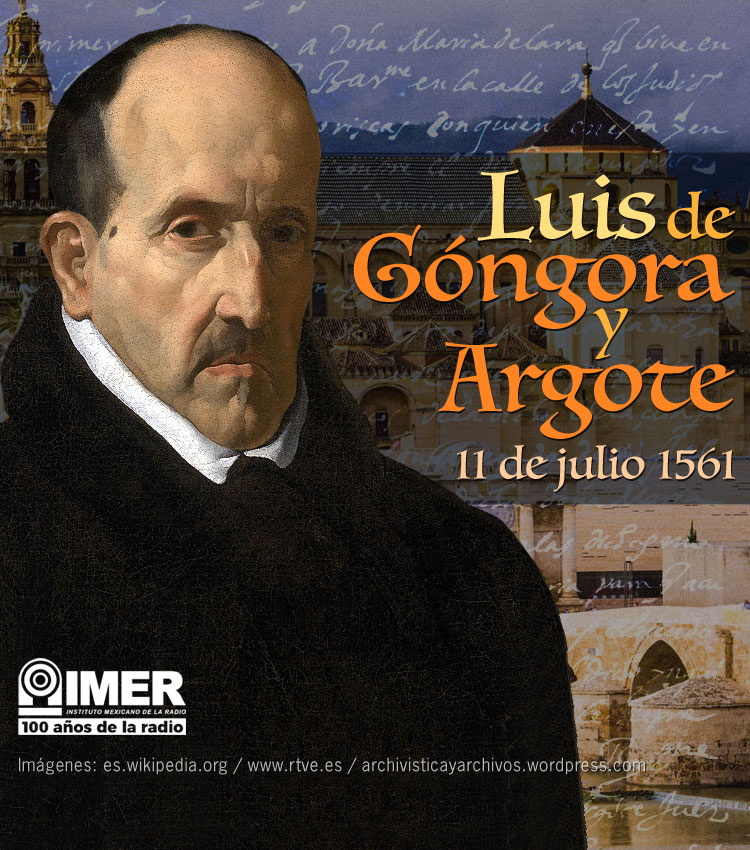
Luis de Góngora y Argote
 (Luis de Góngora y Argote)
Spanish Golden Age Baroque lyric poet who originated Culteranismo (Gongorism), celebrated for his complex masterpiece Soledades and mythological epic Polifemo.
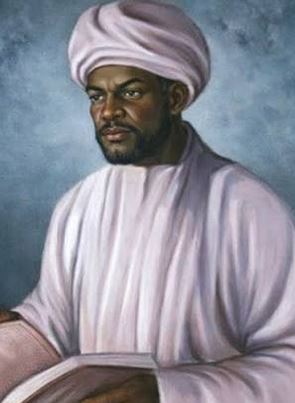
Ahmed Baba al-Timbukti (أحمد بابا التنبكتي)
West African scholar and jurist of Timbuktu who wrote Mi'raj al-Su'ud, establishing the definitive Islamic legal and philosophical treatise prohibiting the enslavement of Muslims and non-subjugated Africans.
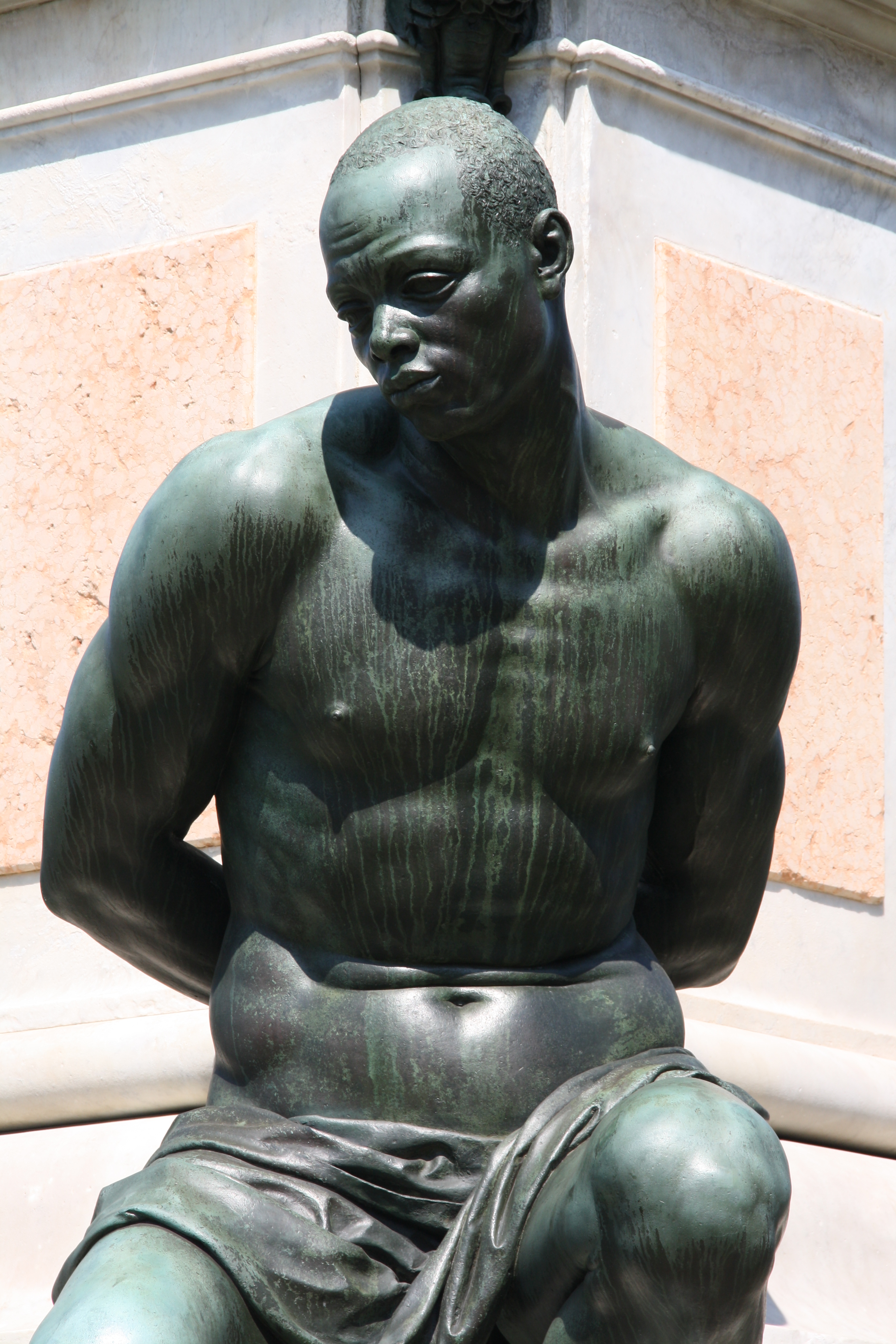
Malik Ambar (Chapu)
 (मलिक अंबर / مَلِك عَمْبَر)
Ethiopian-born military commander and Prime Minister of the Ahmadnagar Sultanate who pioneered guerrilla warfare (Bargi-giri) to repeatedly repel the Mughal Empire.
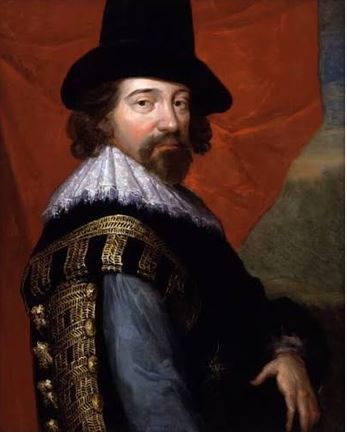
Francis Bacon (1st Viscount St Alban)
 (Francis Bacon)
English philosopher and statesman whose Novum Organum established the empirical inductive method, dismantled the Idols of the Mind, and proclaimed that 'Knowledge is Power'.
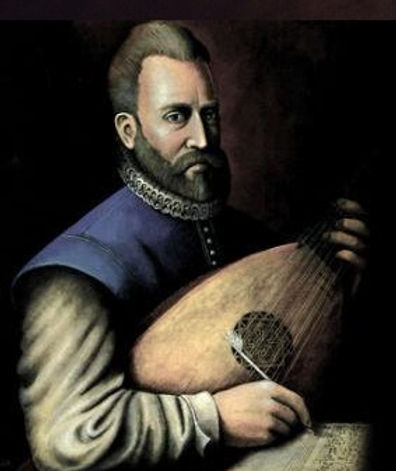
John Dowland
(John Dowland)
English Renaissance lutenist and composer celebrated as the master of Elizabethan musical melancholy, immortalized by 'Flow My Tears' and the Lachrimae consort pavans.
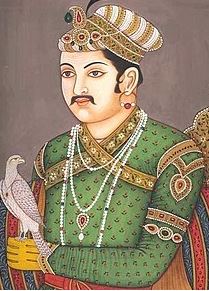
Ahmad al-Faruqi al-Sirhindi (أحمد السرهندي)
Indian Islamic scholar and Naqshbandi master acclaimed as the 'Renewer of the Second Millennium' who resisted Mughal Emperor Akbar's syncretic Din-i Ilahi and formulated 'Wahdat al-Shuhud'.
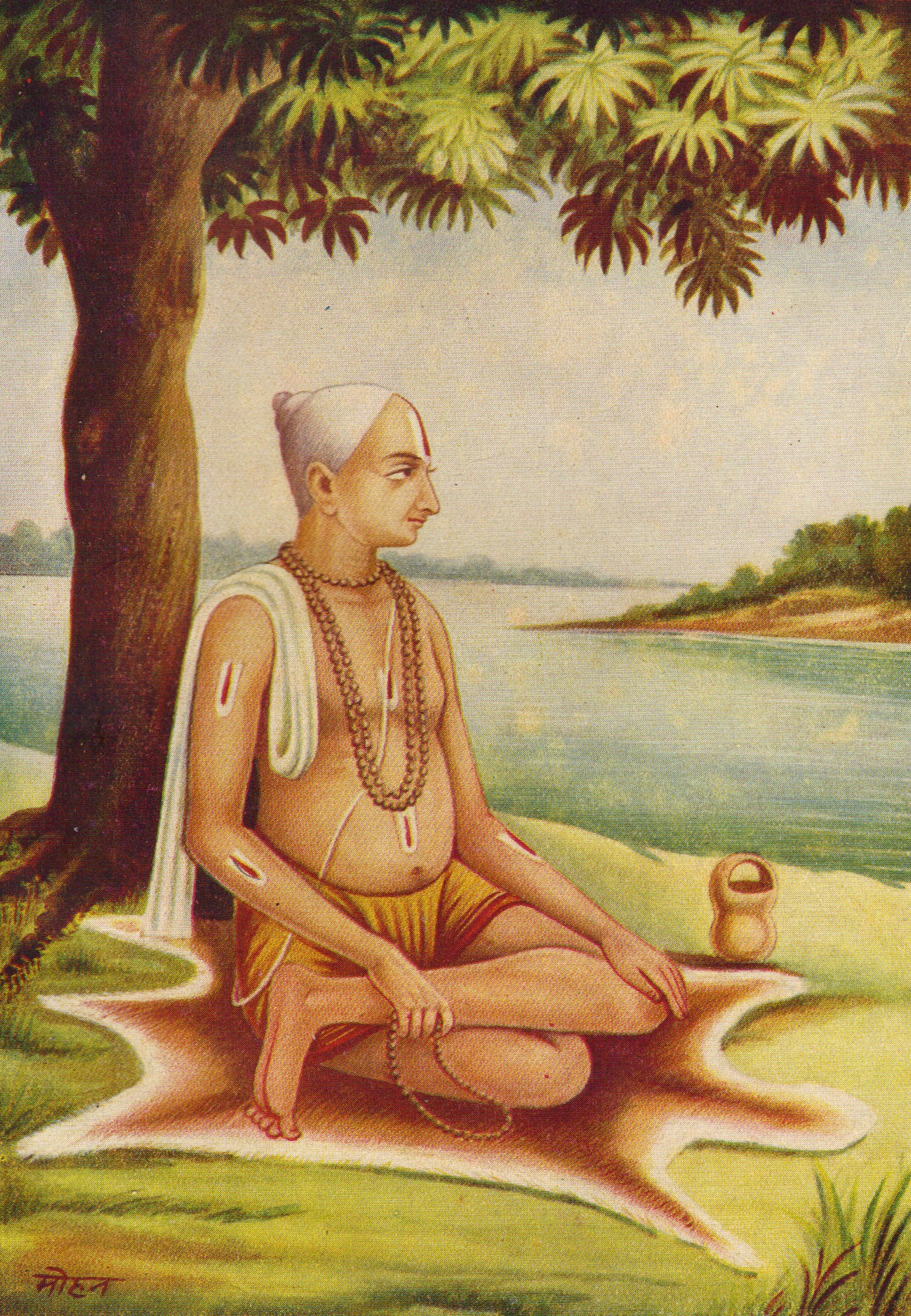
Goswami Tulsidas
(तुलसीदास)
Revered Sanskrit scholar and Awadhi poet who composed the epic 'Ramcharitmanas'—bringing the Ramayana to the common people—and authored the immortal 'Hanuman Chalisa'.
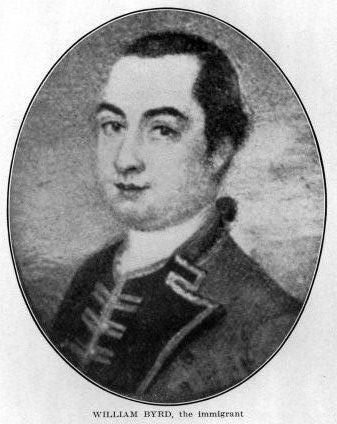
William Byrd
(William Byrd)
English Renaissance composer celebrated as the greatest polyphonist of the Elizabethan Golden Age, master of sacred Latin masses, Anglican services, and keyboard music.
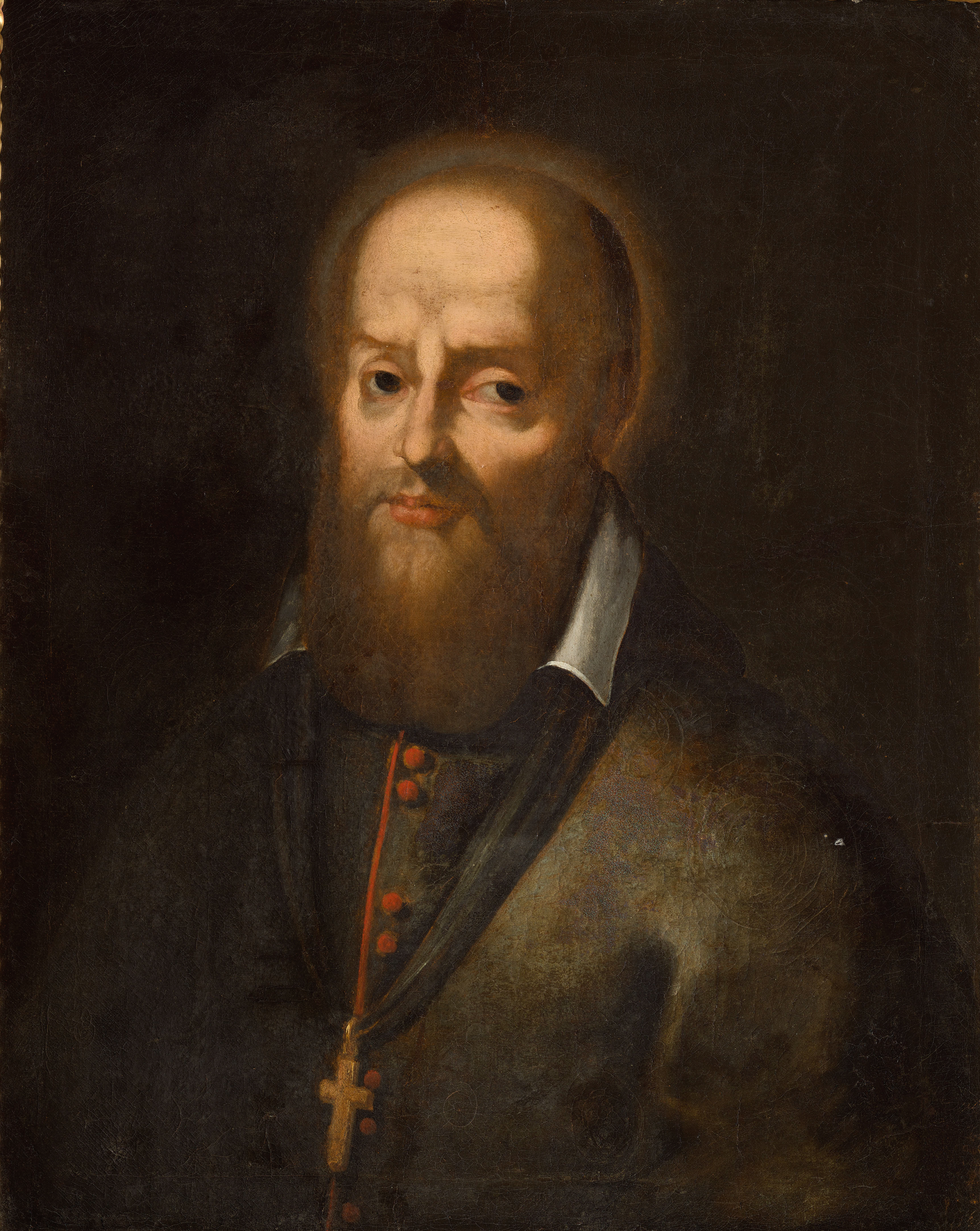
Francis de Sales
 (François de Sales)
Prince-Bishop of Geneva, Doctor of the Church, and author of 'Introduction to the Devout Life' who proved that holiness is achievable for laypeople in everyday vocations.
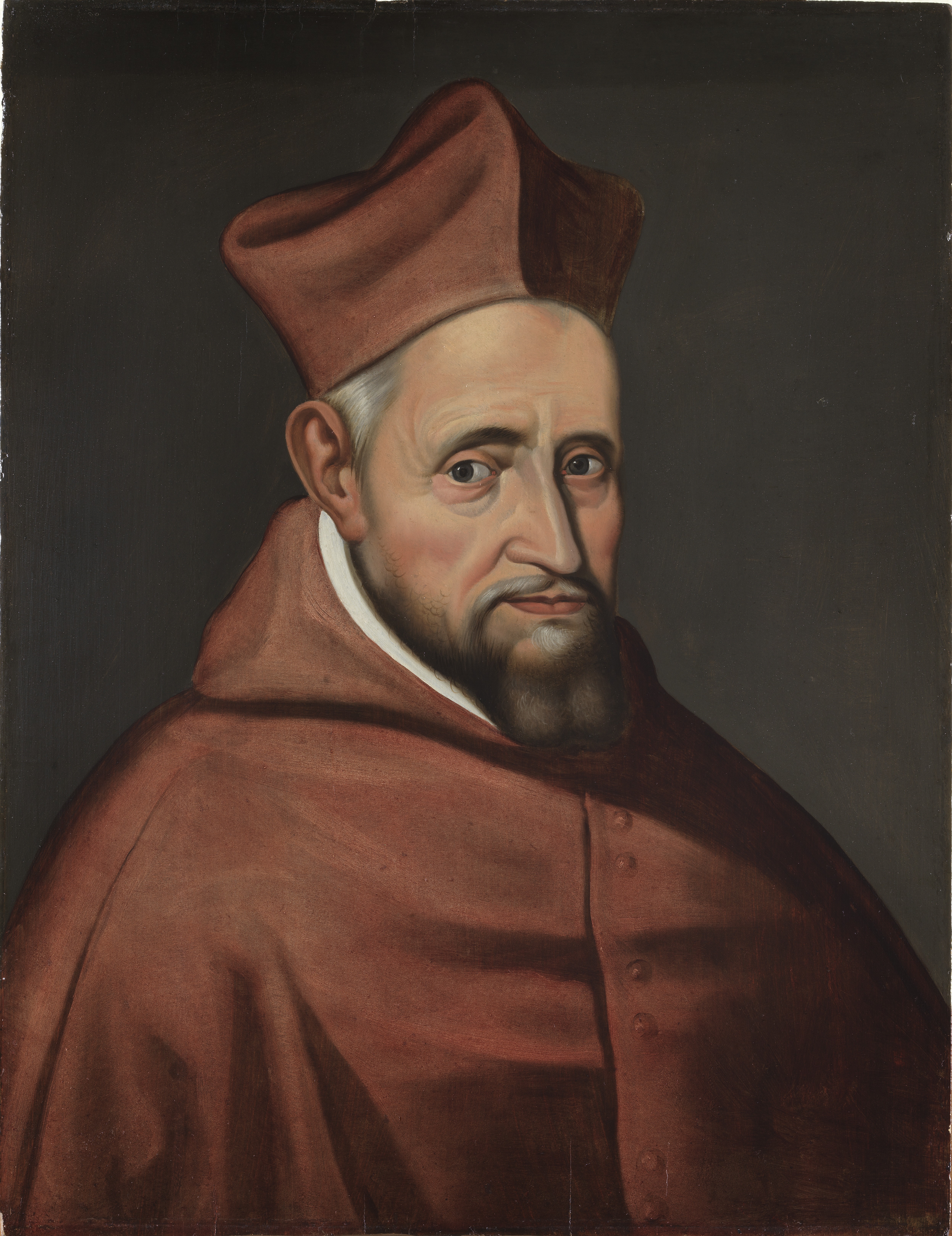
Roberto Francesco Romolo Bellarmino
 (Roberto Bellarmino)
Italian Jesuit cardinal, Doctor of the Church, and master apologist whose 'Disputationes' systematic defense of the Catholic faith against Protestant theology defined Counter-Reformation dogma.
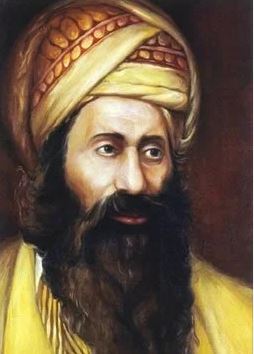
Chaim ben Joseph Vital
 (חיים ויטאל)
Primary disciple and scribe of the Ari whose monumental eight-gate work 'Etz Chaim' (Tree of Life) preserved and transmitted Lurianic Kabbalah to the world.
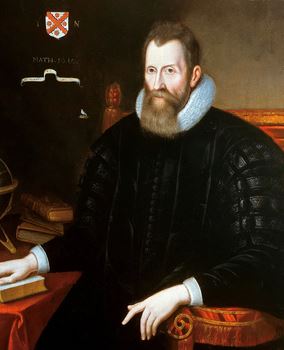
John Napier of Merchiston
(John Napier)
Scottish mathematician who invented logarithms, popularized the decimal point, and created 'Napier's Bones' calculating rods, liberating astronomers from tedious manual calculations.
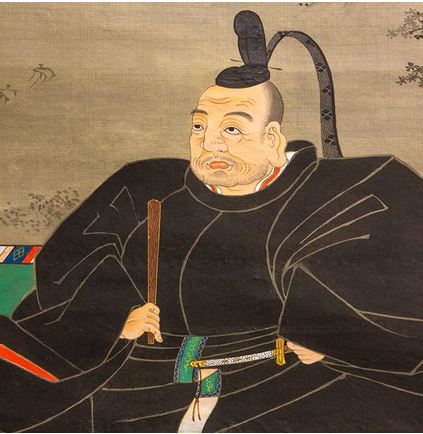
Tokugawa Ieyasu (First Tokugawa Shogun)
 (徳川 家康 (Tokugawa Ieyasu))
Third and final "Great Unifier" of Japan who triumphed at the Battle of Sekigahara (1600). Established the Tokugawa Shogunate and made Edo (Tokyo) the seat of government, inaugurating two and a half centuries of peace, stability, and cultural flourishing.
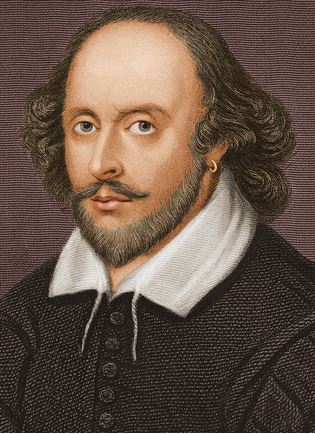
William Shakespeare
(William Shakespeare)
Universally regarded as the greatest writer in the English language and the preeminent dramatist in world history, whose 39 plays, 154 sonnets, and cosmic insight in Hamlet, King Lear, and Macbeth defined the human condition.
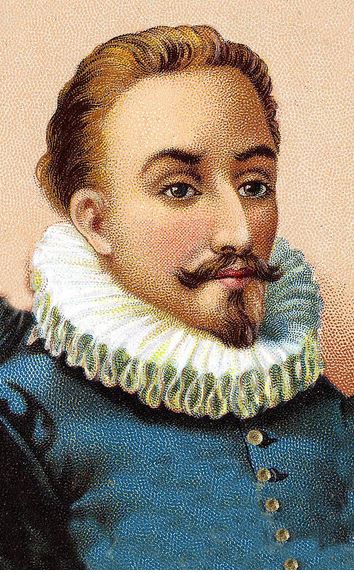
Miguel de Cervantes Saavedra
(Miguel de Cervantes)
Titan of the Spanish Golden Age and creator of Don Quixote de la Mancha (1605/1615), universally revered as the first modern European novel and the eternal archetype of the noble dreamer tilting at windmills.
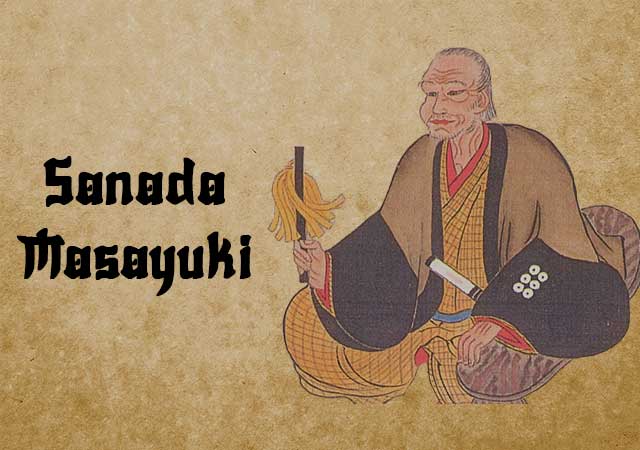
Sanada Yukimura (Sanada Nobushige)
(真田幸村 / 真田信繁)
Legendary Sengoku period samurai general hailed as 'The Number One Warrior in Japan' and 'The Crimson Demon of War' for his heroic defense of Osaka Castle.