Public Figures & Cultural Luminaries
Filterable archive covering centuries of intellectual, artistic, and moral contributions to the human story.
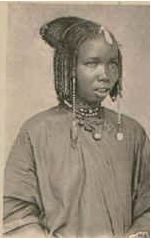
Dona Beatriz Kimpa Vita
 (Kimpa Vita (Nganga Marinda))
Young Congolese noblewoman and spiritual prophetess who founded the Antonian movement. Preached that Christ and the Apostles were born in Kongo, advocated for national reunification against civil war, and was burned at the stake.
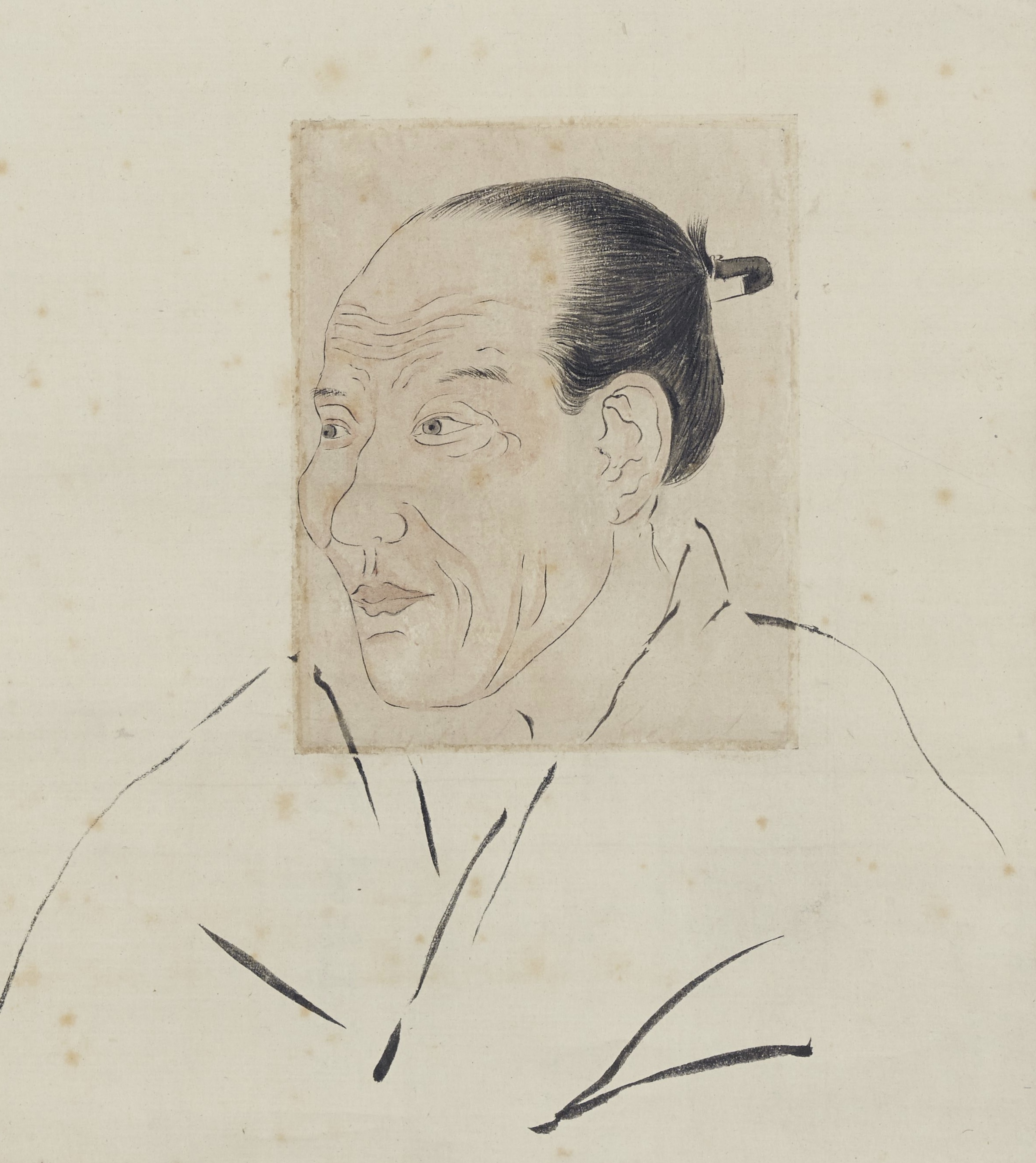
Ito Jinsai
 (伊藤 仁斎)
Pioneering Japanese Confucian philosopher and humanist who founded the renowned Kogido Academy in Kyoto, teaching that moral benevolence (Ren) is an active emotional affection rather than cold metaphysical dogma.
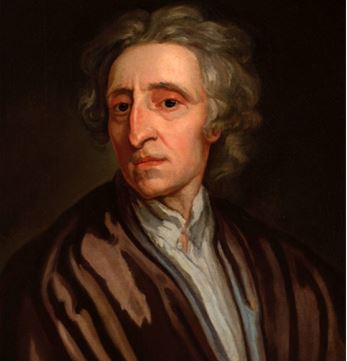
John Locke
 (John Locke)
'Father of Classical Liberalism' who argued that the human mind is a tabula rasa shaped by experience and defended inalienable natural rights to life, liberty, and property.
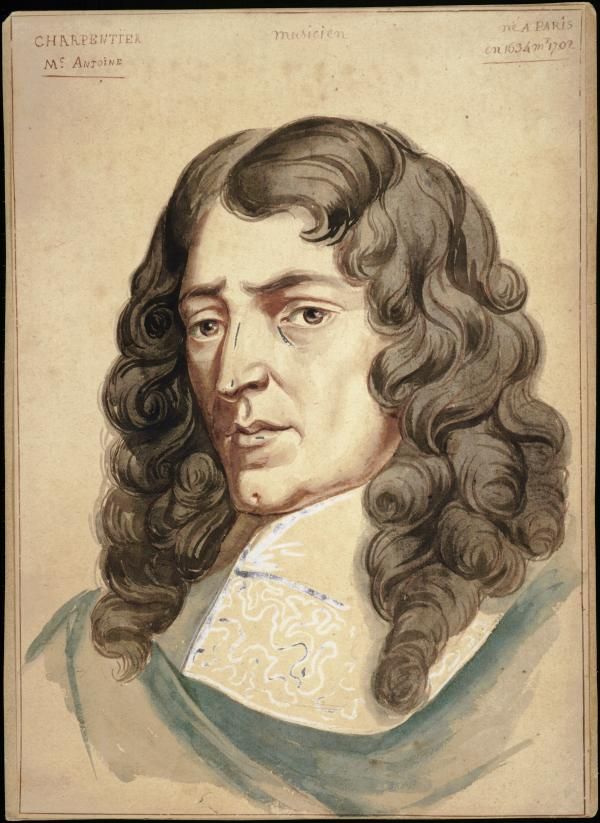
Marc-Antoine Charpentier
 (Marc-Antoine Charpentier)
French Baroque master celebrated for his profound sacred choral polyphony, his collaboration with Molière on 'The Imaginary Invalid', and the iconic Eurovision anthem 'Te Deum'.
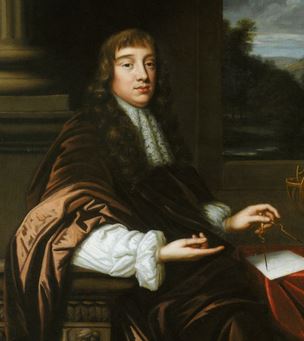
Robert Hooke
(Robert Hooke)
Curator of Experiments to the Royal Society who coined the biological term 'cell' in Micrographia (1665), discovered Hooke's Law of elasticity, and rebuilt London after the Great Fire.
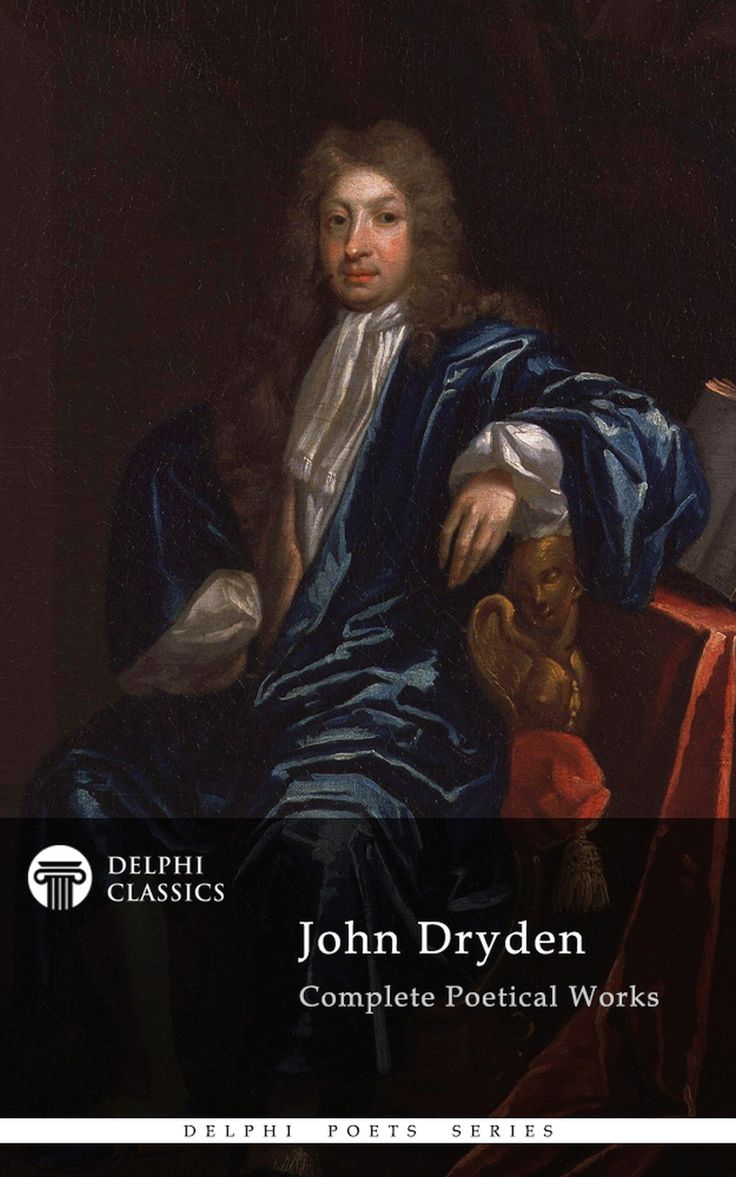
John Dryden
(John Dryden)
Foremost English poet, dramatist, and literary critic of the Restoration, appointed England's first official Poet Laureate in 1668.
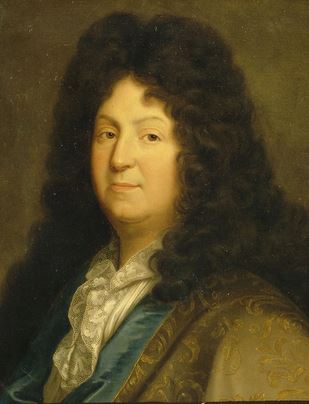
Jean-Baptiste Racine
(Jean Racine)
Supreme dramatist of French classical tragedy whose immaculate alexandrine verse and psychological intensity in Phèdre, Andromaque, and Britannicus captured the destructive, uncontrollable fury of human passion.
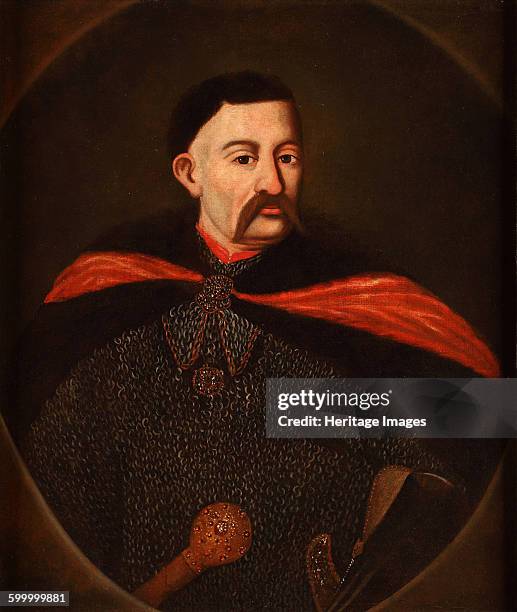
John III Sobieski
 (Jan III Sobieski)
King of Poland and Grand Duke of Lithuania whose legendary Winged Hussar charge saved Vienna from Ottoman conquest in 1683.
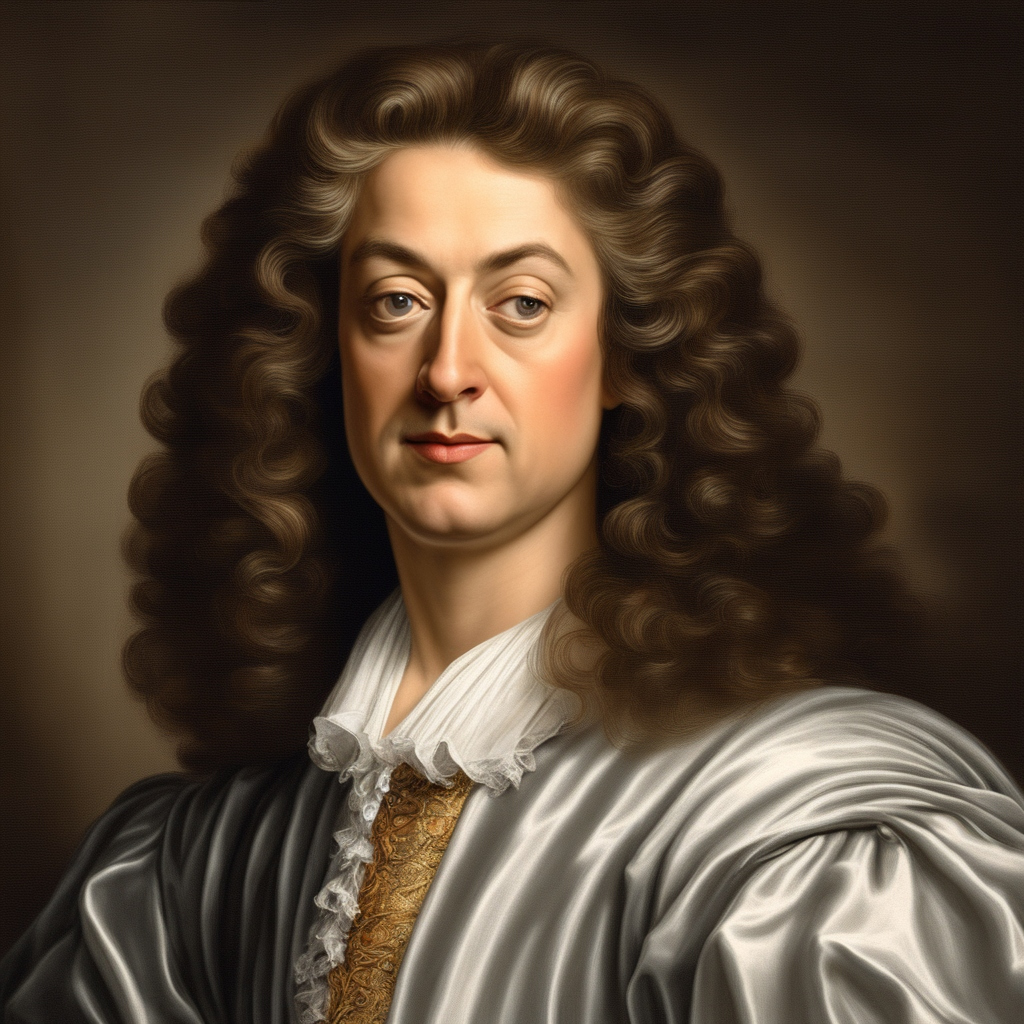
Henry Purcell
(Henry Purcell)
Greatest English Baroque composer whose sublime theatrical music, anthems, and opera Dido and Aeneas defined British music.
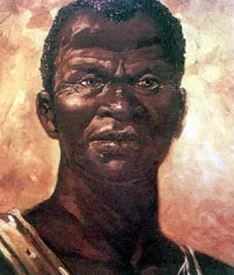
Zumbi dos Palmares (Zumbi dos Palmares)
Heroic military commander and last sovereign king of the Quilombo dos Palmares, the legendary free fugitive state of 30,000 Africans, indigenous peoples, and poor whites that resisted Portuguese colonial assaults for nearly a century.
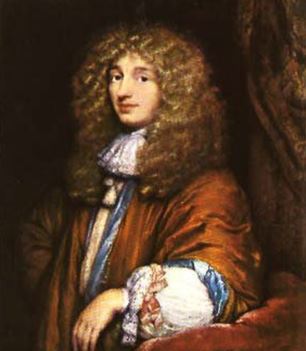
Christiaan Huygens
 (Christiaan Huygens)
Dutch polymath who formulated the wave theory of light (Huygens' principle), invented the pendulum clock, discovered Saturn's rings and moon Titan, and derived centrifugal force formulas.
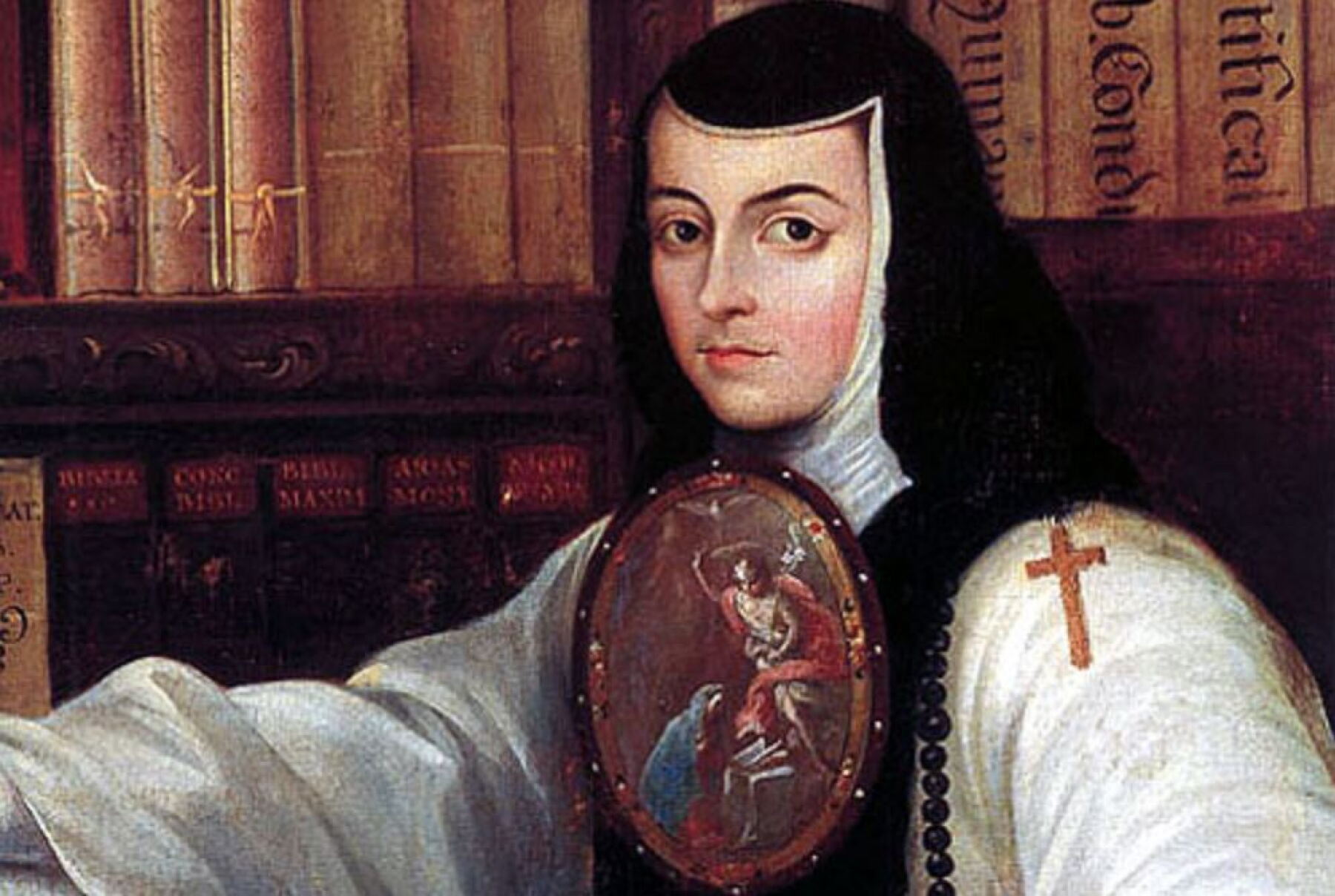
Sor Juana Inés de la Cruz
 (Juana Inés de Asbaje y Ramírez de Santillana)
Mexican Hieronymite nun, Baroque polymath, and poet known as 'The Tenth Muse' and the first published feminist of the Americas.
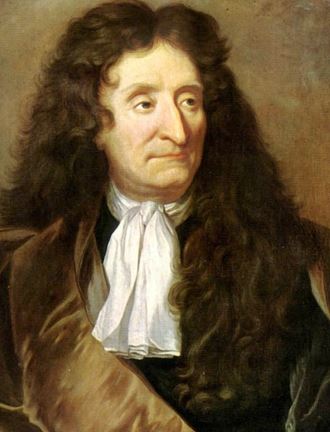
Jean de La Fontaine
(Jean de La Fontaine)
Preeminent French fabulist and poet whose 243 Fables—adapting Aesop and Indian Panchatantra tales into sparkling verse like The Crow and the Fox—provided a witty, razor-sharp critique of court politics and human nature.
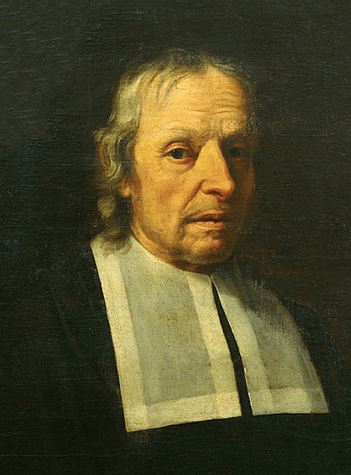
Marcello Malpighi
 (Marcello Malpighi)
Italian physician who discovered blood capillaries in frog lungs, completing Harvey's circulatory loop, and pioneered histology (Malpighian corpuscles of the kidney and spleen).
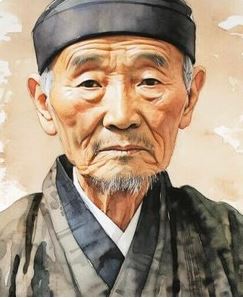
Matsuo Munefusa (Matsuo Basho)
(松尾芭蕉)
Supreme master of Japanese haiku poetry whose Zen-infused verses and travelogue The Narrow Road to the Deep North (Oku no Hosomichi) elevated the 17-syllable poem into a timeless spiritual art form.
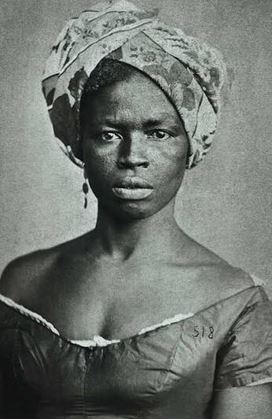
Dandara dos Palmares (Dandara dos Palmares)
Afro-Brazilian warrior queen, capoeira master, and military commander of Quilombo dos Palmares alongside her partner Zumbi, who chose death by leaping from a mountain precipice rather than submit to colonial re-enslavement.
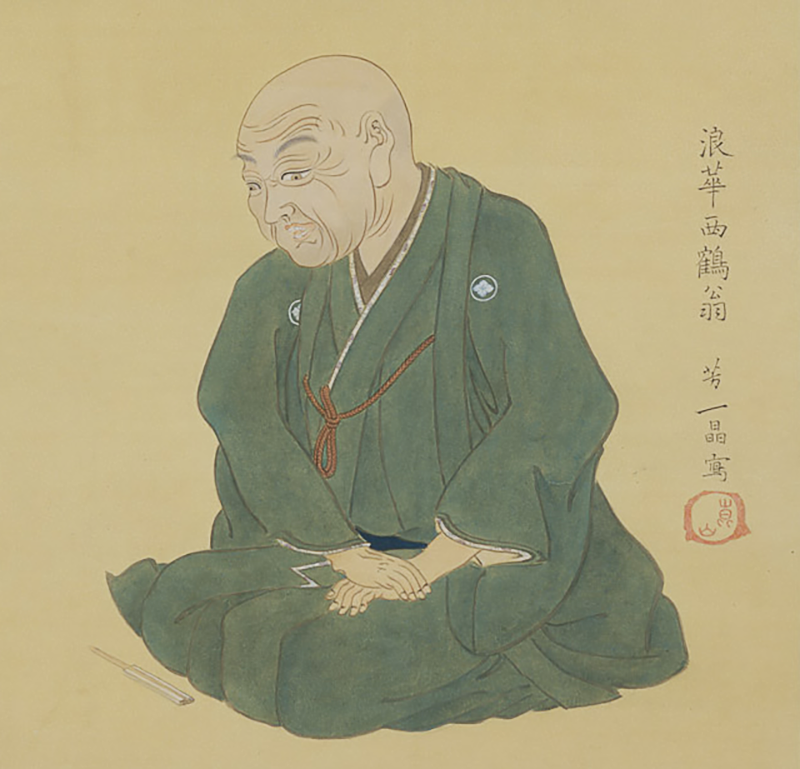
Ihara Saikaku
(井原西鶴 (Hirayama Togo))
Seventeenth-century Japanese poet and novelist (1642–1693) who created the 'ukiyo-zoshi' (books of the floating world) genre, revolutionizing Japanese popular prose fiction with realistic depictions of urban merchant life and courtesan culture.
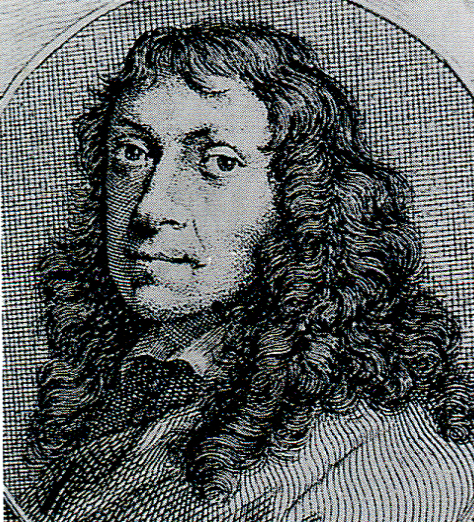
Willem Kalf
 (Willem Kalf)
Foremost Dutch painter of pronkstilleven (sumptuous still lifes) whose dramatic chiaroscuro rendered peeled lemons, Ming porcelain, and Venetian glass with astonishing optical brilliance.