 Russia
•
15 views
Russia
•
15 views
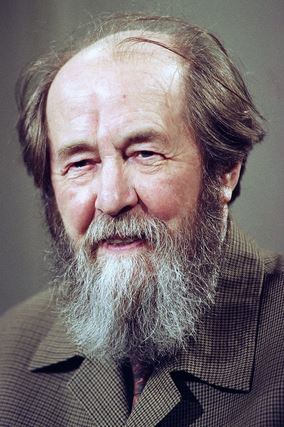
Aleksandr Solzhenitsyn

Kislovodsk, Russia
Archival Overview
Aleksandr Solzhenitsyn was a monumental Russian novelist, historian, and dissident whose epic exposé of the Soviet forced-labor camp system, The Gulag Archipelago, shattered Western illusions regarding totalitarian communism and altered the moral course of twentieth-century history. Awarded the 1970 Nobel Prize in Literature, he survived eight years in the Gulag and internal exile before being stripped of his Soviet citizenship and expelled in 1974.
Biographical Record
Aleksandr Isayevich Solzhenitsyn was born in Kislovodsk. Serving with distinction as an artillery captain in the Red Army during World War II, he was arrested in February 1945 for writing derogatory remarks about Joseph Stalin in personal letters to a friend. Sentenced to eight years in labor camps followed by perpetual internal exile in Kazakhstan, Solzhenitsyn endured brutal conditions in the specialized political camp of Ekibastuz, while also surviving stomach cancer.
During the Khrushchev Thaw, Solzhenitsyn was permitted to publish One Day in the Life of Ivan Denisovich (1962), a stark novella depicting a single day of a prisoner in a Soviet labor camp. The book became an instant global sensation, marking the first sanctioned public acknowledgment of Stalinist camp terrors. When ideological repression resumed under Brezhnev, Solzhenitsyn's manuscripts were banned, forcing him to circulate his masterpieces—including The First Circle and Cancer Ward—via underground samizdat and abroad. In 1970, he was awarded the Nobel Prize in Literature.
Working in total secrecy, Solzhenitsyn compiled The Gulag Archipelago, an immense three-volume historical and literary chronicle constructed from the eyewitness testimonies and personal accounts of 227 survivors. When KGB agents seized a hidden copy in 1973, Solzhenitsyn ordered immediate publication in Paris. In February 1974, he was arrested, charged with high treason, stripped of citizenship, and expelled from the USSR. Settling in Cavendish, Vermont, he continued writing relentlessly before making a historic return to post-Soviet Russia in 1994.
Key Life Milestones
Publication of The Gulag Archipelago
Published his monumental historical indictment of Soviet labor camps in Paris, dealing a fatal ideological blow to totalitarian legitimacy.
Expulsion and Exile from the USSR
Arrested for treason, stripped of his Soviet citizenship, and forcibly deported to West Germany, beginning two decades of exile.
Memorial Guestbook & Tributes
0 messages recordedLeave a Respectful Tribute
Final Resting Place
Perpetual MemorialMoscow, Russia