Public Figures & Cultural Luminaries
Filterable archive covering centuries of intellectual, artistic, and moral contributions to the human story.
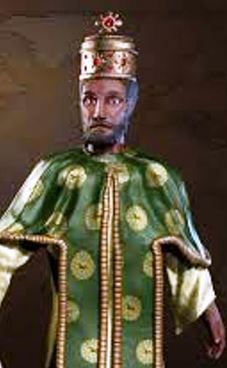
Zar Yaqob (ዘርዐ ያዕቆብ)
Seventeenth-century Ethiopian philosopher whose 1667 treatise Hatata pioneered rationalist deconstructive philosophy and individual conscience years before John Locke and Spinoza.
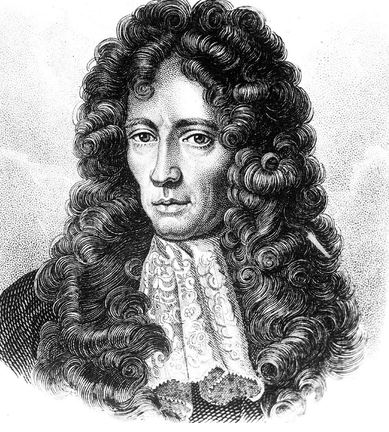
Robert Boyle
 (Robert Boyle)
Founding Fellow of the Royal Society who formulated Boyle's Law of gas pressure and volume, and authored The Sceptical Chymist (1661), defining chemical elements as unmingled bodies.
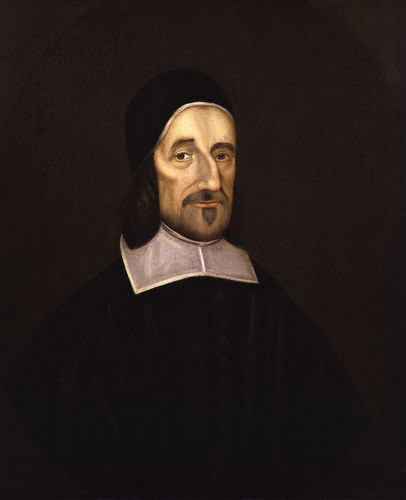
Richard Baxter
 (Richard Baxter)
English Puritan churchman, poet, and pastoral pioneer whose 'The Reformed Pastor' and 'The Saints' Everlasting Rest' set the gold standard for pastoral counseling and nonconformity.
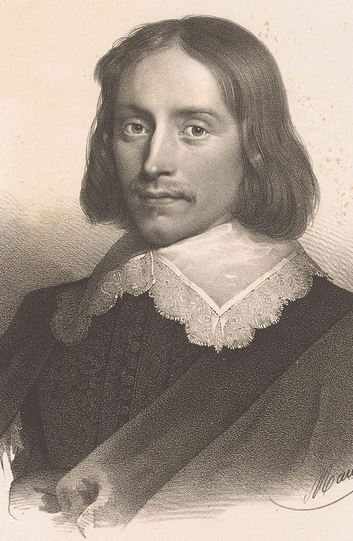
Aelbert Jacobszoon Cuyp (Aelbert Cuyp)
Dutch Golden Age landscape master renowned for his golden Mediterranean evening light bathing pastoral scenes of cattle, horsemen, and rivers around Dordrecht.
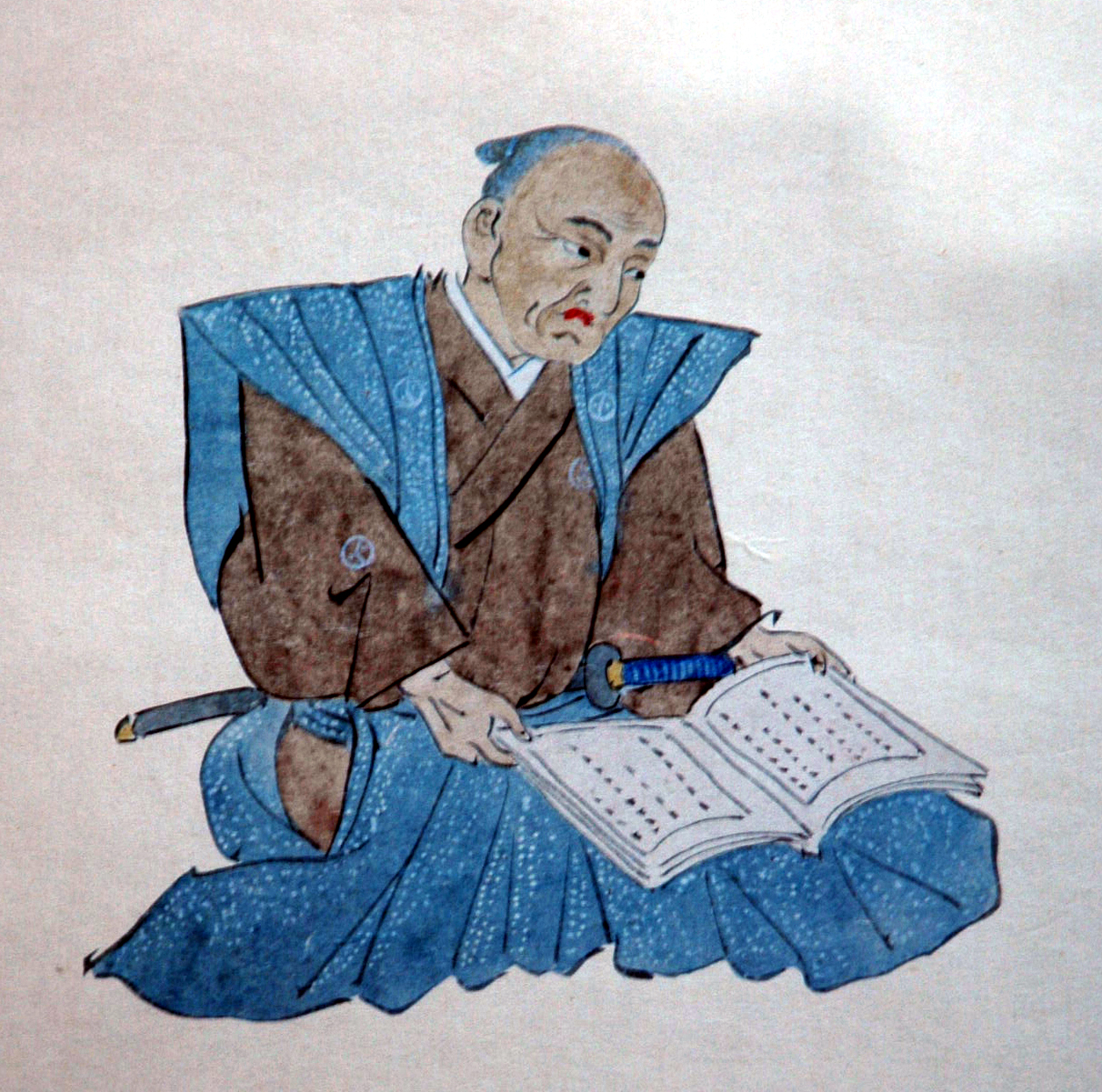
Kumazawa Banzan
 (熊沢 蕃山)
Visionary Edo-period Japanese philosopher of the Wang Yangming school (Oyomeigaku) who served as chief advisor in Okayama Domain and formulated the world's earliest comprehensive philosophy of ecological conservation and watershed management.
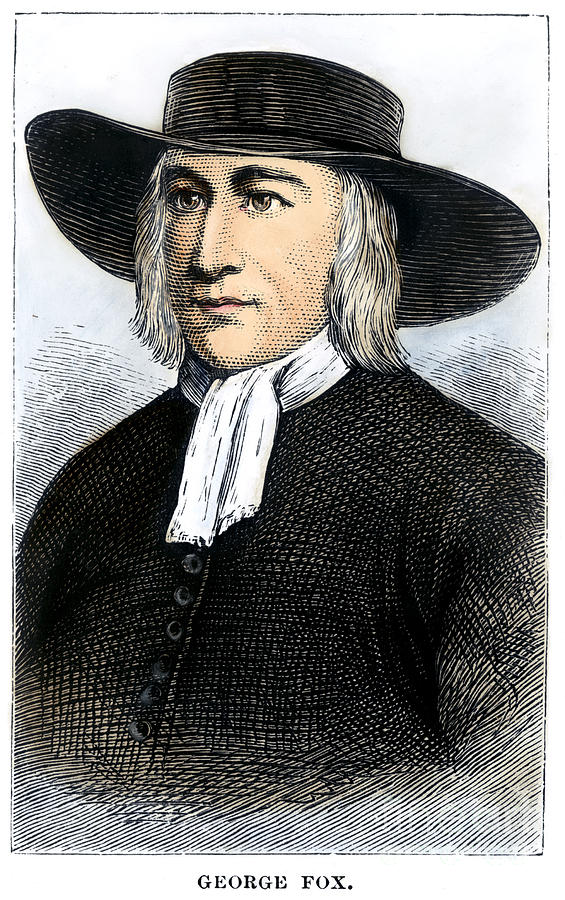
George Fox
(George Fox)
Fondateur de la Société religieuse des Amis (Quakers), précurseur de l'égalité spirituelle absolue et du témoignage pacifiste de non-violence.
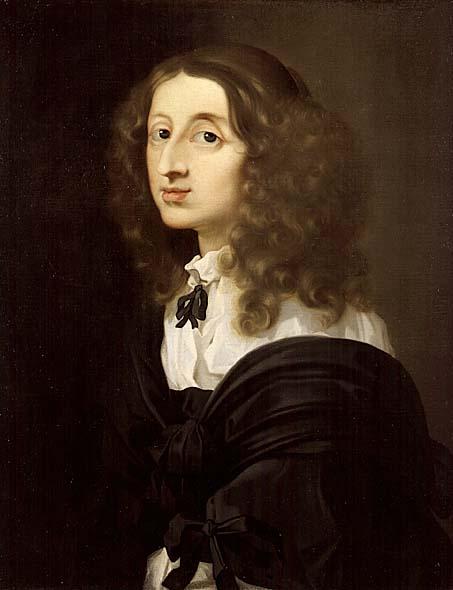
Queen Christina of Sweden
 (Drottning Kristina (Kristina Augusta))
Queen of Sweden, 'Minerva of the North', who ended the Thirty Years' War, shocked Europe by abdicating to convert to Catholicism, and lived as a patron in Rome.
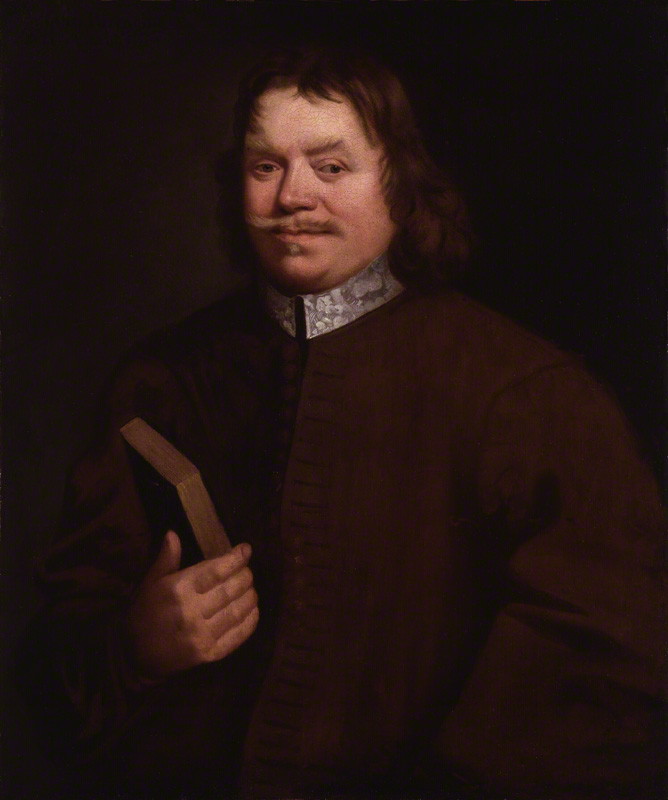
John Bunyan
(John Bunyan)
English Puritan preacher and author whose allegorical masterpiece 'The Pilgrim's Progress'—composed in Bedford Gaol—is one of the most published works in the history of world literature.
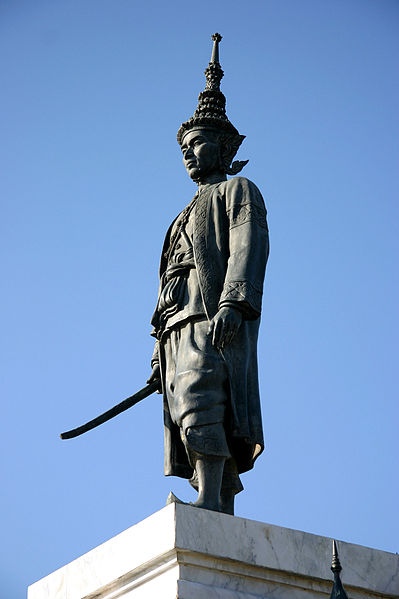
King Narai the Great
 (สมเด็จพระนารายณ์มหาราช)
Cosmopolitan King of Ayutthaya whose reign represented the peak of foreign diplomacy, literature, and astronomy, sending historic royal embassies to King Louis XIV at Versailles.
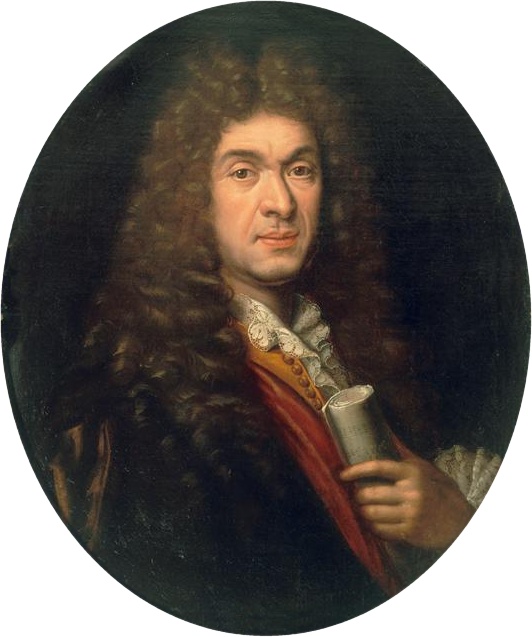
Jean-Baptiste Lully
 (Giovanni Battista Lulli)
Florentine-born French Baroque master who dominated music at the court of the Sun King Louis XIV, founded French opera (tragédie lyrique), and established orchestral discipline.
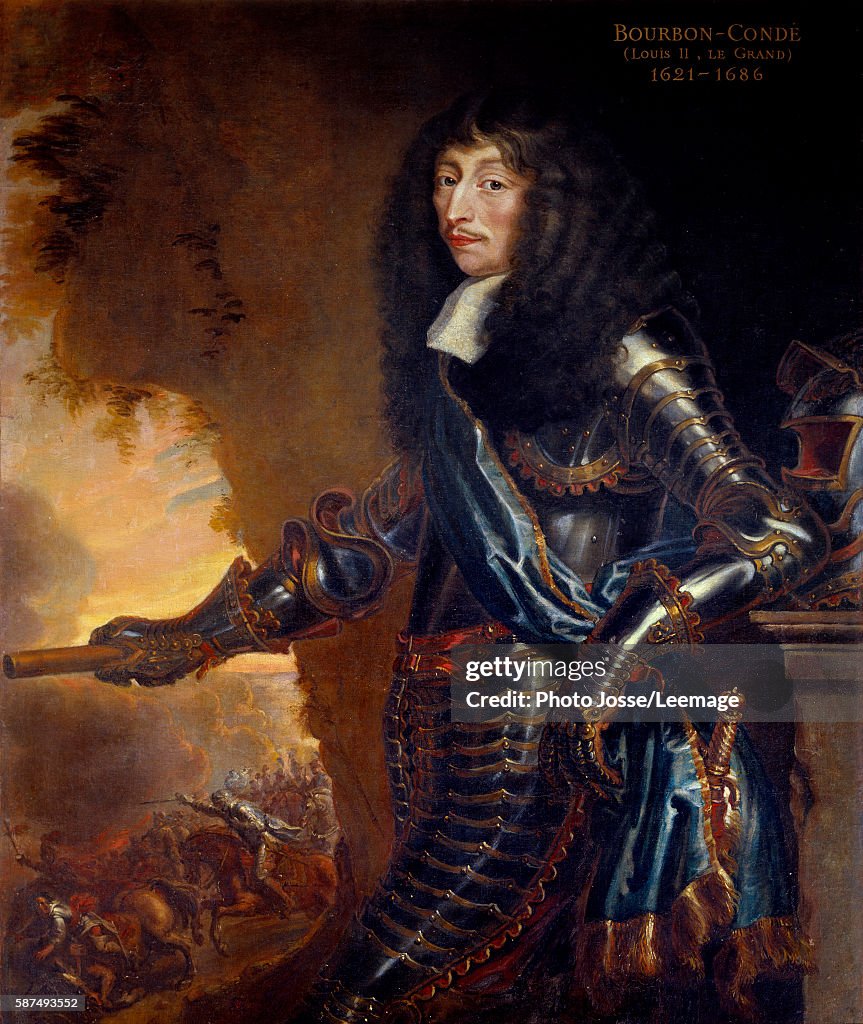
Louis II de Bourbon, Prince of Condé (The Grand Condé)
 (Louis II de Bourbon, prince de Condé)
First Prince of the Blood and French military prodigy who destroyed the invincible Spanish tercios at Rocroi at age 21 and won Lens and Seneffe.
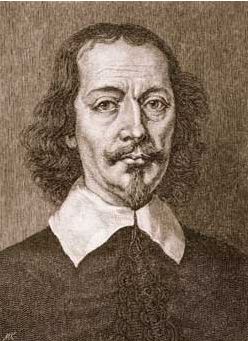
Otto von Guericke
 (Otto von Guericke)
Mayor of Magdeburg who invented the mechanical vacuum pump, staged the famous 1654 Magdeburg Hemispheres demonstration with two teams of eight horses, and built the first electrostatic generator.
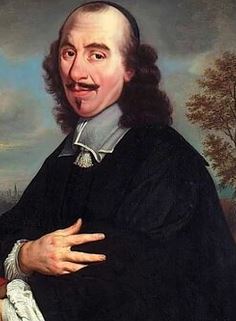
Pierre Corneille
(Pierre Corneille)
The foundational patriarch of French classical tragedy, celebrated as 'Le Grand Corneille', whose masterpieces Le Cid, Horace, and Cinna forged the heroic 'cornelian dilemma'—the agonizing triumph of moral honor and duty over love.
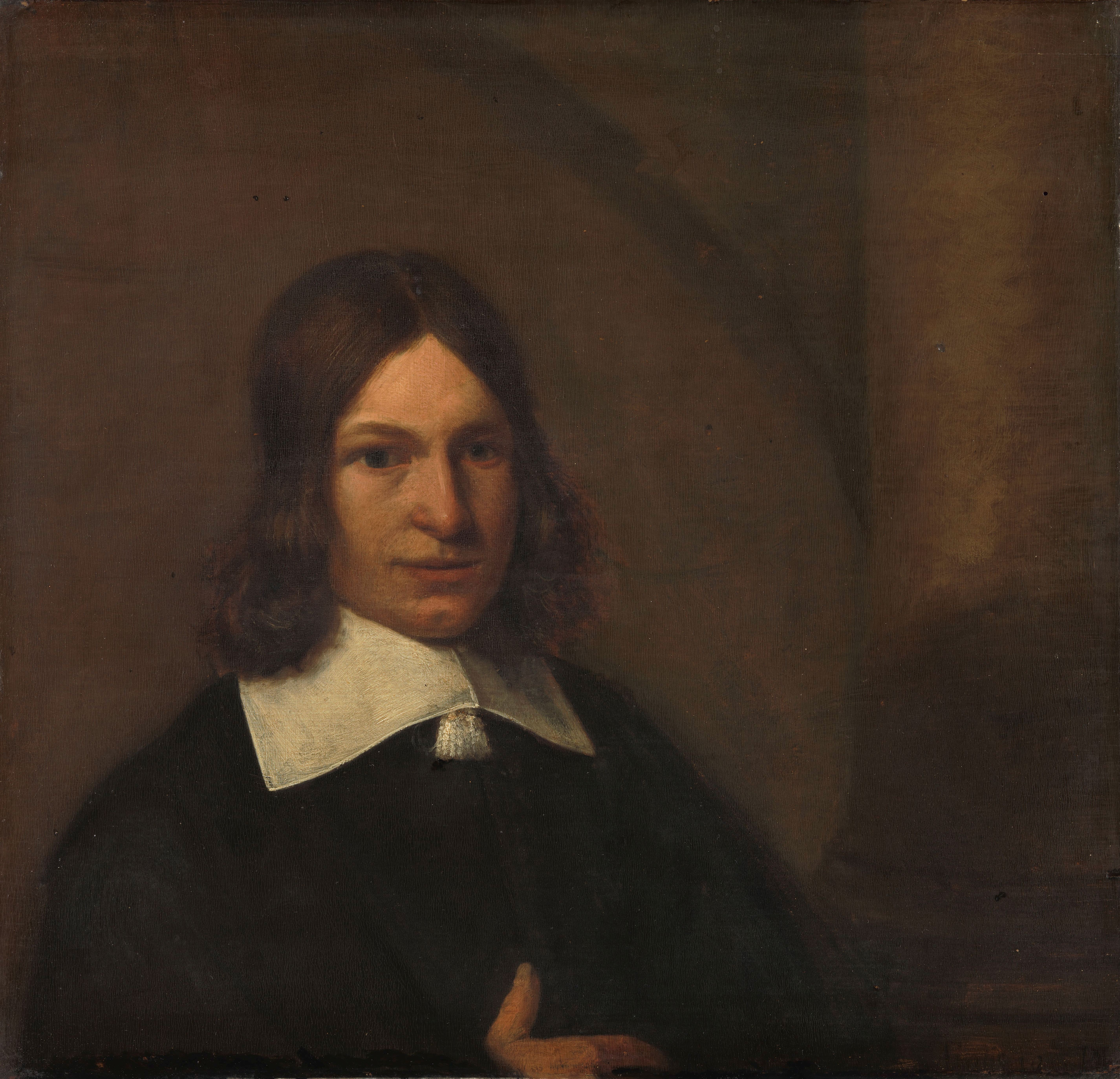
Pieter de Hooch
 (Pieter de Hooch)
Dutch Golden Age painter of Delft domestic tranquility whose mastery of open doorways, interior light (doorkijkje), and sunlit brick courtyards rivaled Johannes Vermeer.
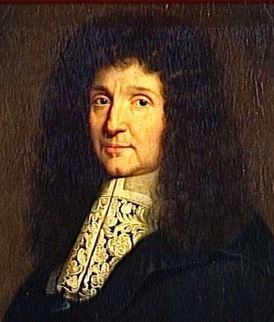
Jean-Baptiste Colbert
(Jean-Baptiste Colbert)
Pioneered industrial state planning and mercantilism, creating the industrial, commercial, and naval infrastructure that financed the Grand Siècle.
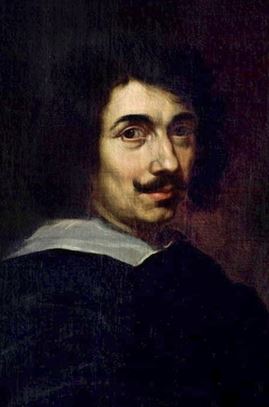
Claude Lorrain
(Claude Gellée)
Master of idealized classical landscape and golden atmospheric light who transformed landscape into high fine art.
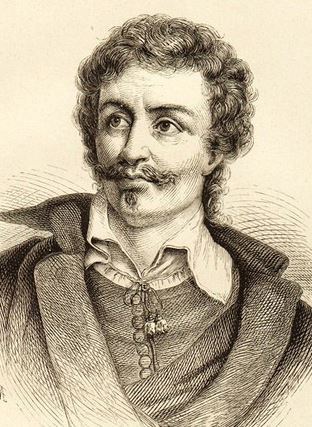
Jacob Isaackszoon van Ruisdael (Jacob van Ruisdael)
Foremost landscape painter of the Dutch Golden Age whose dramatic cloud-filled skies, churning waterfalls, and 'The Jewish Cemetery' infused nature with heroic poetics.
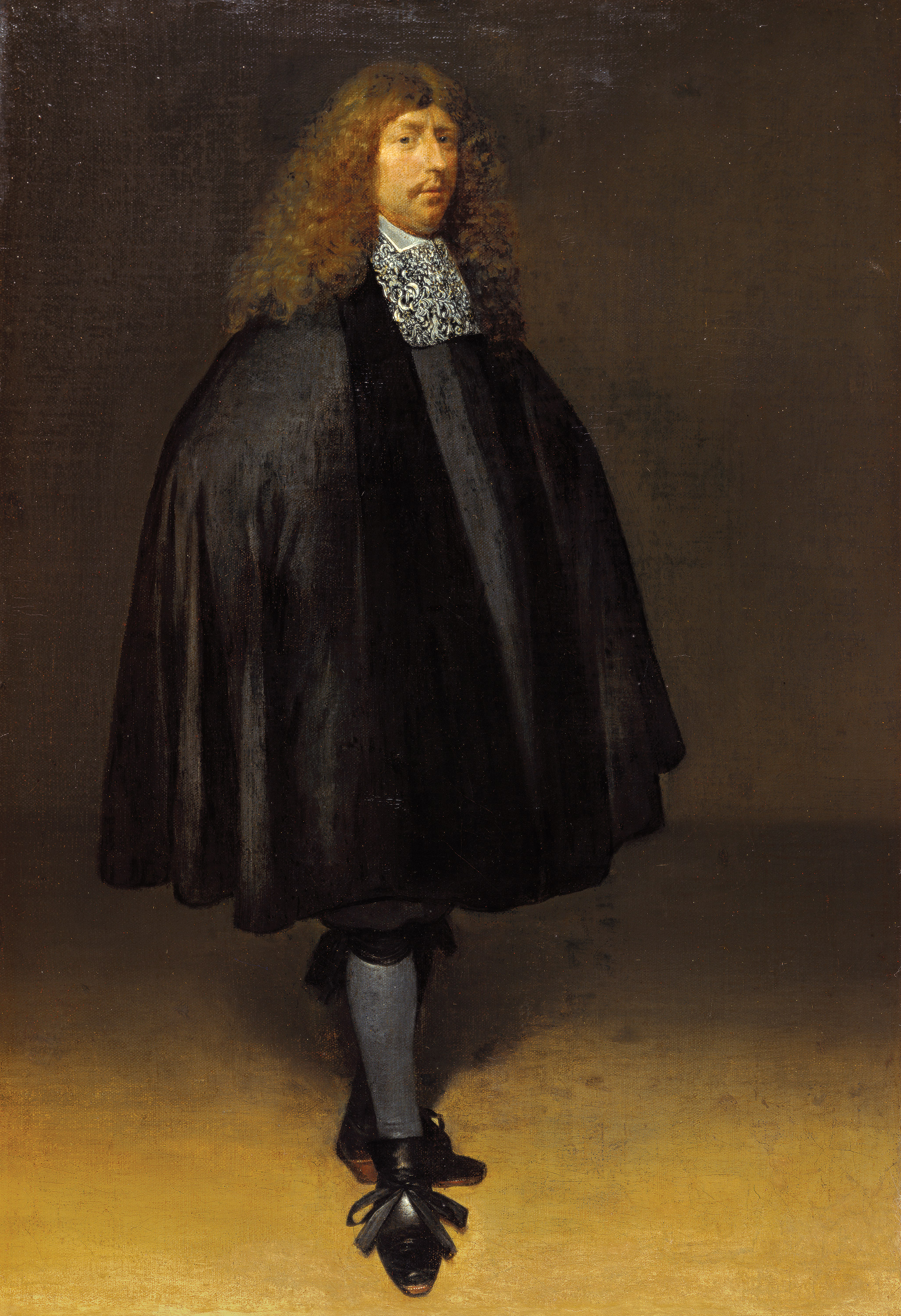
Gerard ter Borch
(Gerard ter Borch)
Dutch Golden Age master of delicate genre scenes and diplomatic history whose rendering of shimmering white satin and subtle psychological interactions was unmatched.