Public Figures & Cultural Luminaries
Filterable archive covering centuries of intellectual, artistic, and moral contributions to the human story.
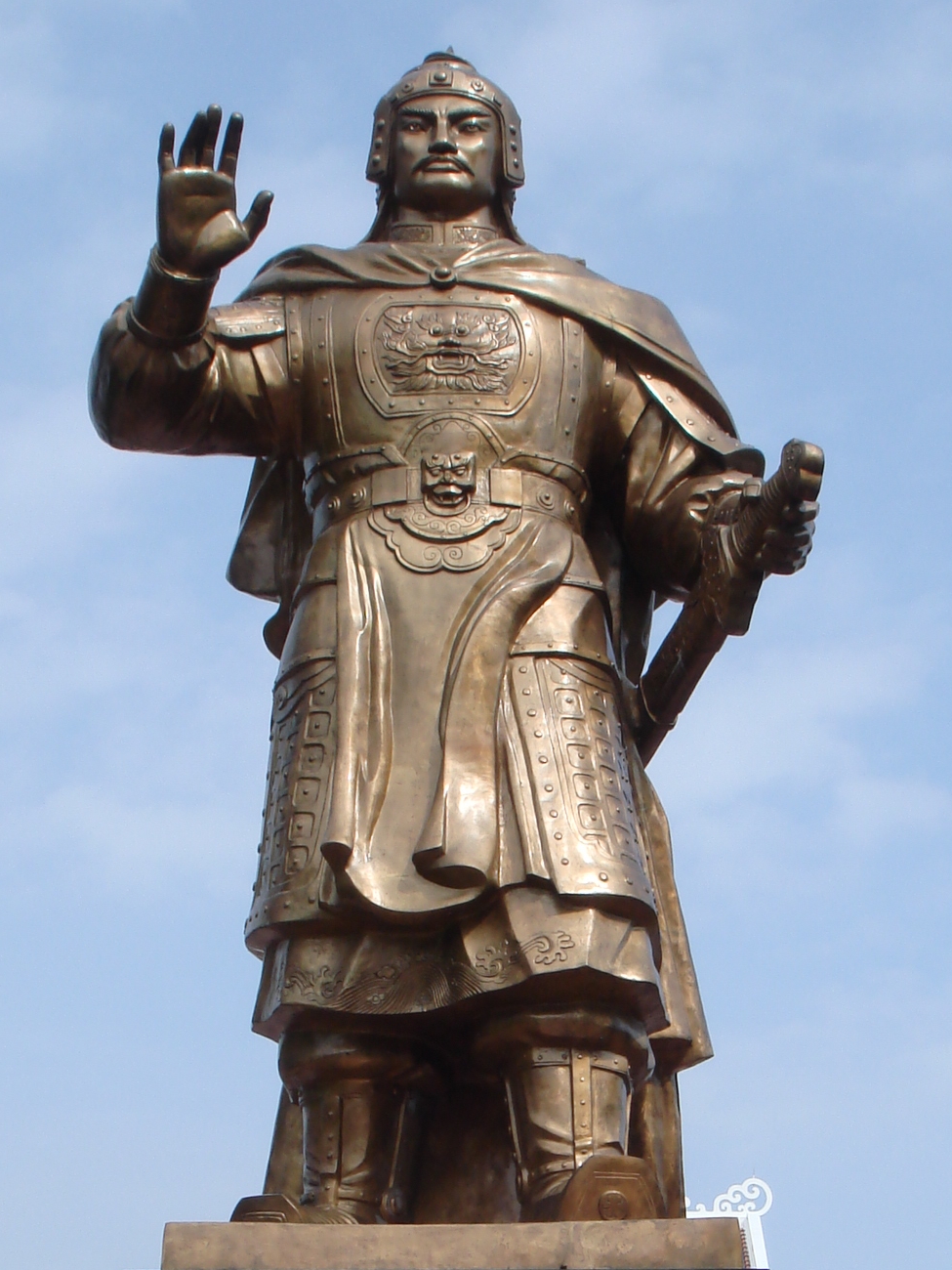
Quang Trung
 (Quang Trung (Nguyễn Huệ))
Brilliant military genius and Emperor of Vietnam of the Tay Son Dynasty who crushed a 200,000-man Qing Chinese invasion force in a lightning surprise attack during Tet in 1789.
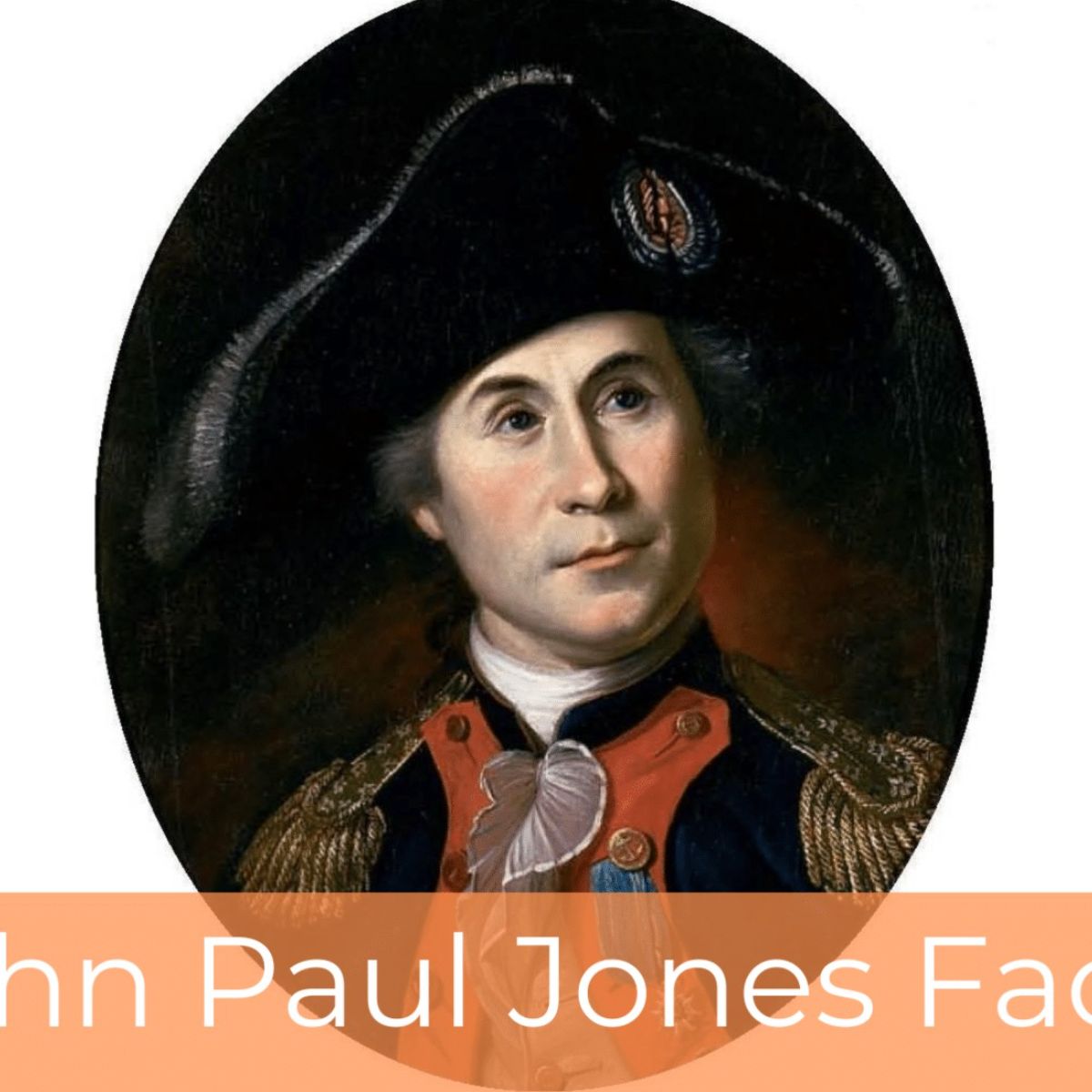
John Paul Jones (Father of the US Navy)
 (John Paul Jones)
Scottish-American naval captain venerated as the 'Father of the United States Navy' who raided British home waters and uttered 'I have not yet begun to fight!'
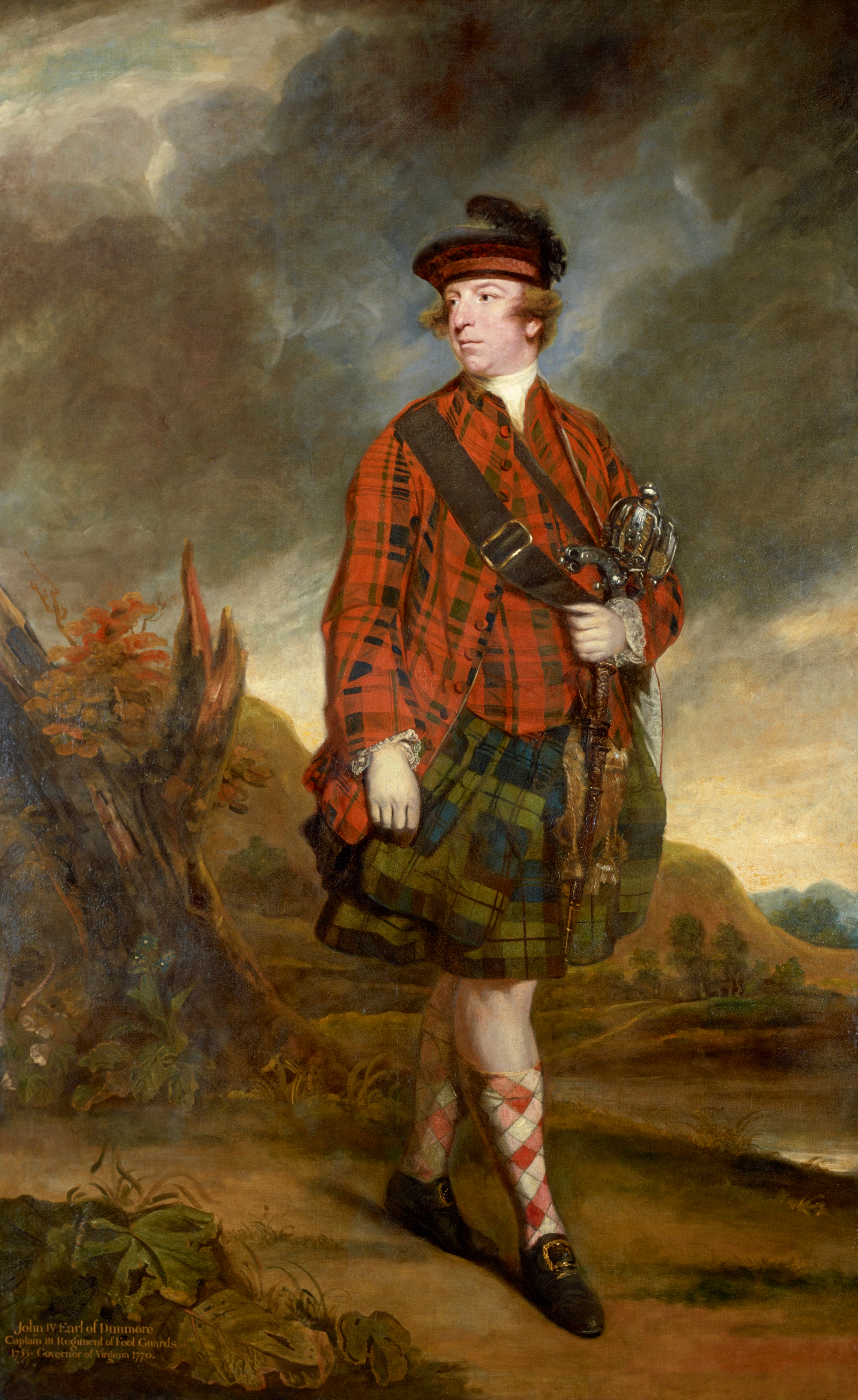
Sir Joshua Reynolds
(Joshua Reynolds)
First President of the Royal Academy of Arts whose 'Discourses on Art' championed the 'Grand Style' and who elevated British portraiture to heroic neoclassical dignity.
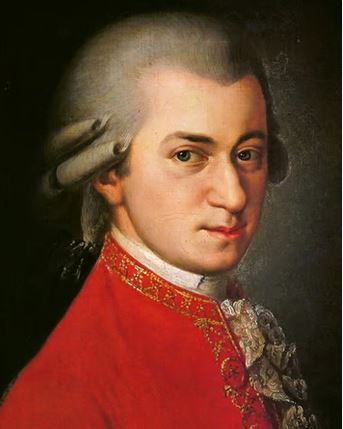
Johannes Chrysostomus Wolfgangus Theophilus Mozart
 (Wolfgang Amadeus Mozart)
Transcendent child prodigy and supreme musical genius whose unmatched elegance, dramatic psychology, and melodic perfection across over 600 works—including Don Giovanni, The Magic Flute, and the Requiem—define the peak of Classical music.
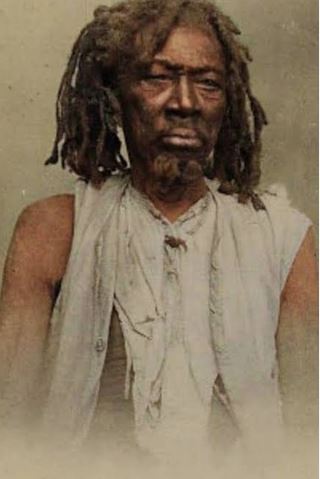
Dutty Boukman (Dutty Boukman)
Enslaved Jamaican-born Vodou priest and maroon leader who presided over the historic ceremony at Bois Caiman on August 14, 1791, delivering the immortal prayer that ignited the Haitian Revolution.
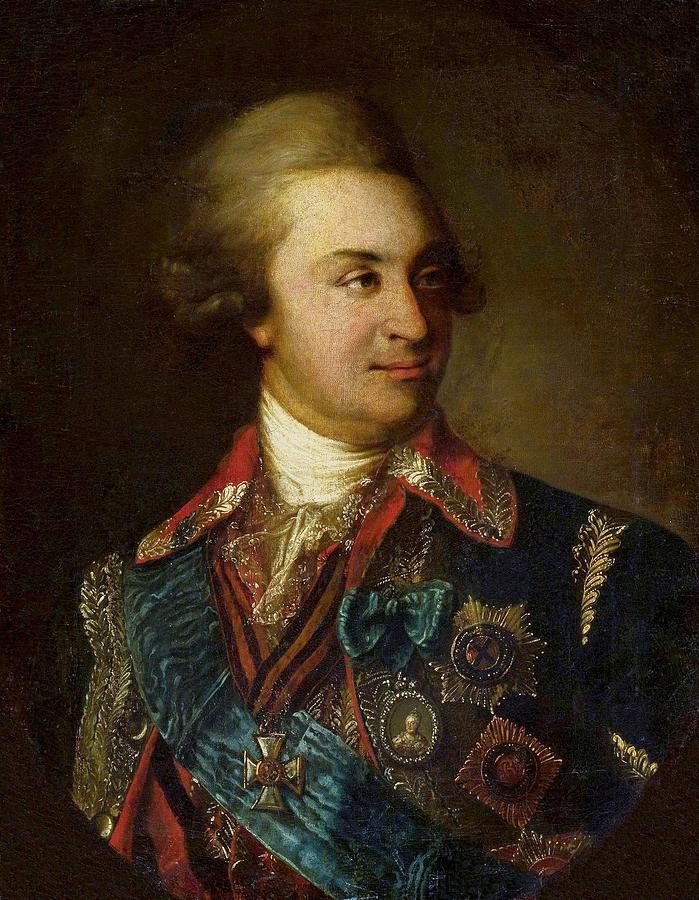
Prince Grigory Aleksandrovich Potemkin
 (Григорий Александрович Потёмкин-Таврический)
Russian military leader, statesman, and favorite of Catherine the Great who annexed Crimea, founded Sevastopol and the Black Sea Fleet, and developed Novorossiya.
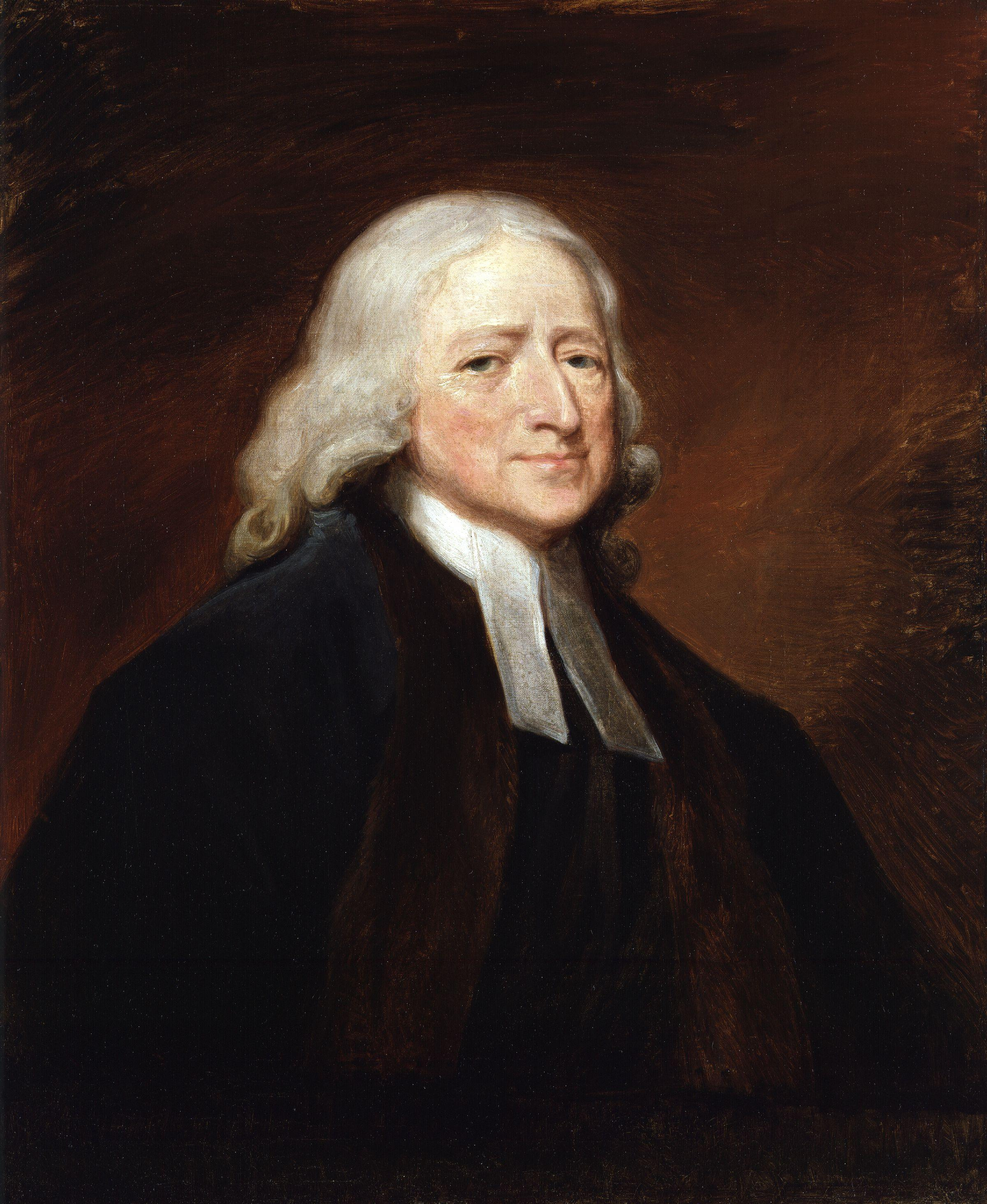
John Wesley
(John Wesley)
English cleric and theologian whose Aldersgate experience, open-air preaching, and Holy Club founded the worldwide Methodist movement and transformed 18th-century British society.
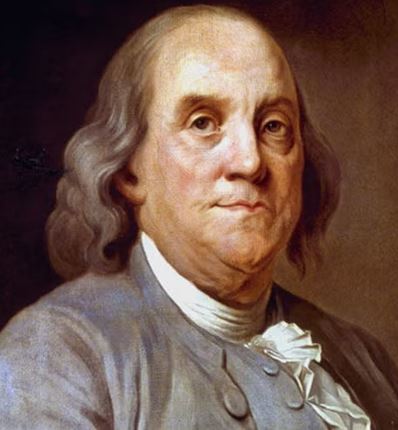
Benjamin Franklin
 (Benjamin Franklin)
Founding Father and polymath who proved that lightning is electrical through his famous kite experiment, formulated the conservation of electric charge, and invented the lightning rod and bifocal glasses.
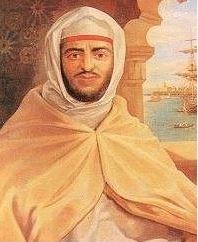
Mohammed III of Morocco (محمد الثالث بن عبد الله)
Enlightened Alaouite Sultan of Morocco who modernized foreign diplomacy, founded the Atlantic port of Essaouira in 1764, and made Morocco the very first country in the world to officially recognize the independence of the United States in 1777.
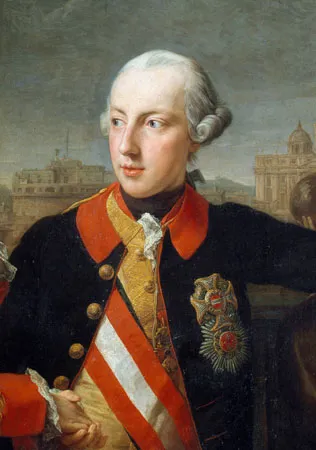
Joseph II, Holy Roman Emperor
(Joseph Benedikt August Johann Anton Michael Adam)
Radical Enlightened Despot of Austria who abolished serfdom, instituted complete religious tolerance, and patronized Wolfgang Amadeus Mozart.
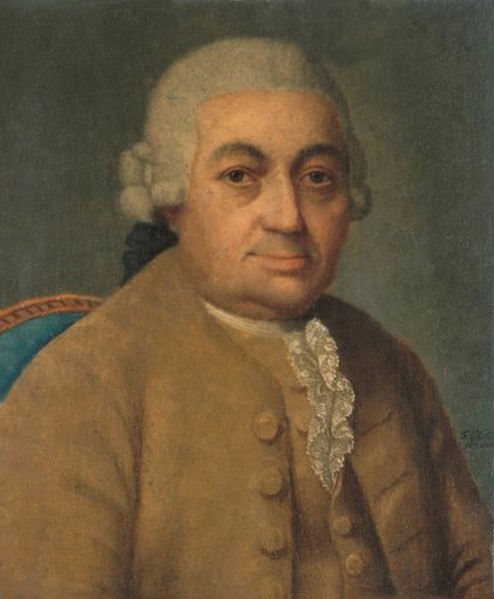
Carl Philipp Emanuel Bach
 (Carl Philipp Emanuel Bach)
Second surviving son of J.S. Bach, court harpsichordist to Frederick the Great, pioneer of the dramatic Empfindsamer Stil, and primary musical influence on Haydn and Mozart.
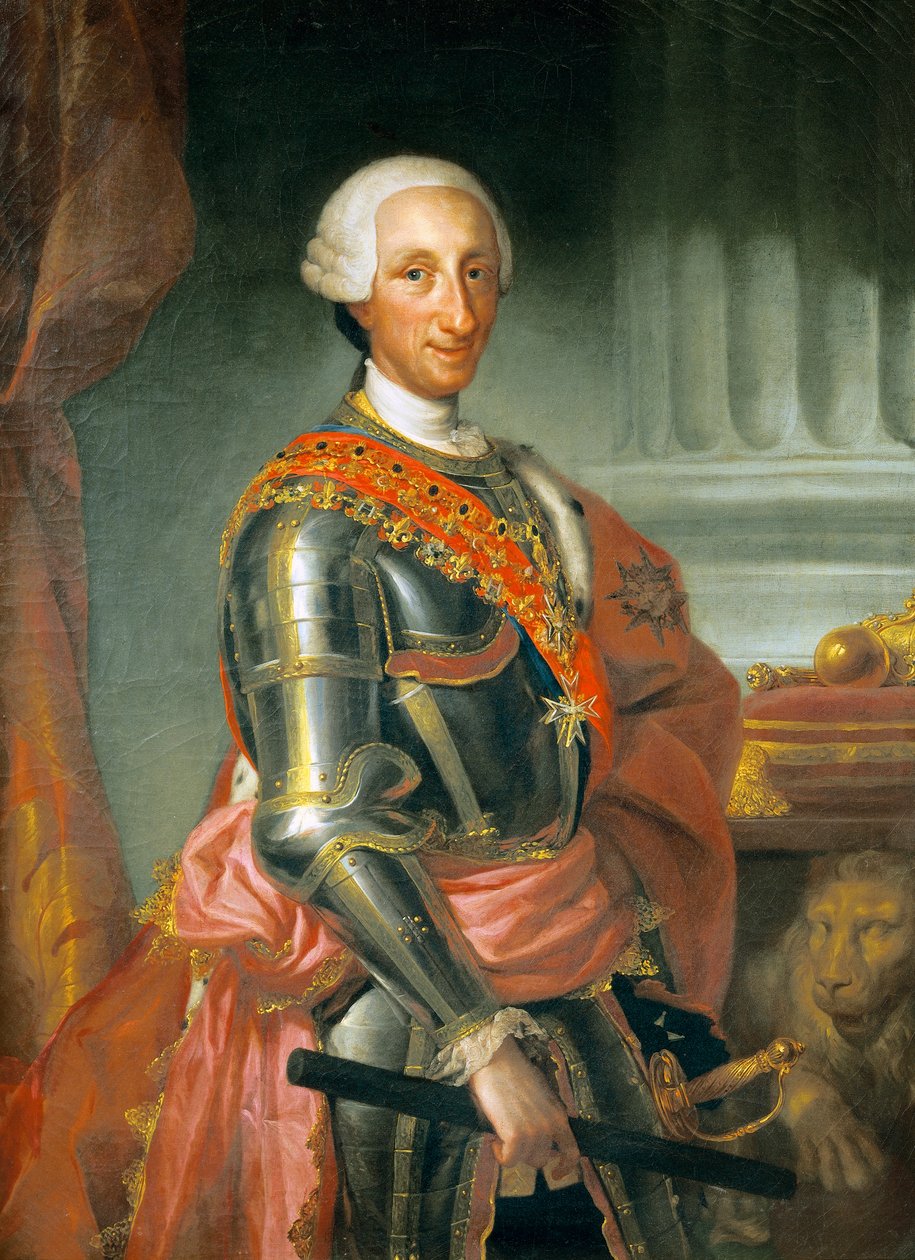
Charles III of Spain
 (Carlos III de España (El Político / El Ilustrado))
Enlightened Bourbon monarch of Spain who modernized Madrid, patronized science, and implemented the Bourbon administrative reforms.
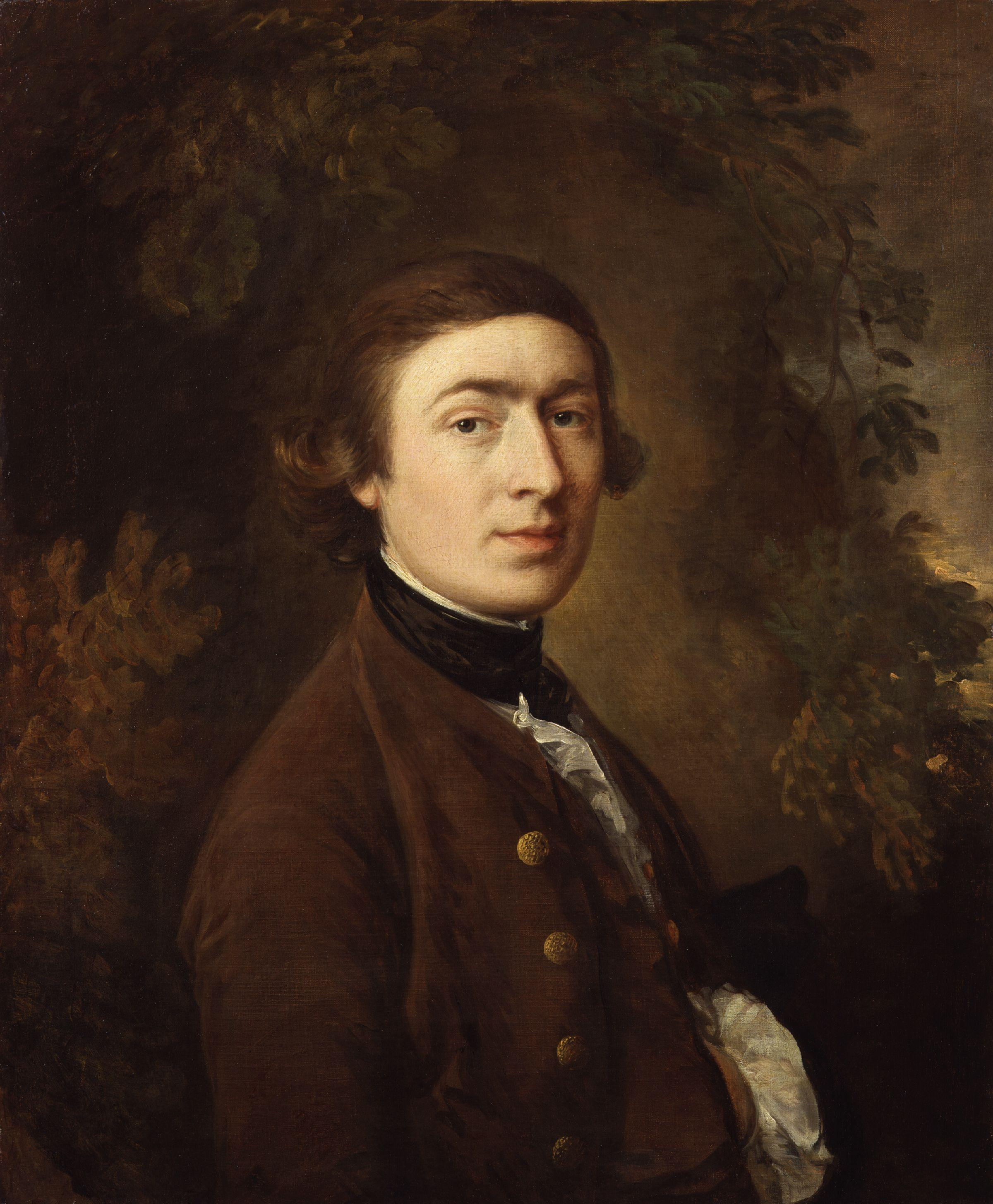
Thomas Gainsborough
(Thomas Gainsborough)
Founding member of the Royal Academy and master portraitist whose 'The Blue Boy' and lyrical landscapes captured British elegance with feathery brushstrokes and natural ease.
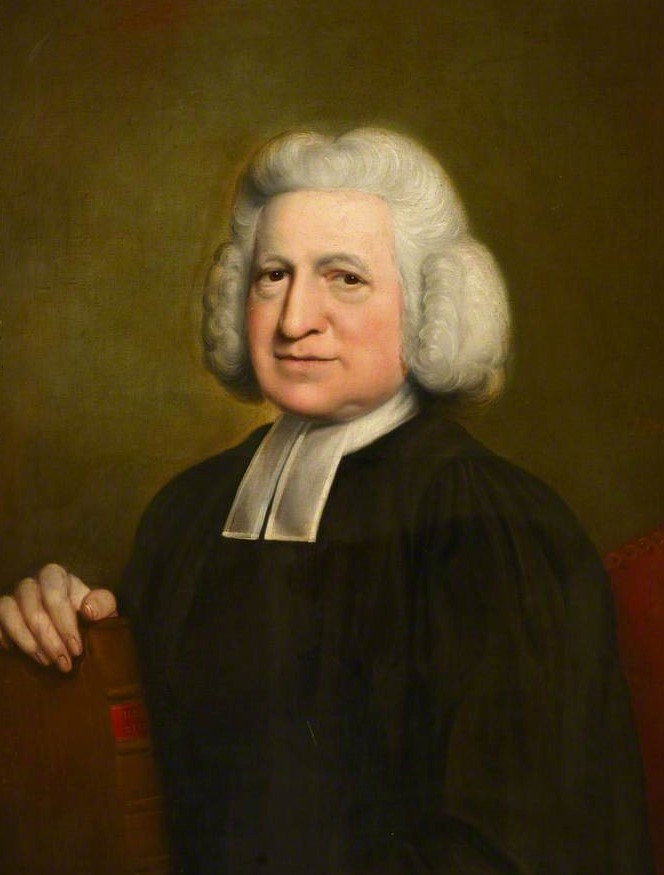
Charles Wesley
(Charles Wesley)
Prolific English hymnographer and co-founder of Methodism who penned over 6,500 hymns, including 'Hark! The Herald Angels Sing', 'And Can It Be', and 'Love Divine, All Loves Excelling'.
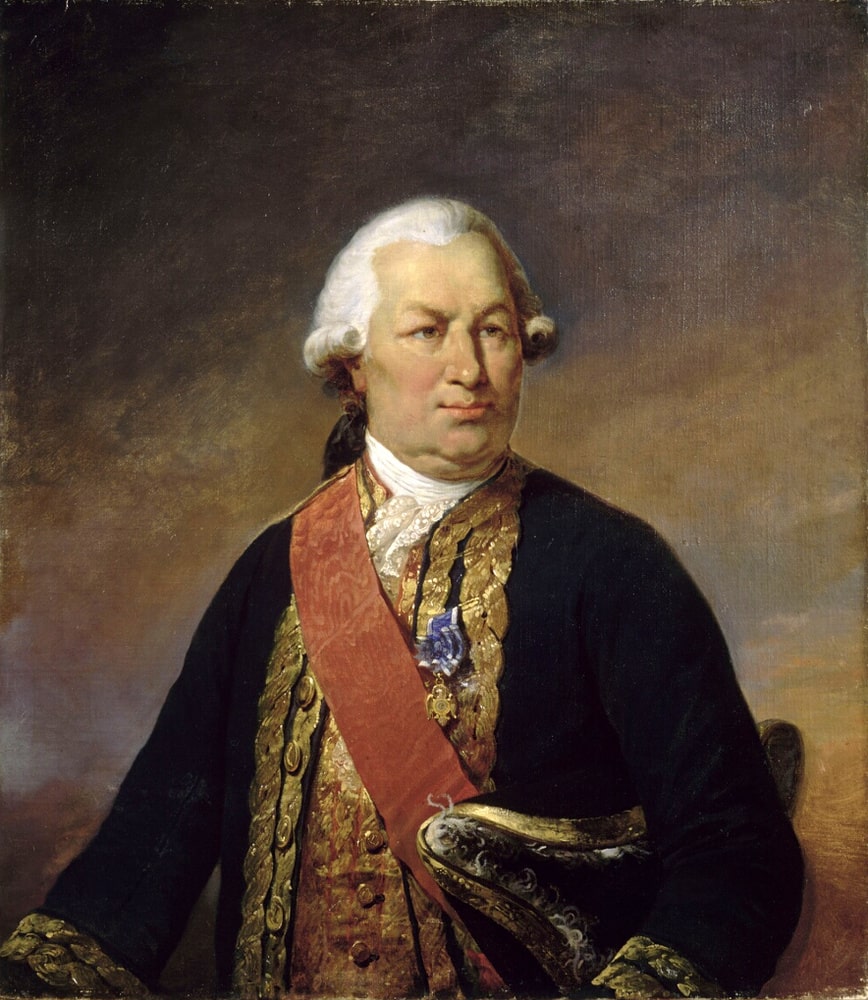
François Joseph Paul, Comte de Grasse
 (François-Joseph Paul, comte de Grasse)
French naval admiral whose victory over the British Royal Navy at the Battle of the Chesapeake sealed the fate of Lord Cornwallis at Yorktown.
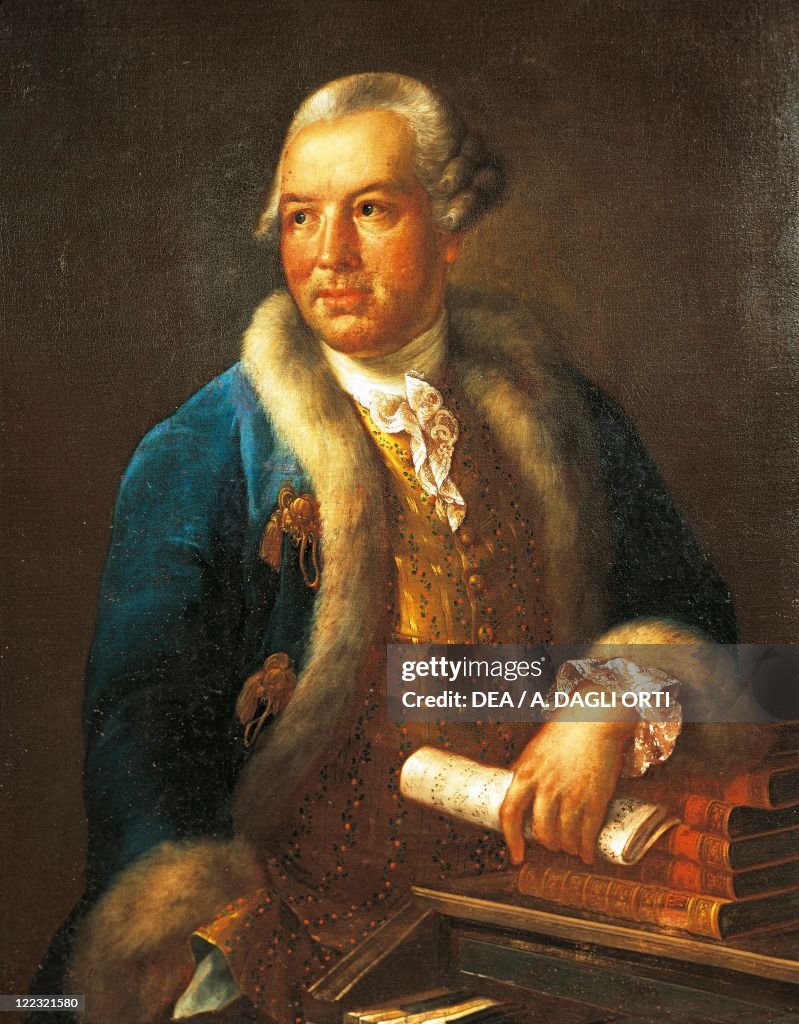
Christoph Willibald Gluck
(Christoph Willibald Ritter von Gluck)
Bohemian-German composer who reformed classical opera, subordinating vocal display to dramatic truth and theatrical unity.
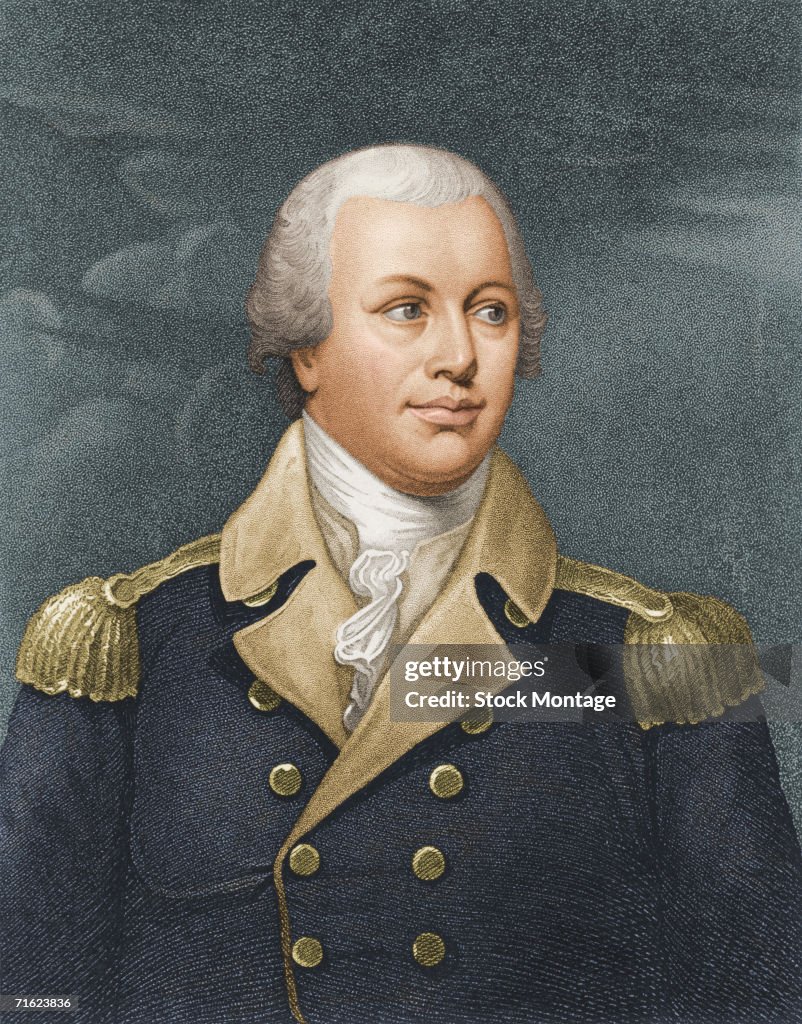
Major General Nathanael Greene
(Nathanael Greene)
Major General of the Continental Army and George Washington's most talented military strategist whose Southern Campaign of attrition wore out Cornwallis.
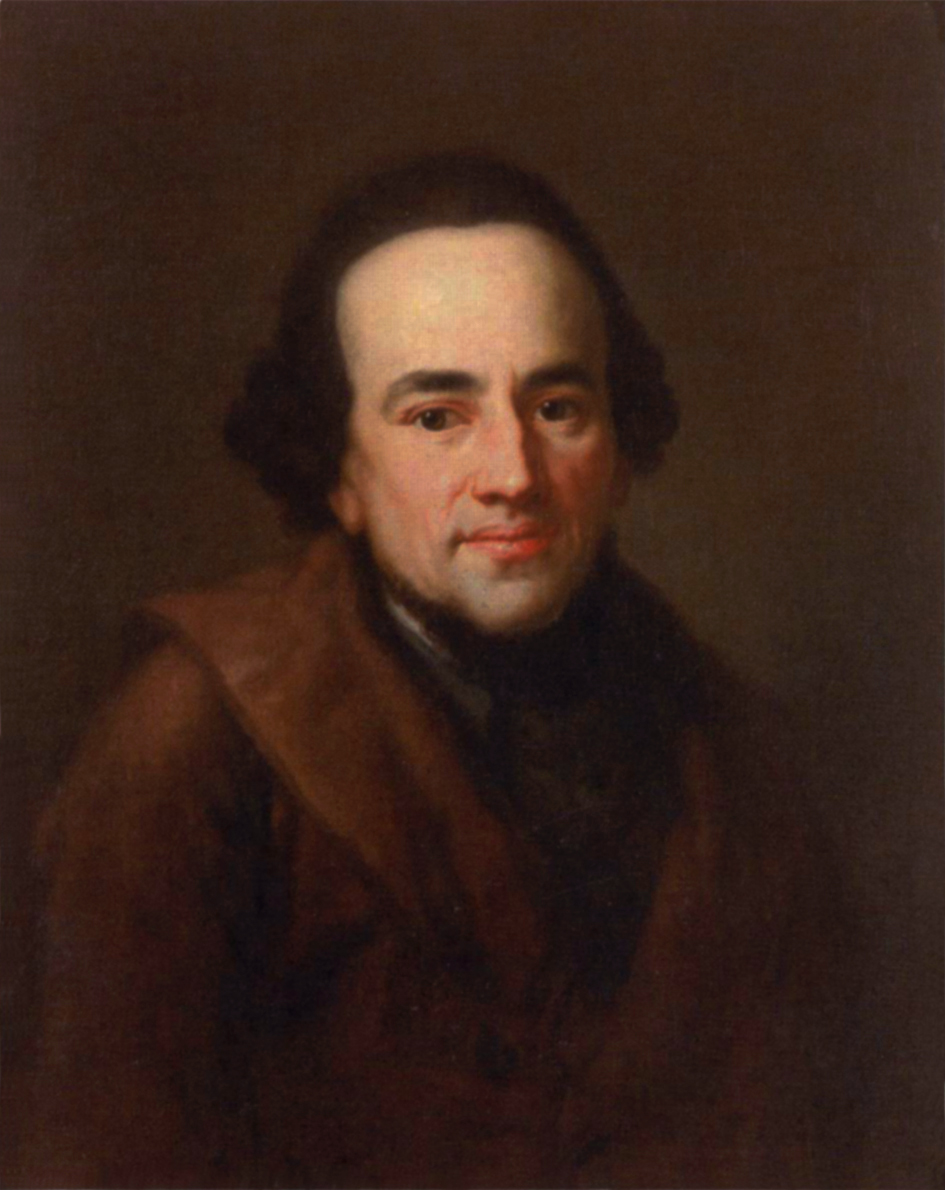
Moses Mendelssohn
(משה מנדלסזון)
German-Jewish philosopher hailed as the 'German Plato', leader of the Jewish Enlightenment (Haskalah), who translated the Torah into German and advocated religious tolerance in Jerusalem.