Public Figures & Cultural Luminaries
Filterable archive covering centuries of intellectual, artistic, and moral contributions to the human story.
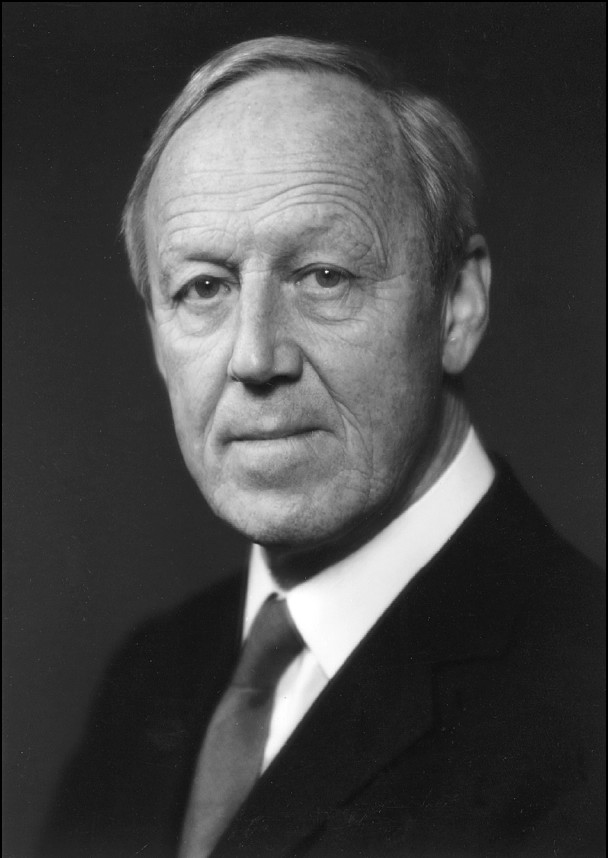
Hannes Alfvén
 (Hannes Olof Gösta Alfvén)
Swedish plasma physicist who founded magnetohydrodynamics (MHD) and won the 1970 Nobel Prize in Physics.
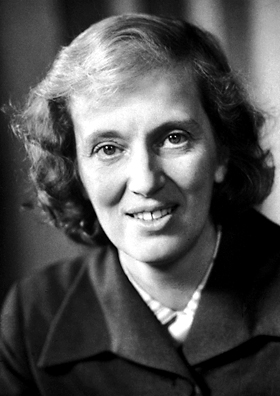
Dorothy Crowfoot Hodgkin
 (Dorothy Crowfoot Hodgkin)
British chemist and X-ray crystallographer who deciphered the atomic structures of penicillin, vitamin B12, and insulin, winning the 1964 Nobel Prize in Chemistry as a giant of structural biology.
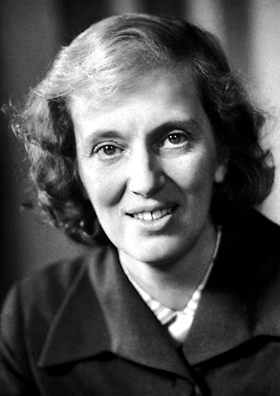
Dorothy Hodgkin
 (Dorothy Mary Crowfoot Hodgkin)
British pioneer of X-ray crystallography who determined the atomic structures of penicillin, vitamin B12, and insulin.
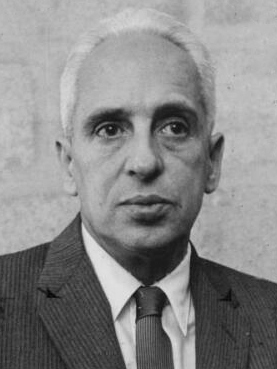
Severo Ochoa
 (Severo Ochoa de Albornoz)
Spanish-American biochemist who discovered polynucleotide phosphorylase, synthesizing RNA in vitro and deciphering key components of the universal genetic code, winning the 1959 Nobel Prize in Medicine.
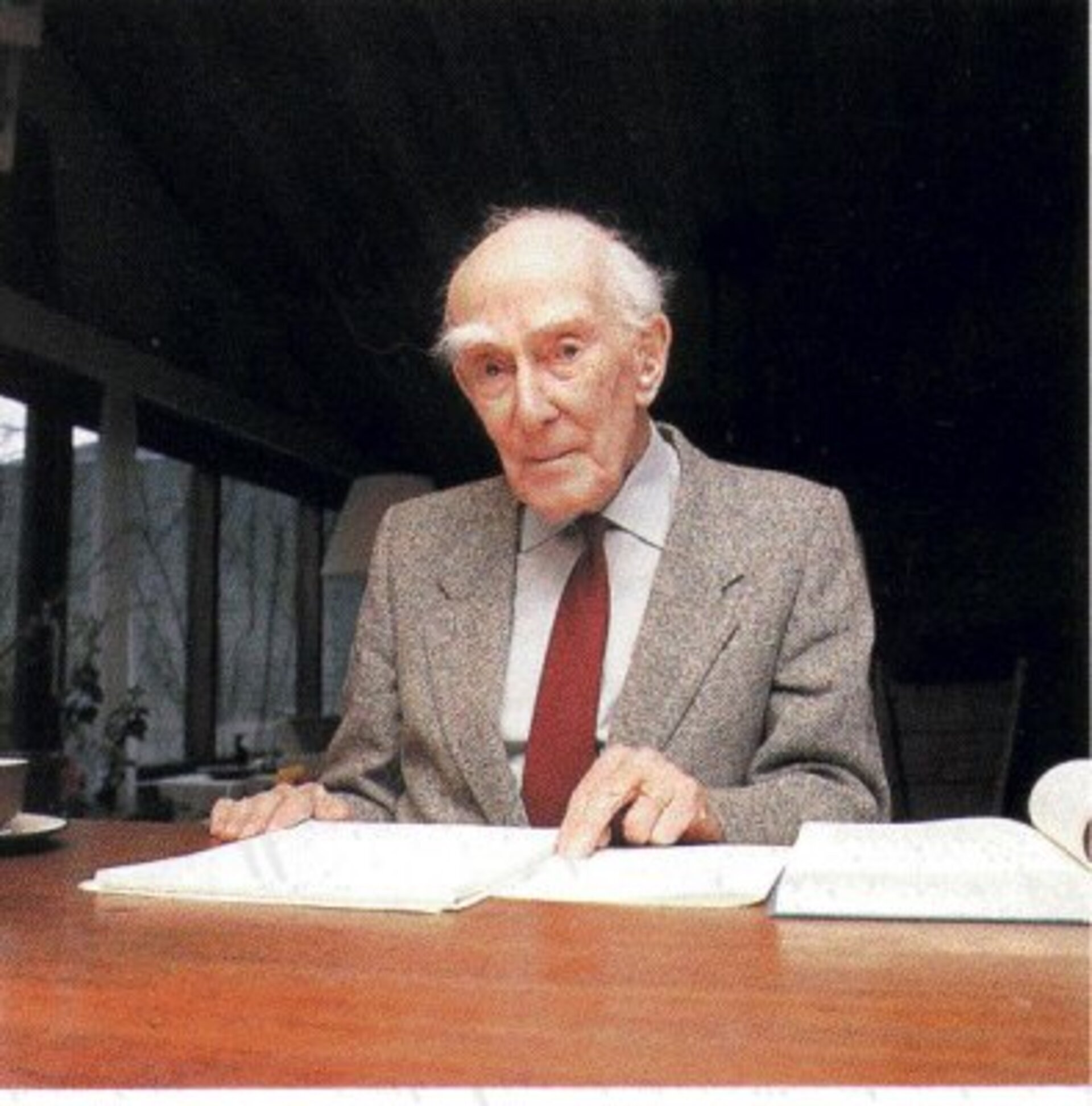
Jan Oort
 (Jan Hendrik Oort)
Visionary Dutch astronomer who proved the Milky Way rotates, located its center, and predicted the Oort cloud of comets.
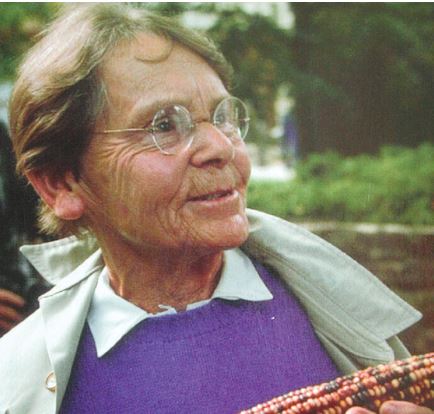
Barbara McClintock
 (Barbara McClintock)
American cytogeneticist whose discovery of mobile genetic elements (transposons or 'jumping genes') proved that genomes are dynamic, mutable systems, winning an unshared Nobel Prize in 1983.

Grace Hopper
(Grace Brewster Murray Hopper)
U.S. Navy Rear Admiral and computer pioneer who invented the first compiler and popularized machine-independent languages (COBOL).
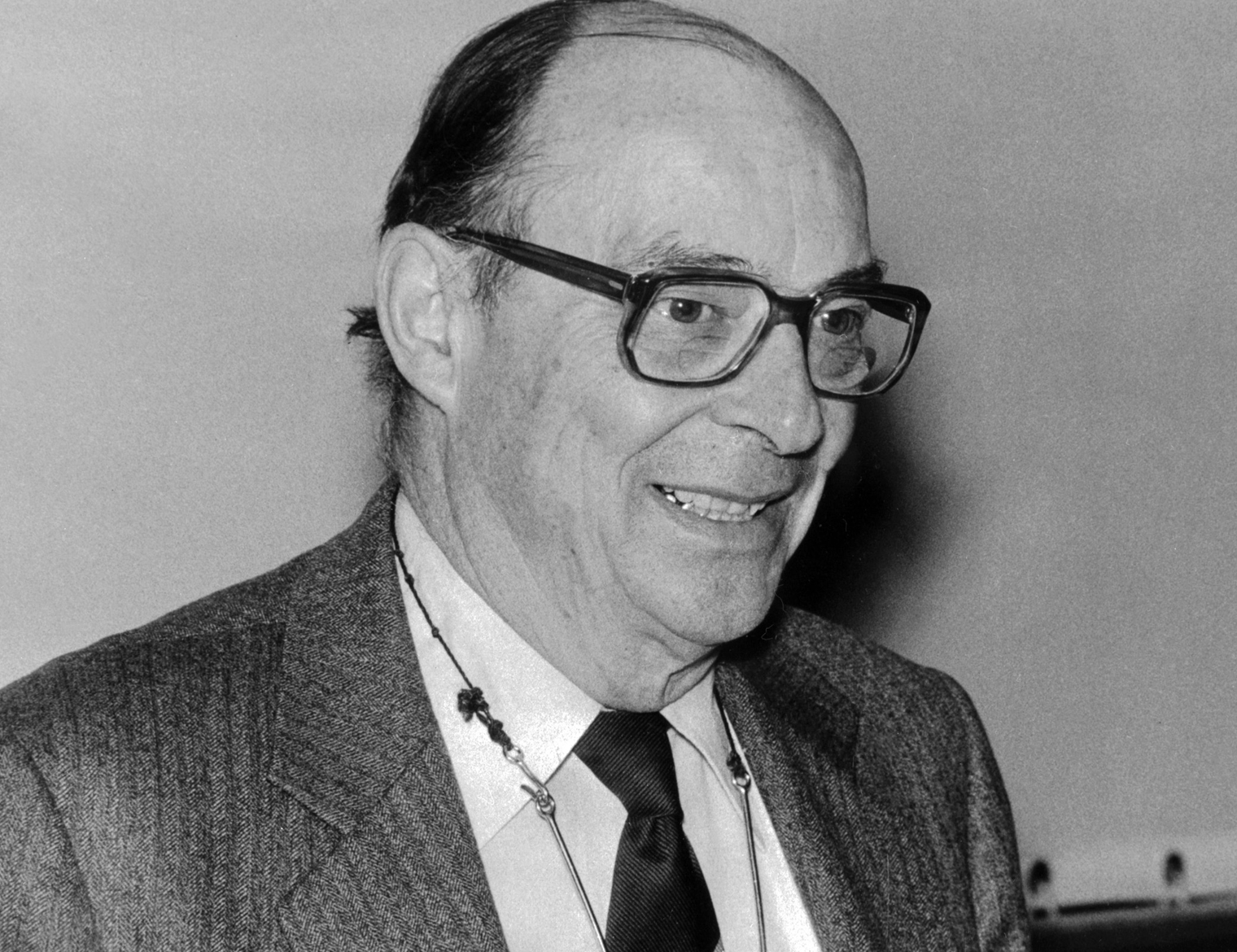
John Bardeen
(John Bardeen)
Only person to win two Nobel Prizes in Physics, co-inventing the transistor and explaining superconductivity (BCS theory).
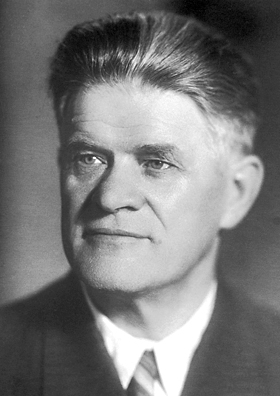
Pavel Cherenkov
 (Павел Алексеевич Черенков)
Soviet experimental physicist who discovered Cherenkov radiation—the eerie blue light emitted when charged particles travel through a dielectric medium faster than the phase velocity of light.
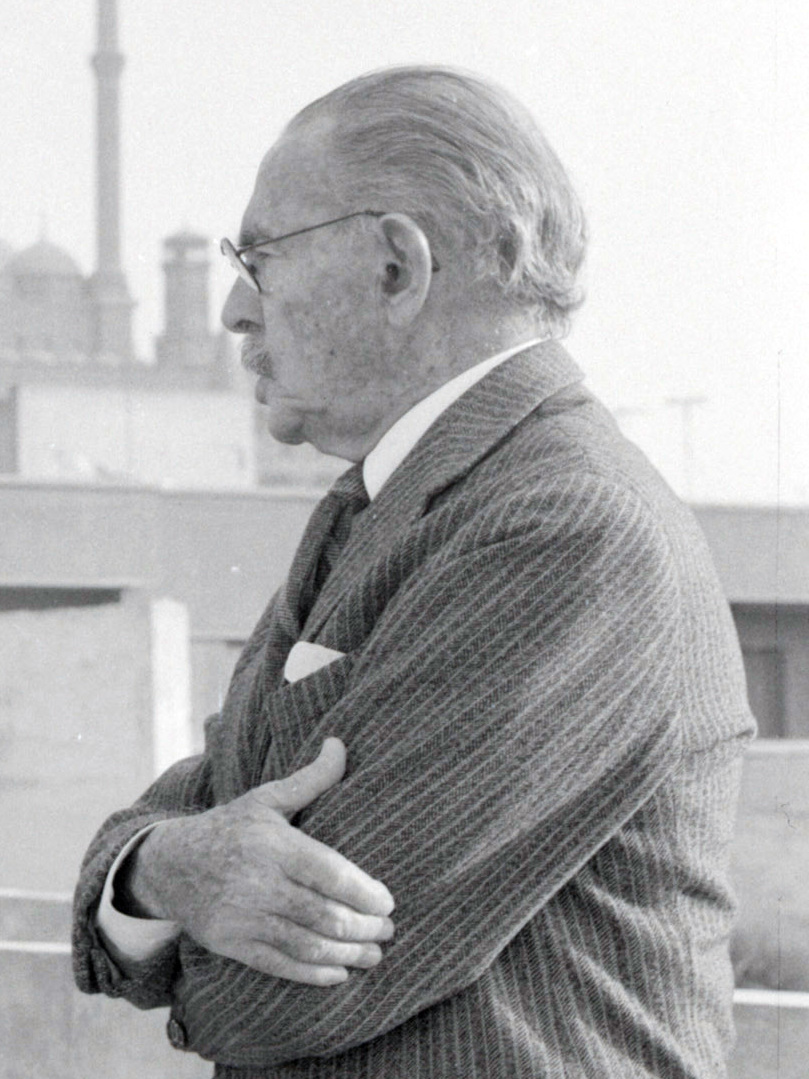
Hassan Fathy
(حسن فتحي)
Visionary Egyptian architect and pioneer of sustainable vernacular architecture who rejected Western concrete boxes in favor of indigenous mud-brick (adobe), Nubian vaults, and passive solar cooling, author of 'Architecture for the Poor'.
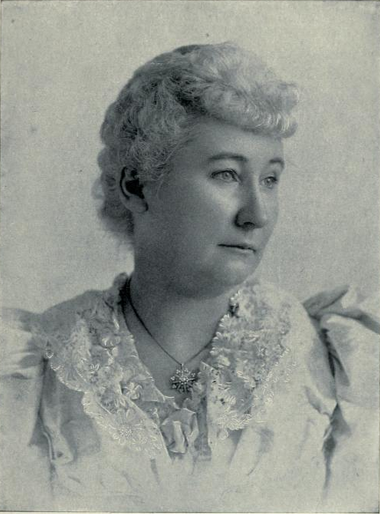
Sewall Wright
(Sewall Green Wright)
American geneticist who co-founded theoretical population genetics alongside Fisher and Haldane, discovered genetic drift (the Sewall Wright Effect), invented the inbreeding coefficient, and developed the Shifting Balance Theory of evolution.
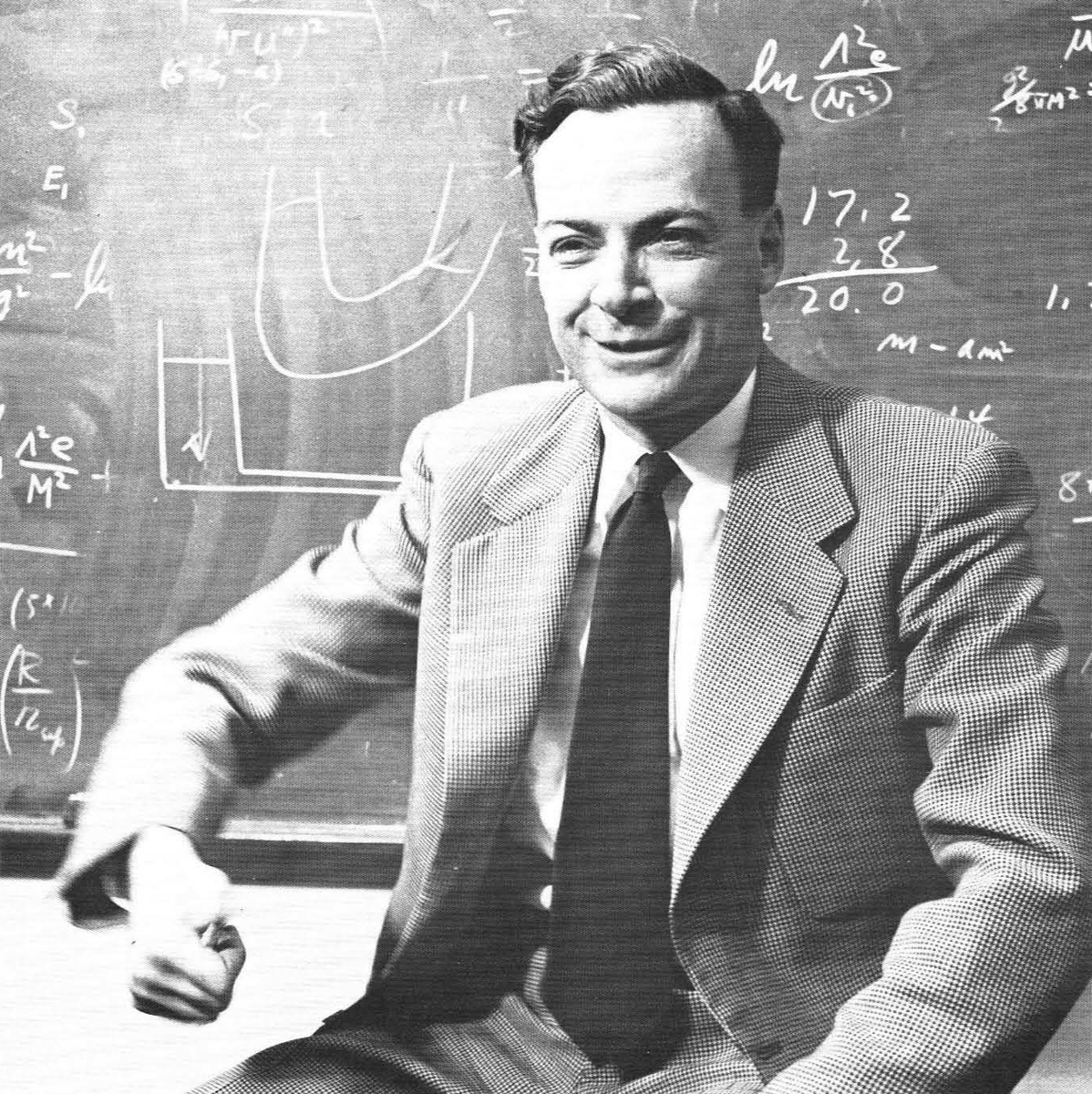
Richard Feynman
(Richard Phillips Feynman)
Iconic American theoretical physicist who pioneered quantum electrodynamics, Feynman diagrams, and nanotechnology.
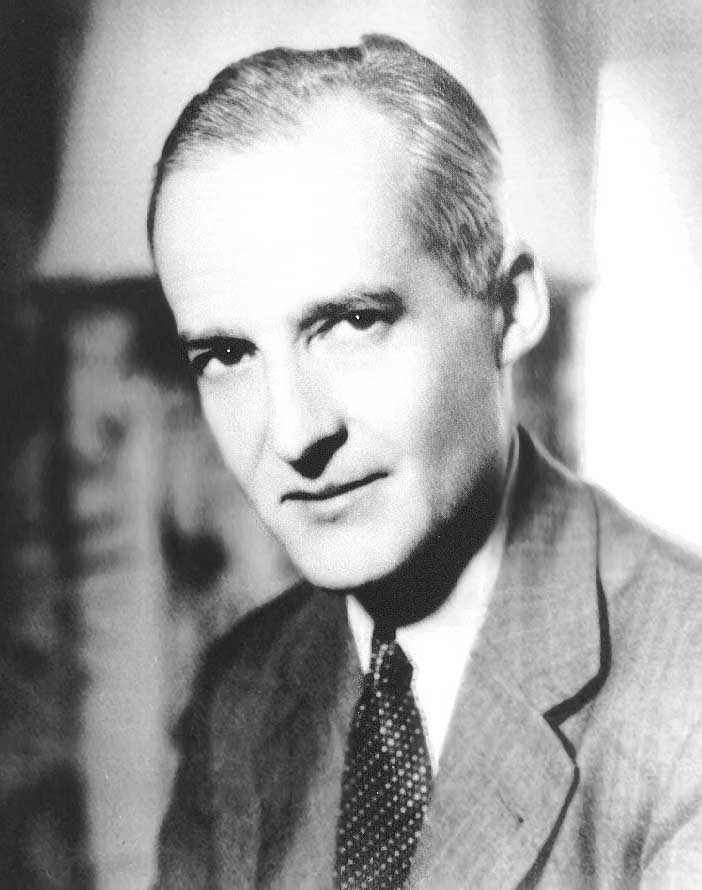
Luis Federico Leloir
 (Luis Federico Leloir)
Argentine biochemist who discovered sugar nucleotides and their role in the biosynthesis of carbohydrates, earning the 1970 Nobel Prize in Chemistry as Latin America's first chemistry laureate.
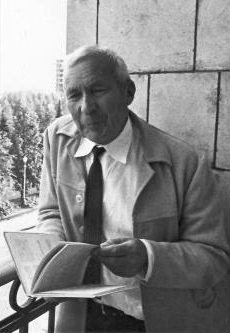
Andrey Kolmogorov
(Андрей Николаевич Колмогоров)
Soviet mathematician who established the axiomatic foundations of modern probability theory and made monumental breakthroughs in turbulence, topology, algorithmic complexity, and celestial mechanics.
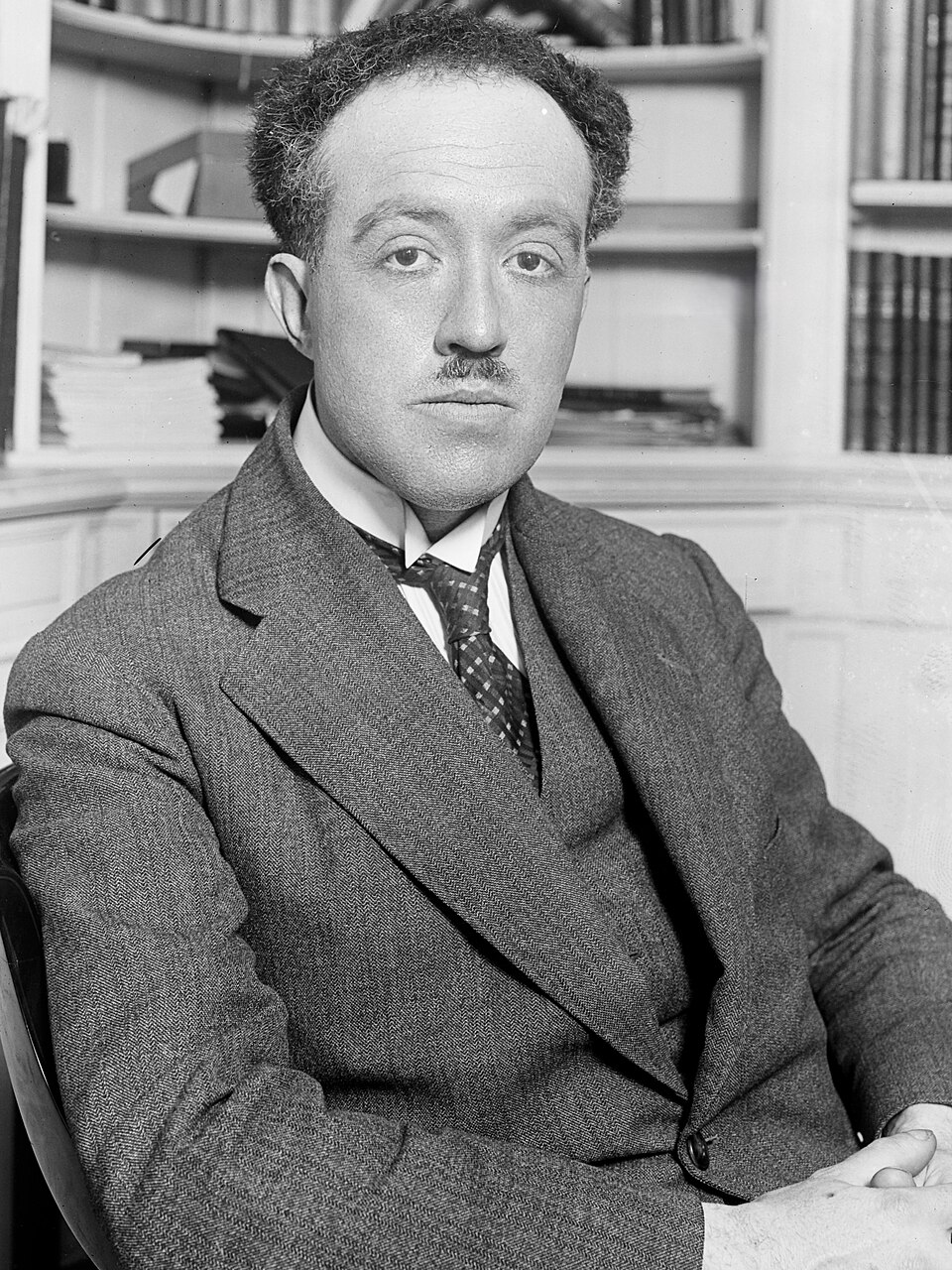
Louis de Broglie
 (Louis Victor Pierre Raymond, 7th Duc de Broglie)
French aristocratic physicist who discovered the wave nature of matter, founding wave mechanics.
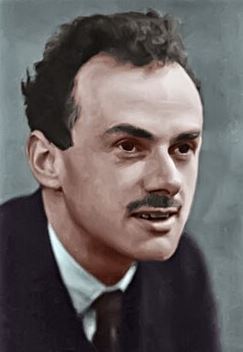
Paul Dirac
(Paul Adrien Maurice Dirac)
Legendary British physicist who formulated the relativistic Dirac equation, unified quantum mechanics with special relativity, and theoretically predicted the existence of antimatter (the positron).
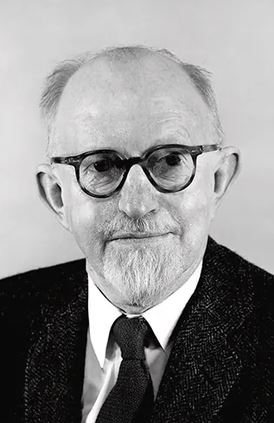
George Gaylord Simpson
(George Gaylord Simpson)
Foremost paleontologist of the 20th century who integrated the fossil record into the Modern Evolutionary Synthesis in his 1944 masterpiece 'Tempo and Mode in Evolution', deciphering the evolutionary radiation of mammals and the Great American Biotic Interchange.
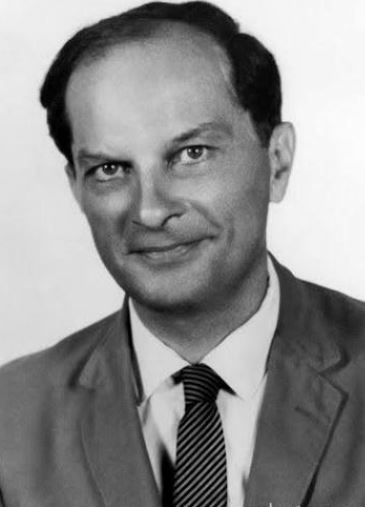
Stanislaw Ulam
 (Stanisław Marcin Ulam)
Polish-American mathematician who co-invented the Monte Carlo method of statistical simulation and co-designed the Teller-Ulam staged radiation implosion architecture for thermonuclear weapons.