Public Figures & Cultural Luminaries
Filterable archive covering centuries of intellectual, artistic, and moral contributions to the human story.
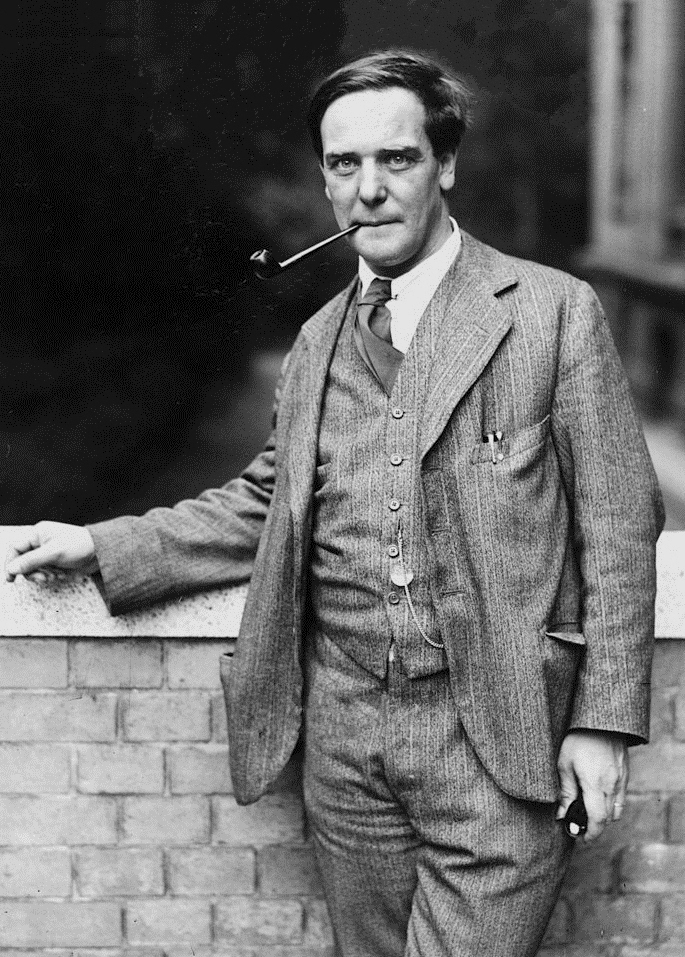
Pyotr Kapitsa
 (Пётр Леонидович Капица)
Russian physicist who discovered superfluidity in liquid helium-4 and developed pioneering cryogenic equipment and high-power microwave electronics, winning the 1978 Nobel Prize in Physics.
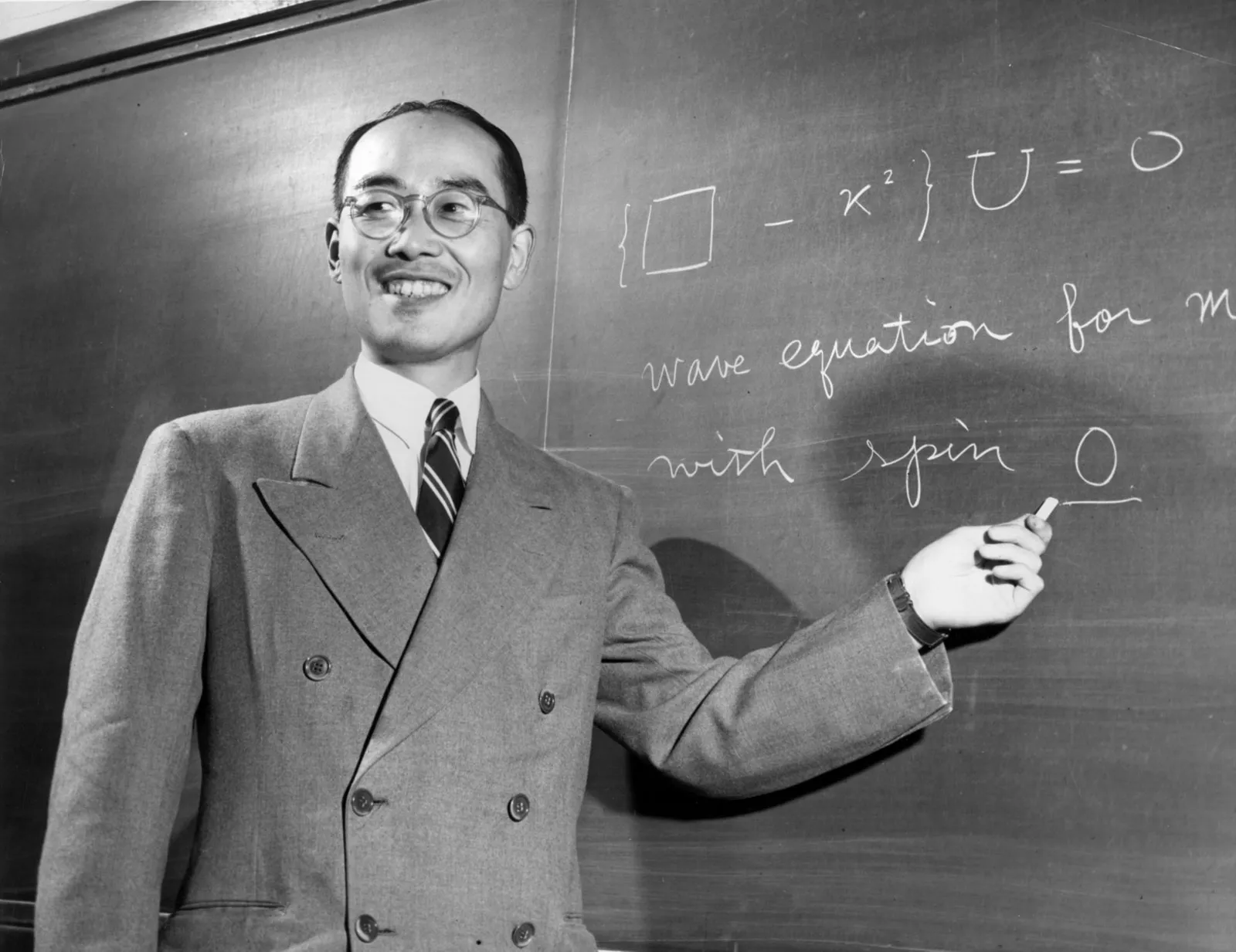
Hideki Yukawa
 (湯川 秀樹)
First Japanese Nobel laureate who predicted the existence of mesons to explain the strong nuclear force.
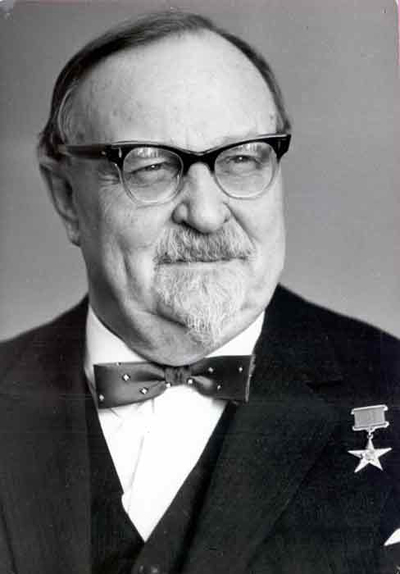
Aleksandr Oparin
(Александр Иванович Опарин)
Russian biochemist who proposed the foundational 'primordial soup' theory of the origin of life, postulating that organic molecules arose abiogenetically under early Earth's reducing atmosphere.
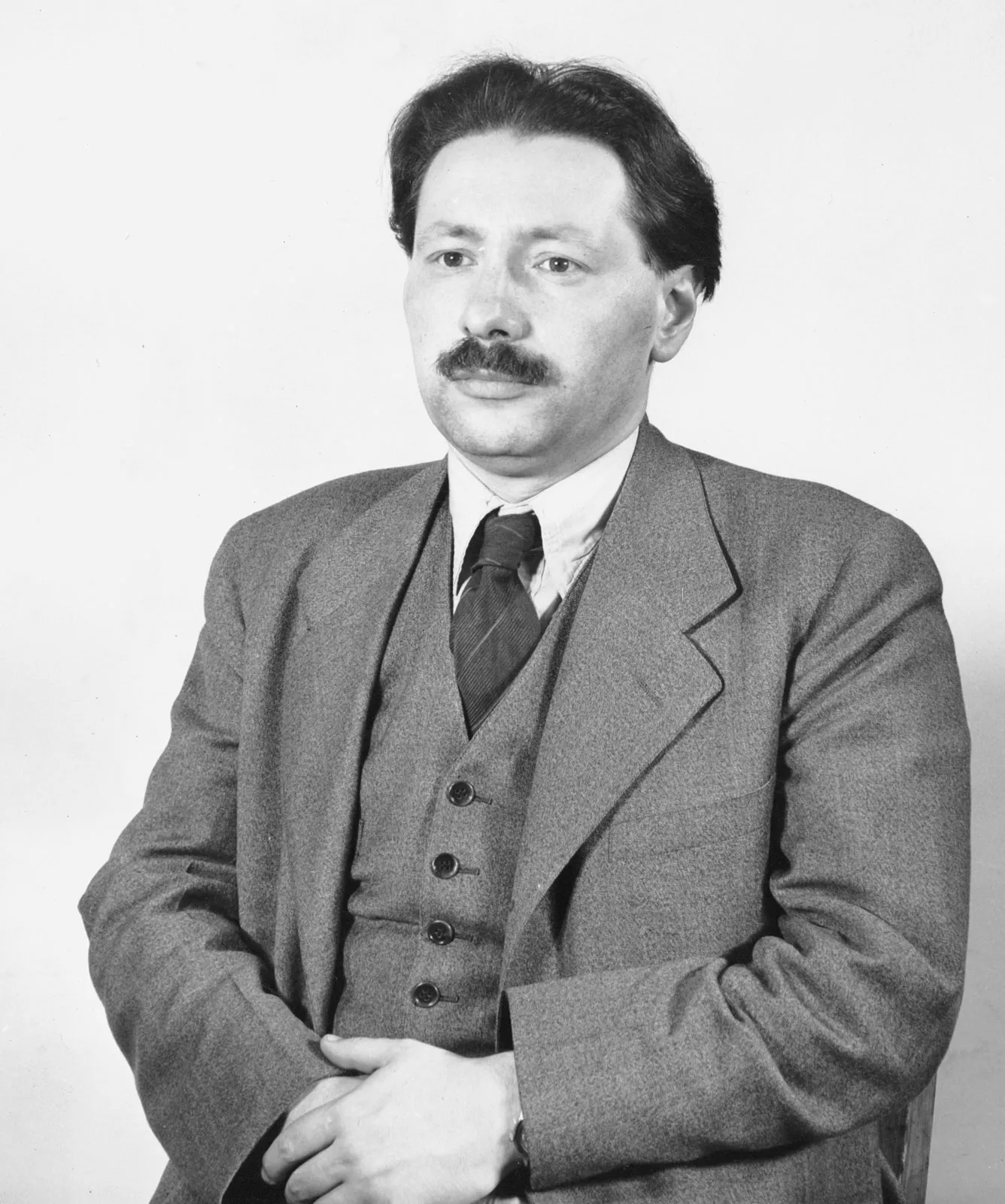
Ernst Chain
 (Sir Ernst Boris Chain)
German-born British biochemist who isolated and chemically purified penicillin and deduced its beta-lactam structure, winning the 1945 Nobel Prize.
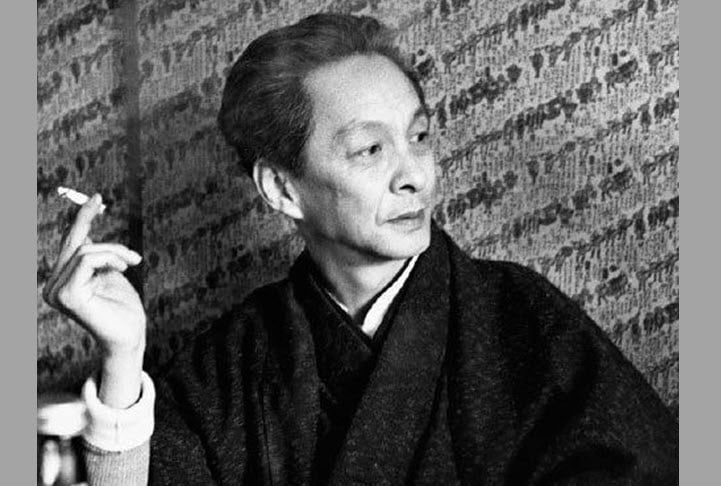
Sin-Itiro Tomonaga
(朝永 振一郎)
Japanese theoretical physicist who independently formulated relativistic quantum electrodynamics and renormalization.
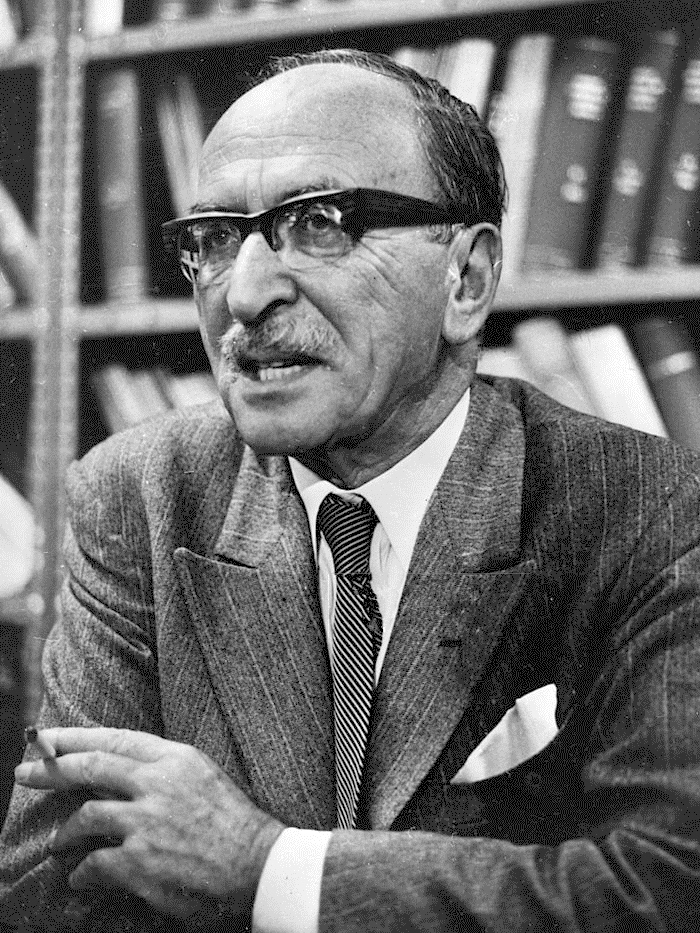
Dennis Gabor
 (Gábor Dénes)
Hungarian-British electrical engineer and physicist who invented holography in 1947, earning the 1971 Nobel Prize in Physics for pioneering three-dimensional optical imaging.
Kurt Gödel
 (Kurt Friedrich Gödel)
Austrian-American logician who proved the Incompleteness Theorems, shattering mathematical formalist certainty.
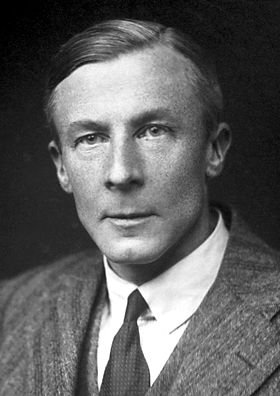
Edgar Adrian
 (Edgar Douglas Adrian, 1st Baron Adrian)
English electrophysiologist who won the 1932 Nobel Prize in Medicine for recording the first electrical action potentials from single sensory nerve fibers, proving the 'all-or-none' law and frequency coding of nervous sensation.
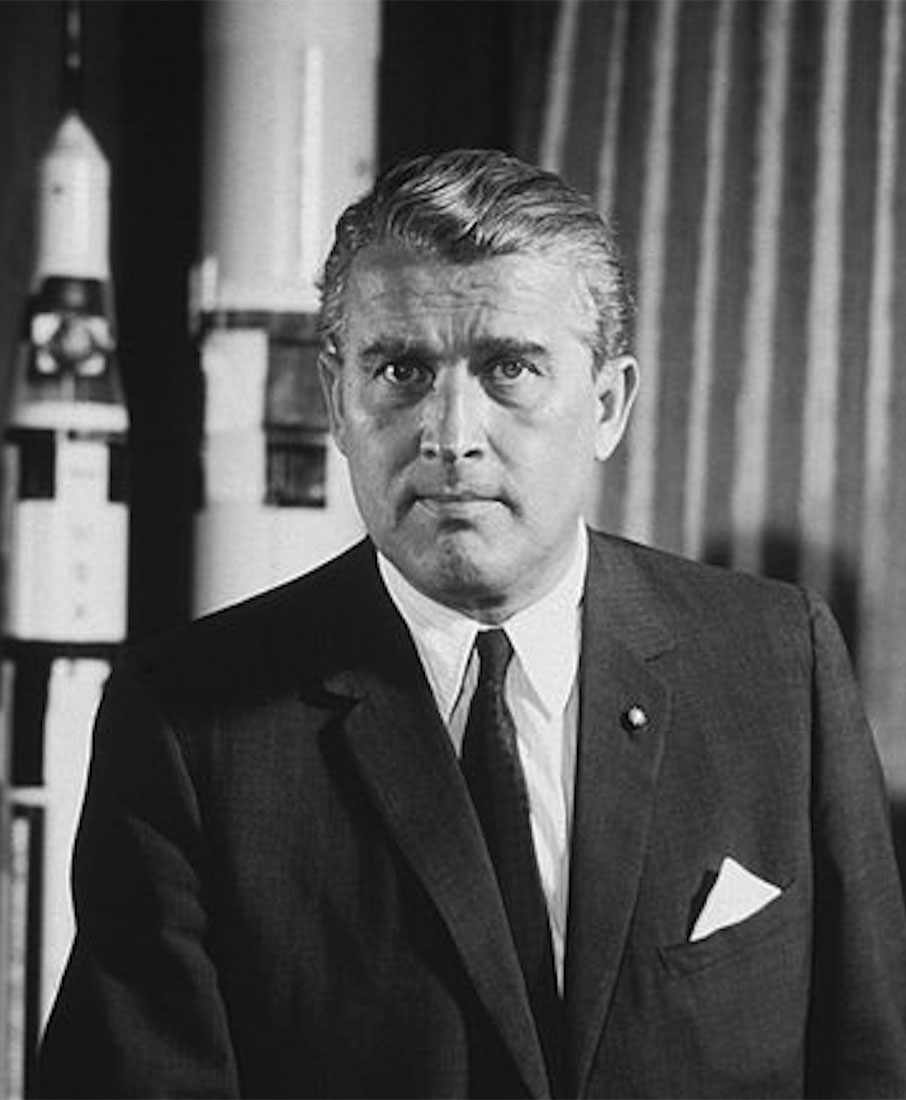
Wernher von Braun
 (Wernher Magnus Maximilian Freiherr von Braun)
German-American aerospace engineer and NASA visionary who designed the Saturn V rocket that propelled Apollo 11 to the Moon.
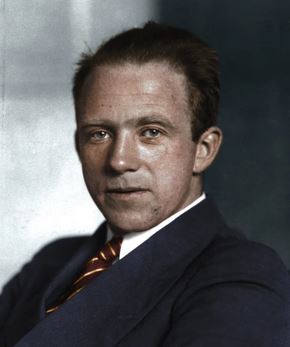
Werner Heisenberg
(Werner Karl Heisenberg)
German theoretical physicist and Nobel laureate who founded quantum matrix mechanics and discovered the Heisenberg Uncertainty Principle, establishing fundamental limits on physical measurement.
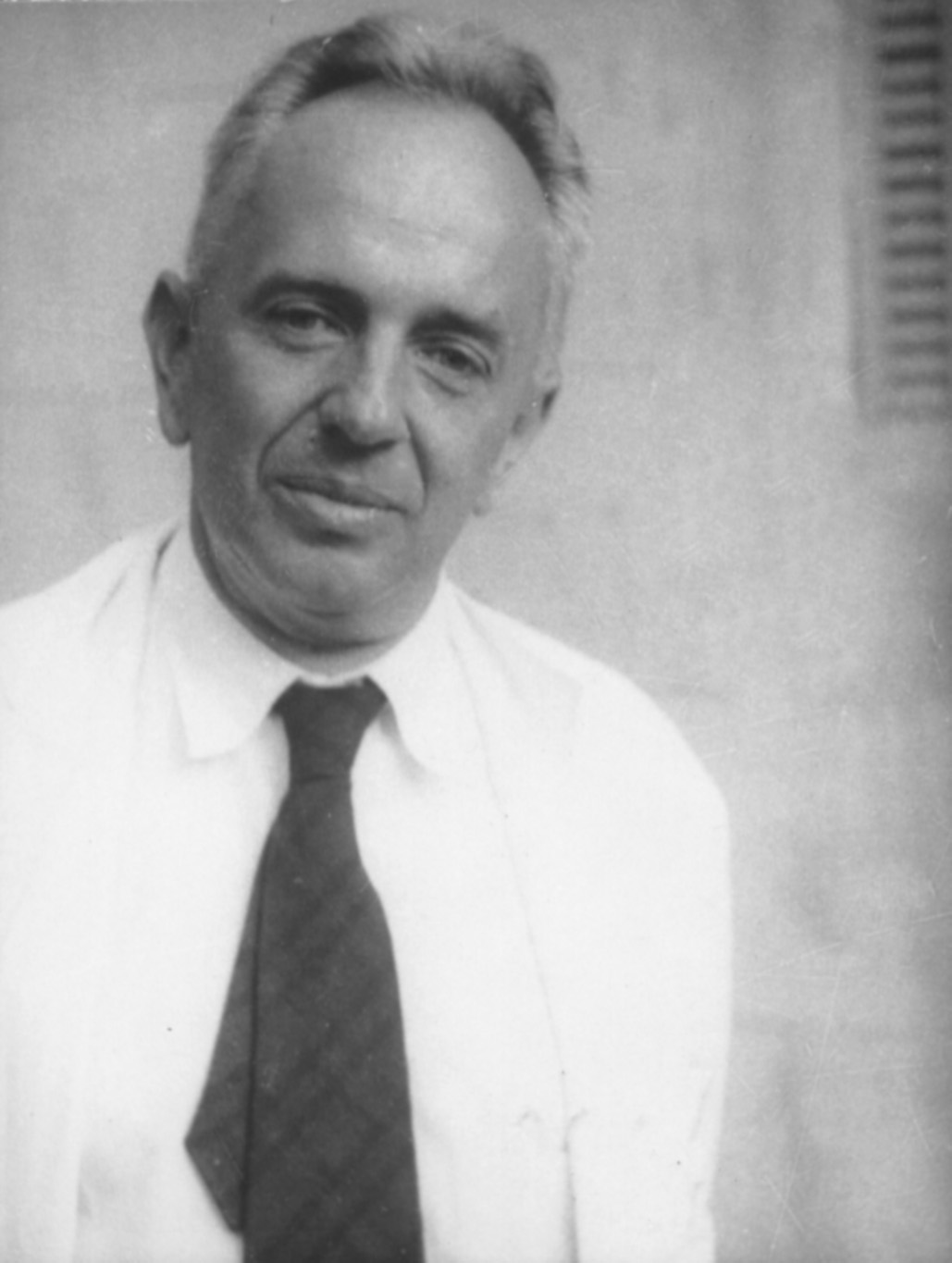
Theodosius Dobzhansky
 (Феодосий Григорьевич Добржанский)
Russian-American geneticist whose 1937 masterpiece 'Genetics and the Origin of Species' formed the foundational cornerstone of the Modern Evolutionary Synthesis, famous for the immortal aphorism: 'Nothing in biology makes sense except in the light of evolution.'
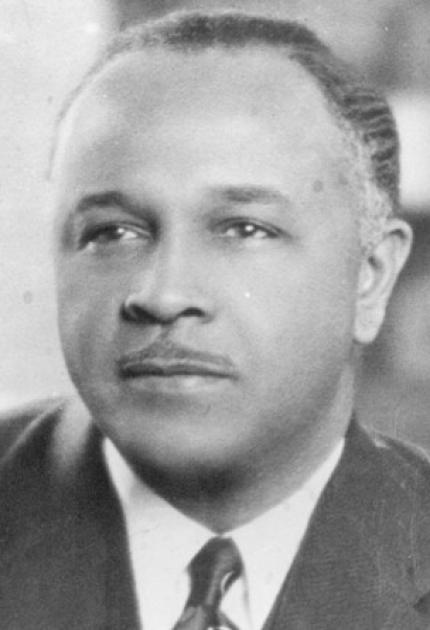
Percy Lavon Julian
 (Percy Lavon Julian)
Pioneering African American chemist who developed total chemical synthesis of physostigmine for glaucoma and scalable plant-based synthesis of steroid hormones such as cortisone and progesterone.
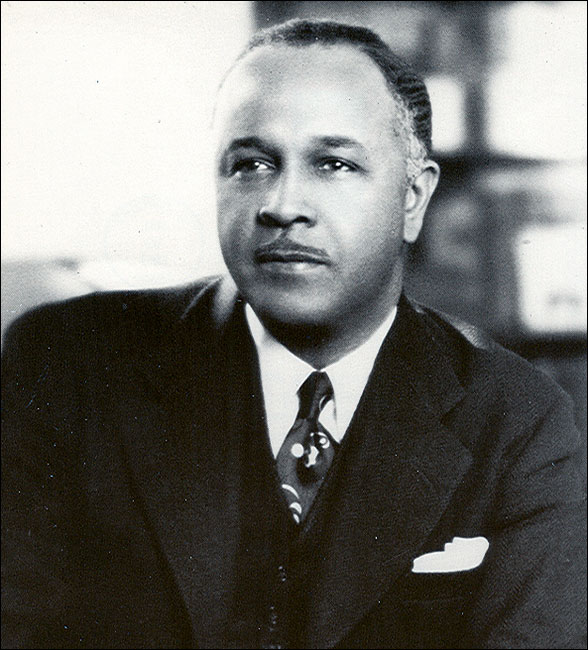
Percy Julian
(Percy Lavon Julian)
Trailblazing African-American research chemist who pioneered the chemical synthesis of steroids, cortisone, and glaucoma medication from plants.
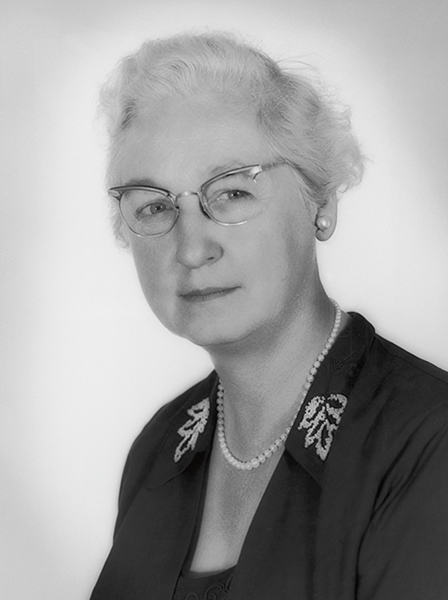
Virginia Apgar
(Virginia Apgar)
American physician who created the Apgar score, revolutionizing newborn care and dramatically reducing infant mortality worldwide.
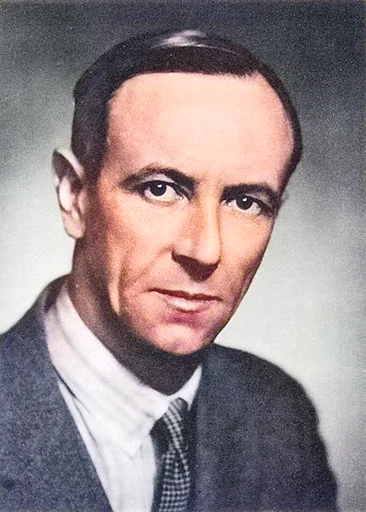
James Chadwick
(Sir James Chadwick)
British physicist who discovered the neutron in 1932, paving the way for nuclear fission and atomic power.
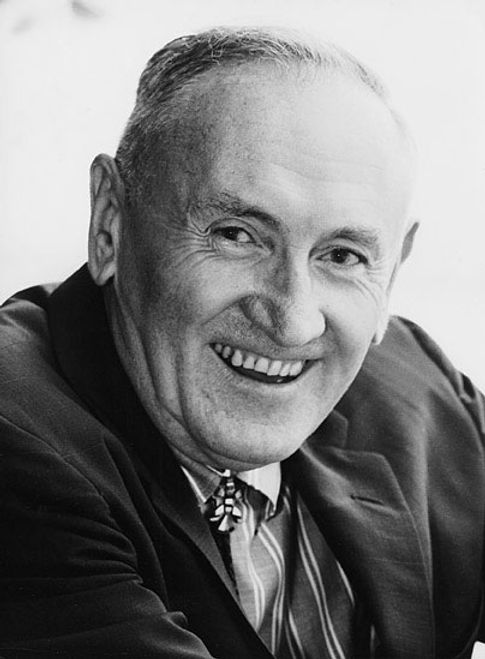
Fritz Zwicky
 (Fritz Zwicky)
Maverick Swiss astronomer who coined 'supernova', predicted neutron stars and gravitational lensing, and first postulated dark matter.
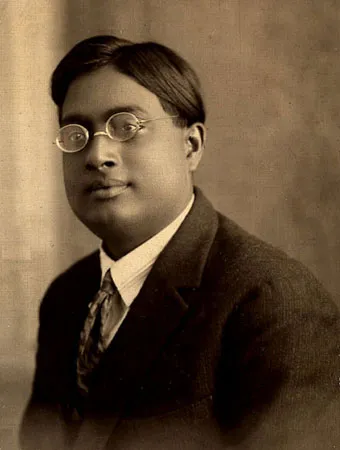
Satyendra Nath Bose
 (সত্যেন্দ্রনাথ বসু)
Eminent Indian polymath and theoretical physicist whose quantum statistics founded Bose-Einstein condensate theory and gave 'bosons' their name.
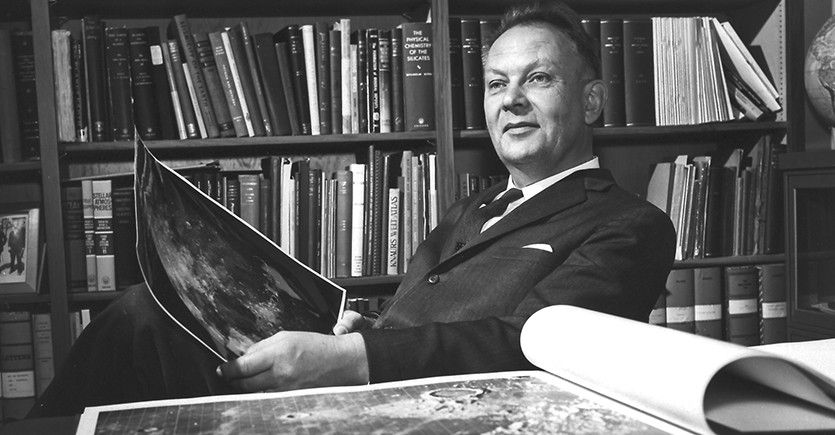
Gerard Kuiper
 (Gerrit Pieter Kuiper)
Dutch-American planetary scientist who discovered moons of Uranus and Neptune and predicted the Kuiper Belt.