 China
•
22 views
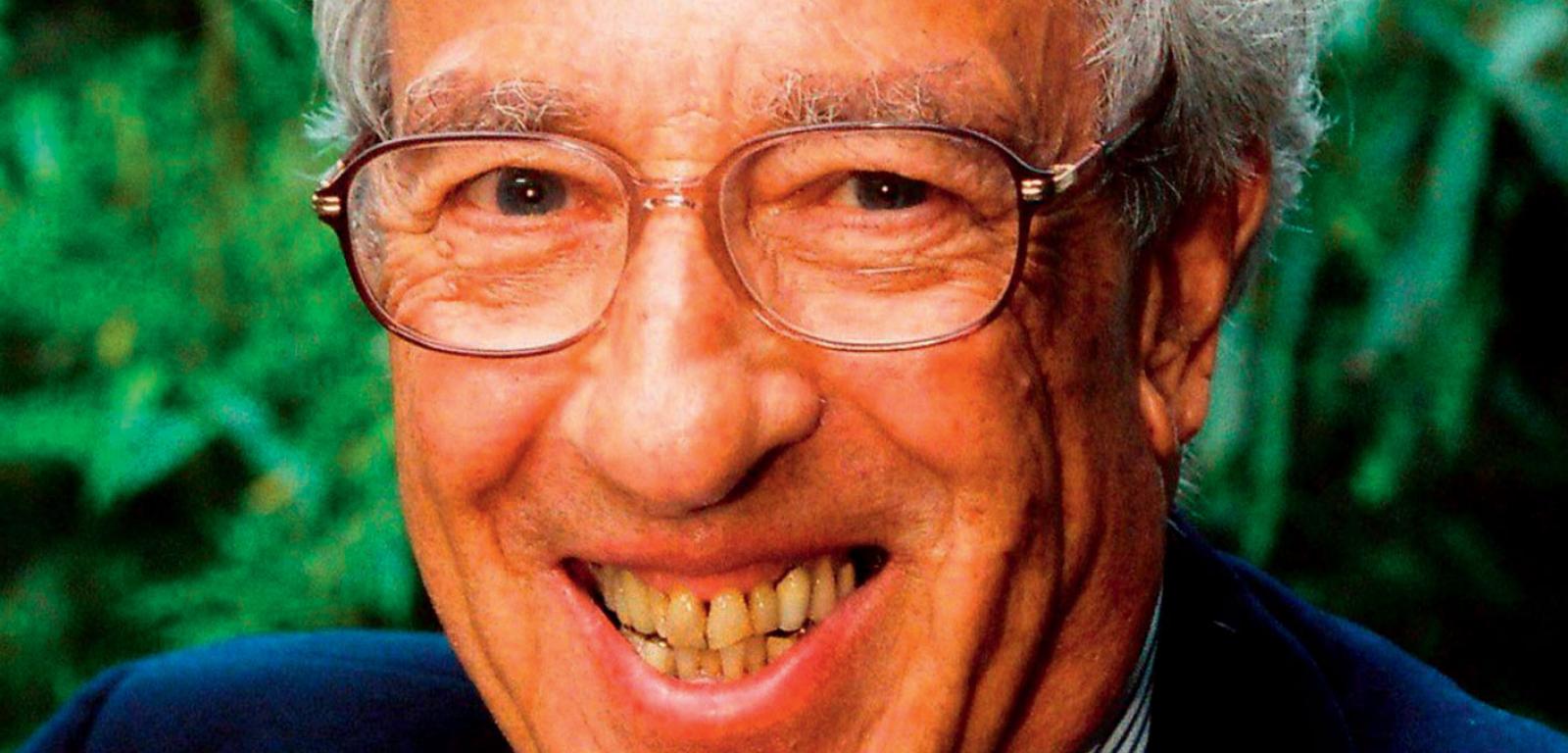
Edmond Henri Fischer

Shanghai, China
Archival Overview
Swiss-American centenarian biochemist awarded the 1992 Nobel Prize in Physiology or Medicine with Edwin G. Krebs for discovering reversible protein phosphorylation, the universal biological "on-off switch" regulating cell growth, metabolism, and targeted cancer therapies.
Biographical Record
Edmond Henri Fischer was born in the Shanghai International Settlement to a Swiss-French father and Swiss mother. Educated at the Collège de Genève and the University of Geneva, he studied classical piano alongside chemistry. In 1953, he arrived at the University of Washington in Seattle, beginning an extraordinary lifelong scientific collaboration with Edwin G. Krebs investigating glycogen phosphorylase.
In 1955, Fischer and Krebs made the monumental discovery that an enzyme (protein kinase) adds a phosphate group from ATP to activate glycogen phosphorylase, and another enzyme (protein phosphatase) removes it to deactivate it. This demonstrated that reversible protein phosphorylation is the universal regulatory mechanism in living cells, governing everything from cell division and hormone signaling to memory formation. Abnormal phosphorylation became recognized as a primary driver of cancer, leading directly to modern kinase inhibitor therapies like Gleevec. Fischer lived to 101, serving as honorary president of the World Cultural Council.
Key Life Milestones
Discovery of Reversible Protein Phosphorylation
Discovered the protein kinase reaction with Edwin G. Krebs, uncovering the fundamental biological cellular switch.
Nobel Prize in Physiology or Medicine
Awarded the Nobel Prize in Stockholm jointly with Edwin G. Krebs for their discoveries concerning reversible protein phosphorylation.
Memorial Guestbook & Tributes
0 messages recordedLeave a Respectful Tribute
Final Resting Place
Perpetual MemorialSeattle, Washington, United States