 Netherlands
•
22 views
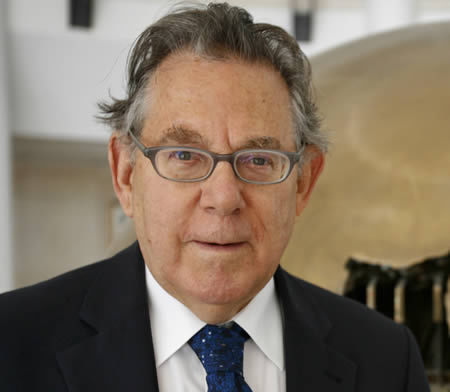
Paul Jozef Crutzen

Amsterdam, Netherlands
Archival Overview
Dutch atmospheric chemist and Nobel Prize in Chemistry laureate (1995) who proved that nitrogen oxides accelerate ozone layer depletion, proposed the "nuclear winter" theory, and popularized the term "Anthropocene" for humanity's geological epoch.
Biographical Record
Paul Jozef Crutzen was born in Amsterdam and initially worked as a civil bridge-building engineer before joining Stockholm University's Department of Meteorology as a computer programmer, earning his doctorate in 1968. In 1970, Crutzen published the breakthrough discovery that nitrogen oxides (NO and NO2) from soil microbes and jet aircraft act as catalytic destroyers of stratospheric ozone, founding modern atmospheric chemistry.
Sharing the 1995 Nobel Prize in Chemistry with Mario Molina and F. Sherwood Rowland, Crutzen's research was pivotal in identifying the ozone hole and enacting the 1987 Montreal Protocol. In 1982, with John Birks, he published the seminal study on "nuclear winter"—the devastating climate cooling caused by smoke from nuclear firestorms. In 2000, at an Earth system science conference in Mexico, Crutzen coined and popularized the term "Anthropocene" to define the current geological epoch dominated by human disruption of Earth's biosphere.
Key Life Milestones
Discovery of Nitrogen Oxide Ozone Destruction
Published his revolutionary paper in QJRMS showing catalytic destruction of stratospheric ozone by nitrogen oxides.
Nobel Prize in Chemistry
Awarded the Nobel Prize in Chemistry in Stockholm for work on atmospheric chemistry, particularly ozone formation and decomposition.
Memorial Guestbook & Tributes
0 messages recordedLeave a Respectful Tribute
Final Resting Place
Perpetual MemorialMainz, Rhineland-Palatinate, Germany