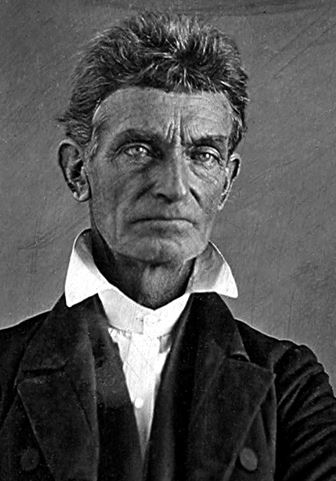
John Brown
Radical American abolitionist who believed in the imperative of armed insurrection to overthrow the institution of chattel slavery in the United States, leading the fateful raid on Harpers Ferry in 1859.
Start typing to search worldwide archives and community tributes
Filterable archive covering centuries of intellectual, artistic, and moral contributions to the human story.
Radical American abolitionist who believed in the imperative of armed insurrection to overthrow the institution of chattel slavery in the United States, leading the fateful raid on Harpers Ferry in 1859.
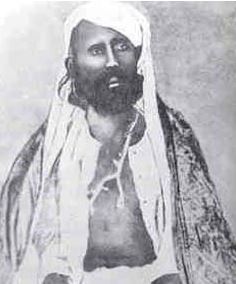
Brilliant Maratha general of the Indian Rebellion of 1857 who recaptured Kanpur, defended Gwalior with Rani Lakshmibai, and waged a year of elusive guerrilla warfare.
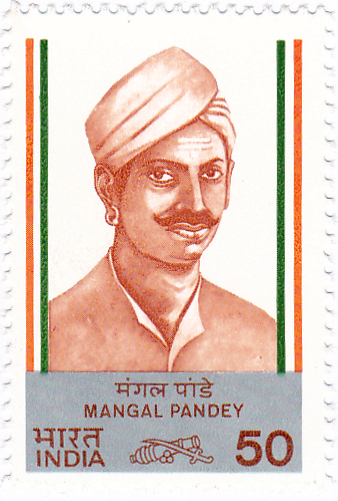
Indian soldier in the 34th Bengal Native Infantry whose open defiance against British officers at Barrackpore ignited the Indian Rebellion of 1857.
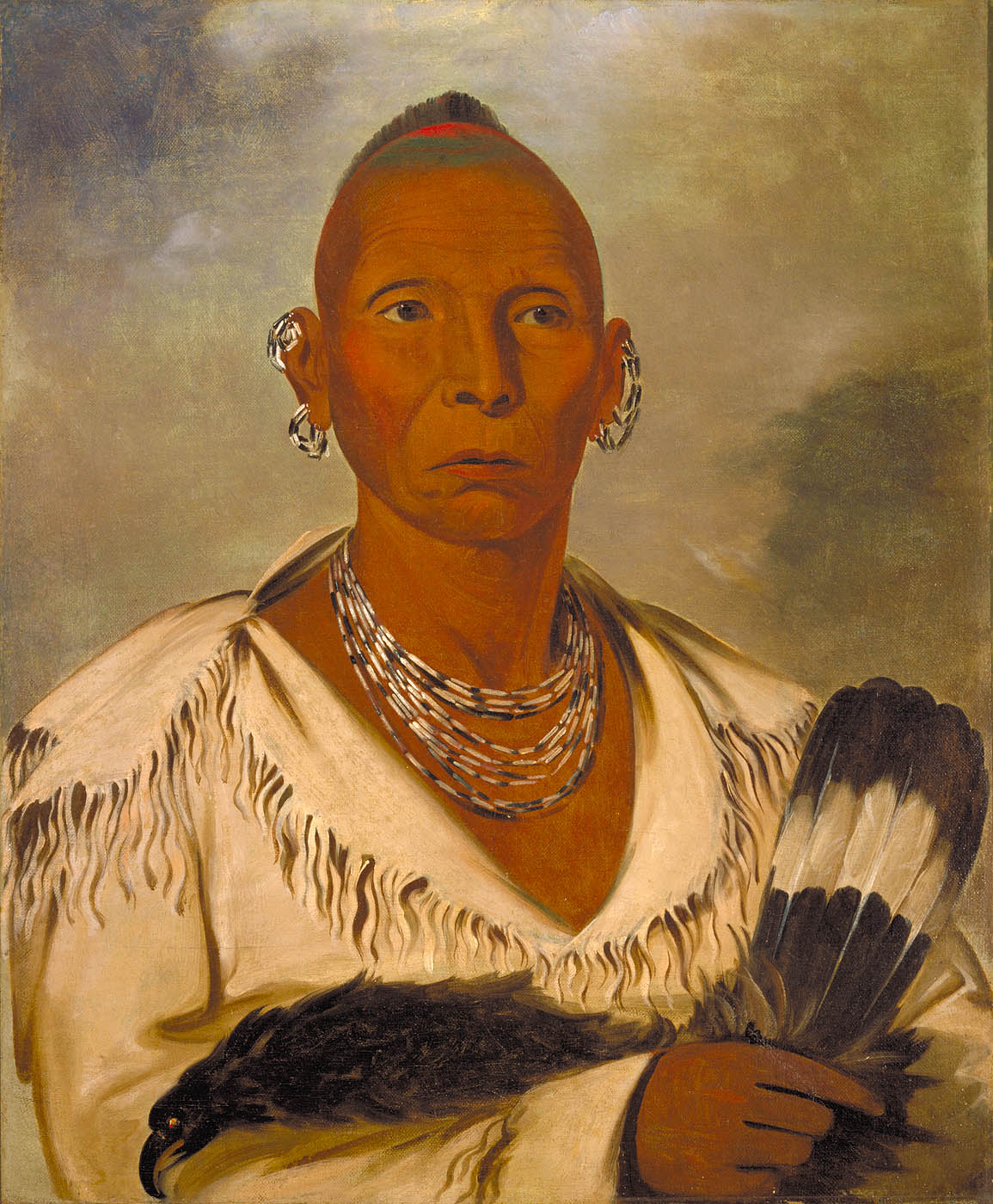
Sauk war chief who led the British Band in the Black Hawk War of 1832 to reclaim ancestral homelands east of the Mississippi River.
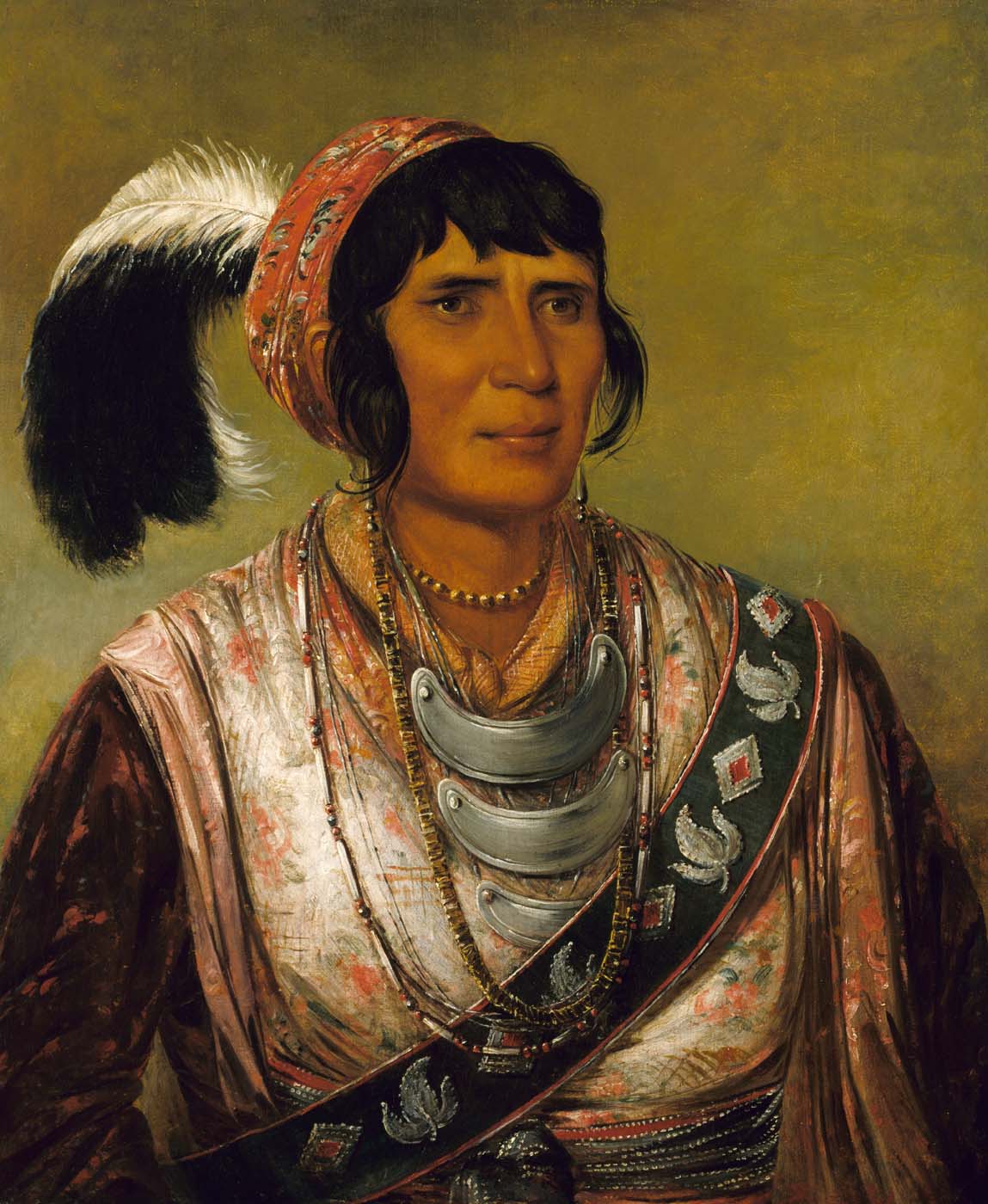
Influential Seminole war leader who led fierce resistance against United States forced removal during the Second Seminole War in Florida.
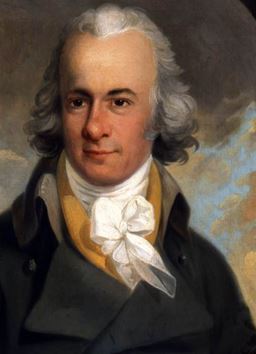
British politician and philanthropist who headed the twenty-year parliamentary campaign against the British slave trade until the passage of the Slave Trade Act of 1807 and the Slavery Abolition Act of 1833.
Enslaved African American preacher who led the most significant and consequential slave rebellion in United States history in Southampton County, Virginia.
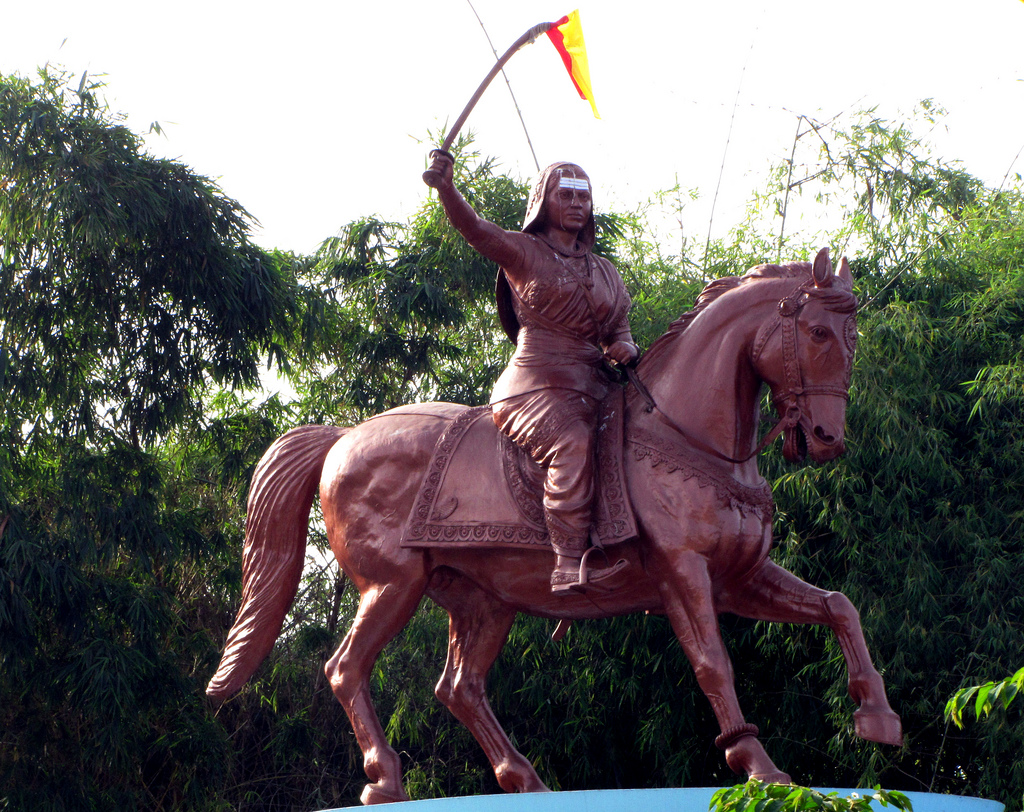
Queen of Kittur who led one of the earliest armed rebellions against the British East India Company in 1824, defying the aggressive Doctrine of Lapse.
African American carpenter and civil rights organizer who purchased his freedom and organized a massive, sophisticated conspiracy for slave liberation in Charleston.
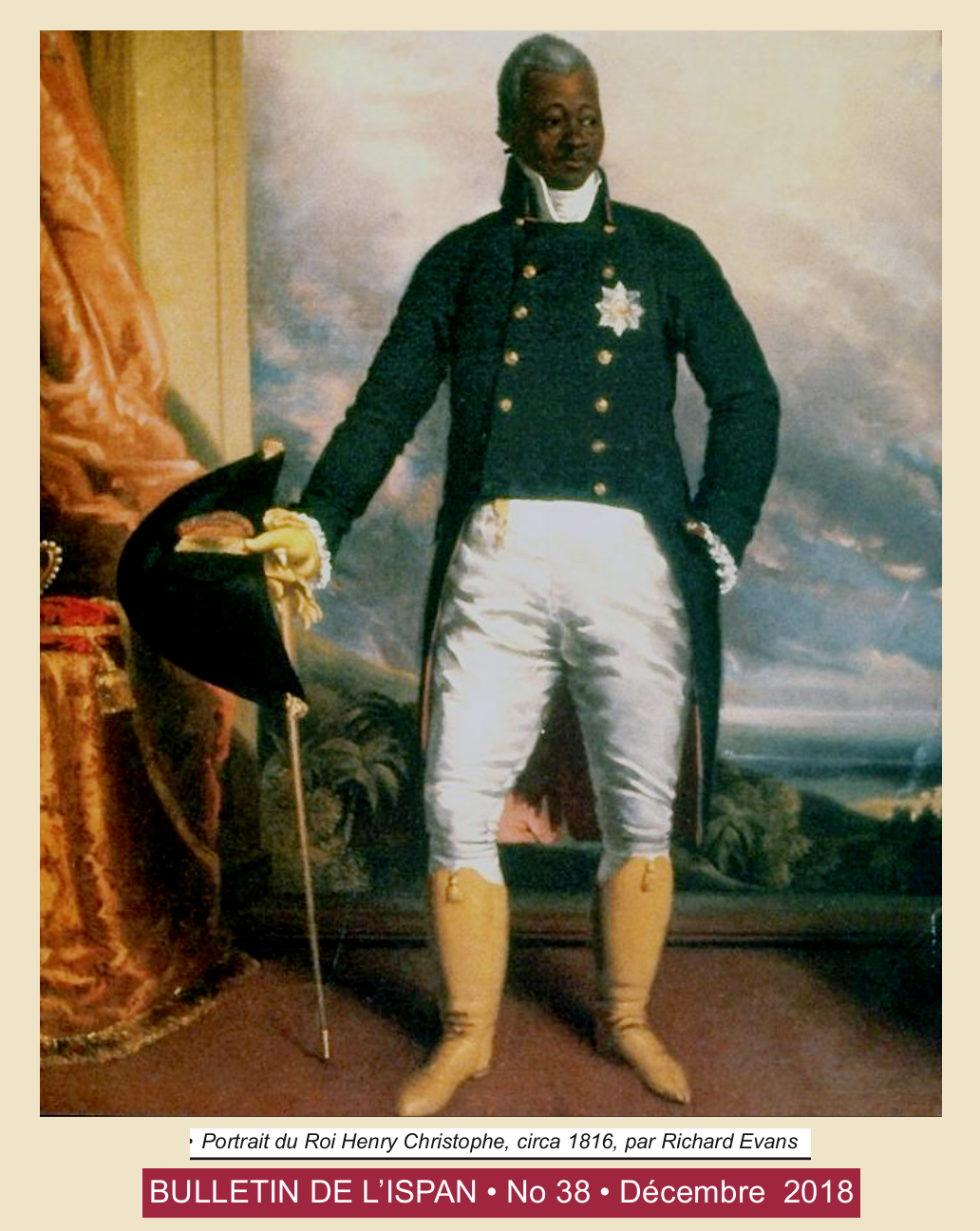
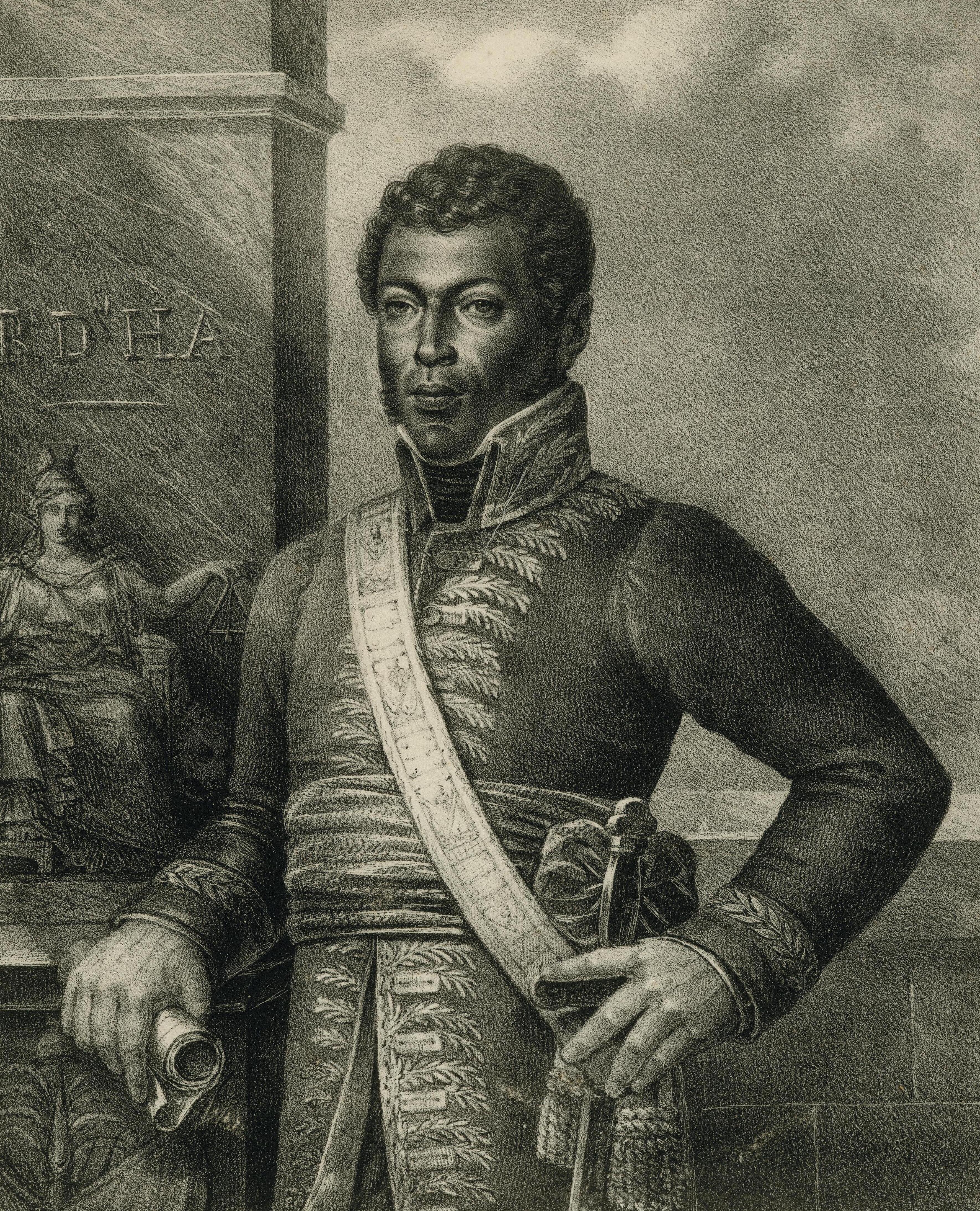
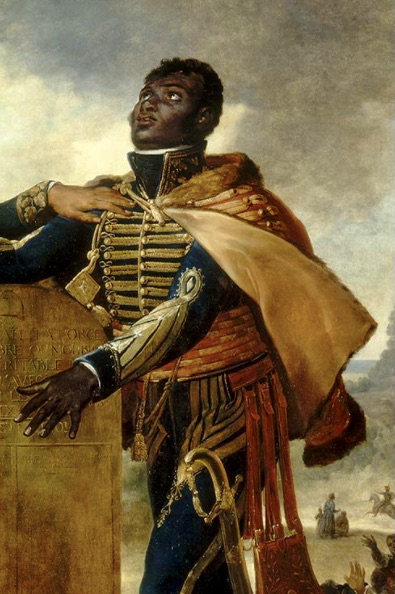
Haitian revolutionary general, key aide to Louverture and Dessalines, and King of Northern Haiti (1811โ1820) who constructed the colossal mountain fortress of the Citadelle Laferriere to protect the newborn Black republic against European re-invasion.
First President of the Republic of Haiti (1807โ1818), 'Father of Pan-American Independence', who redistributed land directly to peasant soldiers and provided Simon Bolivar with ships, weapons, and troops that liberated South America.
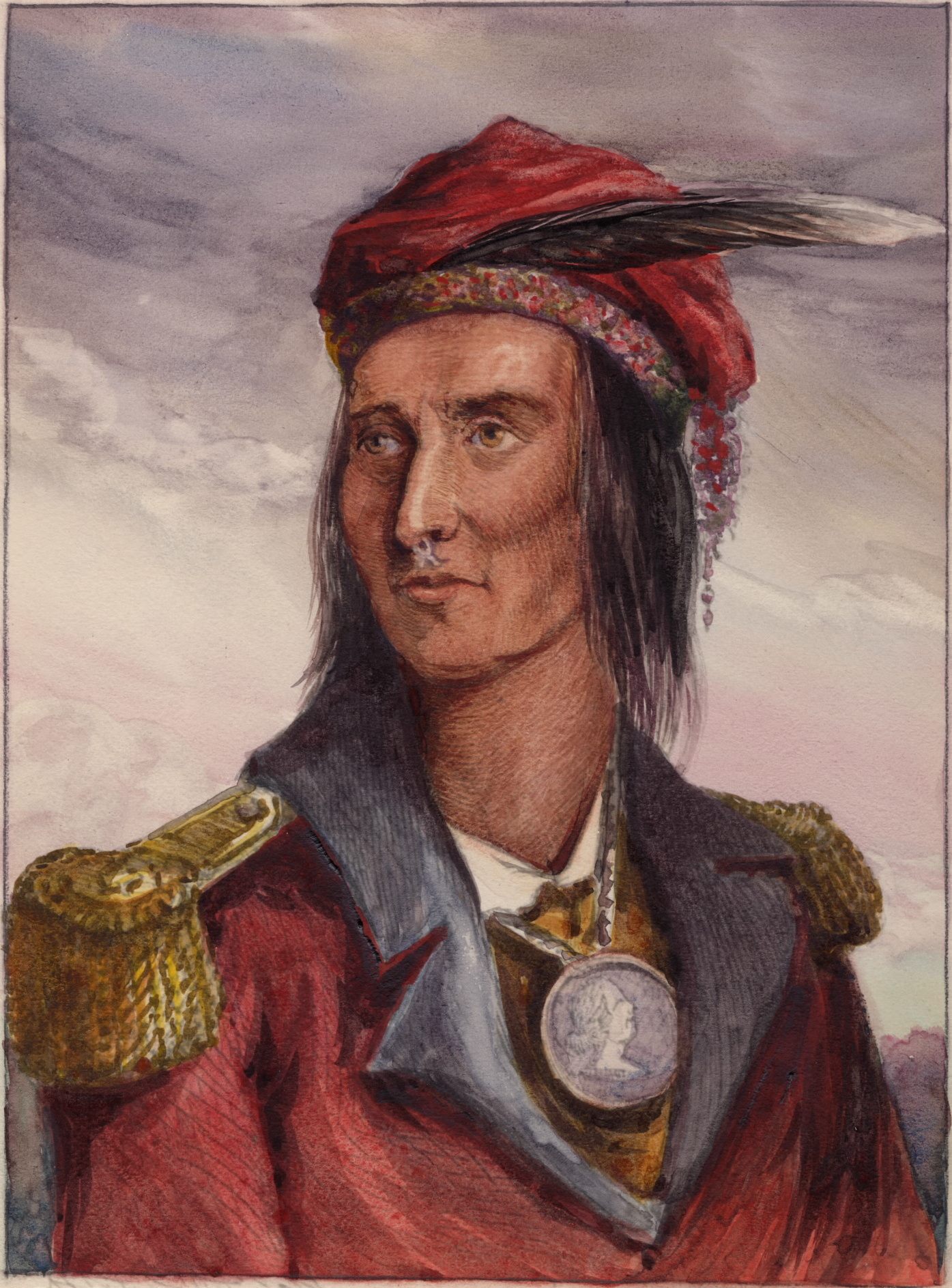
Visionary Shawnee leader who forged a vast pan-Indian confederacy across the Great Lakes and American frontier to resist United States territorial expansion.
Founding Father and supreme liberator of Haiti who defeated Napoleon's veteran armada at the decisive Battle of Vertieres in 1803 and proclaimed the independent Republic of Haiti on January 1, 1804, establishing the world's first free Black republic.
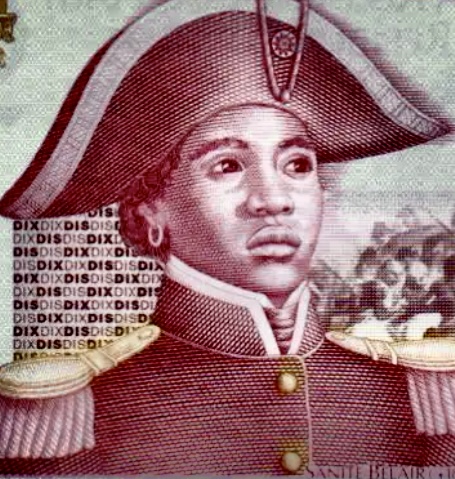
Fearless Haitian revolutionary lieutenant 'The Tigress' who fought alongside her husband Charles Belair against Napoleon's Leclerc expedition, commanding infantry charges and refusing to be blindfolded before the French firing squad.
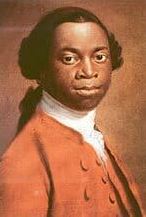
Igbo-born writer and abolitionist whose gripping 1789 autobiography exposed the atrocities of the Middle Passage and galvanized the British parliamentary campaign to end the transatlantic slave trade.
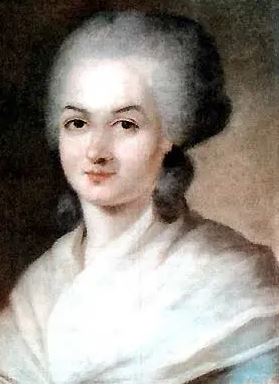
French playwright, abolitionist, and political activist whose 1791 Declaration of the Rights of Woman and of the Female Citizen pioneered modern constitutional feminism, executed by guillotine during the Reign of Terror.
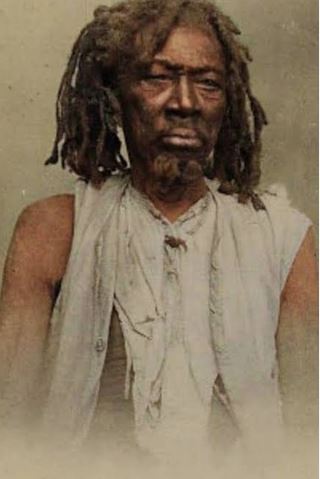
Enslaved Jamaican-born Vodou priest and maroon leader who presided over the historic ceremony at Bois Caiman on August 14, 1791, delivering the immortal prayer that ignited the Haitian Revolution.
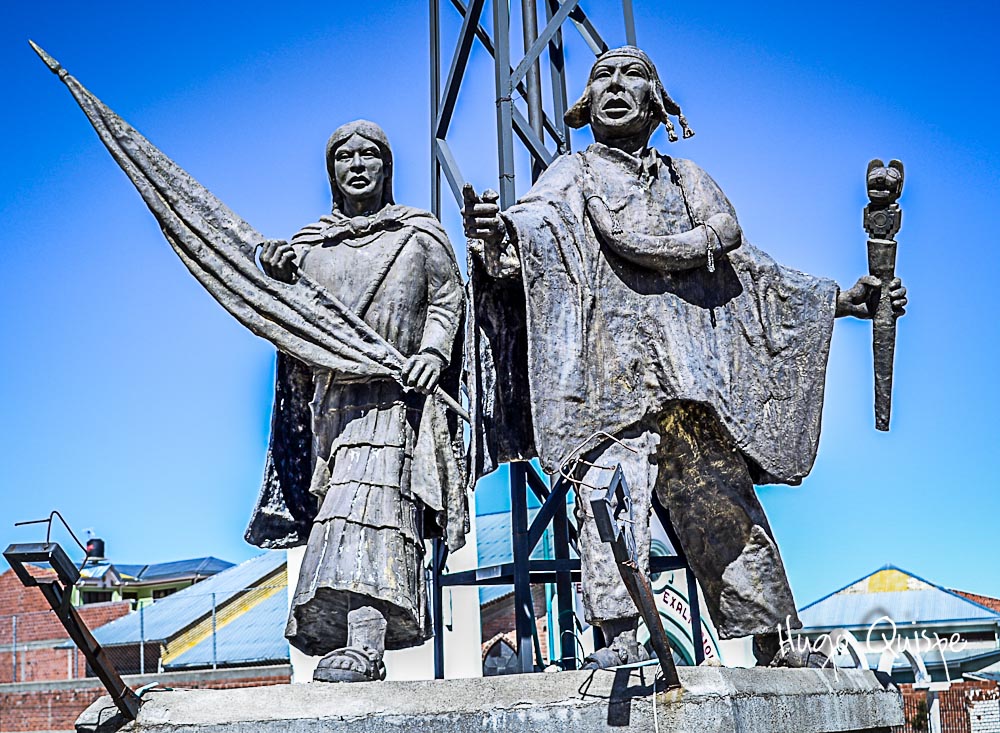
Aymara military commander, queen, and strategist who co-led the 1781 indigenous rebellion in Bolivia alongside her husband Tupac Katari, commanding troops during the Siege of La Paz; September 5 is celebrated as International Indigenous Women's Day in her honor.