 Austria
•
9 views
Austria
•
9 views
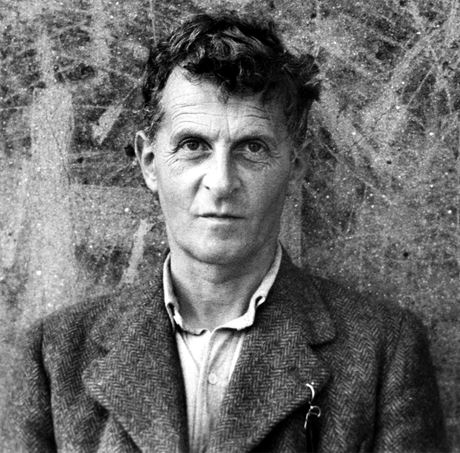
Ludwig Wittgenstein

Vienna, Austria
Archival Overview
Austrian-British philosopher who revolutionized philosophy twice: with the logical atomism of the Tractatus and the ordinary language 'language games' of Philosophical Investigations.
Biographical Record
Ludwig Wittgenstein (1889–1951), born into one of the wealthiest industrialist families in Vienna, gave away his immense fortune to live in austere asceticism. Enlisting as a frontline artillery officer in World War I, he completed his groundbreaking Tractatus Logico-Philosophicus in military trenches and prisoner-of-war camps.
Believing he had solved all philosophical problems by showing that they arise from misunderstandings of language logic, he worked as an elementary school teacher before returning to Cambridge. There, he revolutionized philosophy a second time in his Philosophical Investigations, replacing formal logic with the concept of 'language games' (*Sprachspiele*).
Key Life Milestones
Publication of the 'Tractatus Logico-Philosophicus'
Published the only book during his lifetime, concluding: 'Whereof one cannot speak, thereof one must be silent.'
Posthumous Publication of 'Philosophical Investigations'
Revolutionized 20th-century philosophy with the concepts of language games and meaning as use in life.
Memorial Guestbook & Tributes
0 messages recordedLeave a Respectful Tribute
Final Resting Place
Perpetual MemorialCambridge, United Kingdom