 Austrian Empire
•
0 views
Austrian Empire
•
0 views
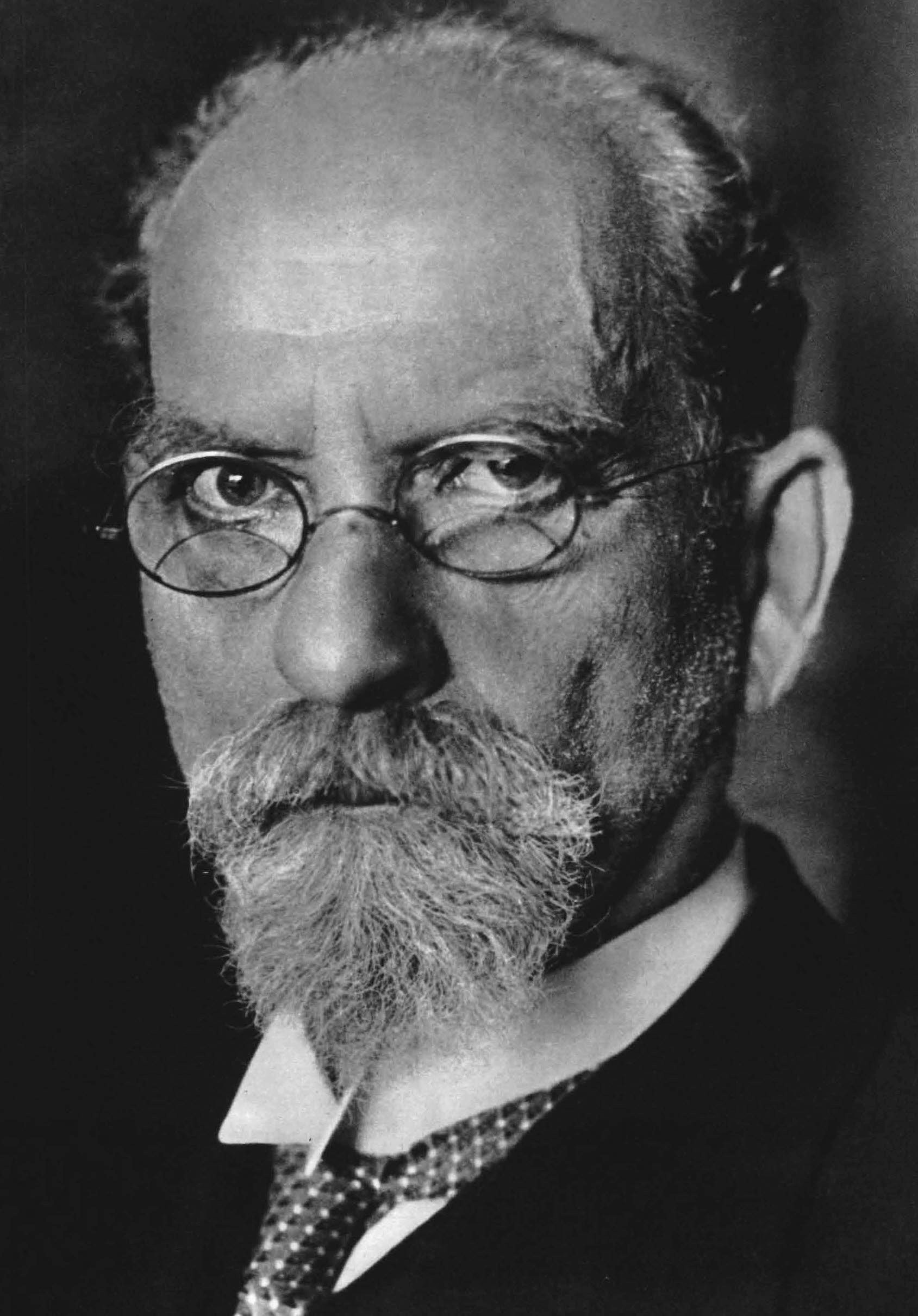
Edmund Husserl

Prossnitz (Prostejov), Austrian Empire
Archival Overview
Austrian-German philosopher who founded phenomenology with Logical Investigations and Ideas I, seeking to return 'to the things themselves' by analyzing intentional consciousness and epoche.
Biographical Record
Originally a mathematician who studied under Karl Weierstrass in Berlin, Edmund Husserl (1859–1938) was turned toward philosophy by Franz Brentano in Vienna. In his 1900 'Logical Investigations' ('Logische Untersuchungen'), he demolished psychologism, proving that logical and mathematical truths are objective and independent of psychological minds.
Husserl founded phenomenology as a rigorous descriptive science of intentional consciousness ('all consciousness is consciousness of something'). He introduced the phenomenological reduction ('epoche')—bracketing assumptions about external existence to inspect pure phenomena. Deprived of his university library access by Nazi racial laws, his disciples smuggled his manuscripts to Leuven.
Key Life Milestones
Logical Investigations
Published the foundational two-volume work demolishing psychologism and launching phenomenology.
Ideas I (Ideen I)
Formulated transcendental phenomenology, introducing intentionality, noema, noesis, and the epoche.
Memorial Guestbook & Tributes
0 messages recordedLeave a Respectful Tribute
Final Resting Place
Perpetual MemorialFreiburg im Breisgau, Germany