Public Figures & Cultural Luminaries
Filterable archive covering centuries of intellectual, artistic, and moral contributions to the human story.
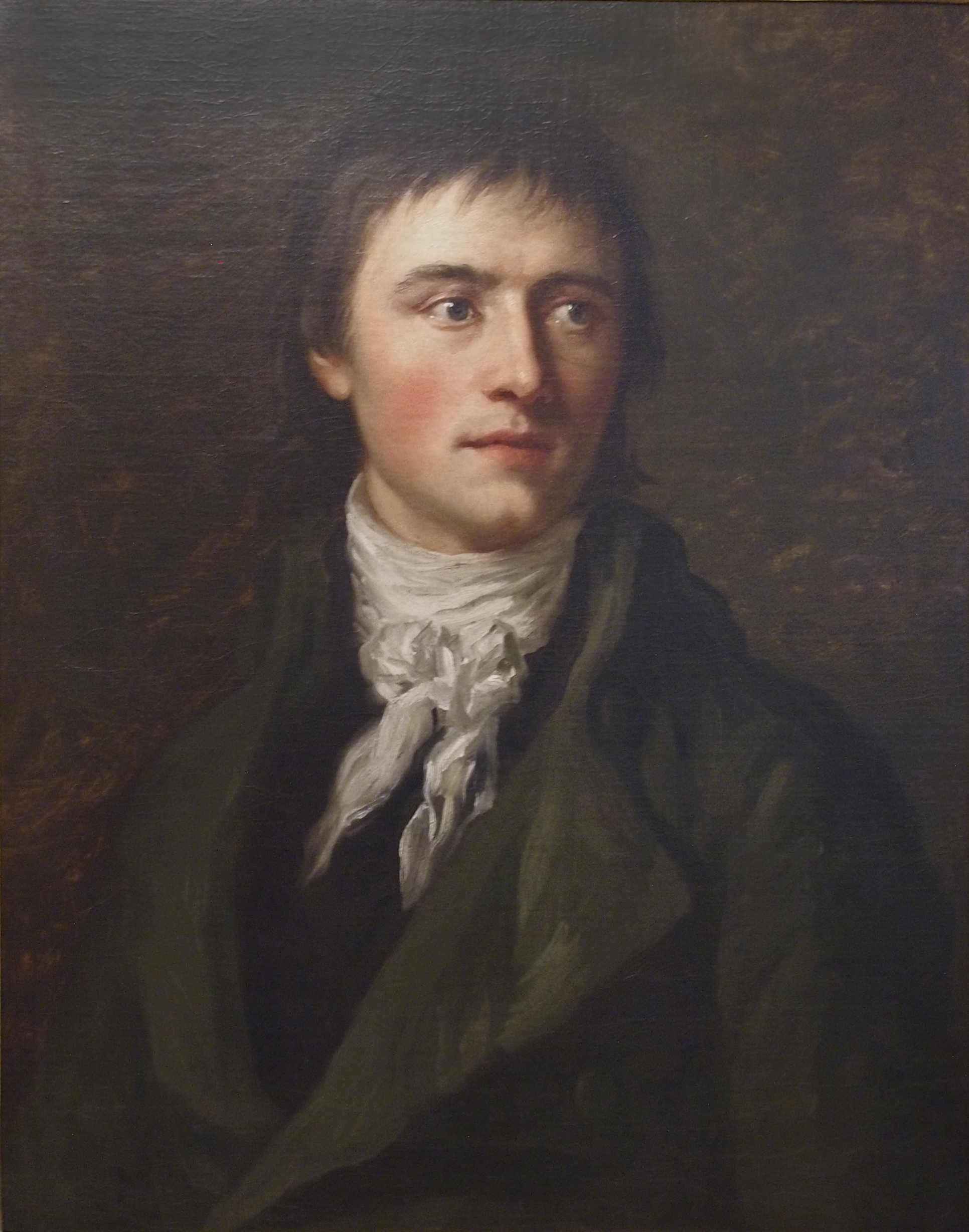
Heinrich von Kleist
 (Bernd Heinrich Wilhelm von Kleist)
Pioneering German dramatist, short story master, and essayist whose Michael Kohlhaas, Penthesilea, and The Broken Jug explored absolute justice and human fallibility.
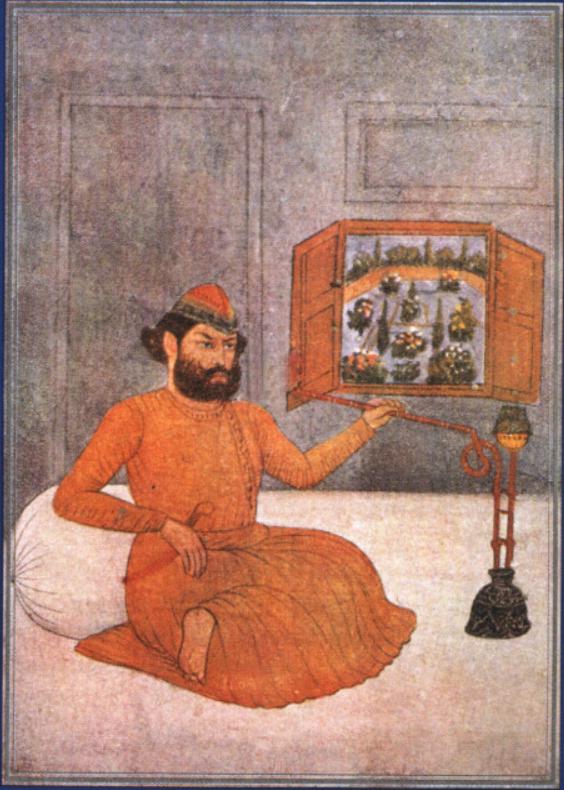
Mir Taqi Mir
 (میر تقی میر (Khuda-e-Sukhan))
Foundational classical poet of the Urdu language (1723–1810), universally venerated as 'Khuda-e-Sukhan' (The God of Poetry) for his emotionally poignant ghazals expressing personal sorrow and Delhi's destruction.
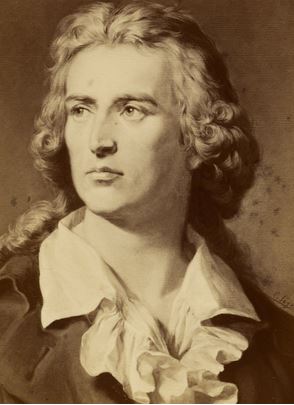
Johann Christoph Friedrich von Schiller
(Friedrich Schiller)
German dramatist and philosopher of freedom whose immortal hymn An die Freude (Ode to Joy) became Beethoven's Ninth Symphony, and whose dramas—The Robbers, Mary Stuart, and William Tell—championed the liberation of the human spirit.
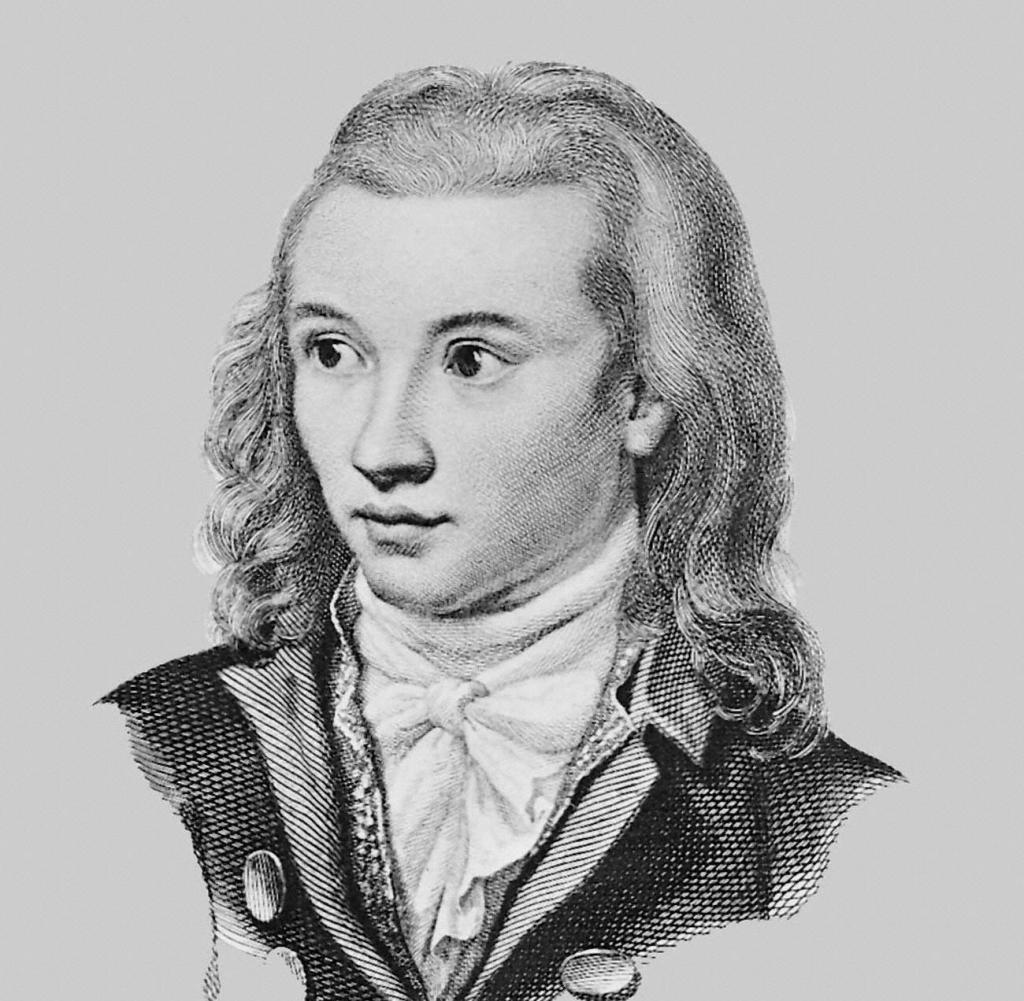
Novalis
(Georg Philipp Friedrich von Hardenberg)
German early Romantic poet, philosopher, and mining engineer whose Hymns to the Night and Heinrich von Ofterdingen created the 'blue flower' symbol of Romantic yearning.
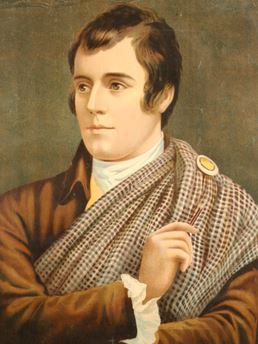
Robert Burns (Rabbie Burns)
 (Robert Burns)
Beloved national bard of Scotland whose vibrant Scots-language poetry and folk song collecting—including Auld Lang Syne, Tam o' Shanter, and A Man's a Man for A' That—celebrated democracy, social brotherhood, and romantic passion.
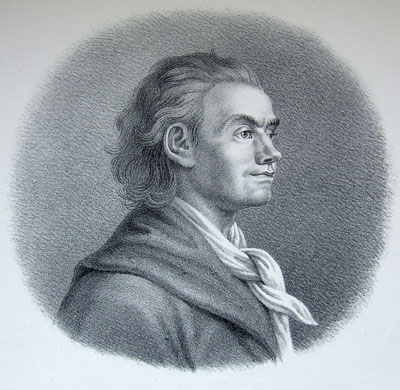
Johan Herman Wessel
 (Johan Herman Wessel)
Immortal Norwegian satirical poet and dramatist who became the witty centerpiece of The Norwegian Society in Copenhagen and penned the classic parody Kierlighed uden Strømper.
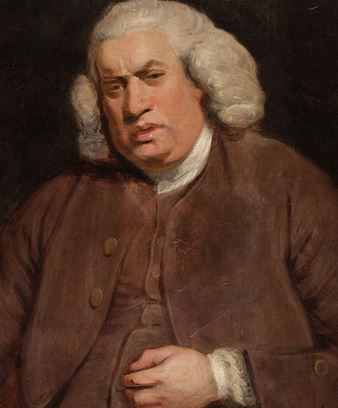
Samuel Johnson (Dr. Johnson)
(Samuel Johnson)
Preeminent English literary titan, moralist, and conversationalist who single-handedly compiled the monumental 1755 Dictionary of the English Language and inspired James Boswell's immortal biography.
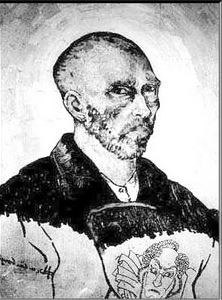
Yosa Buson
 (与謝蕪村 (Taniguchi Buson))
Edo-period Japanese haiku master and painter (1716–1784), celebrated alongside Basho and Issa as one of the 'Great Three' haiku poets, renowned for his visually stunning, painterly imagery and romantic nostalgia.
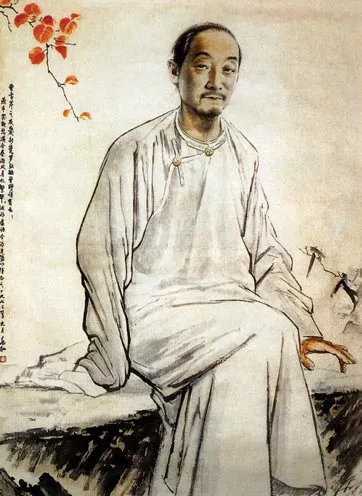
Cao Xueqin
 (曹雪芹)
Qing dynasty author who wrote Dream of the Red Chamber (The Story of the Stone), universally celebrated as the supreme pinnacle of classical Chinese fiction.
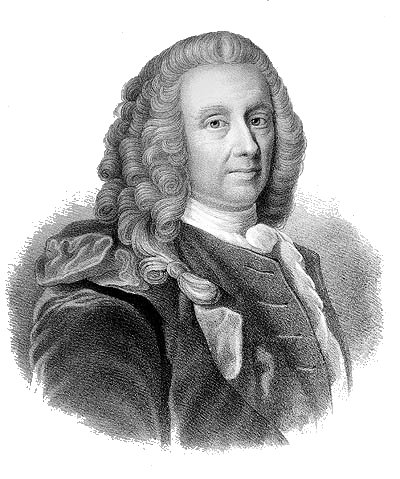
Ludvig Holberg
(Ludvig Holberg)
Towering Enlightenment polymath, historian, and playwright celebrated as the 'Molière of the North' who created modern Danish-Norwegian comic theatre with classics like Jeppe paa Bjerget.
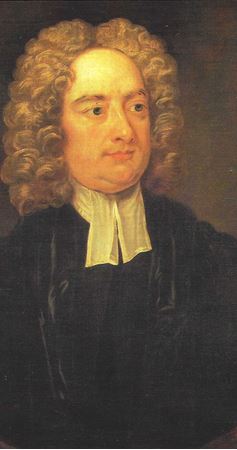
Jonathan Swift
 (Jonathan Swift)
Foremost prose satirist in the English language and Dean of St Patrick's Cathedral in Dublin, whose Gulliver's Travels and biting satire A Modest Proposal exposed the savagery and hypocrisy of human politics.
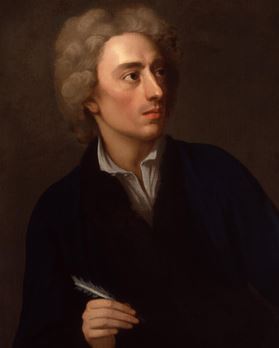
Alexander Pope
(Alexander Pope)
Supreme English poet of the Augustan Enlightenment whose glittering heroic couplets, translations of Homer's Iliad, and satirical masterworks—An Essay on Criticism and The Rape of the Lock—made him the second most quoted writer in English after Shakespeare.
Abd al-Ghani al-Nabulsi
 (عبد الغني النابلسي)
Prolific 17th-century Damascene polymath and poet who authored over two hundred works on Islamic law, mysticism, dream interpretation, and travel.
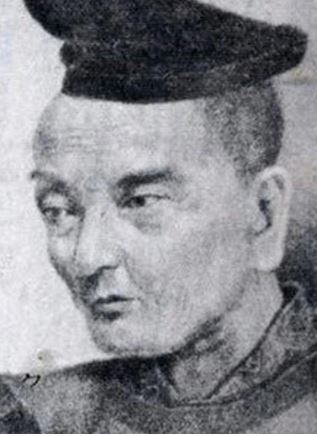
Chikamatsu Monzaemon
(近松門左衛門 (Sugimori Nobumori))
Japan's greatest dramatist (1653–1725), known as the 'Shakespeare of Japan', who authored over a hundred puppet (joruri/bunraku) and kabuki plays exploring the tragic conflict between social duty (giri) and human emotion (ninjo).
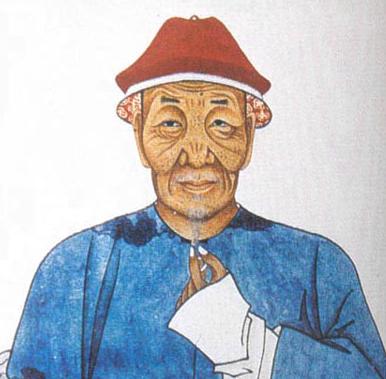
Pu Songling
(蒲松齡 (Pu Liuxian / Liaozhai Xiansheng))
Qing dynasty author (1640–1715) renowned for 'Strange Tales from a Chinese Studio' (Liaozhai Zhiyi), a brilliant collection of nearly five hundred classical prose stories featuring ghosts, fox spirits, and sharp moral satires.
Nicolas Boileau
 (Nicolas Boileau-Despréaux)
Foremost poetic theorist and satirist of French Classicism known as the 'Lawgiver of Parnassus', whose L'Art poétique (1674) codified classical aesthetic principles of reason, clarity, and truth.
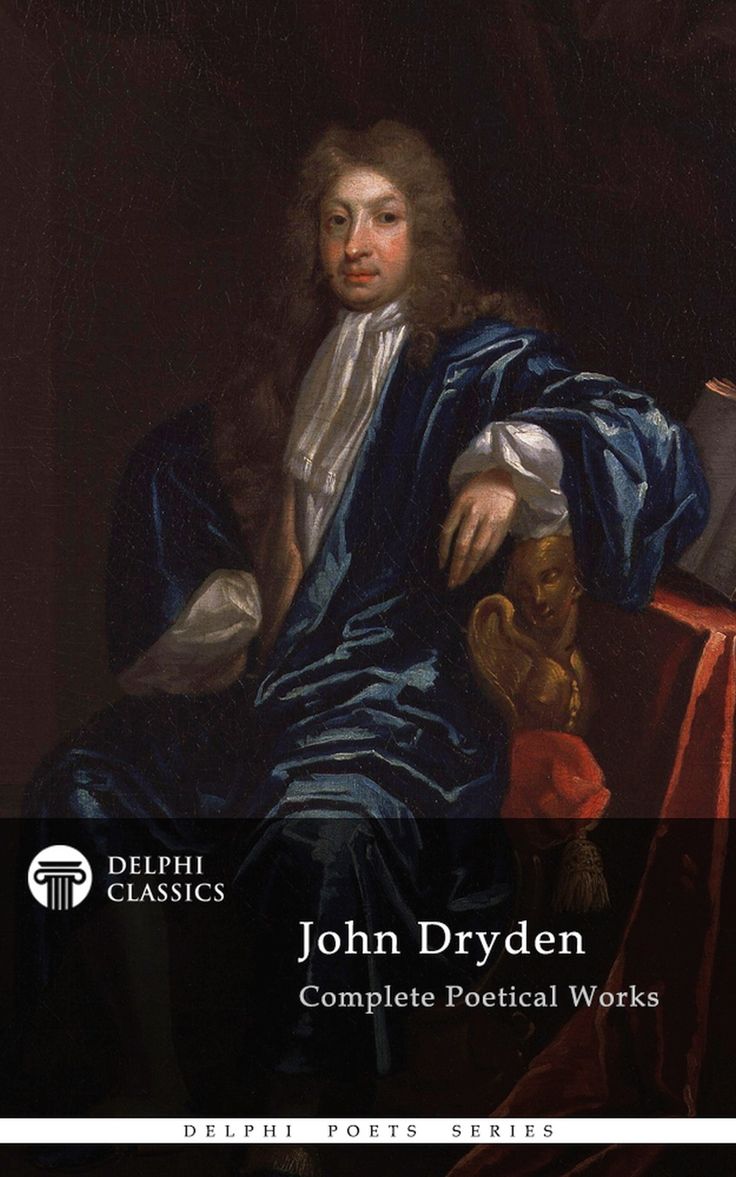
John Dryden
(John Dryden)
Foremost English poet, dramatist, and literary critic of the Restoration, appointed England's first official Poet Laureate in 1668.
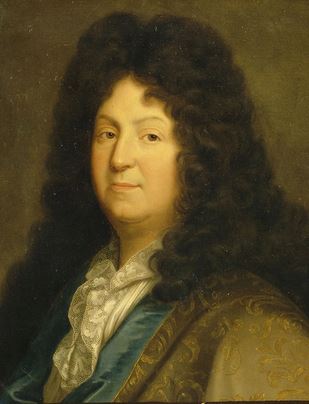
Jean-Baptiste Racine
(Jean Racine)
Supreme dramatist of French classical tragedy whose immaculate alexandrine verse and psychological intensity in Phèdre, Andromaque, and Britannicus captured the destructive, uncontrollable fury of human passion.