Public Figures & Cultural Luminaries
Filterable archive covering centuries of intellectual, artistic, and moral contributions to the human story.
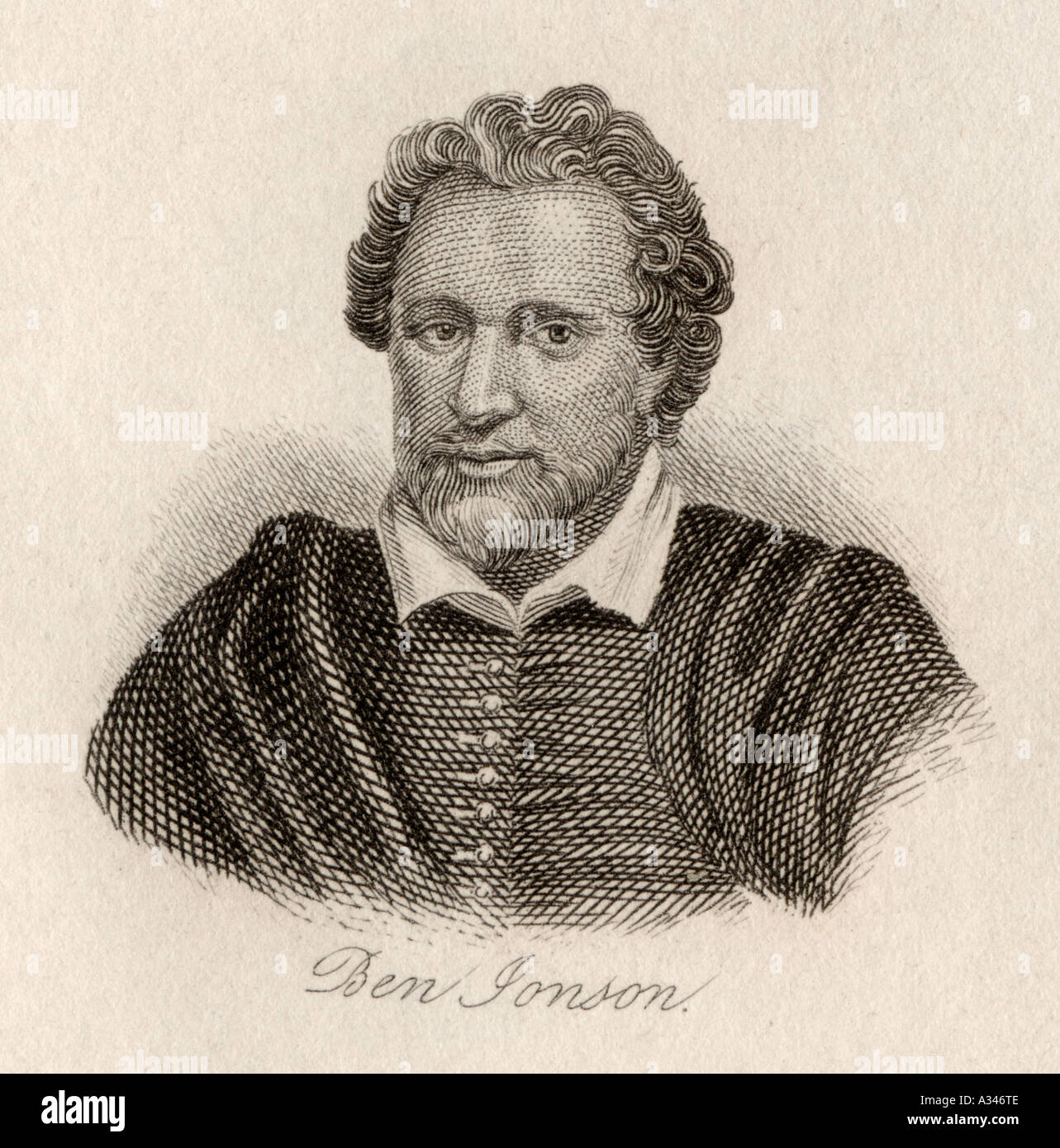
Benjamin Jonson
 (Benjamin Jonson)
Towering Jacobean playwright, poet, and literary theorist who popularized the comedy of humours in Volpone and The Alchemist and eulogized Shakespeare.
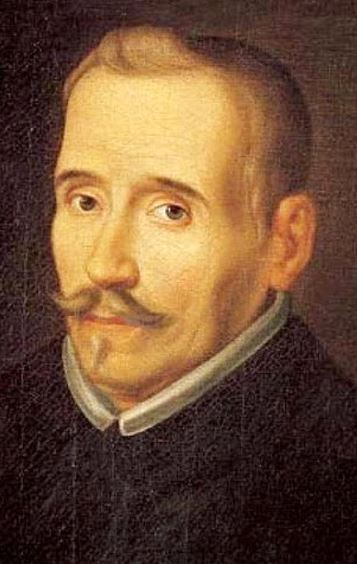
Félix Lope de Vega y Carpio
 (Lope de Vega)
Titanic Spanish playwright dubbed by Cervantes 'El Monstruo de la Naturaleza' (The Monster of Nature) for his astonishing output of over 1,500 plays, including Fuenteovejuna and The Dog in the Manger.
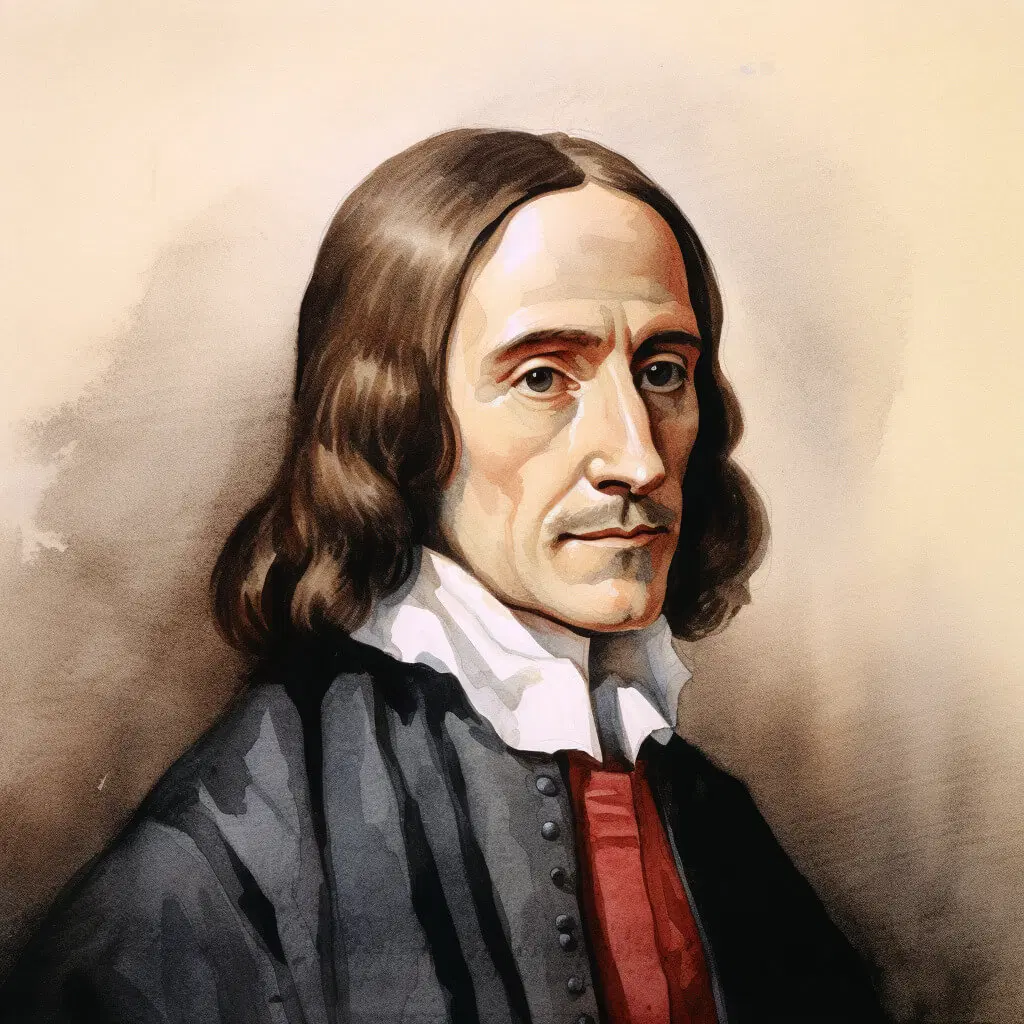
George Herbert
(George Herbert)
Welsh-born English devotional poet and Anglican priest whose metaphysical collection The Temple fused profound spiritual intimacy with dazzling architectural verse forms.
Ahmed Mohammed al-Maqqari
 (أحمد بن محمد المقري التلمساني)
Immense North African historian, literary scholar, and mufti who studied in Tlemcen and Fez before authoring 'Nafh al-Tib' in Cairo—the monumental encyclopedia of Andalusian Islamic civilization.
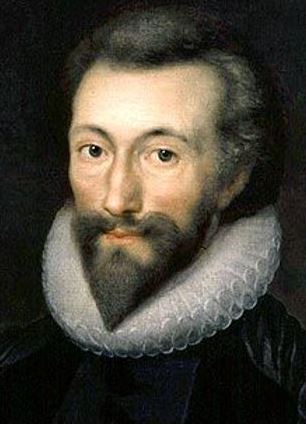
John Donne
(John Donne)
Foremost English metaphysical poet and Dean of St Paul's whose passionate erotic elegies, complex extended conceits, and profound Holy Sonnets gave English literature 'No man is an island' and 'Death, be not proud'.
Théodore Agrippa d'Aubigné
 (Théodore Agrippa d'Aubigné)
Fierce Huguenot warrior, statesman, and poet whose monumental apocalyptic epic poem Les Tragiques (1616) stands as the greatest literary masterpiece of the French Wars of Religion.
François de Malherbe
(François de Malherbe)
Normandy-born poet and royal courtier whose strict reforms of poetic vocabulary, syntax, and classical metric clarity established the foundation for seventeenth-century French Classicism, celebrated by Boileau's 'Enfin Malherbe vint'.
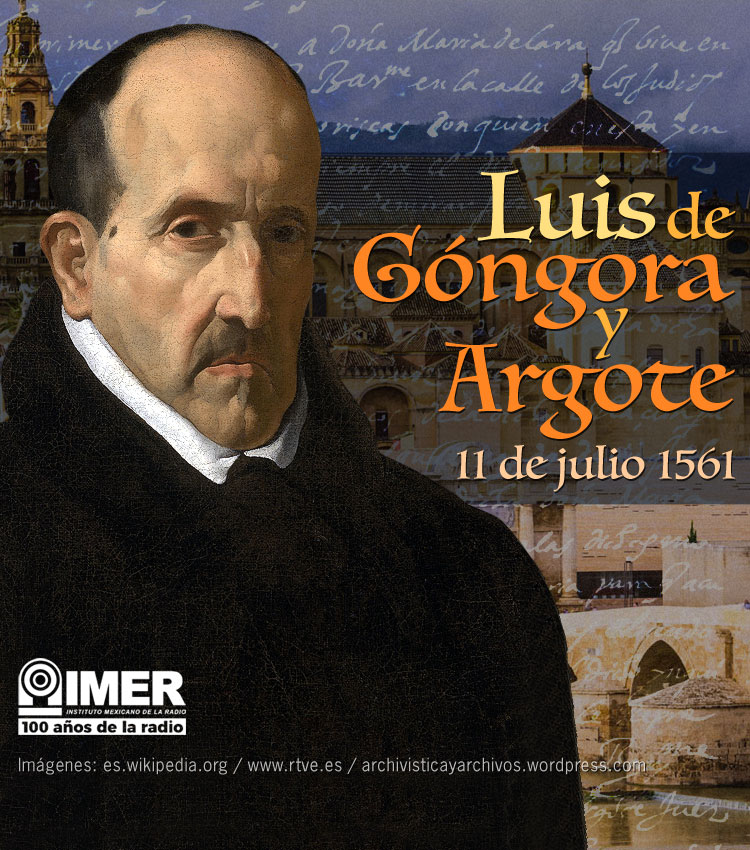
Luis de Góngora y Argote
(Luis de Góngora y Argote)
Spanish Golden Age Baroque lyric poet who originated Culteranismo (Gongorism), celebrated for his complex masterpiece Soledades and mythological epic Polifemo.
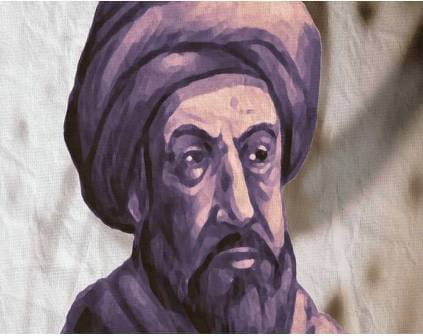
Al-Qadi al-Fishtali
 (عبد العزيز الفشتالي)
Poet laureate and Grand Vizier of Sultan Ahmad al-Mansur, renowned for his dazzling rhymed prose and his official monumental chronicle Manahil al-Safa.
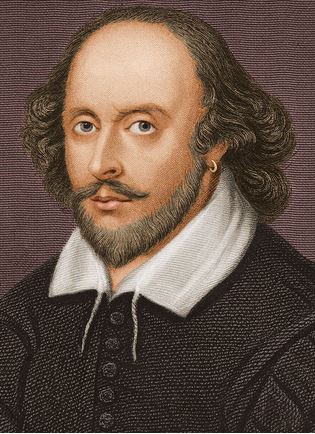
William Shakespeare
(William Shakespeare)
Universally regarded as the greatest writer in the English language and the preeminent dramatist in world history, whose 39 plays, 154 sonnets, and cosmic insight in Hamlet, King Lear, and Macbeth defined the human condition.
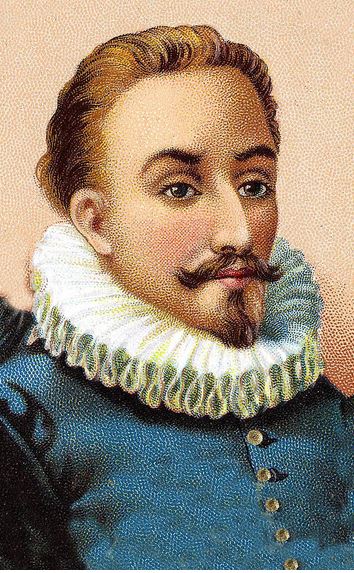
Miguel de Cervantes Saavedra
(Miguel de Cervantes)
Titan of the Spanish Golden Age and creator of Don Quixote de la Mancha (1605/1615), universally revered as the first modern European novel and the eternal archetype of the noble dreamer tilting at windmills.
Pierre de Bourdeille (Brantôme)
(Pierre de Bourdeille, seigneur et abbé de Brantôme)
French soldier, courtier, and unabashed memoirist whose scandalous, vivid chronicles Vies des dames galantes and Vies des grands capitaines captured the intrigues, duels, and amorous escapades of the Valois Renaissance court.
Jan Moretus
 (Jan Moretus)
Antwerp humanist scholar and printer who inherited the Officina Plantiniana from his father-in-law Christophe Plantin, expanding the publishing empire and publishing the seminal works of Justus Lipsius.
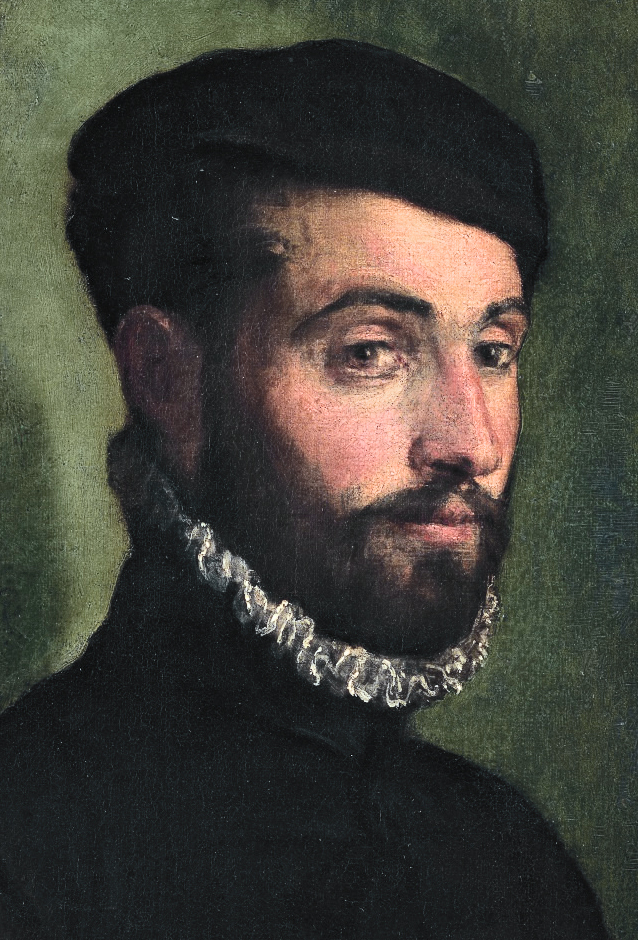
Torquato Tasso
 (Torquato Tasso)
Italian Late Renaissance poet whose heroic epic Gerusalemme Liberata (Jerusalem Delivered) fused Christian chivalric grandeur with melancholy passion.
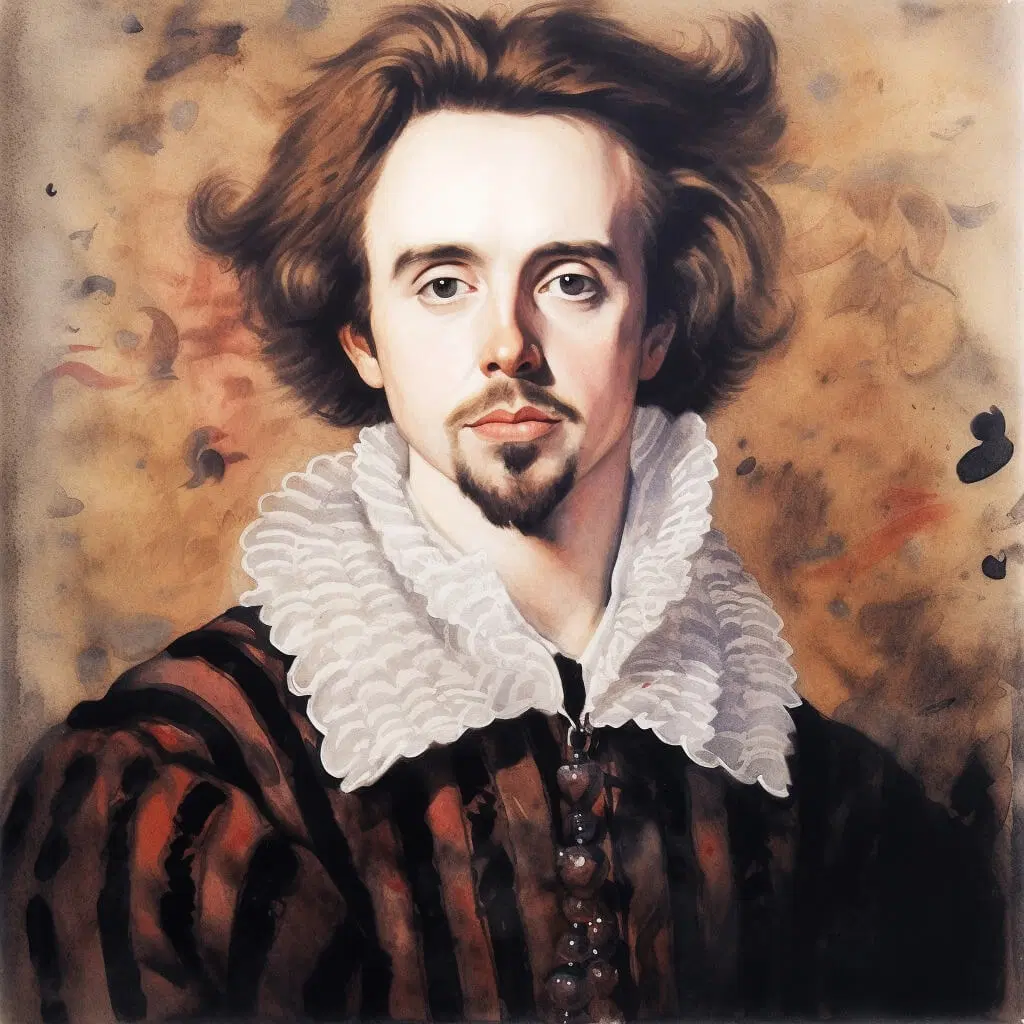
Christopher Marlowe
(Christopher Marlowe)
Pioneering Elizabethan dramatist and poet who perfected English blank verse with 'Marlowe's mighty line' in Tamburlaine and Doctor Faustus.
Jacques Amyot
(Jacques Amyot)
French Renaissance humanist and Bishop of Auxerre whose magnificent French translation of Plutarch's Parallel Lives shaped modern French literary prose and inspired Montaigne and William Shakespeare.
Christophe Plantin
(Christophe Plantin)
Renaissance printer and publisher whose Antwerp printing house, the Officina Plantiniana (De Gulden Passer), became the largest and most technologically advanced printing house in sixteenth-century Europe.
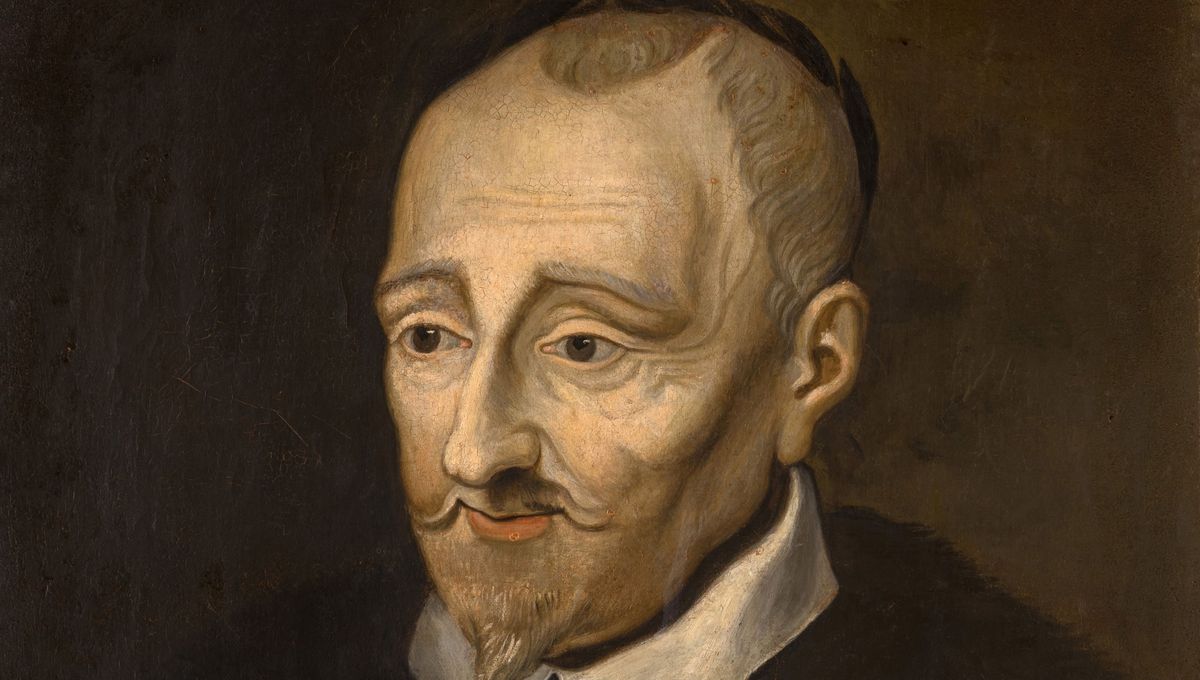
Pierre de Ronsard
(Pierre de Ronsard)
Acclaimed as the 'Prince of Poets' and leader of the French Renaissance Pléiade, renowned for 'Mignonne, allons voir si la rose' and Sonnets pour Hélène.