 Germany
•
9 views
Germany
•
9 views
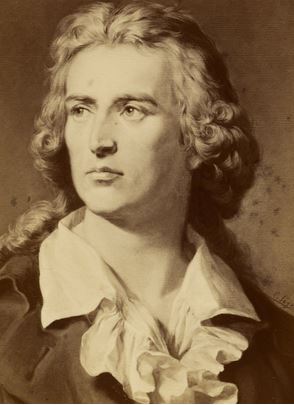
Johann Christoph Friedrich von Schiller

Marbach am Neckar (Württemberg), Germany
Archival Overview
German dramatist and philosopher of freedom whose immortal hymn An die Freude (Ode to Joy) became Beethoven's Ninth Symphony, and whose dramas—The Robbers, Mary Stuart, and William Tell—championed the liberation of the human spirit.
Biographical Record
Friedrich Schiller (1759–1805) escaped the tyrannical military academy of the Duke of Württemberg to premiere his revolutionary drama Die Räuber (The Robbers) in 1782, an explosive attack on feudal despotism that earned him honorary citizenship from the French Revolutionary Assembly.
In 1785, Schiller penned the ecstatic hymn An die Freude (Ode to Joy), celebrating universal human fraternity under the wings of joy, which Ludwig van Beethoven set to music in the finale of his Ninth Symphony (now the European anthem). Moving to Weimar, Schiller forged a legendary creative friendship with Goethe. In philosophical treatises like On the Aesthetic Education of Man and historical tragedies like Wallenstein and Wilhelm Tell, Schiller proclaimed aesthetic beauty and political liberty as the ultimate destinies of humanity.
Key Life Milestones
Composition of the Hymn 'An die Freude' (Ode to Joy)
Wrote his universal anthem of human fraternity and joy, later immortalized in Beethoven's Ninth Symphony.
Premiere of Wilhelm Tell at the Weimar Court Theatre
Premiered his final drama on Swiss resistance and liberty, directed by his dear friend Goethe in Weimar.
Memorial Guestbook & Tributes
0 messages recordedLeave a Respectful Tribute
Final Resting Place
Perpetual MemorialWeimar (Saxe-Weimar), Germany