Public Figures & Cultural Luminaries
Filterable archive covering centuries of intellectual, artistic, and moral contributions to the human story.
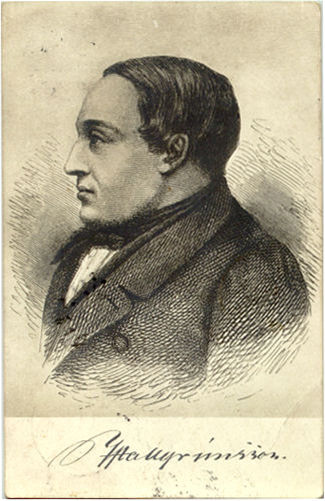
Jónas Hallgrímsson
 (Jónas Hallgrímsson)
Beloved national romantic poet and naturalist of Iceland who revitalized the Icelandic language through the periodical Fjölnir, whose birthday (November 16) is celebrated as Icelandic Language Day.
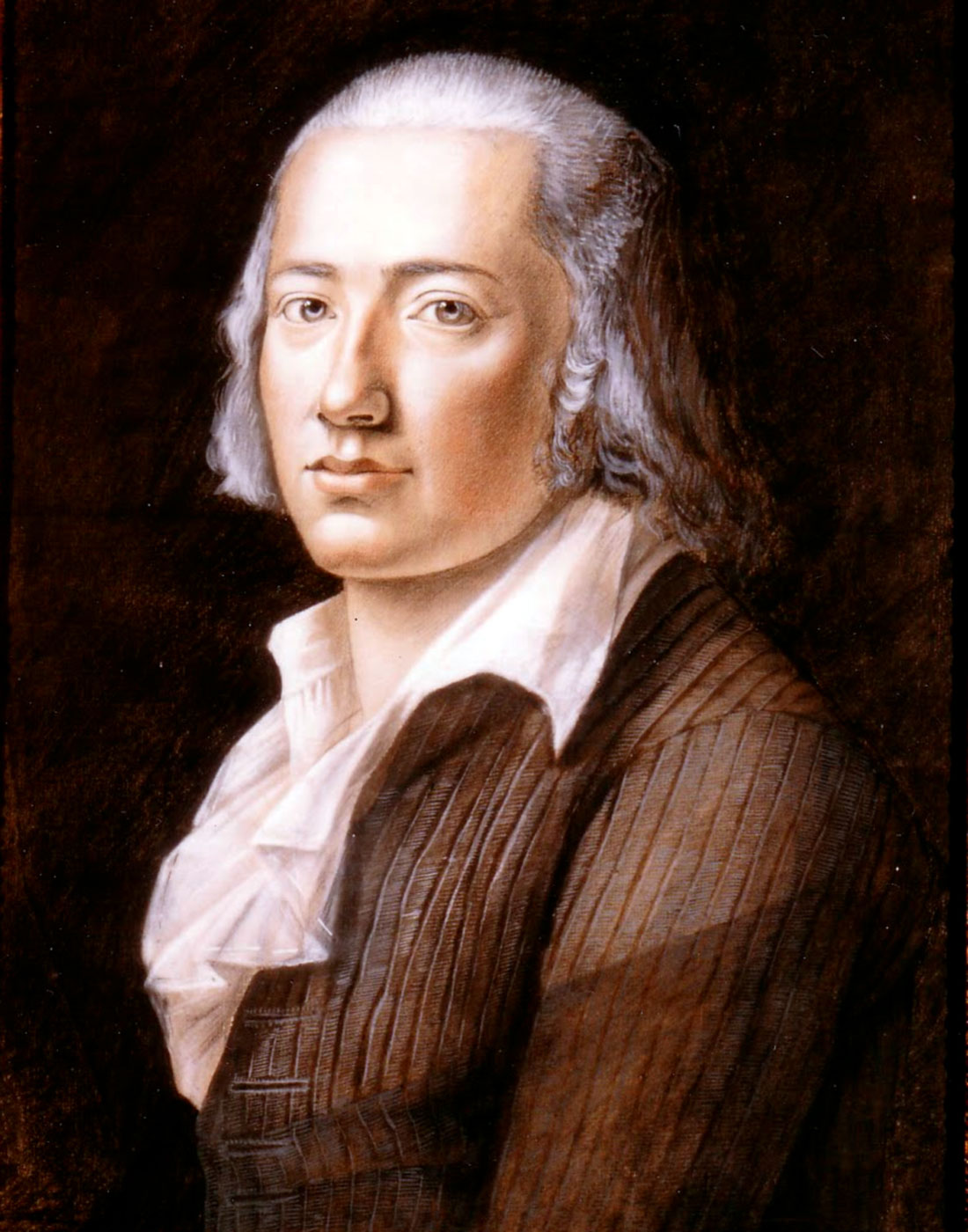
Friedrich Hölderlin
 (Johann Christian Friedrich Hölderlin)
Visionary German lyric poet who bridged Classicism and Romanticism, synthesizing ancient Greek myth with tragic modern philosophy in Hyperion and Patmos.
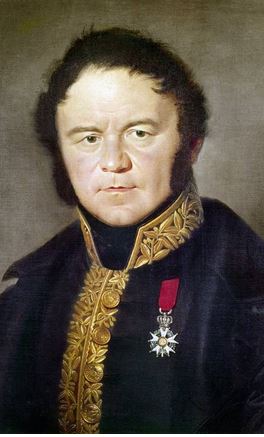
Marie-Henri Beyle (Stendhal)
 (Henri Beyle (Stendhal))
Visionary French novelist whose spare, analytical prose and profound psychological dissections of ambition, hypocrisy, and passion in Le Rouge et le Noir (The Red and the Black) and La Chartreuse de Parme founded modern European psychological fiction.
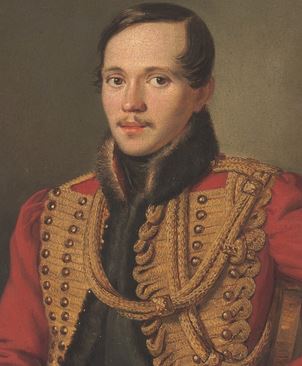
Mikhail Yuryevich Lermontov
 (Михаил Юрьевич Лермонтов)
Tragic genius of Russian Romanticism whose grief-stricken elegy on Pushkin's death and psychological masterpiece A Hero of Our Time (featuring Pechorin) redefined Russian prose before his death in a duel at age twenty-six.
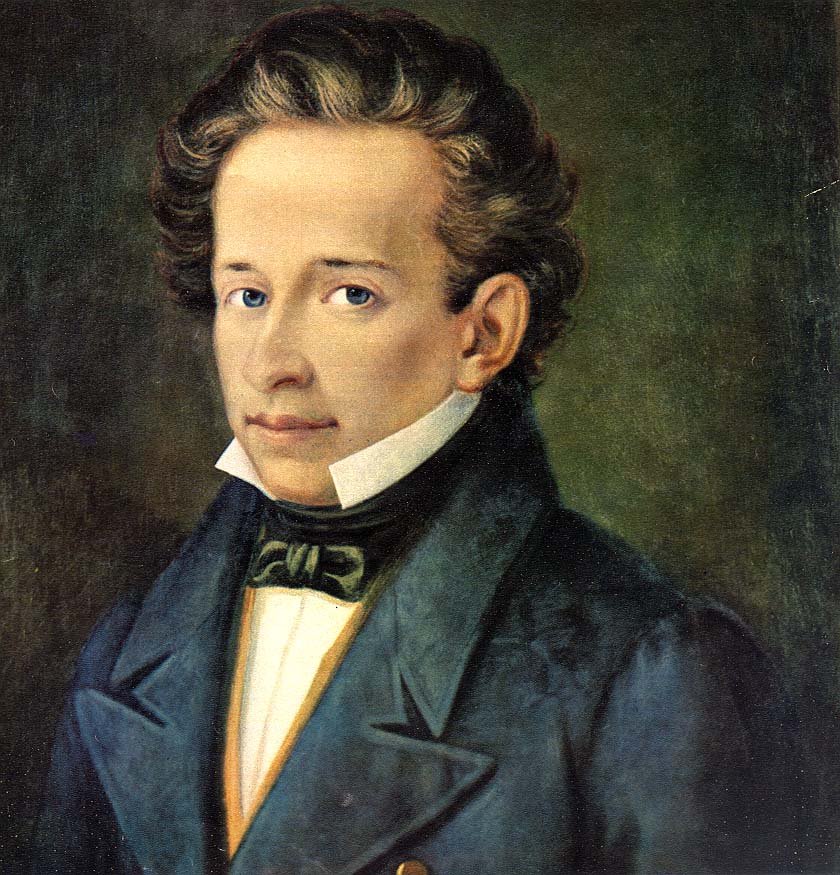
Giacomo Leopardi
 (Giacomo Taldegardo Francesco di Sales Saverio Pietro Leopardi)
Foremost modern Italian lyric poet and philosopher of cosmic pessimism whose Canti and Operette morali achieved peerless stylistic purity and intellectual depth.
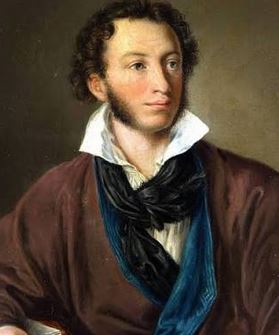
Alexander Sergeyevich Pushkin
(Александр Сергеевич Пушкин)
Revered as 'The Sun of Russian Poetry' and the foundational father of modern Russian literature, whose novel in verse Eugene Onegin, drama Boris Godunov, and The Bronze Horseman forged the modern Russian literary language.
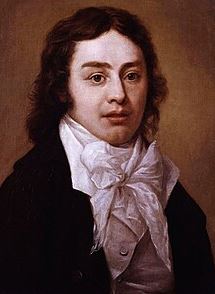
Samuel Taylor Coleridge
 (Samuel Taylor Coleridge)
Visionary English Romantic poet, philosopher, and critic who co-founded the Romantic movement with Wordsworth, creating hallucinated supernatural masterworks—The Rime of the Ancient Mariner, Kubla Khan, and Christabel.
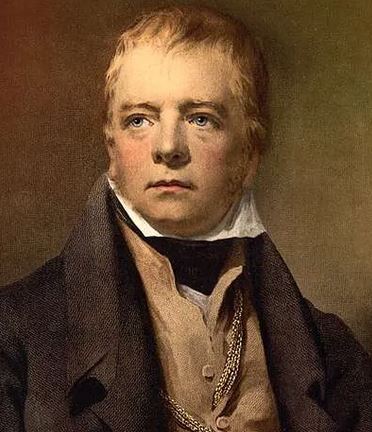
Sir Walter Scott, 1st Baronet
(Sir Walter Scott)
Scottish literary colossus known as 'The Wizard of the North' who single-handedly invented the modern historical novel with Waverley, Rob Roy, and Ivanhoe, capturing the romantic imagination of Europe and inspiring Balzac, Dumas, and Tolstoy.
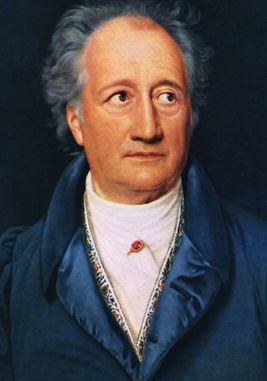
Johann Wolfgang von Goethe
(Johann Wolfgang von Goethe)
Supreme giant of German literature and European polymath whose epistolary novel The Sorrows of Young Werther launched Sturm und Drang, and whose life's masterwork Faust stands as the cosmic tragedy of modern humanity's striving soul.
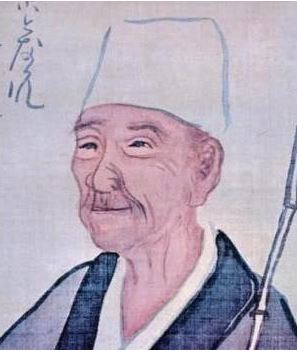
Kobayashi Issa
 (小林一茶 (Kobayashi Nobuyuki))
Beloved Edo-period Japanese haiku master (1763–1828) whose compassionate, humorous, and deeply personal verses celebrated humble creatures, children, and spiritual resilience in the face of immense personal grief.
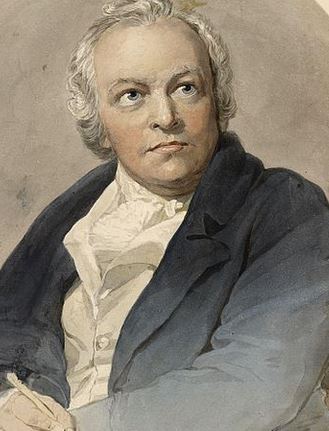
William Blake
(William Blake)
Visionary English Romantic poet, printmaker, and mystic who saw angels in London trees, creating illuminated books of singular poetic genius—Songs of Innocence and of Experience, The Marriage of Heaven and Hell, and 'The Tyger'.
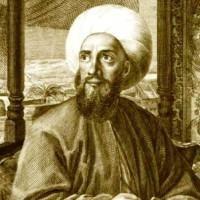
Abd al-Rahman al-Jabarti
 (عبد الرحمن الجبرتي)
Towering Egyptian historian and Azhari scholar whose monumental eyewitness chronicle Aja'ib al-Athar provides the definitive, masterly record of late Ottoman Egypt and Napoleon Bonaparte's 1798 invasion.
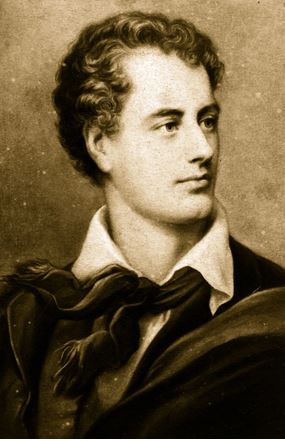
George Gordon Byron, 6th Baron Byron
(George Gordon Byron)
Flamboyant English Romantic poet who created the brooding, rebellious 'Byronic hero' in Childe Harold's Pilgrimage and Don Juan, dying a hero of the Greek War of Independence at Missolonghi.
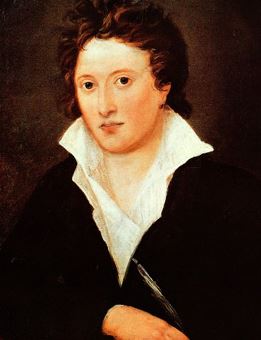
Percy Bysshe Shelley
(Percy Bysshe Shelley)
Radical English Romantic lyric poet and visionary whose impassioned defenses of nonviolent revolution and political justice in The Masque of Anarchy, Ode to the West Wind, and Ozymandias proclaimed poets as 'the unacknowledged legislators of the world'.
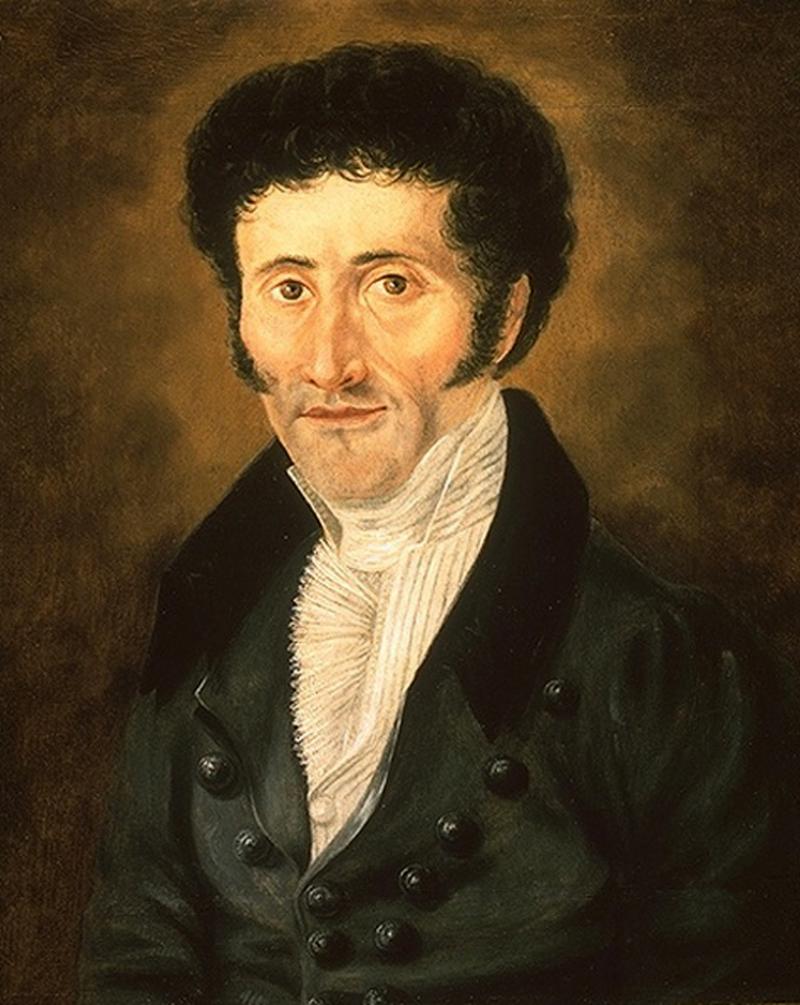
E.T.A. Hoffmann
(Ernst Theodor Amadeus Hoffmann)
German Romantic polymath, composer, and master of the uncanny whose gothic tales inspired The Nutcracker, Coppélia, and Offenbach's The Tales of Hoffmann.
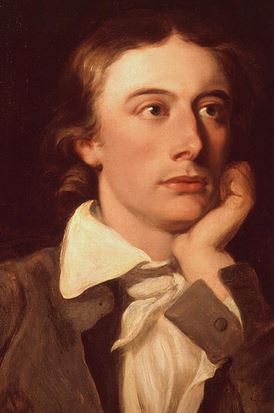
John Keats
(John Keats)
One of the supreme lyric poets in the English language who, before succumbing to tuberculosis at age twenty-five in Rome, composed the miraculous 1819 Odes—Ode to a Nightingale, Ode on a Grecian Urn, and To Autumn—proclaiming: 'Beauty is truth, truth beauty.'
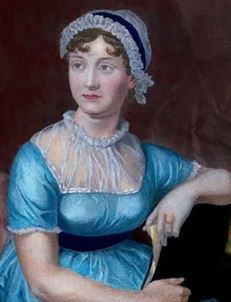
Jane Austen
(Jane Austen)
Preeminent English novelist whose flawless social realism, biting comic irony, and psychological depth in Pride and Prejudice, Sense and Sensibility, and Emma revolutionized the English novel into high art.
Charles-Joseph de Ligne
 (Charles-Joseph de Ligne)
Famous Walloon-Austrian prince, field marshal, and Enlightenment writer whose sparkling wit, military memoirs, and gardens at Château de Belœil made him a legend across European courts.