Public Figures & Cultural Luminaries
Filterable archive covering centuries of intellectual, artistic, and moral contributions to the human story.
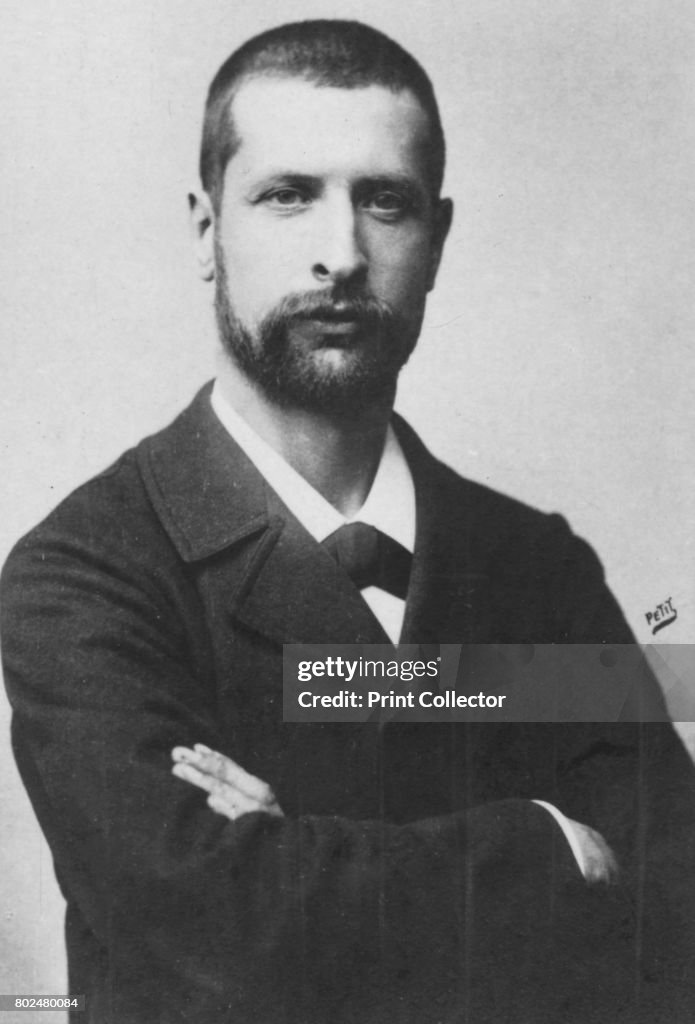
Alexandre Émile Jean Yersin
 (Alexandre Yersin)
Médecin et bactériologiste franco-suisse, découvreur du bacille de la peste (Yersinia pestis) et bienfaiteur vénéré de la population de Nha Trang au Vietnam.
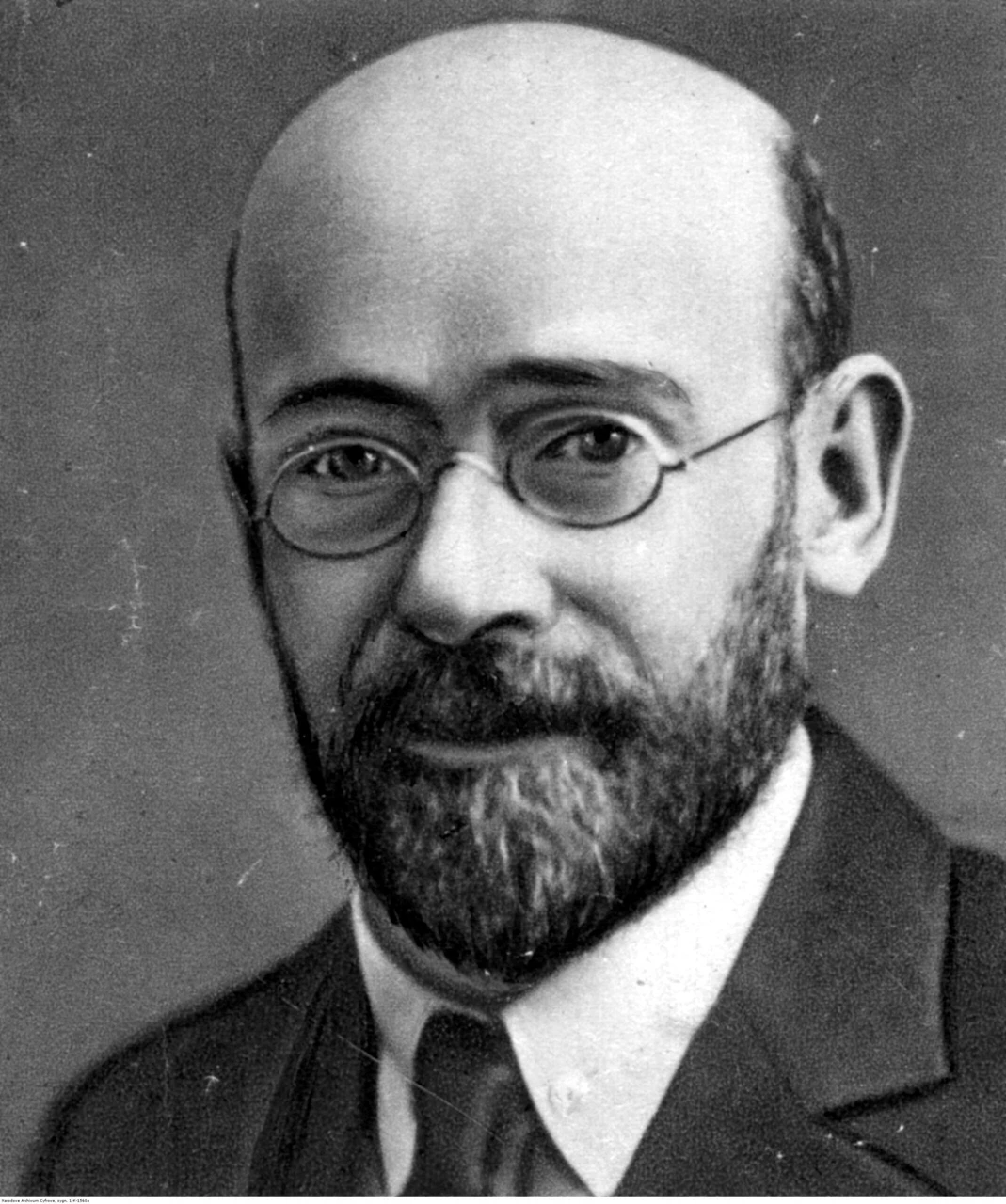
Janusz Korczak
 (Henryk Goldszmit)
Janusz Korczak (pen name of Henryk Goldszmit) was a Polish-Jewish pediatrician, pioneering educator, and beloved children's author who established an egalitarian democratic children's republic at Dom Sierot orphanage in Warsaw. When the Nazis liquidated the Warsaw Ghetto in August 1942, Korczak steadfastly refused multiple offers of personal escape, choosing instead to march hand-in-hand with his 192 orphans into the gas chambers of Treblinka.
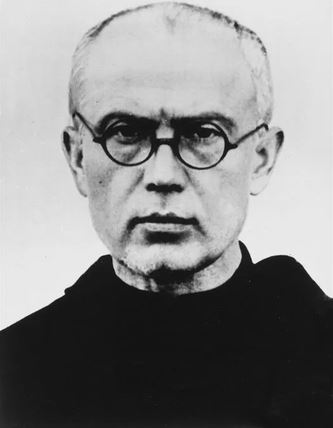
Saint Maximilien-Marie Kolbe
 (Rajmund Kolbe)
Prêtre franciscain polonais, qui abrita 2 000 Juifs dans son monastère avant d'offrir volontairement sa vie pour sauver celle d'un père de famille condamné au bunker de la faim à Auschwitz.
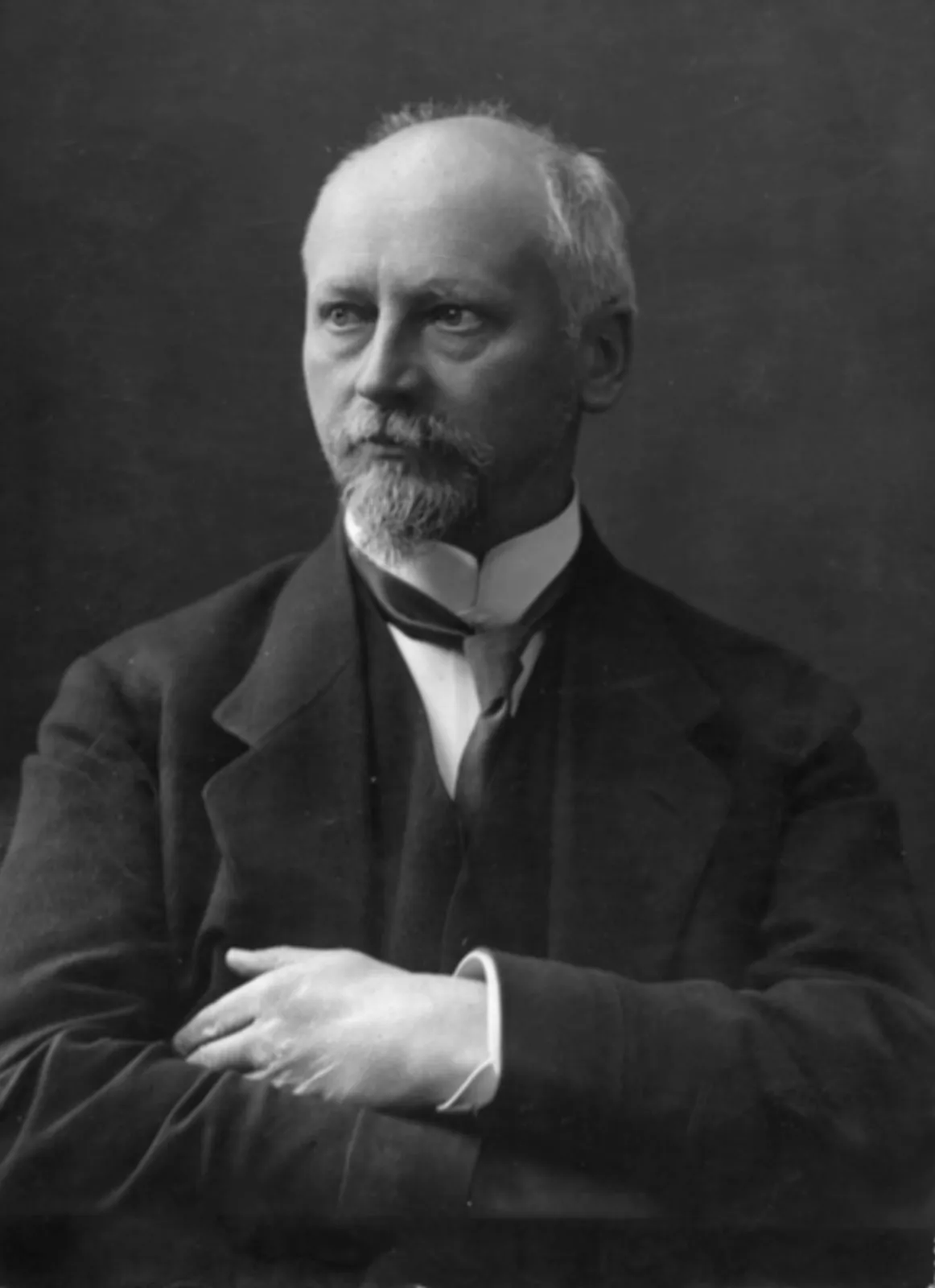
Ludwig Quidde (Ludwig Quidde)
Ludwig Quidde was a prominent German historian, pacifist, and politician who served as President of the German Peace Society (DFG) for fifteen years (1914–1929). Famed for his daring 1894 satirical essay 'Caligula' attacking Kaiser Wilhelm II's militaristic megalomania, Quidde opposed German expansionism throughout WWI and shared the 1927 Nobel Peace Prize with Ferdinand Buisson before fleeing Nazi terror.
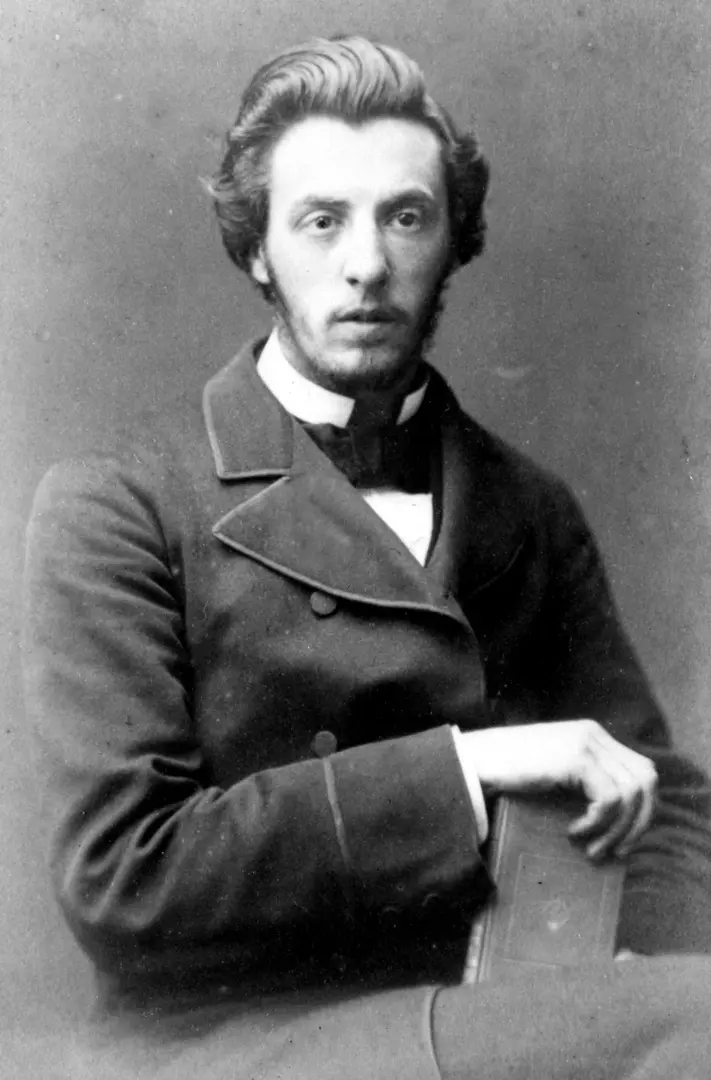
Ballington Booth
 (Ballington Booth)
Fils de William Booth et cofondateur des Volunteers of America (1896), dévoué à la réhabilitation des détenus et à l'hébergement des familles déshéritées.
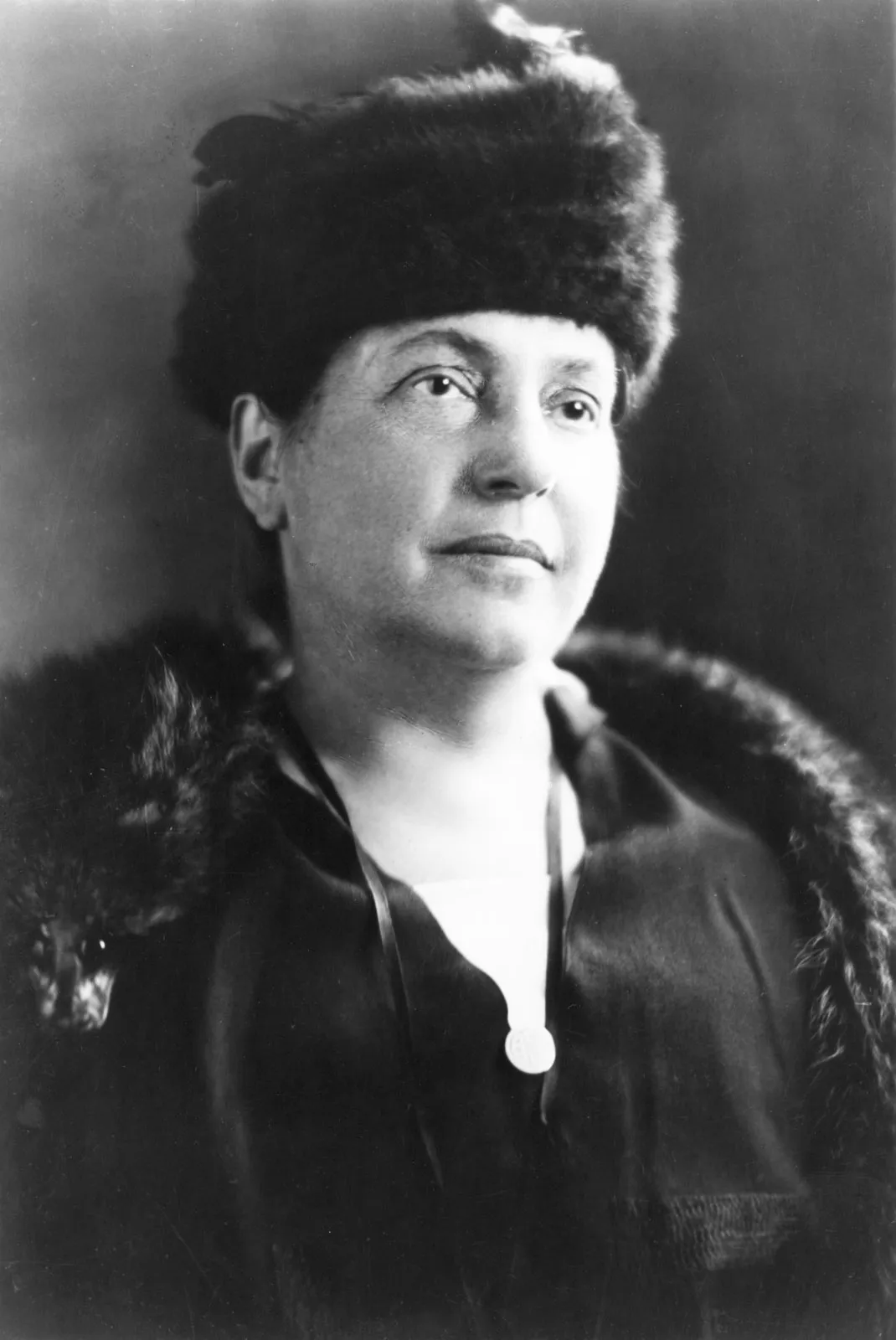
Lillian D. Wald
 (Lillian Wald)
Infirmière et réformatrice sociale américaine, fondatrice du Henry Street Settlement et pionnière mondiale des soins infirmiers de santé publique.
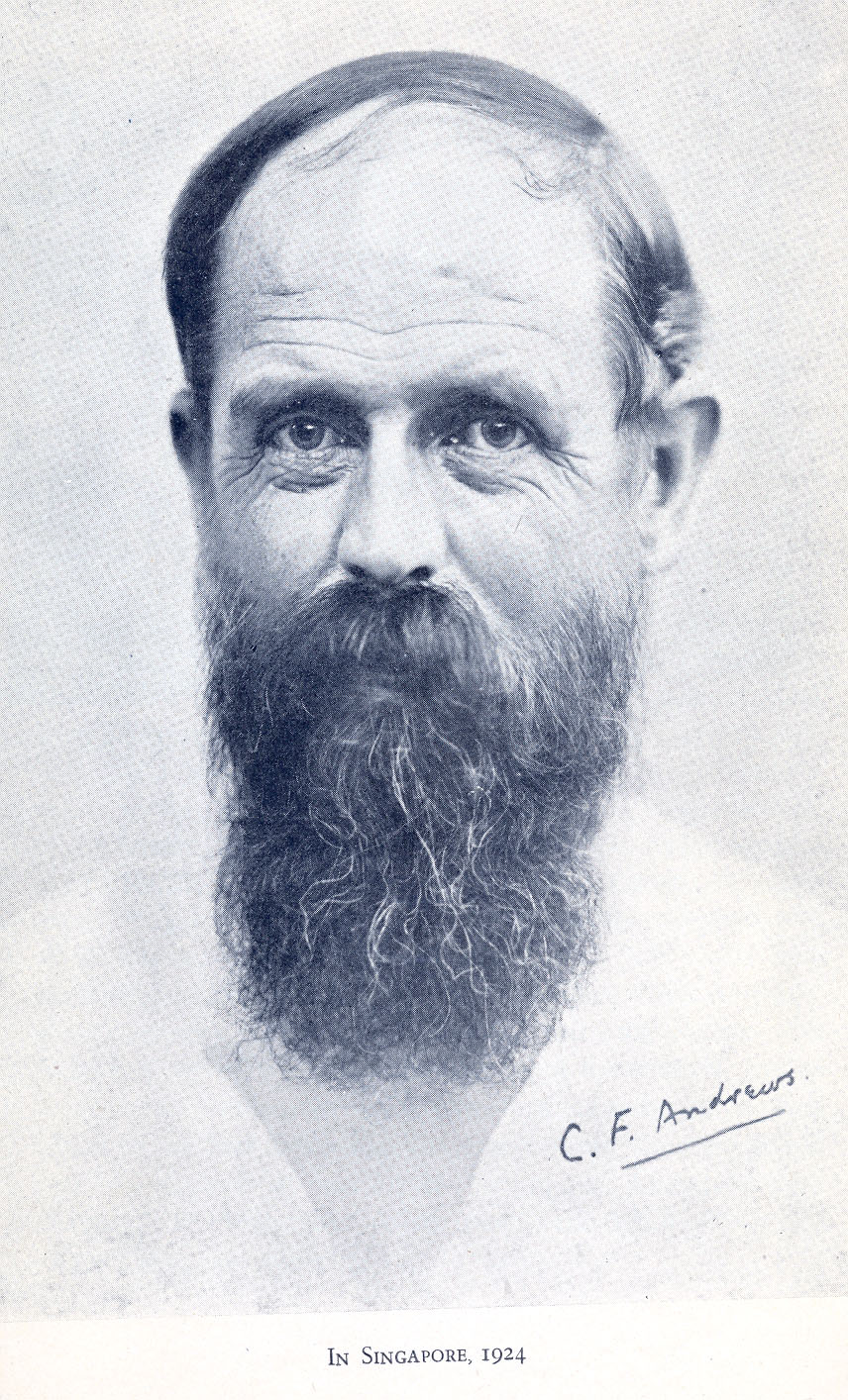
Charles Freer Andrews
(C. F. Andrews)
Prêtre anglican et réformateur britannique surnommé Deenabandhu (« l'Ami des pauvres »), compagnon intime de Gandhi et de Rabindranath Tagore.
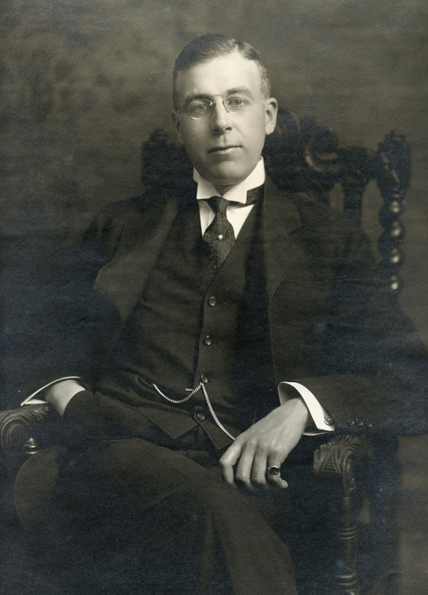
Edward Stephen Harkness
(Edward Harkness)
Philanthrope américain d'une discrétion légendaire, donateur de plus de 130 millions de dollars, fondateur du Commonwealth Fund et du Pilgrim Trust.
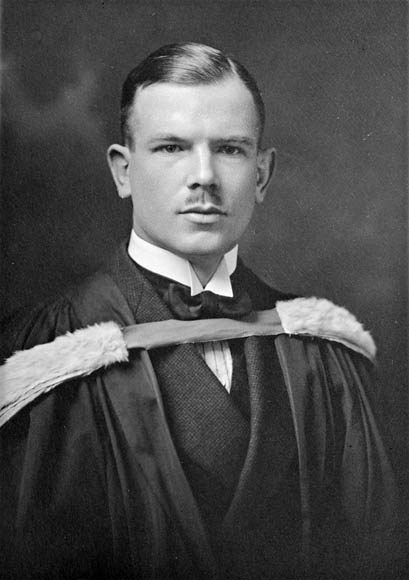
Henry Norman Bethune
 (Norman Bethune (白求恩))
Chirurgien thoracique canadien visionnaire, créateur de la première unité mobile de transfusion sanguine en Espagne et héros médical en Chine.
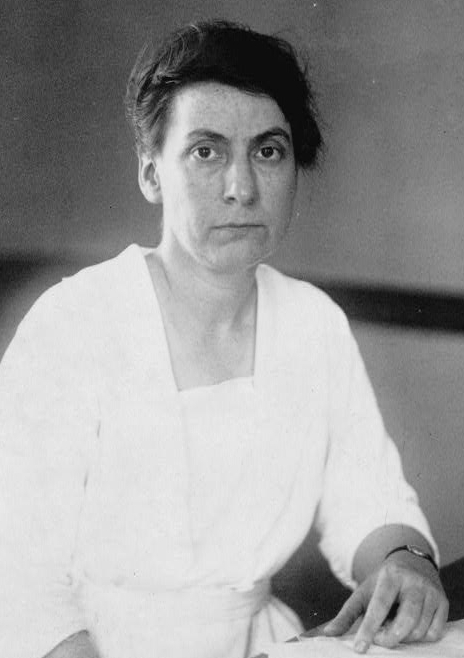
Grace Abbott
(Grace Abbott)
Champion of immigrants' rights and child welfare who directed the Immigrants' Protective League, led the federal enforcement of the first federal child labor laws, and helped draft the historic Social Security Act of 1935.
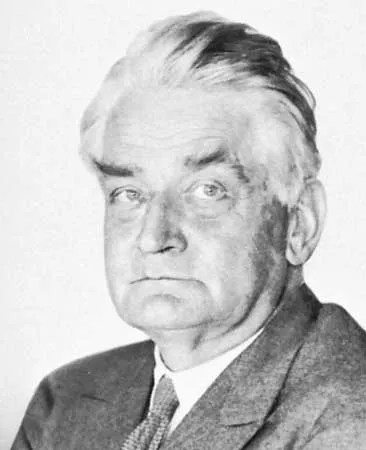
Christian Lous Lange
 (Christian Lous Lange)
Christian Lous Lange was a Norwegian historian, educator, and political scientist who served as Secretary-General of the Inter-Parliamentary Union (IPU) for a quarter-century (1909–1933). The first secretary of the Norwegian Nobel Committee, Lange guided the IPU through World War I and authored the monumental 'Histoire de l'internationalisme', receiving the 1921 Nobel Peace Prize with Hjalmar Branting.
Carl von Ossietzky
 (Carl von Ossietzky)
German investigative journalist and fearless anti-Nazi editor of 'Die Weltbuhne' who exposed Germany's secret illegal rearmament in violation of the Treaty of Versailles, awarded the 1935 Nobel Peace Prize while imprisoned in a Nazi concentration camp.
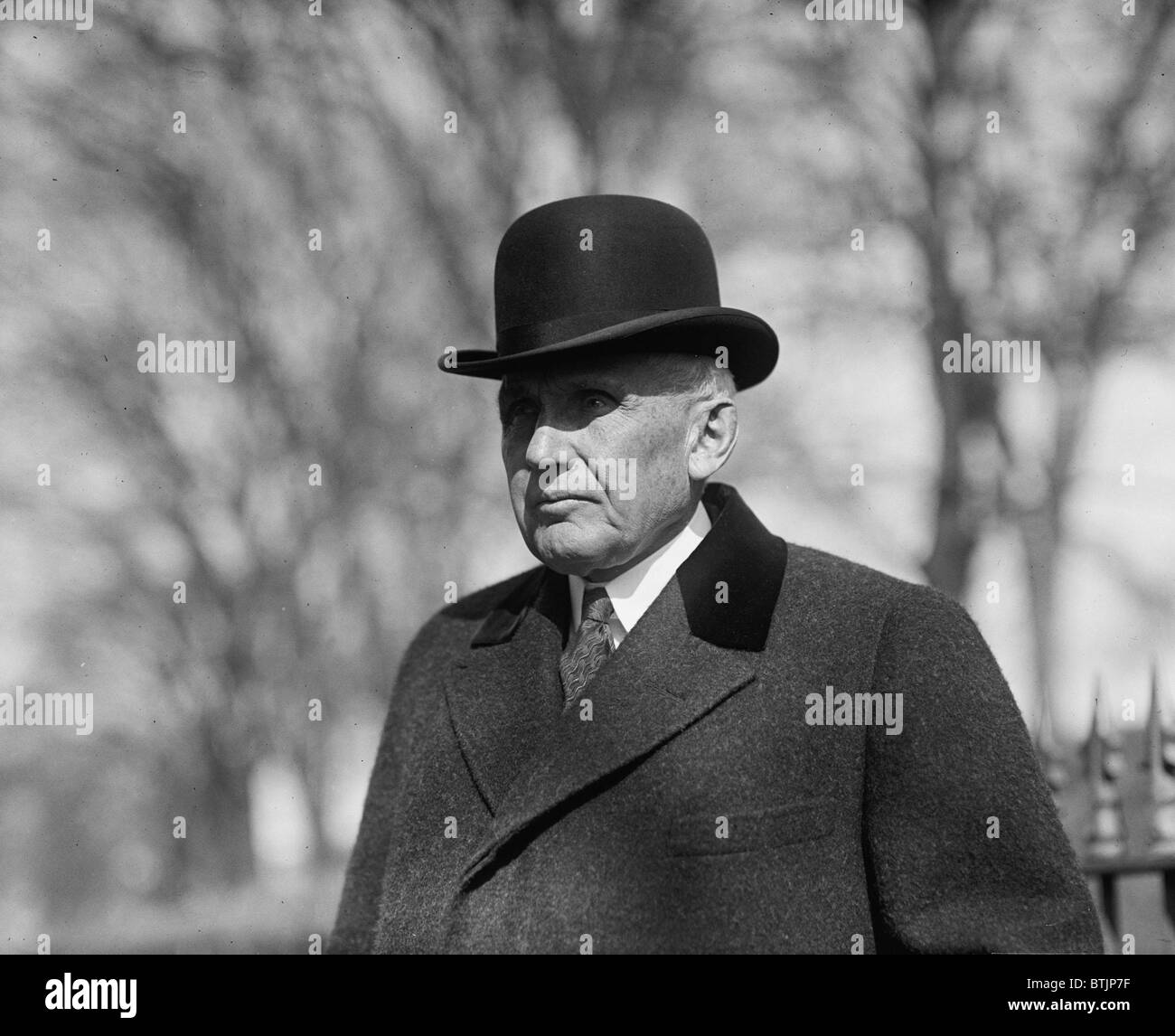
Frank Billings Kellogg
(Frank Billings Kellogg)
Frank Billings Kellogg was an American lawyer, diplomat, and US Secretary of State (1925–1929) under President Calvin Coolidge. Working in partnership with French Foreign Minister Aristide Briand, he authored the historic 1928 Kellogg-Briand Pact (Pact of Paris), signed by sixty-two nations legally renouncing war as an instrument of national policy, for which he was awarded the 1929 Nobel Peace Prize.
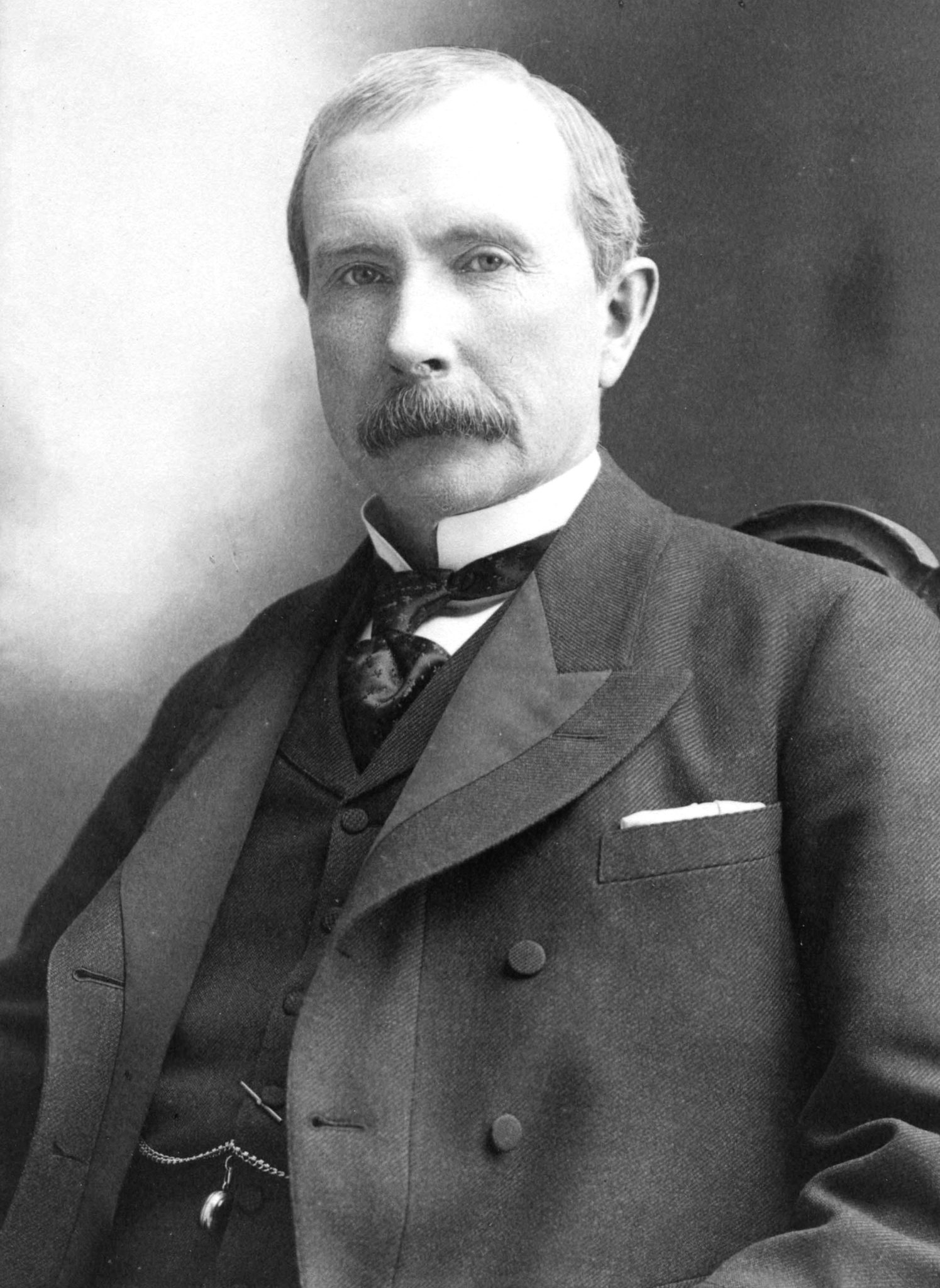
John Davison Rockefeller Sr.
(John D. Rockefeller)
Fondateur de la Standard Oil et pionnier de la philanthropie scientifique moderne, créateur de la Fondation Rockefeller qui a transformé la médecine et éradiqué la fièvre jaune.
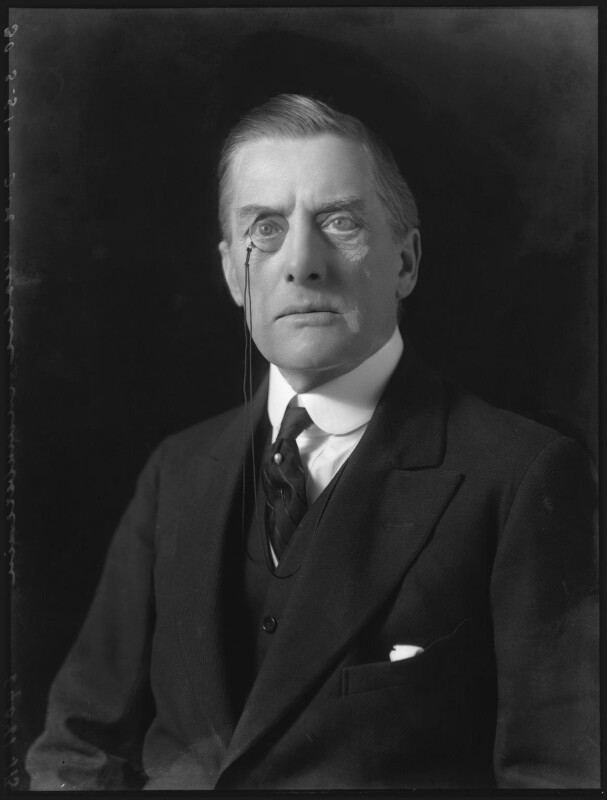
Sir Joseph Austen Chamberlain
(Sir Joseph Austen Chamberlain)
Sir Austen Chamberlain was a British statesman who served as Foreign Secretary from 1924 to 1929. Renowned as the primary diplomatic architect of the 1925 Locarno Treaties, which reconciled postwar Germany with France and Britain and admitted Germany to the League of Nations, he was awarded the 1925 Nobel Peace Prize jointly with Charles G. Dawes.
Anne Sullivan Macy (née Johanna Mansfield Sullivan)
(Anne Sullivan)
Éducatrice américaine visionnaire surnommée « The Miracle Worker », qui libéra l'esprit d'Helen Keller et révolutionna la pédagogie pour sourds et aveugles.
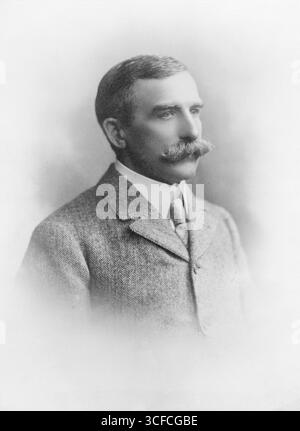
Sir Henry Solomon Wellcome
(Henry Wellcome)
Industriel pharmaceutique anglo-américain et philanthrope visionnaire, créateur du Wellcome Trust finançant la recherche biomédicale mondiale.
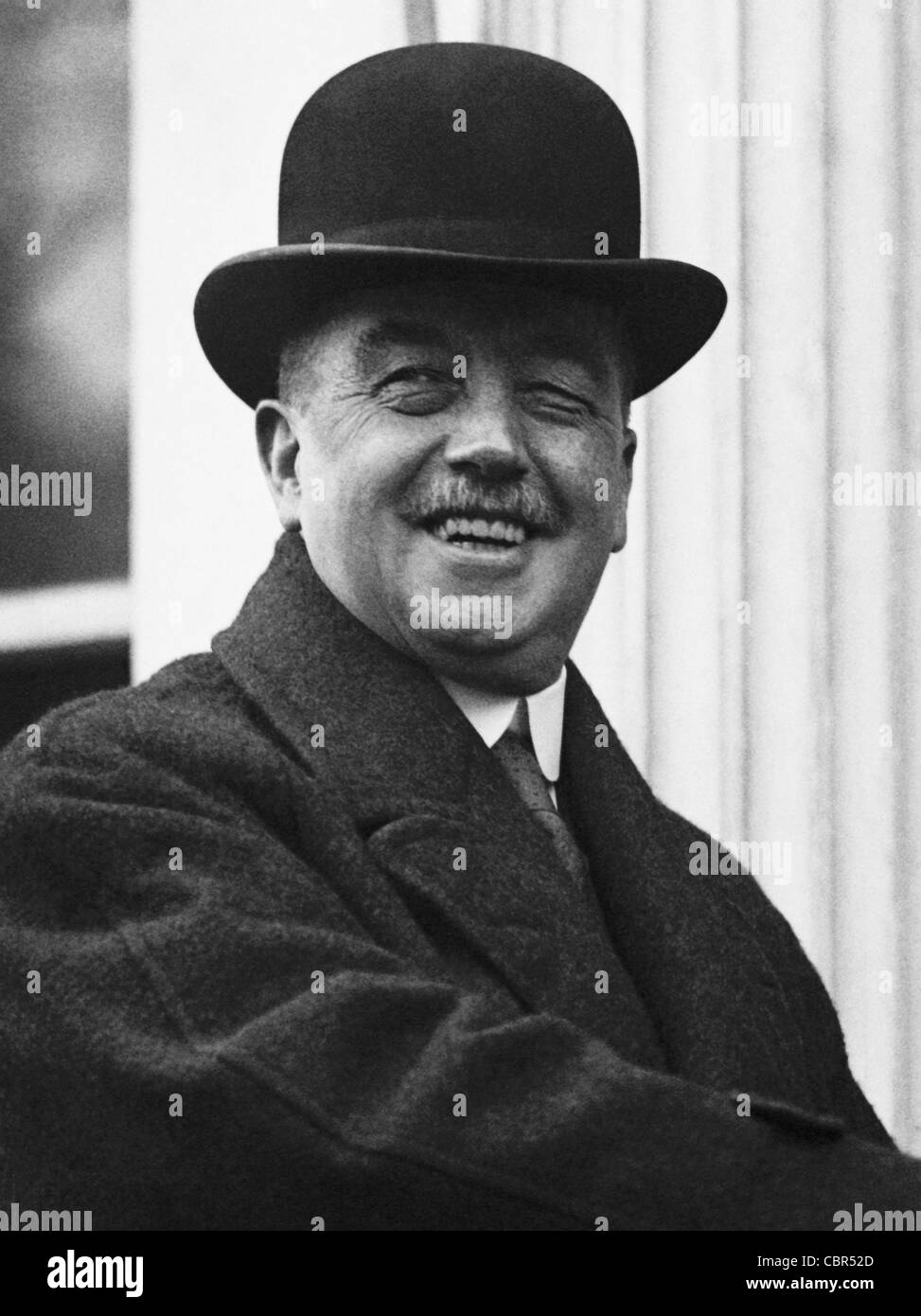
Arthur Henderson
(Arthur Henderson)
Arthur Henderson was a Scottish iron moulder, trade union leader, and British Foreign Secretary (1929–1931) who served as leader of the Labour Party across three terms. Appointed President of the World Disarmament Conference in Geneva in 1932, he struggled heroically for three years to achieve global arms reduction in the face of rising fascism, receiving the 1934 Nobel Peace Prize.