Public Figures & Cultural Luminaries
Filterable archive covering centuries of intellectual, artistic, and moral contributions to the human story.
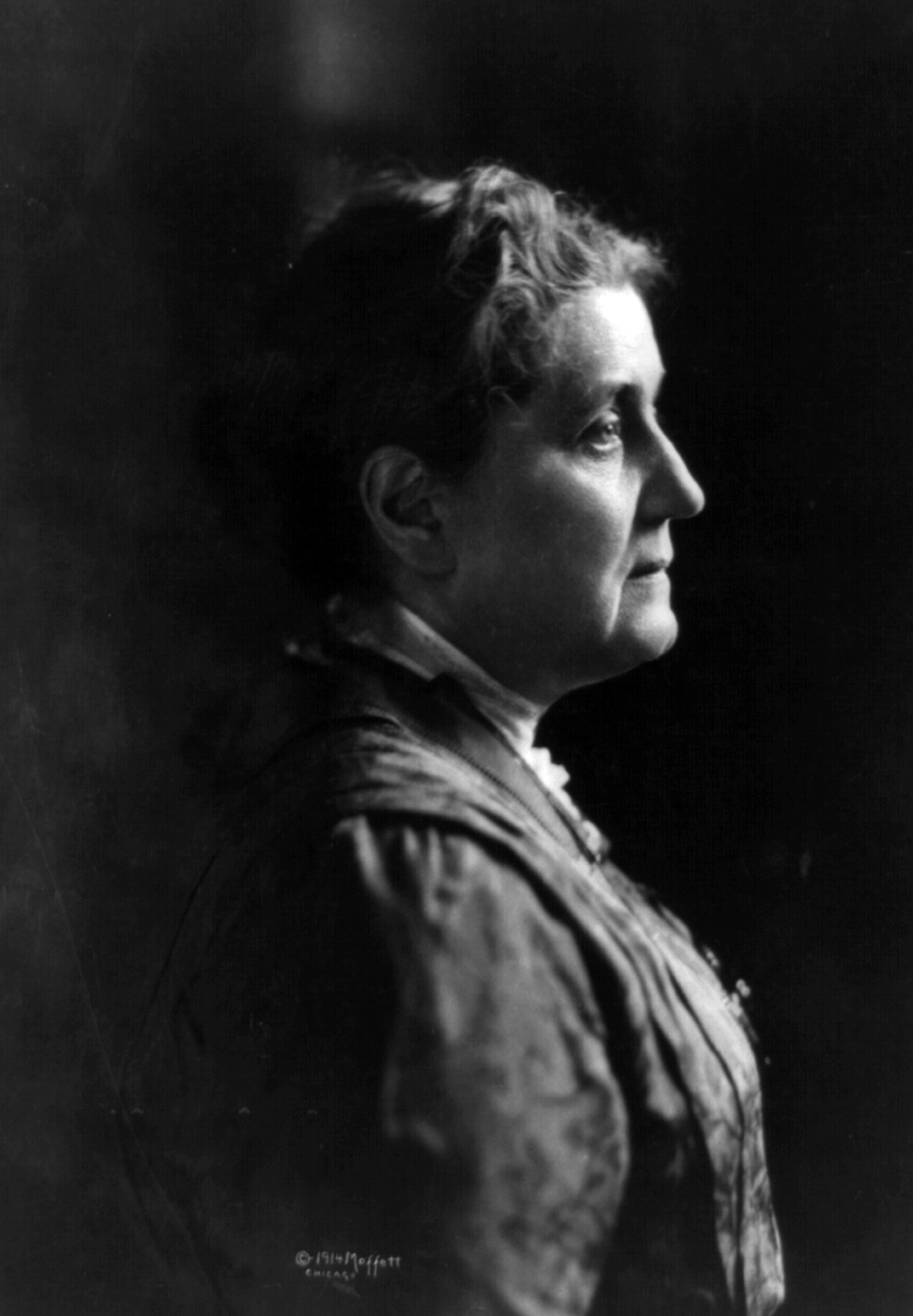
Jane Addams
 (Jane Addams)
Pionnière américaine du travail social, fondatrice de Hull House à Chicago et première Américaine récipiendaire du prix Nobel de la paix en 1931.
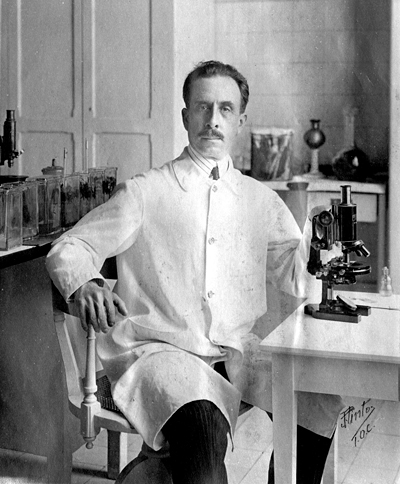
Carlos Ribeiro Justiniano Chagas
 (Carlos Chagas)
Médecin et chercheur brésilien d'exception, auteur d'un exploit unique en médecine : la découverte intégrale d'une maladie infectieuse, son agent, son vecteur et sa clinique.
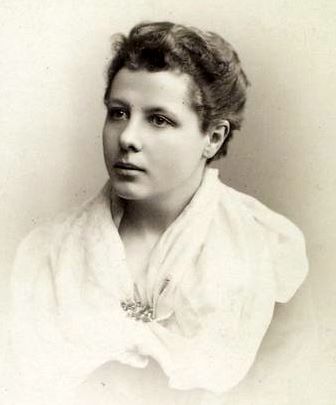
Annie Besant
 (Annie Besant (nee Wood))
British social reformer, trade union champion, and orator who organized the historic 1888 London Matchgirls' Strike, moved to India to champion education and the Home Rule movement, and was elected President of the Indian National Congress in 1917.
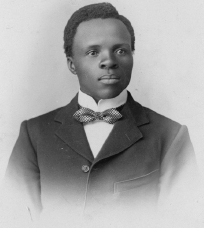
Sol Plaatje
 (Solomon Tshekisho Plaatje)
Brilliant intellectual, journalist, and first General Secretary of the South African Native National Congress (later ANC), whose book 'Native Life in South Africa' exposed land dispossession.
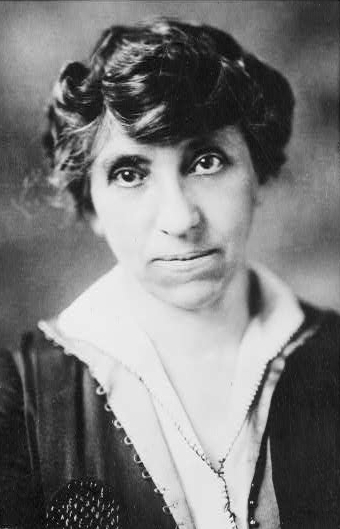
Julia Lathrop
(Julia Clifford Lathrop)
Pioneering American social reformer who created the world's first juvenile court system in Chicago in 1899 and became the first woman to head a United States federal government agency as Chief of the US Children's Bureau.
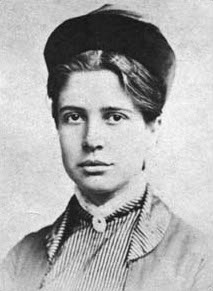
Florence Kelley
(Florence Kelley)
Tireless American labor and consumer reformer who lived at Hull House, served as Illinois' first female Chief Factory Inspector, founded the National Consumers League, and co-founded the NAACP in 1909.
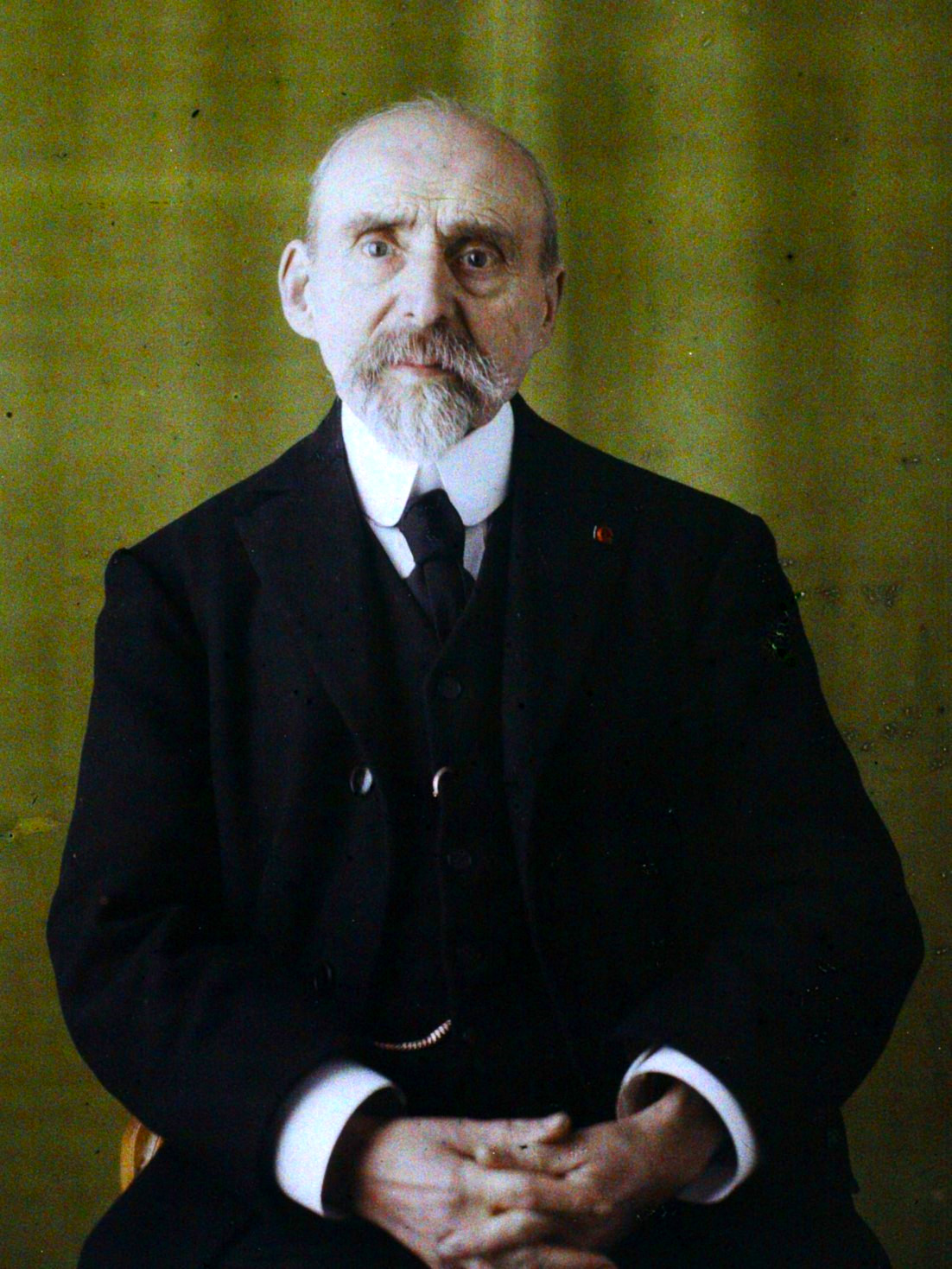
Ferdinand Édouard Buisson
 (Ferdinand Édouard Buisson)
Ferdinand Buisson was a French academic, philosopher, and social reformer who co-founded the League of Human Rights (Ligue des droits de l'homme) and served as Jules Ferry's Director of Primary Education, creating France's free, mandatory, secular public school system (laïcité). A passionate advocate of Franco-German pacifist reconciliation, he shared the 1927 Nobel Peace Prize with Ludwig Quidde.
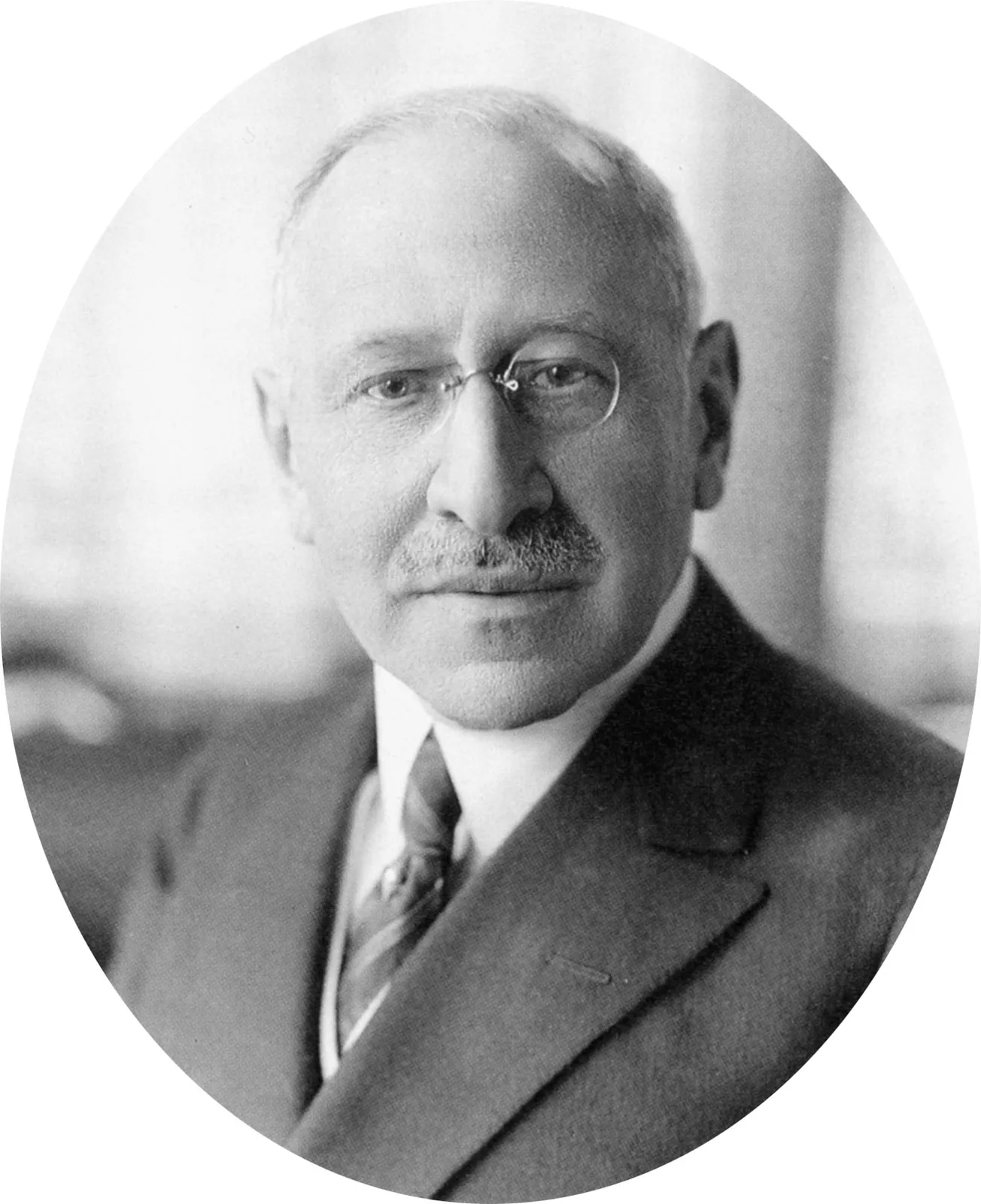
Julius Rosenwald
(Julius Rosenwald)
Président de Sears, Roebuck & Co. et philanthrope visionnaire, financeur avec Booker T. Washington de plus de 5 000 écoles pour les enfants afro-américains dans le Sud ségrégué.
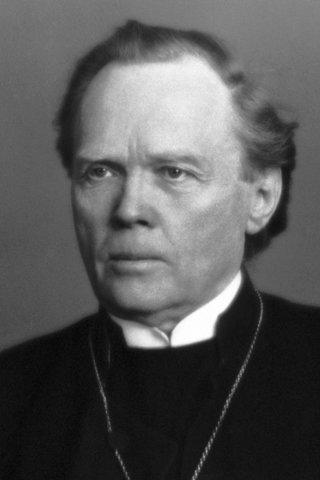
Lars Olof Jonathan (Nathan) Söderblom
 (Lars Olof Jonathan Söderblom)
Nathan Söderblom was a Swedish Lutheran theologian and Archbishop of Uppsala (Primate of the Church of Sweden) from 1914 to 1931. Widely revered as the father of the modern ecumenical movement, he convened the historic 1925 Universal Christian Conference on Life and Work in Stockholm, uniting divided churches across former WWI battlelines in common humanitarian action, receiving the 1930 Nobel Peace Prize.
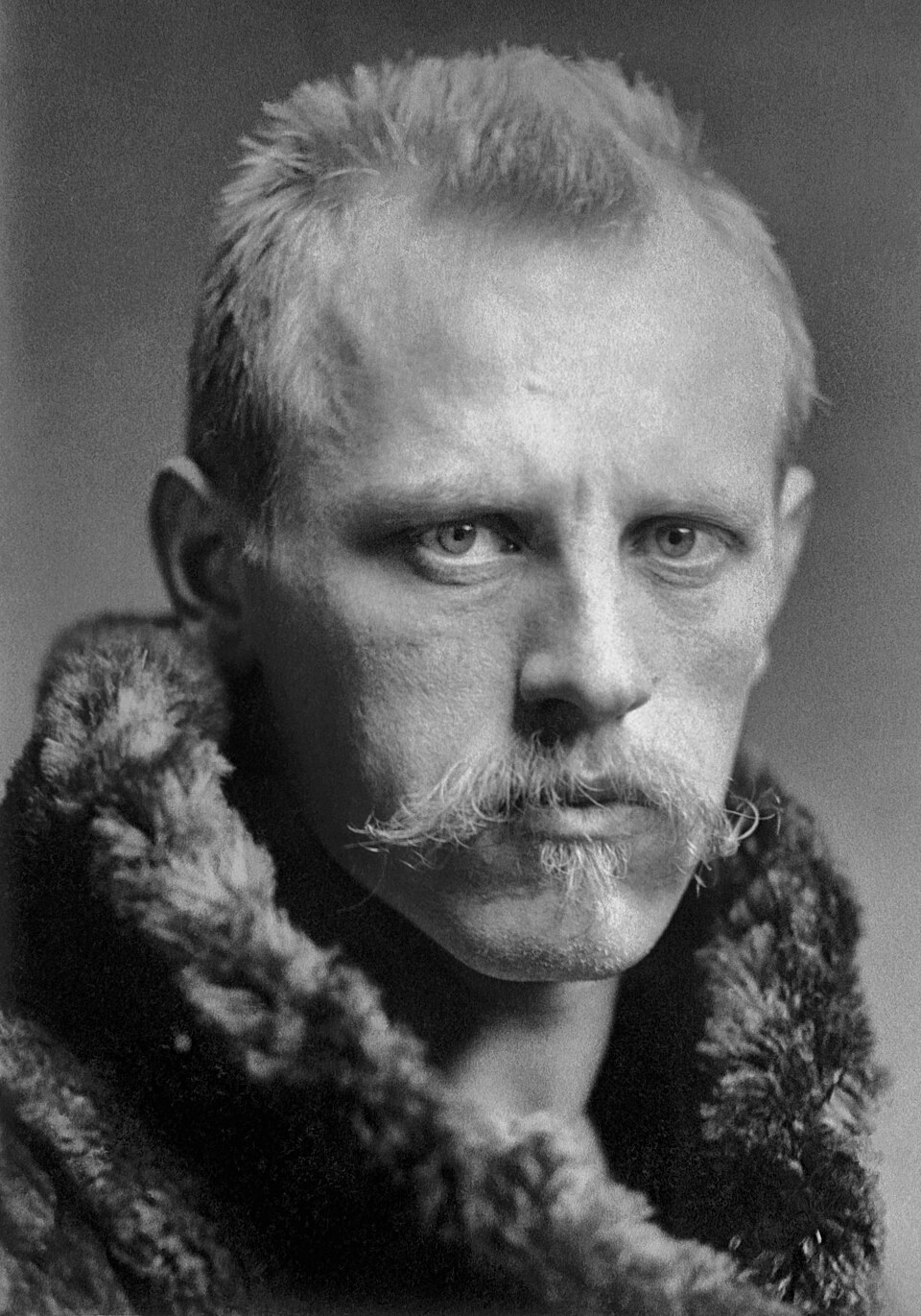
Fridtjof Nansen
 (Fridtjof Wedel-Jarlsberg Nansen)
Fridtjof Nansen was a Norwegian polymath, polar explorer, and humanitarian diplomat who revolutionized Arctic exploration before serving as the League of Nations' first High Commissioner for Refugees. He repatriated over 400,000 WWI prisoners of war, organized massive famine relief saving millions of Russians, and created the 'Nansen Passport' for stateless refugees, earning the 1922 Nobel Peace Prize.
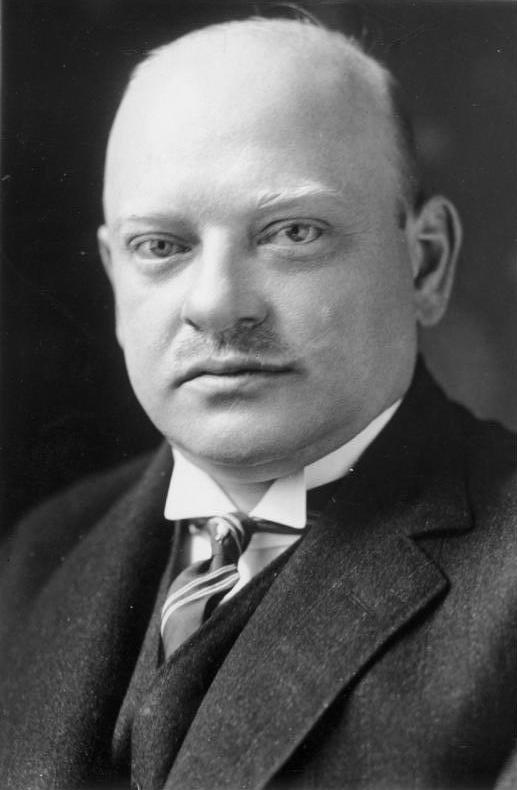
Gustav Stresemann
 (Gustav Stresemann)
Gustav Stresemann was a German statesman who served as Chancellor in 1923 and Foreign Minister of the Weimar Republic from 1923 until his death in 1929. Breaking with nationalist militarism to embrace pragmatic European reconciliation, he halted hyperinflation, negotiated the Locarno Treaties, and led Germany into the League of Nations, sharing the 1926 Nobel Peace Prize with Aristide Briand.
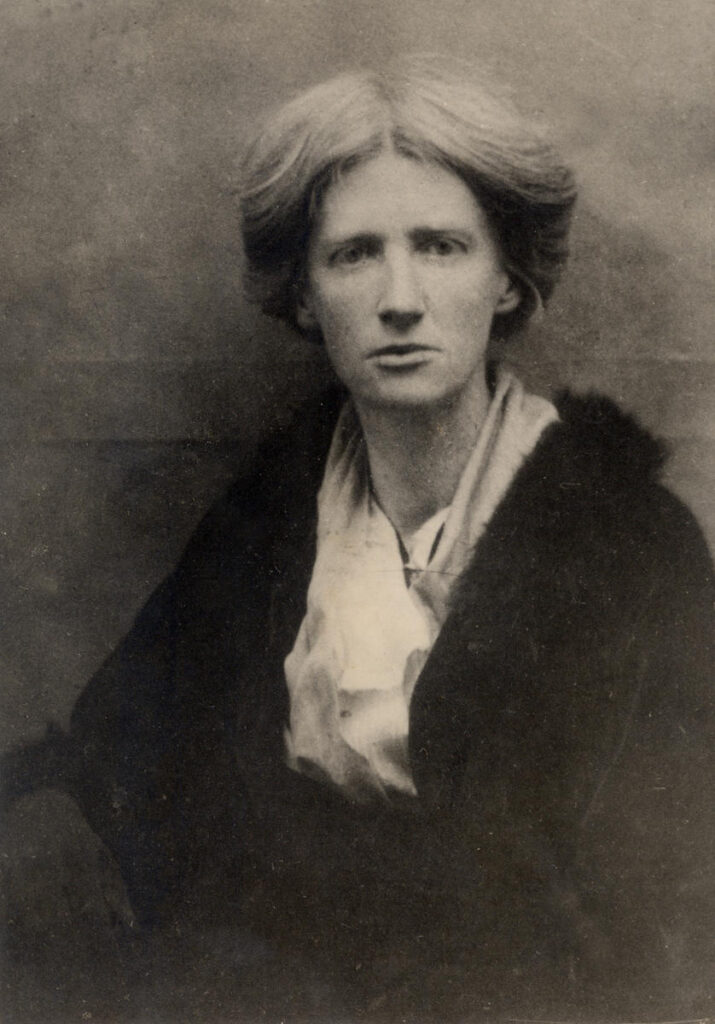
Eglantyne Jebb
(Eglantyne Jebb)
Eglantyne Jebb was a visionary British humanitarian and social reformer who founded Save the Children in 1919 to relieve post-WWI famine among European children. In 1923, she authored the landmark Declaration of the Rights of the Child, which was adopted by the League of Nations and served as the direct foundation for the 1989 United Nations Convention on the Rights of the Child.
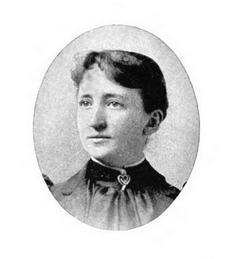
Mary Richmond
(Mary Ellen Richmond)
Pioneering American humanitarian whose 1917 masterpiece 'Social Diagnosis' constructed the scientific methodology of professional social casework, establishing diagnostic interviewing and social investigation.
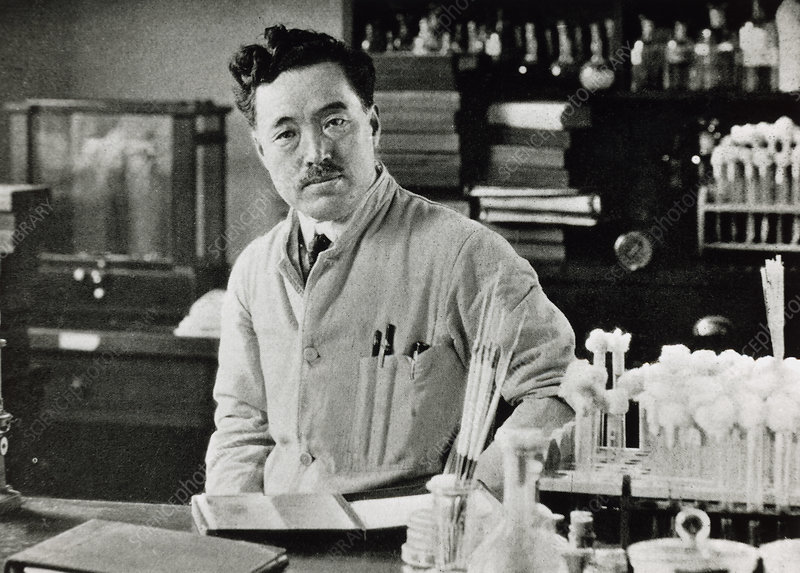
Hideyo Noguchi
 (野口 英世 (Seisaku Noguchi))
Bactériologiste japonais de renommée mondiale, chercheur infatigable contre la syphilis et la fièvre jaune, mort martyr de la science en Afrique de l'Ouest.
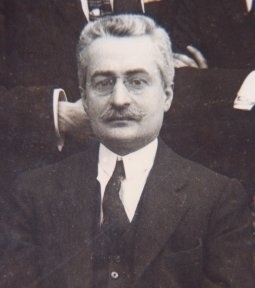
Saint Giuseppe Moscati
 (Giuseppe Maria Carlo Manoel Raffaele Moscati)
Médecin chef et biochimiste napolitain, canonisé comme saint laïc, surnommé le « Médecin des pauvres » pour ses soins gratuits et ses aumônes discrètes.
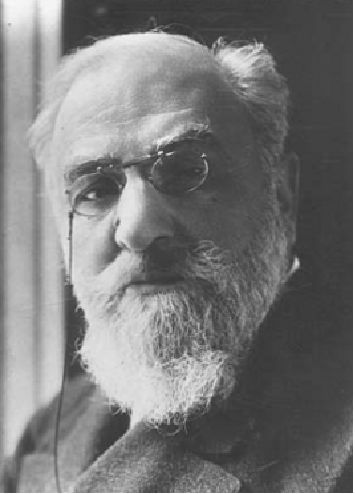
Léon Victor Auguste Bourgeois
(Léon Victor Auguste Bourgeois)
Léon Bourgeois was a French statesman, philosopher, and Prime Minister of France (1895–1896) whose social philosophy of 'Solidarism' provided the intellectual blueprint for the League of Nations. Known as the spiritual father of the League, he served as the first President of the Council of the League of Nations in 1920 and was awarded the 1920 Nobel Peace Prize.
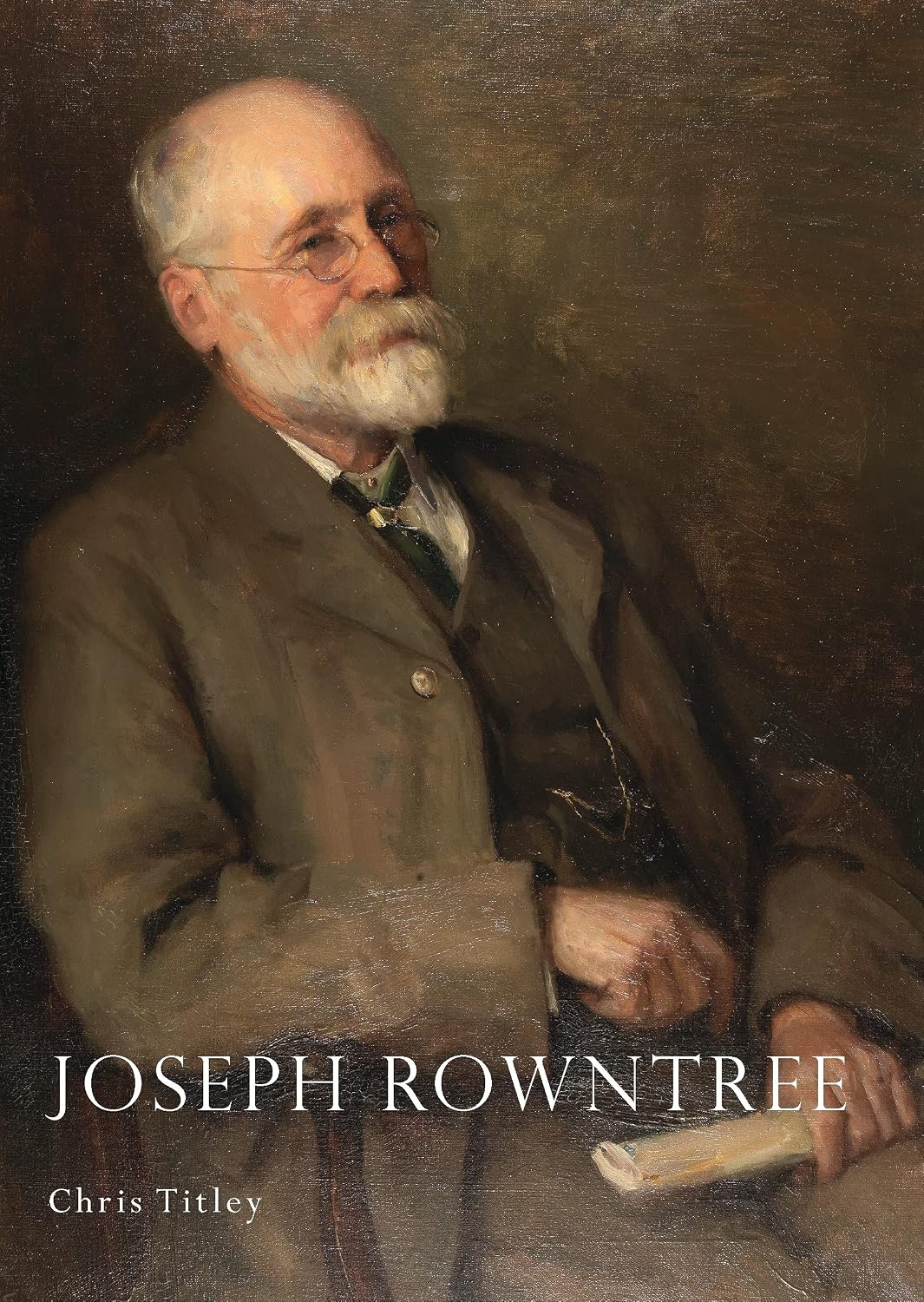
Joseph Rowntree
(Joseph Rowntree)
Industriel quaker et philanthrope britannique, fondateur de trusts dédiés à la recherche sur les causes profondes de la pauvreté et aux réformes sociales.
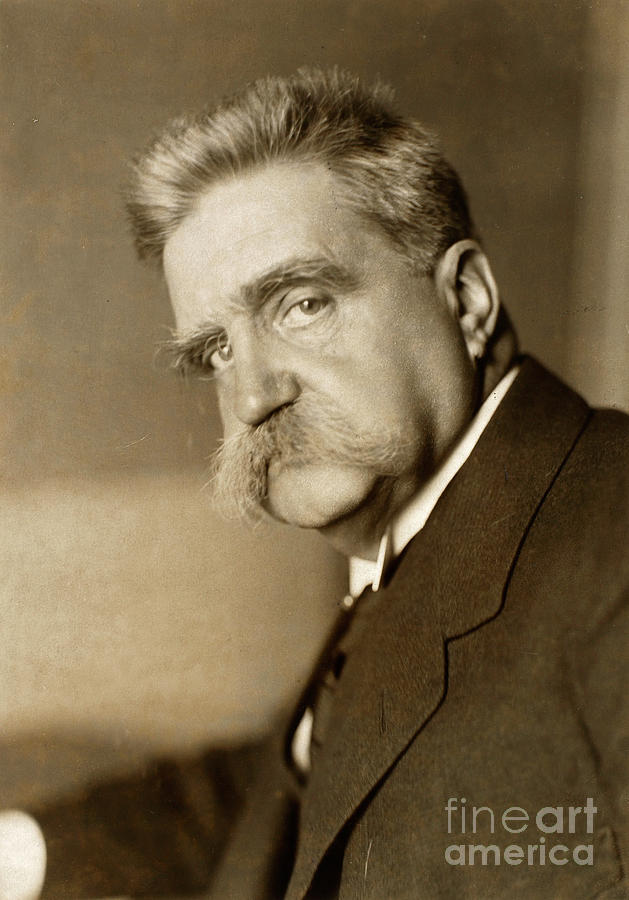
Karl Hjalmar Branting
(Karl Hjalmar Branting)
Hjalmar Branting was a Swedish statesman who led the Swedish Social Democratic Party and served as Prime Minister of Sweden in three separate administrations. A staunch advocate for peaceful international conflict resolution, Branting supported the League of Nations' peaceful settlement of the Åland Islands dispute, sharing the 1921 Nobel Peace Prize with Christian Lous Lange.