 United States
•
4 views
United States
•
4 views
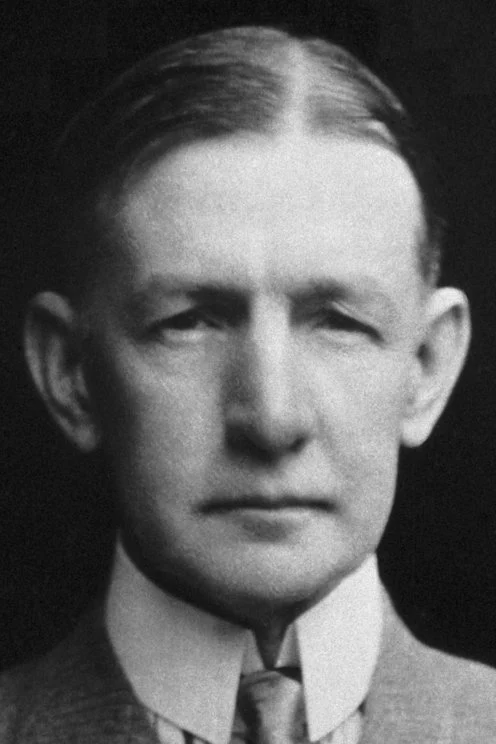
Charles Gates Dawes

Marietta, Ohio, United States
Archival Overview
Charles Gates Dawes was an American banker, general, diplomat, and 30th Vice President of the United States (1925–1929). As head of the Allied Reparations Committee in 1924, he drafted the 'Dawes Plan', which ended the hyperinflation crisis in Weimar Germany, stabilized European finances, and prompted the French withdrawal from the Ruhr, earning the 1925 Nobel Peace Prize.
Biographical Record
Charles Gates Dawes was born in Marietta, Ohio, a direct descendant of American Revolutionary patriot William Dawes. Educated in law at the Cincinnati Law School, Dawes practiced in Lincoln, Nebraska, before building a financial career in Chicago as president of the Central Trust Company of Illinois. Serving as Comptroller of the Currency under President William McKinley, Dawes was also a gifted self-taught pianist and composer whose 1911 instrumental melody 'Melody in A Major' was later adapted into the worldwide pop standard 'It's All in the Game'.
During World War I, Dawes served as a brigadier general in the American Expeditionary Forces, directing Allied military procurement in France. Following the war, European economic collapse and catastrophic German hyperinflation culminated in the military occupation of Germany's industrial Ruhr valley by French and Belgian troops in 1923, threatening an immediate renewal of general European war.
In 1924, the Allied Reparations Commission appointed Dawes to chair an international committee of financial experts. In April 1924, Dawes presented the 'Dawes Plan': it restructured German war reparations into manageable annual payments tied to economic recovery, provided an immediate $200 million American loan (the Dawes Loan) to stabilize the German mark, and secured the full withdrawal of French troops from the Ruhr. The plan restored European financial equilibrium and paved the way for the Locarno Treaties. Elected Vice President alongside Calvin Coolidge in 1924, Dawes received the 1925 Nobel Peace Prize, donating his entire prize money to the Walter Hines Page School of International Relations.
Key Life Milestones
Presentation of the Dawes Plan
Delivered the comprehensive economic recovery plan that halted hyperinflation and ended the French occupation of the Ruhr.
Nobel Peace Prize in Oslo
Awarded the 1925 Nobel Peace Prize jointly with Austen Chamberlain for restoring economic stability to postwar Europe.
Memorial Guestbook & Tributes
0 messages recordedLeave a Respectful Tribute
Final Resting Place
Perpetual MemorialChicago, Illinois, United States