 France
•
5 views
France
•
5 views
Albert Schweitzer

Kaysersberg, Alsace-Lorraine, France
Archival Overview
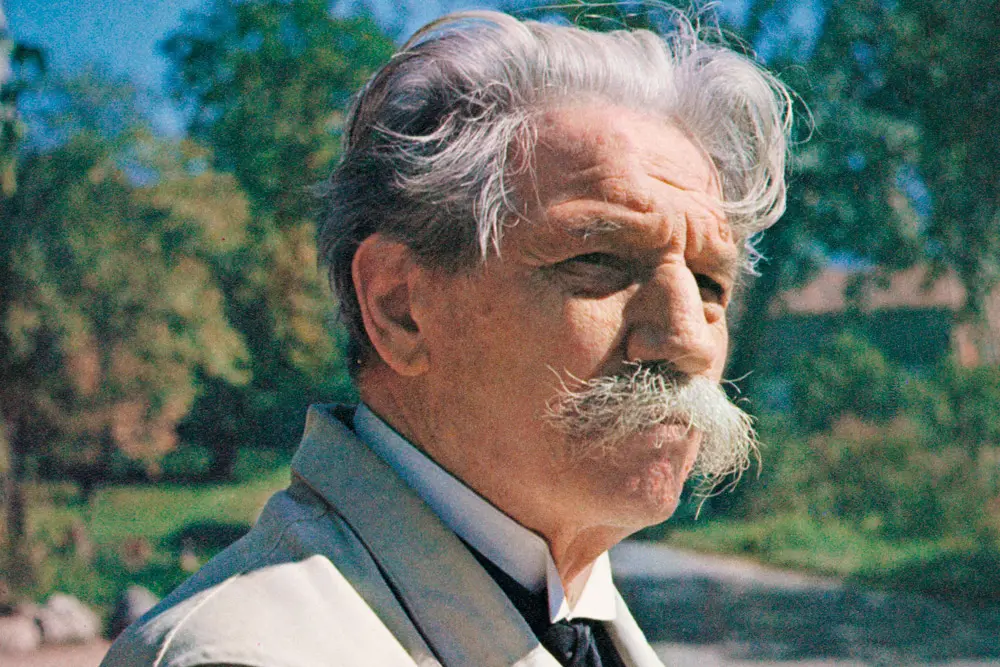
Albert Schweitzer was an Alsatian polymath, Lutheran theologian, virtuoso organist, and medical missionary who established the Lambaréné Hospital in equatorial Africa. Renowned for his moral philosophy of 'Reverence for Life' (Ehrfurcht vor dem Leben), he was awarded the 1952 Nobel Peace Prize and devoted his Nobel funds to constructing a leper colony.
Biographical Record
Albert Schweitzer was born in Kaysersberg, Alsace. By his late twenties, Schweitzer had already earned international acclaim in three distinct fields: as a leading Lutheran theologian authoring The Quest of the Historical Jesus, as a brilliant philosopher, and as a world-renowned concert organist and authority on the musical works of Johann Sebastian Bach. At age thirty, moved by an urgent missionary society appeal describing the desperate lack of doctors in French Equatorial Africa, Schweitzer made the life-altering decision to enter medical school.
In 1913, accompanied by his wife Hélène Bresslau, Schweitzer traveled to Lambaréné (now in Gabon) on the Ogooué River. There, using his own lecture and concert fees, he founded the Albert Schweitzer Hospital, treating thousands of indigenous patients suffering from leprosy, malaria, sleeping sickness, and elephantiasis. Even when interned as a German citizen during World War I, Schweitzer refined his core philosophical thesis: 'Reverence for Life'—the ethical imperative that true morality requires unbounded compassion and preservation of all living creatures.
Rebuilding his hospital into a thriving medical sanctuary spanning dozens of buildings, Schweitzer lectured worldwide and recorded Bach organ albums to finance the compound. Awarded the 1952 Nobel Peace Prize, he delivered an impassioned address in Oslo denouncing war and nuclear testing, using his prize money to build the Village de Lumière leprosarium at Lambaréné, where he lived and practiced until his death at age ninety.
Key Life Milestones
Founding of the Lambaréné Jungle Hospital
Established his medical clinic in French Equatorial Africa on the Ogooué River to treat neglected tropical diseases.
Nobel Peace Prize and Leprosarium Expansion
Received the Nobel Peace Prize in Oslo and dedicated the entire prize endowment to construct a comprehensive leper village.
Memorial Guestbook & Tributes
0 messages recordedLeave a Respectful Tribute
Final Resting Place
Perpetual MemorialLambaréné, Gabon