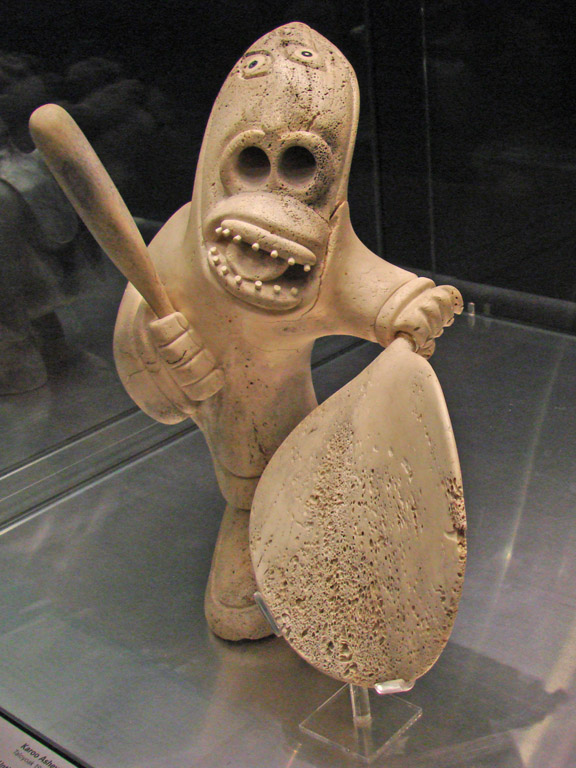
Karoo Ashevak
Visionary Inuit sculptor whose surreal, expressive whalebone sculptures of shamans and spirits won international acclaim in New York and Paris.
Start typing to search worldwide archives and community tributes
Filterable archive covering centuries of intellectual, artistic, and moral contributions to the human story.
Visionary Inuit sculptor whose surreal, expressive whalebone sculptures of shamans and spirits won international acclaim in New York and Paris.
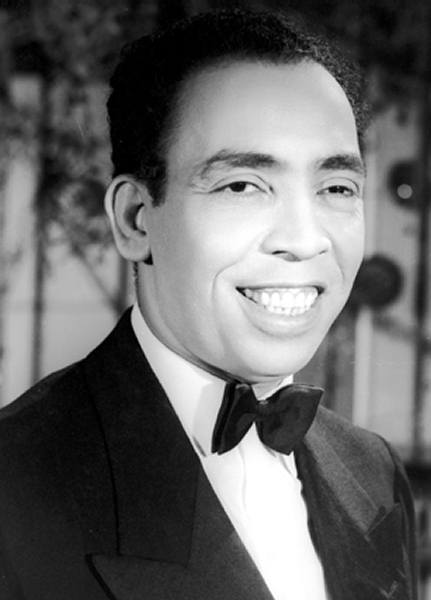
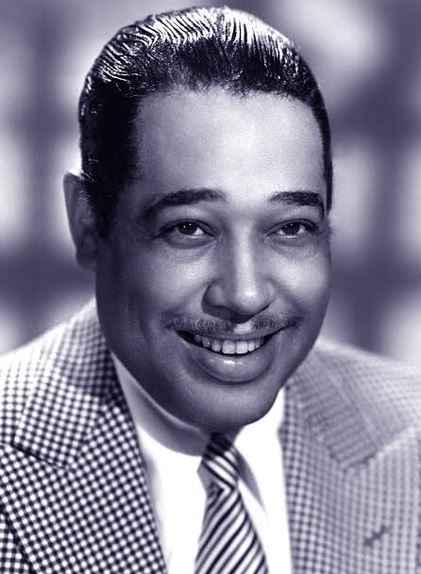
Preeminent American composer and big-band leader who elevated jazz to a fine art over five decades with more than a thousand compositions, including Take the 'A' Train, Mood Indigo, and Black, Brown and Beige.
Montreal-born founder of the Group of Seven who bridged French and English Canadian art, traveling thousands of miles by snowshoe and boxcar to paint the rural villages of Charlevoix and the Arctic.
Estonian-born American architect celebrated for his monumental, poetic brick and concrete structures that fused archaic spirituality, geometric purity, and natural daylight.
Mexican social realist painter and muralist, one of 'Los Tres Grandes' alongside Rivera and Orozco, pioneer of dynamic perspectives, industrial pyroxylin paints, and revolutionary public art.
Visionary Egyptian architect, educator, and humanist who founded the Ramses Wissa Wassef Art Centre in Harrania, proving that rural Egyptian village children possessed innate artistic genius when freed from rigid academic imitation.
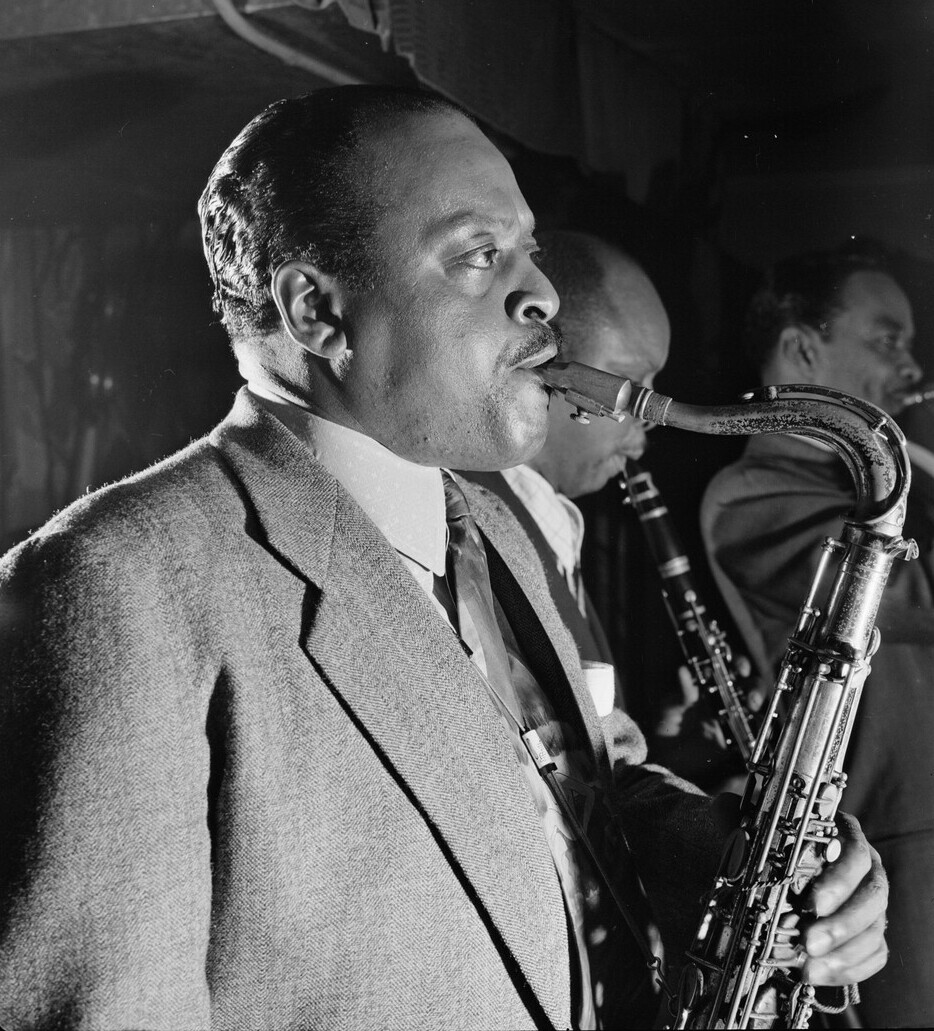
American swing tenor saxophonist dubbed 'The Brute', celebrated for his breathy, sensual ballad tone with Duke Ellington's orchestra and soaring European jazz residencies.
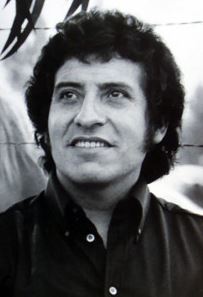
Chilean singer-songwriter, theater director, and political activist who personified the Nueva Cancion movement, murdered during the 1973 military coup for singing songs of social liberation.
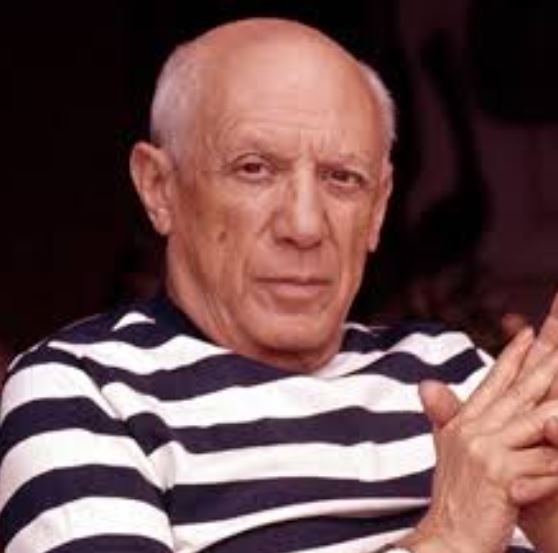
Supreme protean colossus of 20th-century art who shattered Renaissance perspective with Les Demoiselles d'Avignon, co-invented Cubism with Braque, and painted the world's greatest anti-war monument, Guernica.
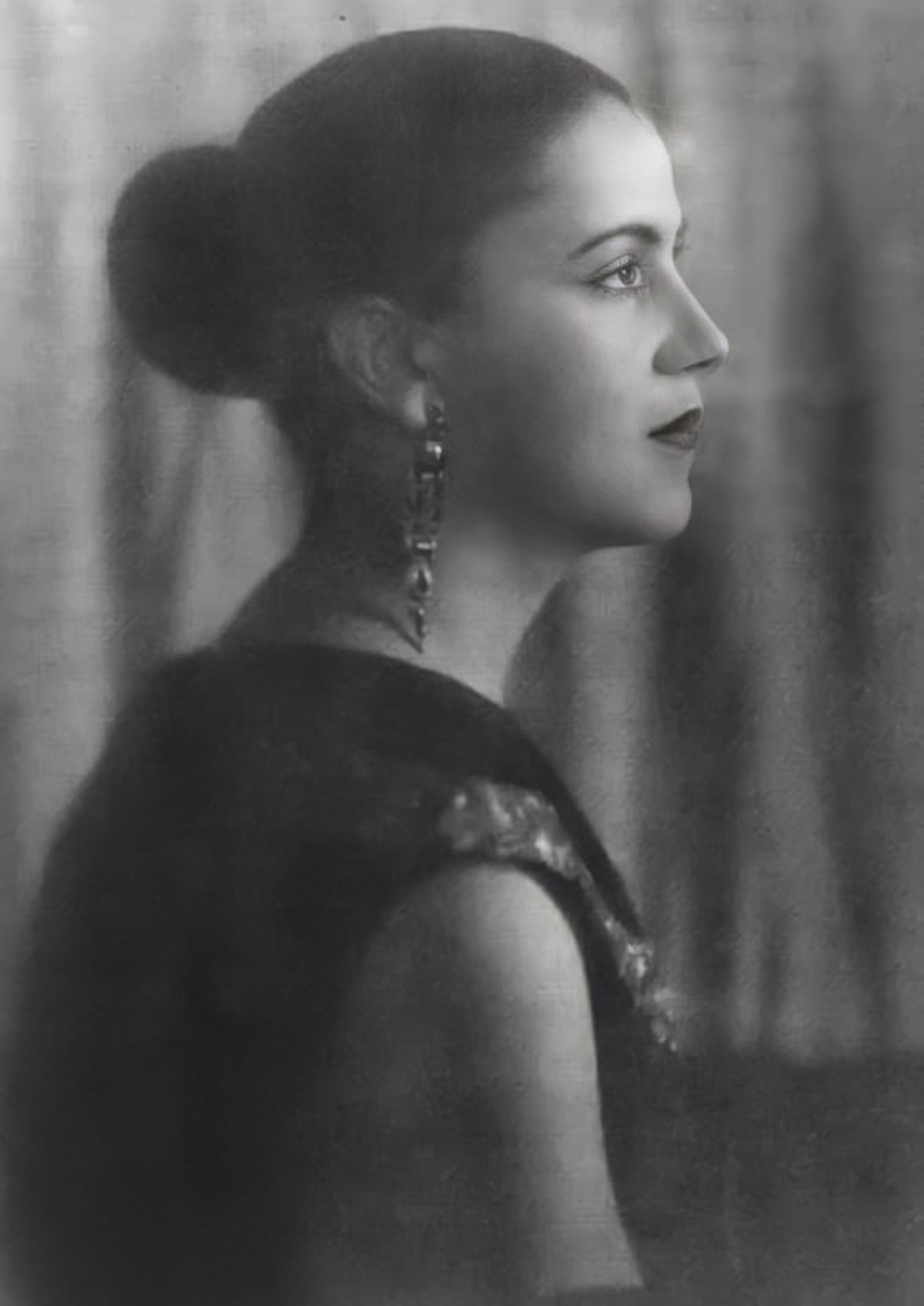
Brazilian painter whose iconic 1928 painting Abaporu inspired the Cannibalist Manifesto (Manifesto Antropofago), establishing modern Brazilian national visual identity.
Undisputed monarch of Egyptian slapstick comedy and monologist whose unmistakable wide-mouthed facial expressions, physical humor, and dedicated film series dominated Arab cinema for three decades.
Indian painter who renounced Western academic oil painting to create a bold, indigenous modernist style rooted in rural Bengali Kalighat folk patua scrolls and earthen mineral pigments.
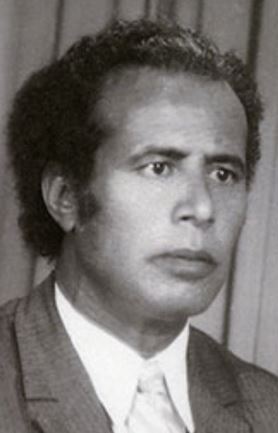
Visionary giant who revolutionized modern Tunisian dramatic arts as director of the Tunis Municipal Troupe from 1958 to 1971, directing immortal adaptations of Hamlet, Oedipus Rex, and Caligula.
Virtuoso Jewish-Algerian violinist and master of Constantine Malouf, whose orchestra accompanied the greatest vocalists of eastern Algeria in the 1920s and 1930s.
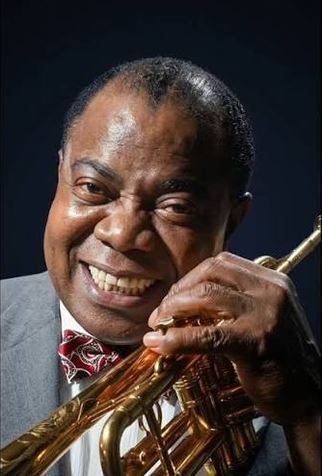
Founding father of jazz whose brilliant cornet/trumpet virtuosity, rhythmic swing, gravelly baritone vocals, and joyful charisma transformed jazz from collective folk improvisation into an individual soloist's art in West End Blues and What a Wonderful World.
Tragic genius celebrated as Morocco's first purely non-figurative abstract painter, whose electrifying gestural brushstrokes and violent search for light anticipated European Informel painting.
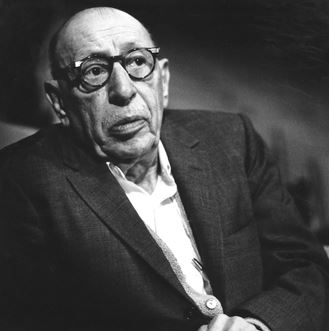
Russian-born composer whose groundbreaking ballets for Sergei Diaghilev's Ballets RussesโThe Firebird, Petrushka, and The Rite of Springโexploded traditional rhythm and harmony, redefining 20th-century music.
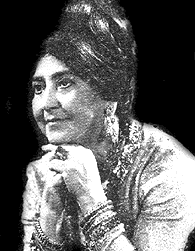
The undisputed grand diva of classical Algiers vocal art (Assimi and Hawzi) whose golden voice, emotional warmth, and active clandestine support for the FLN made her a national treasure.