 Empire of Brazil
•
1 views
Empire of Brazil
•
1 views
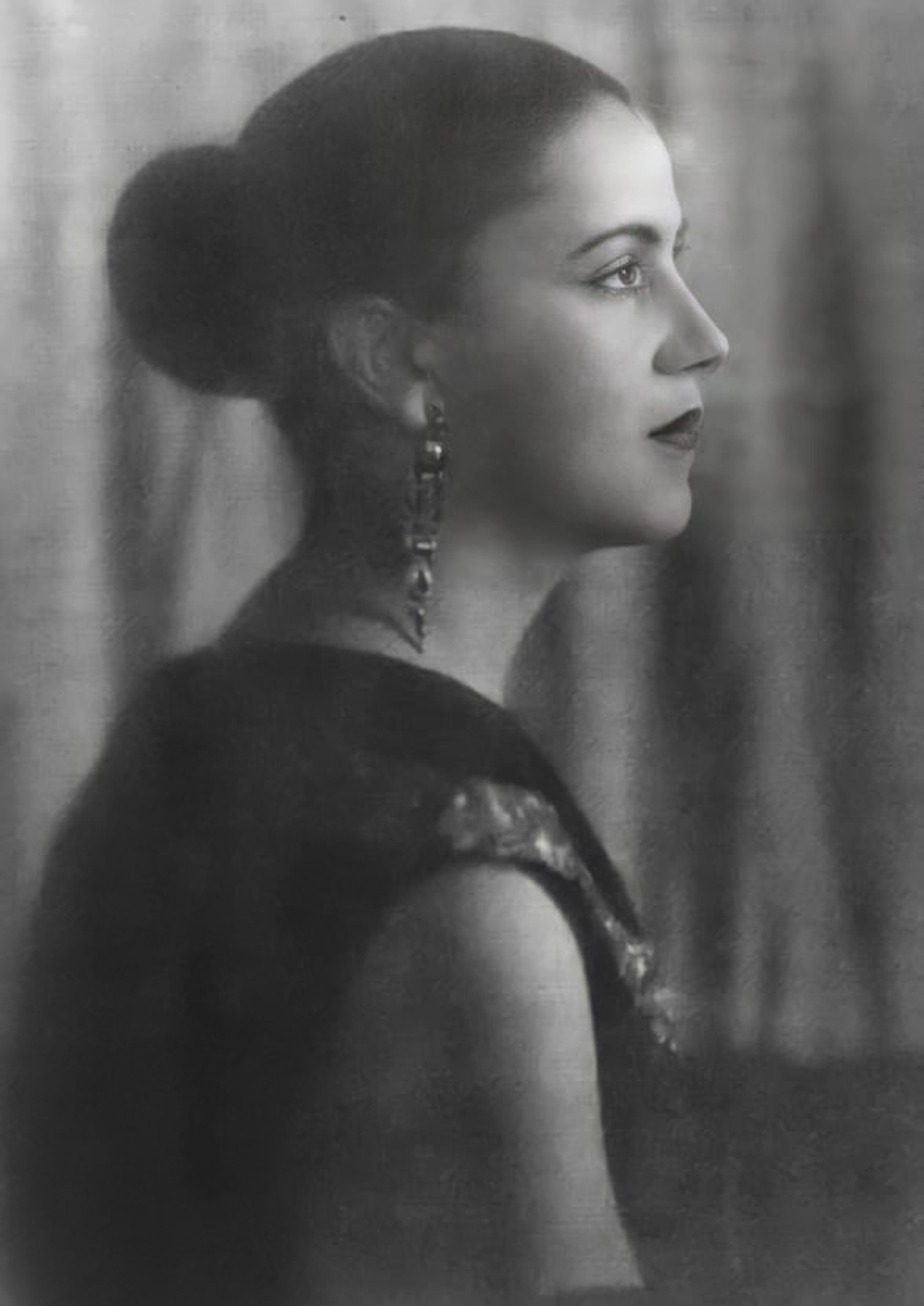
Tarsila do Amaral

Capivari (Sao Paulo), Empire of Brazil
Archival Overview
Brazilian painter whose iconic 1928 painting Abaporu inspired the Cannibalist Manifesto (Manifesto Antropofago), establishing modern Brazilian national visual identity.
Biographical Record
Tarsila do Amaral (1886–1973) studied in Paris under Fernand Leger before returning to Brazil as a central leader of the modernist Grupo dos Cinco. In 1928, she painted 'Abaporu' ('the man who eats' in Tupi-Guarani), depicting an elongated naked figure with a colossal foot beside a cactus under a blazing sun.
The painting inspired her husband Oswald de Andrade to write the 'Manifesto Antropofago', advocating that Brazilian artists culturally 'cannibalize' European styles to birth an authentic indigenous modernism. Her 1933 social realist masterpiece 'Operarios' documented Brazil's multi-ethnic working class.
Key Life Milestones
Painting of 'Abaporu'
Painted the foundational masterwork that sparked the Anthropophagic cultural movement in Brazil.
Painting of 'Operarios'
Created the landmark social mural painting depicting Brazil's multi-racial industrial workforce.
Memorial Guestbook & Tributes
0 messages recordedLeave a Respectful Tribute
Final Resting Place
Perpetual MemorialSao Paulo, Brazil