Public Figures & Cultural Luminaries
Filterable archive covering centuries of intellectual, artistic, and moral contributions to the human story.
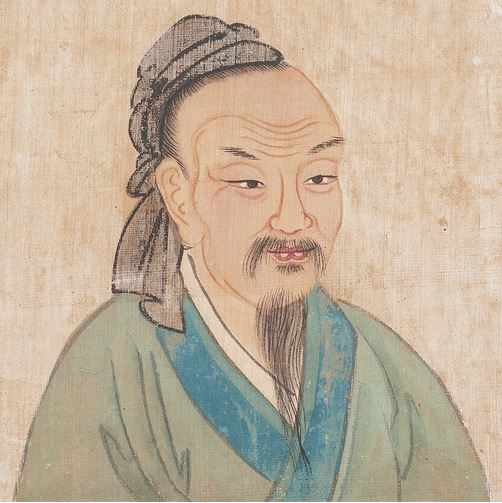
Qu Yuan
 (屈原)
Patriot-poet and minister of the Kingdom of Chu during the Warring States period, celebrated as China's first great named poet. Author of Li Sao (Encountering Sorrow); the annual Dragon Boat Festival commemorates his sacrifice.
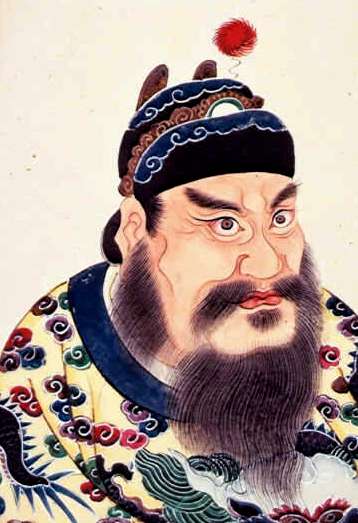
Qin Shi Huang (Ying Zheng)
(秦始皇 (嬴政))
The founder of the Qin Dynasty who conquered the Warring States to create a unified Chinese Empire in 221 BCE. Standardized Chinese script, measurements, and currency, connected the Great Wall, and commissioned the Terracotta Army.
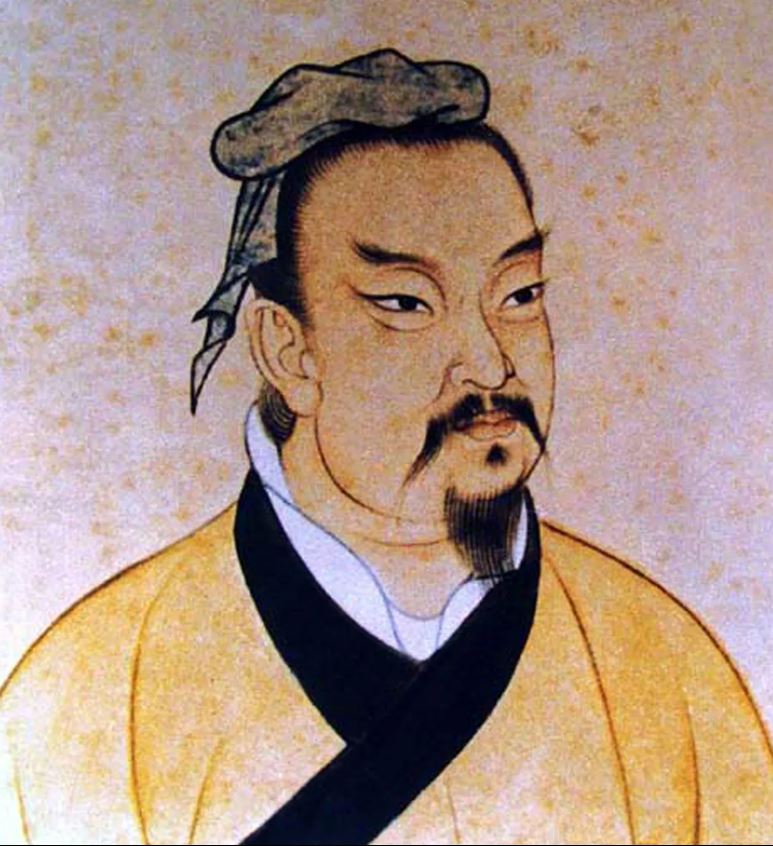
Sun Wu (Sun Tzu)
(孙子 (孙武))
Military general and master strategist who served King Helü of Wu. His classic treatise, The Art of War, is the most celebrated text on strategy and conflict resolution in human history, studied worldwide across all disciplines.
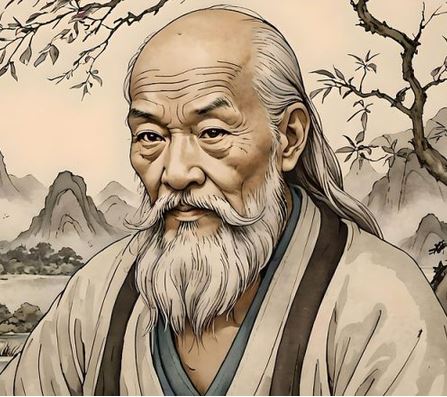
Laozi (Li Er)
(老子 (李耳))
Ancient philosopher and royal archivist of the Zhou court. Father of Daoism and author of the Tao Te Ching (Daodejing), teaching natural simplicity, cosmic harmony, and effortless action (Wu Wei).
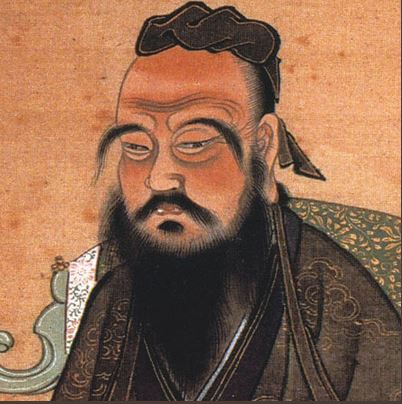
Kong Qiu (Kong Fuzi)
(孔夫子 (孔丘))
Philosopher and educator whose moral philosophy—recorded in the Analects—formed the foundation of East Asian civilization for over two millennia. Championed benevolence (Ren), righteousness (Yi), and harmonious ethical governance.
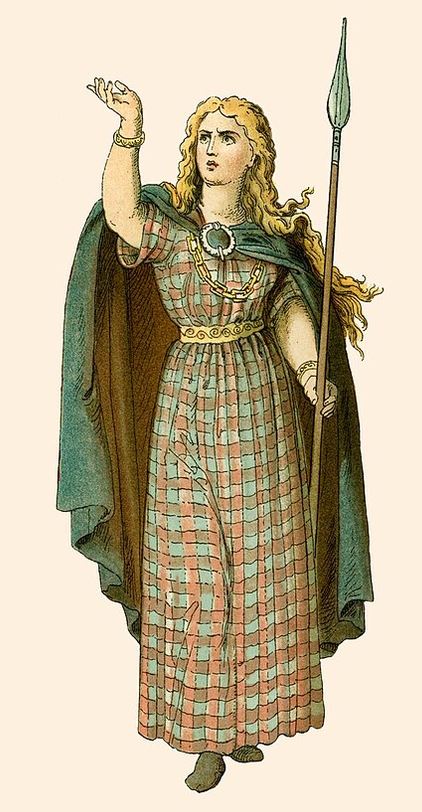
Boudica (Boadicea)
 (Boudīkā (Victorious Woman))
Warrior Queen of the British Iceni tribe who led a massive uprising against Roman imperial tyranny. United Celtic tribes and razed Roman colonial settlements, standing as an enduring symbol of liberty and resistance.
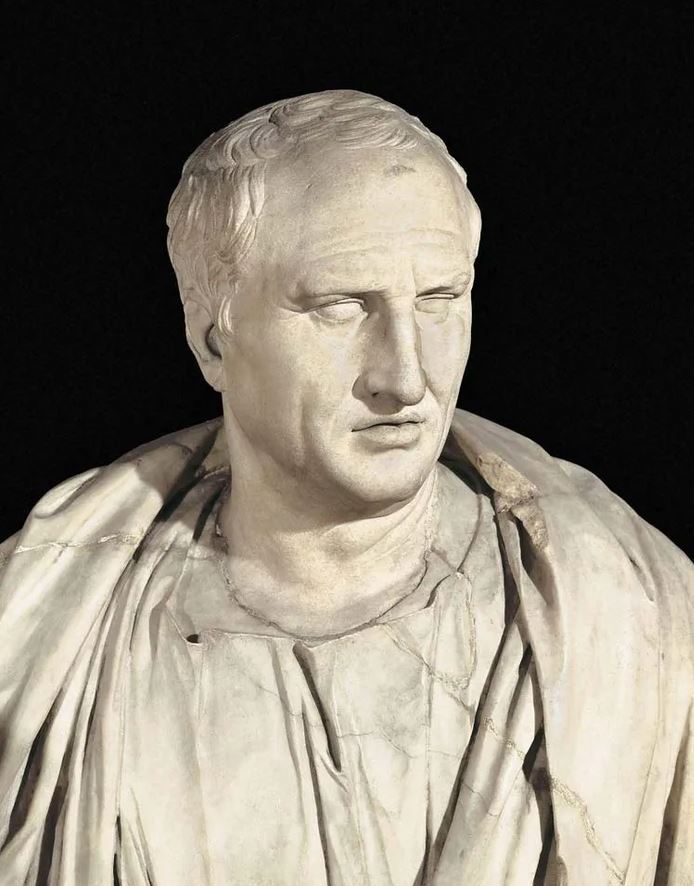
Marcus Tullius Cicero
 (M·TVLLIVS·M·F·M·N·CICERO)
Rome's greatest orator and prose stylist. Introduced Greek philosophy to the Latin language, championed republican constitutionalism against tyranny, and profoundly inspired the European Enlightenment and American founding.
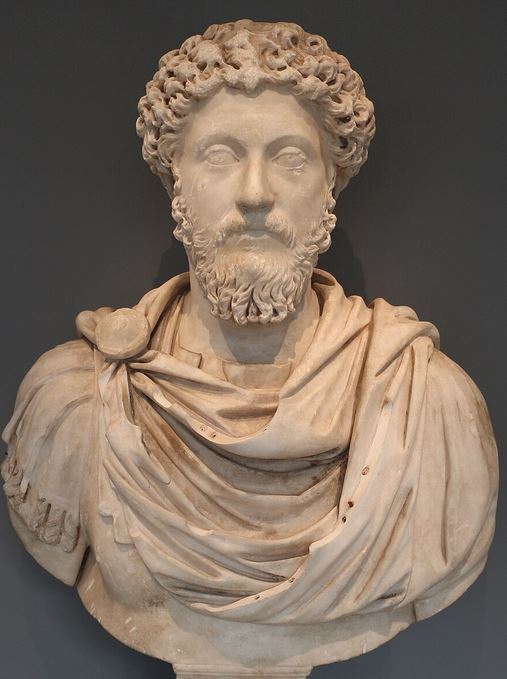
Marcus Aurelius Antoninus
(M·AVRELIVS·ANTONINVS·AVGVSTVS)
The last of the "Five Good Emperors" and humanity's quintessential philosopher-king. Led Rome through war and the Antonine plague while penning Meditations—a timeless masterwork of Stoic duty and inner peace.
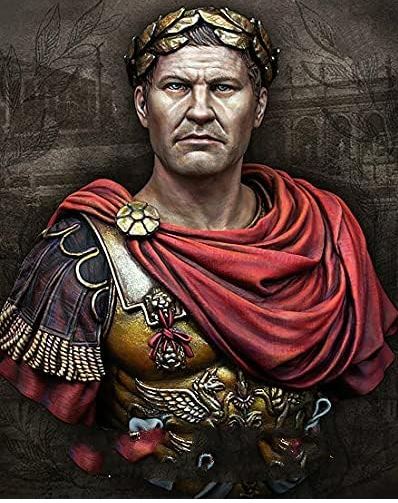
Gaius Julius Caesar
(C·IVLIVS·C·F·C·N·CAESAR)
Roman military commander and statesman whose conquest of Gaul and crossing of the Rubicon transformed the Roman Republic into an empire. Reformed the calendar, established veterans' colonies, and fell to the Ides of March.
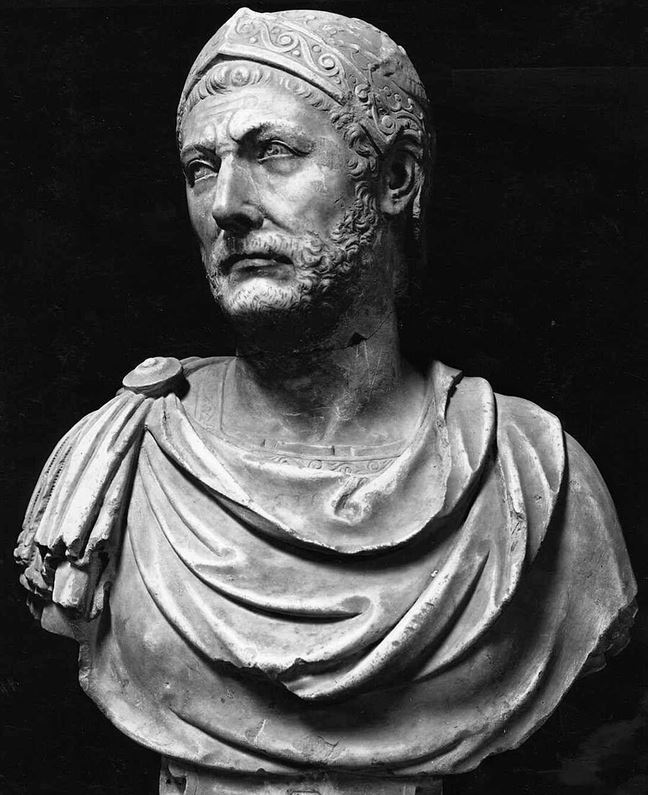
Hannibal Barca
 (𐤇𐤍𐤁𐤏𐤋 𐤁𐤓𐤒 (Ḥannibaʻal Baraq))
Carthaginian general celebrated as one of history's greatest tactical geniuses. Crossed the Pyrenees and Alps with war elephants and crushed Roman legions at Cannae and Trasimene, bringing Rome to the brink of defeat.
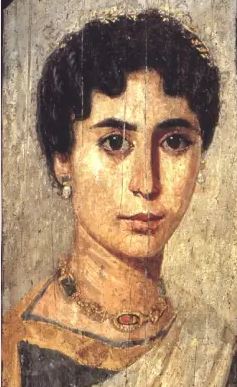
Hypatia of Alexandria
 (Ὑπατία (Hypatía))
Head of the Neoplatonic school in Alexandria and one of antiquity's greatest women of science. Commentator on Diophantus and Apollonius, whose brutal murder by zealots made her an eternal symbol of intellectual courage.
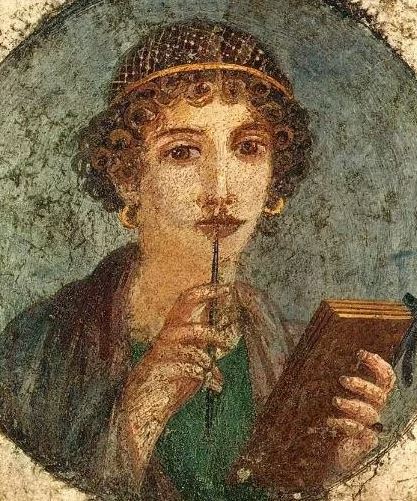
Sappho of Lesbos
 (Ψάπφω (Psápphō))
Hailed across antiquity by Plato as "The Tenth Muse", Sappho's lyrical poems captured personal passion, vulnerability, and the sacred beauty of nature. Her Sapphic stanza established immortal standards for lyric verse.
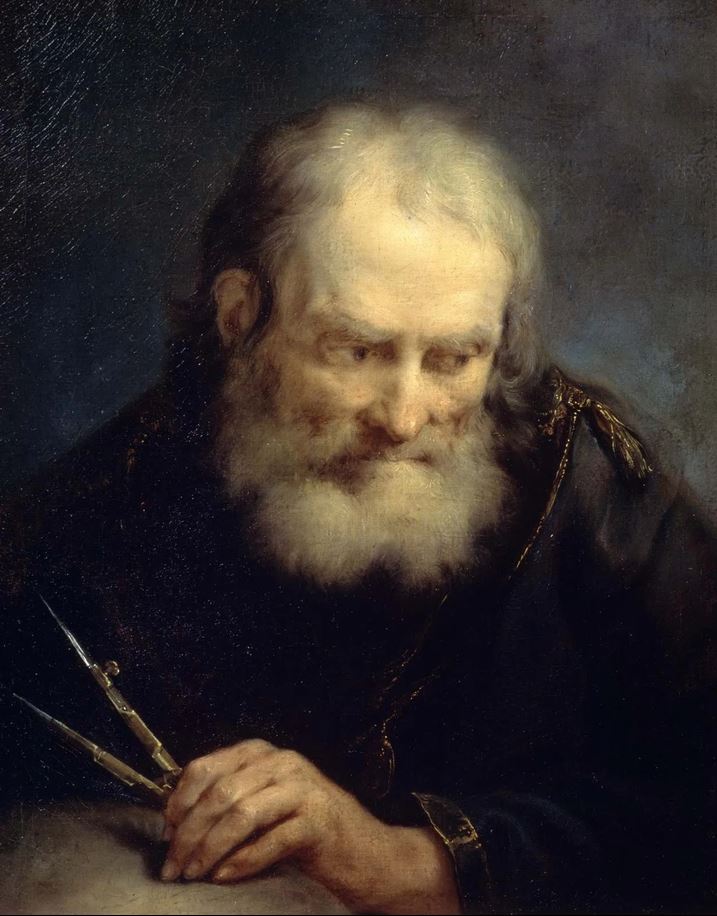
Archimedes of Syracuse
(Ἀρχιμήδης (Arkhimḗdēs))
The preeminent mathematician and physical scientist of antiquity. Formulated hydrostatic buoyancy, the lever, the screw pump, calculated accurate bounds for pi, and designed ingenious war machines to defend Syracuse.
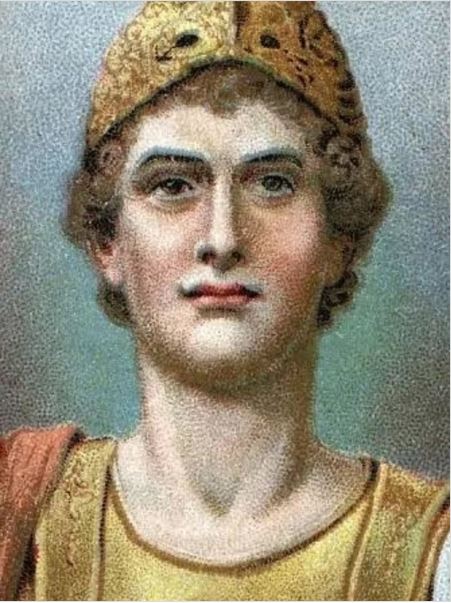
Alexander III of Macedon
(Ἀλέξανδρος ὁ Μέγας (Aléxandros ho Mégas))
Undefeated military commander who forged an empire stretching from Greece and Egypt to the Indus Valley by age thirty. Initiated the Hellenistic era, synthesizing Mediterranean, Egyptian, Persian, and Indian civilizations.
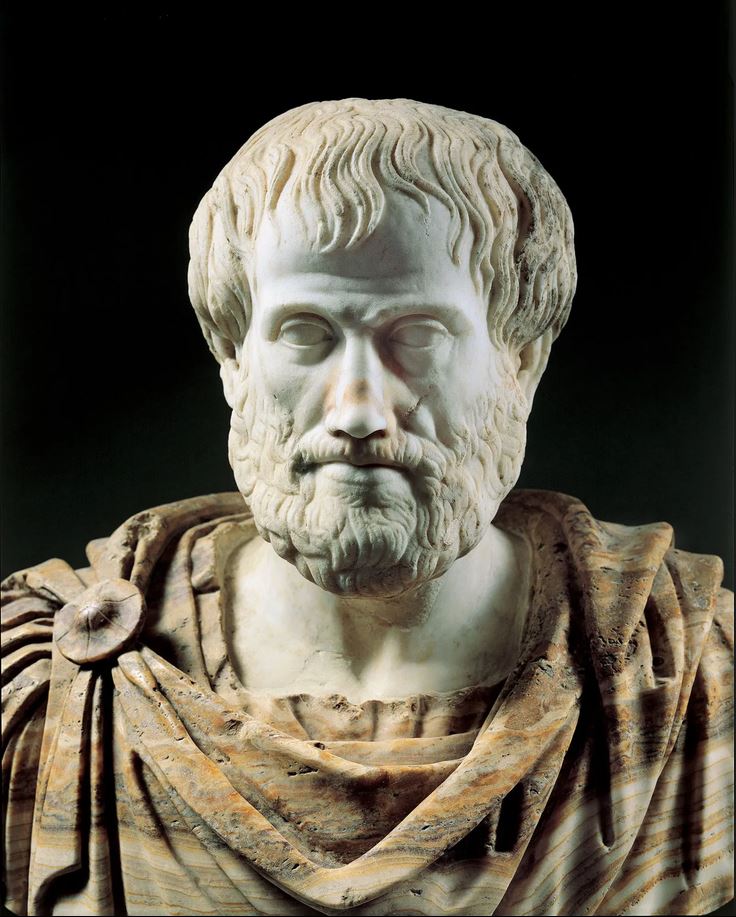
Aristotle of Stagira
(Ἀριστοτέλης (Aristotélēs))
Universal polymath whose treatises founded formal logic, biology, physics, ethics, politics, and poetics. Revered in Islamic scholarship as "The First Teacher" and in the European scholastic tradition as "The Philosopher".
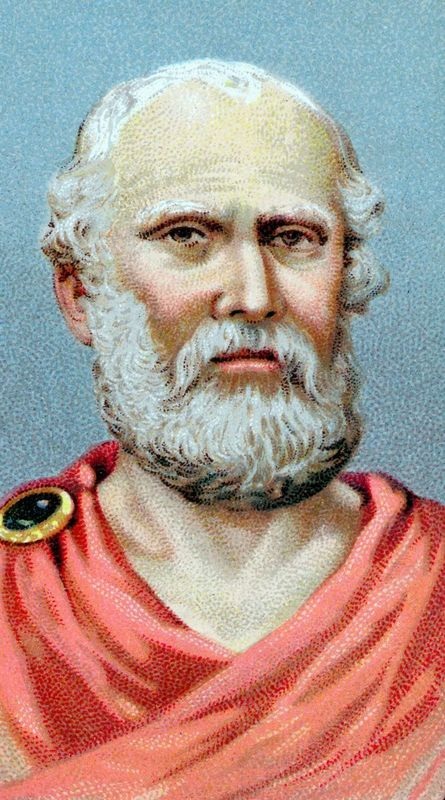
Plato (Aristocles)
(Πλάτων (Plátōn))
Disciple of Socrates and teacher of Aristotle, Plato founded the Academy in Athens—the Western world's first institution of higher learning. Author of immortal dialogues on justice, metaphysics, love, and ideal governance.
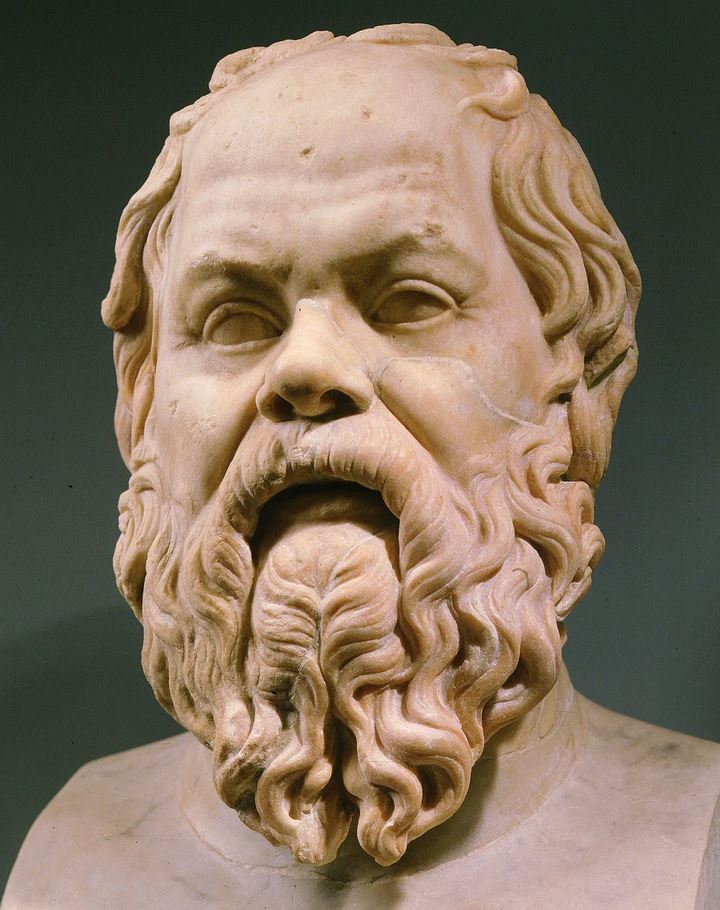
Socrates of Athens
(Σωκράτης (Sōkrátēs))
Foundational pillar of Western moral philosophy whose method of critical questioning (the Socratic method) revolutionized rational dialogue. Accepted death by hemlock with steadfast moral composure.
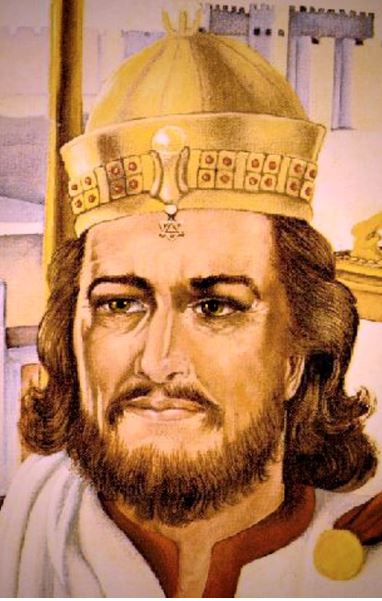
Hiram I, King of Tyre
 (𐤇𐤓𐤌 (Ahiram / Hiram))
Sovereign of the Phoenician island-city of Tyre who forged the Mediterranean's foremost maritime trade empire. Supplied cedar wood, naval fleets, and master craftsmen for the construction of the Temple in Jerusalem.