 Greece
•
9 views
Greece
•
9 views
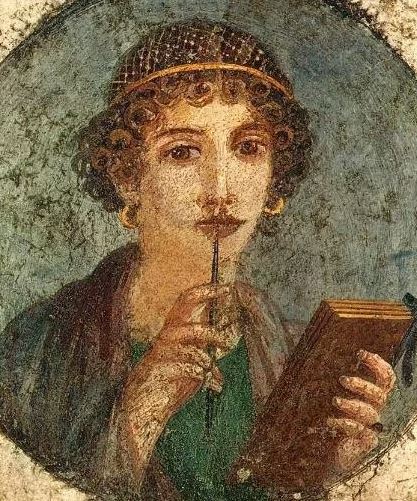
Sappho of Lesbos

Eresos, Greece
Archival Overview
Hailed across antiquity by Plato as "The Tenth Muse", Sappho's lyrical poems captured personal passion, vulnerability, and the sacred beauty of nature. Her Sapphic stanza established immortal standards for lyric verse.
Biographical Record
Sappho composed nine books of lyric poetry sung to the accompaniment of the lyre on the Aegean island of Lesbos. Unlike the martial epic poetry of Homer, her verses focused on intimate human emotion, personal yearning, and the divine splendor of Aphrodite.
Though much of her corpus was lost over centuries, surviving papyrus fragments and the complete Ode to Aphrodite continue to inspire poets and scholars across the world.
Key Life Milestones
Establishment of the Lyric Circle on Lesbos
Gathered young women on the island of Lesbos to teach poetry, song, and dance.
Composition of the Ode to Aphrodite
Penned her immortal hymn requesting the golden-charioted goddess of love for guidance.
Invention of the Sapphic Meter
Developed the distinct four-line poetic stanza that became standard in classical lyricism.
Proclaimed "The Tenth Muse" by Plato
Celebrated across Greece as equal in lyric poetry to Homer in epic verse.
Memorial Guestbook & Tributes
0 messages recordedLeave a Respectful Tribute
Final Resting Place
Perpetual MemorialMytilene, Greece