Public Figures & Cultural Luminaries
Filterable archive covering centuries of intellectual, artistic, and moral contributions to the human story.
Gisco of Lilybaeum
 (جيسكو قائد ليلبيوم)
Respected Carthaginian general who successfully held Lilybaeum during the First Punic War and was dispatched to negotiate back-pay with the rebellious mercenaries, murdered by Mathos and Spendius.
Autaritus the Gaul
 (أوتاريتوس الغالي)
Gallic mercenary chieftain fluent in Phoenician who commanded 2,000 Gallic cavalrymen in the Mercenary War, instrumental in persuading the troops to execute Carthaginian ambassadors.
Spendius of Campania
 (سبينديوس)
Escaped Campanian slave of immense physical courage and rhetorical power who co-led the rebel army against Carthage, trapped by Hamilcar Barca at the Battle of 'The Saw' and crucified.
Mathos the Libyan
(ماثوس الليبي)
Libyan military officer who led the monumental rebellion of 70,000 native North Africans and mercenaries against Carthage in the Truceless War (241–237 BC), immortalized in Flaubert's Salammbô.
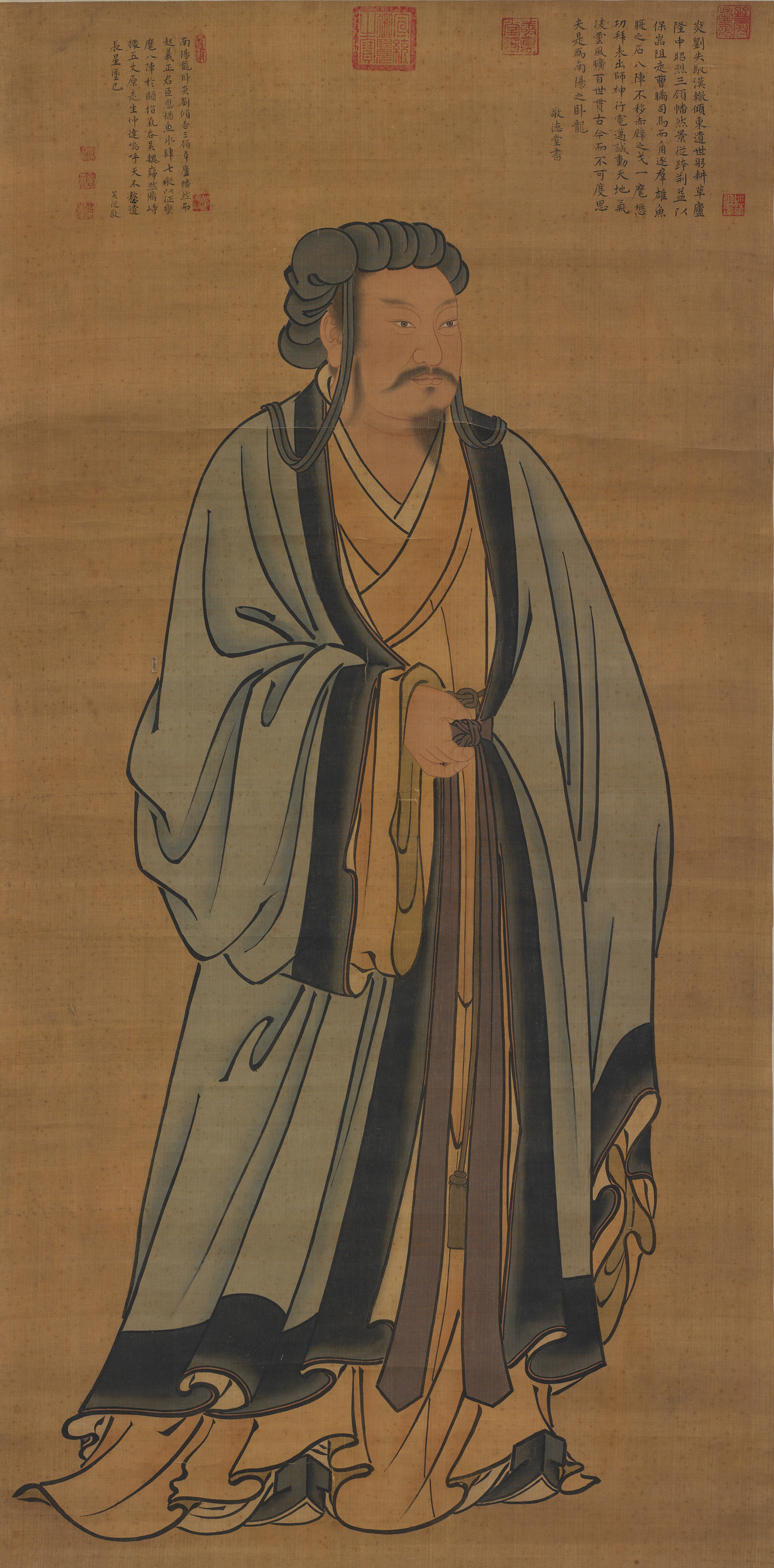
Zhuge Liang
 (诸葛亮 (孔明))
Legendary Chinese strategist and Chancellor of Shu Han known as 'The Crouching Dragon', revered across East Asia as the archetype of supreme tactical intelligence, loyalty, and engineering innovation.
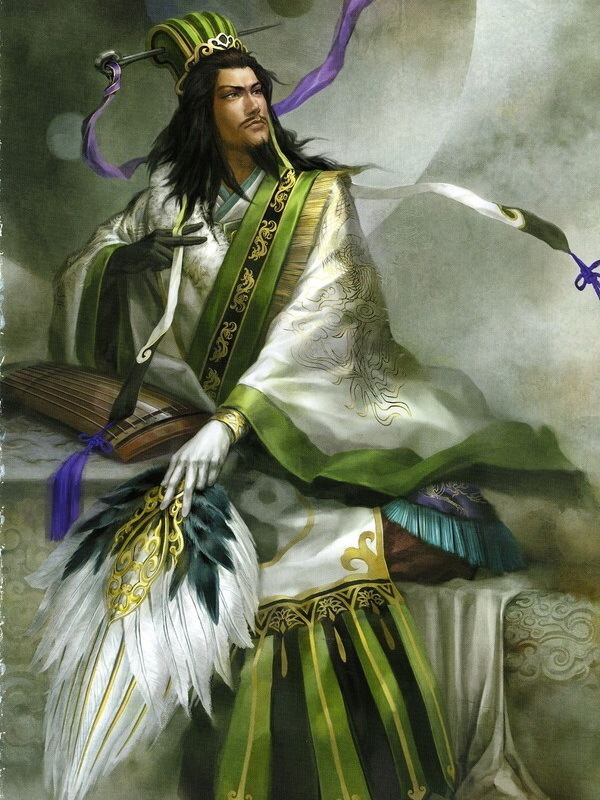
Zhuge Liang (Wolong / Crouching Dragon)
(諸葛亮 / 諸葛孔明)
Legendary Chancellor and chief military strategist of Shu Han whose Longzhong Plan laid the blueprint for the Three Kingdoms and who invented the repeating crossbow.
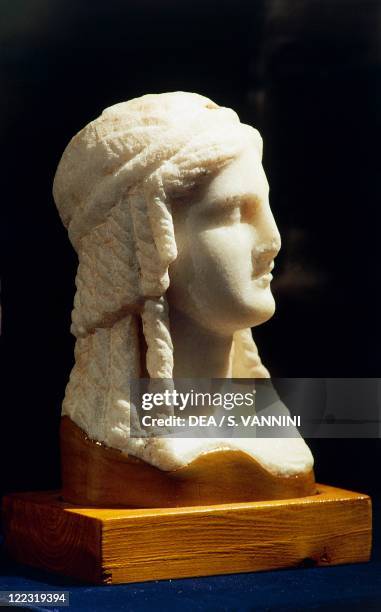
Berenice II of Egypt
 (Βερενίκη)
Formidable Hellenistic Queen of Egypt and Cyrene who won Panathenaic and Nemean chariot races, unified Libya and Egypt through her marriage to Ptolemy III, and whose sacrificed hair inspired the constellation Coma Berenices.
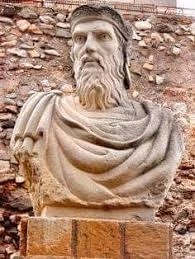
Hasdrubal the Fair
(𐤏𐤆𐤓𐤁𐤏𐤋)
Brilliant Carthaginian statesman and general, son-in-law of Hamilcar Barca, who consolidated the Barcid empire in Spain through diplomatic marriages, founded Carthago Nova (Cartagena) in 228 BCE, and negotiated the historic Ebro Treaty with Rome.
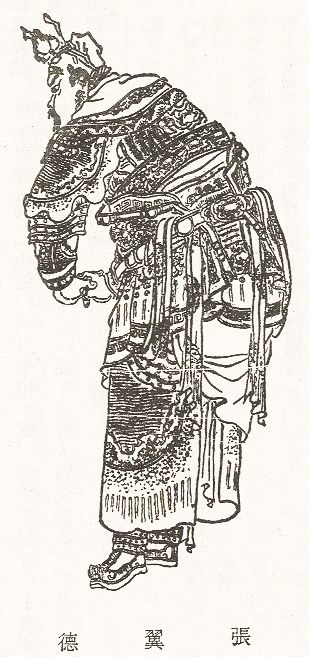
Zhang Fei
(张飞 (益德))
Fierce and loyal general of Shu Han during the Three Kingdoms era, one of the Five Tiger Generals, celebrated for holding off Cao Cao's entire army single-handedly at Changban Bridge.
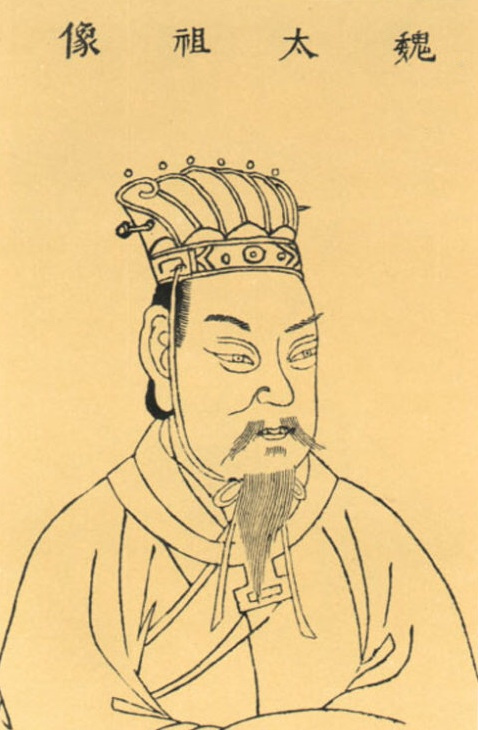
Cao Cao
(曹操 (魏武帝))
Brilliant Chinese warlord, statesman, and poet who laid the foundations of the Kingdom of Wei, famed for his military genius in the Three Kingdoms era and victory at the Battle of Guandu.
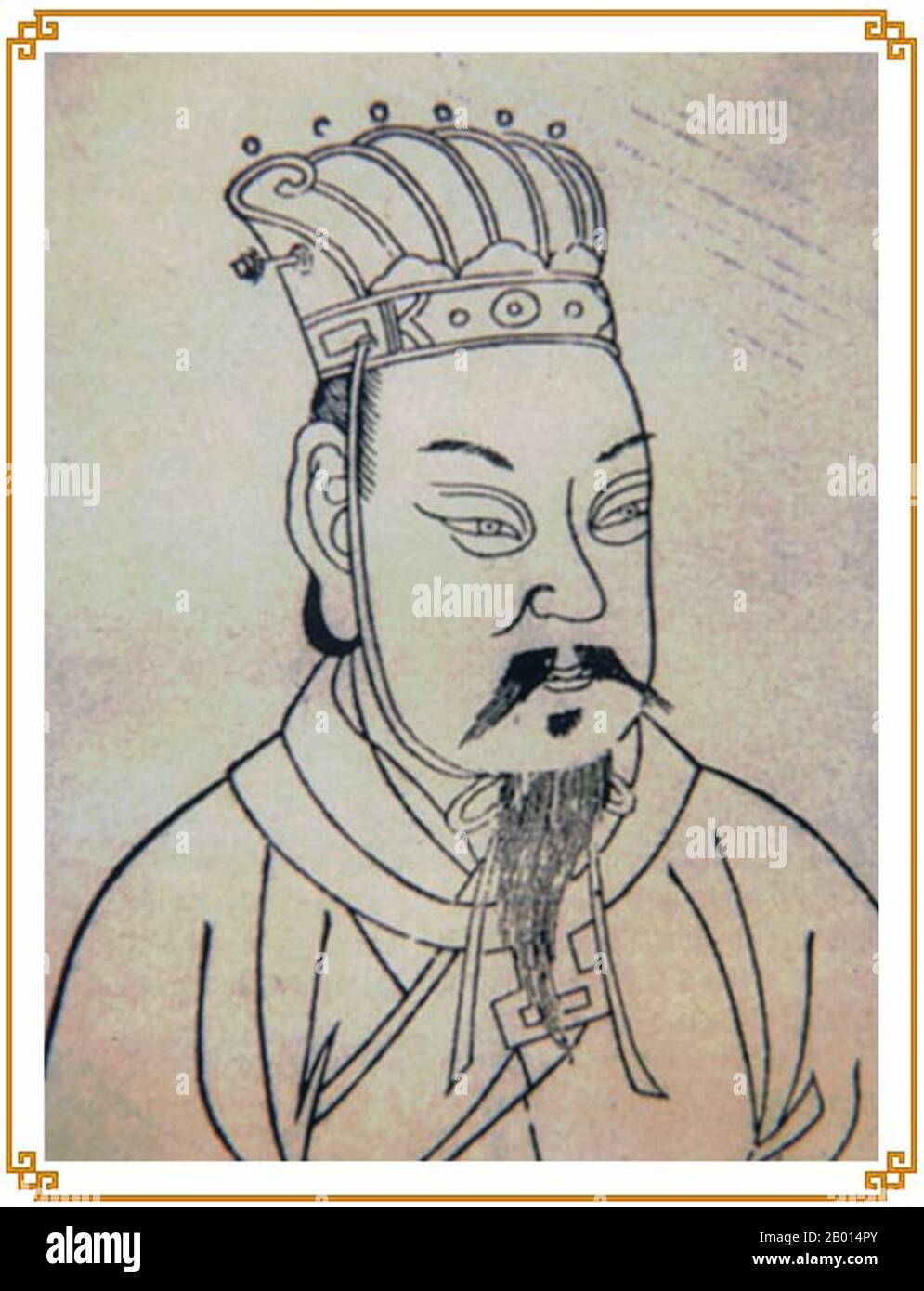
Cao Cao (Emperor Wu of Wei)
(曹操 / 曹孟德)
Master strategist, warlord, poet, and Chancellor of the late Han dynasty who unified northern China after defeating Yuan Shao at Guandu.
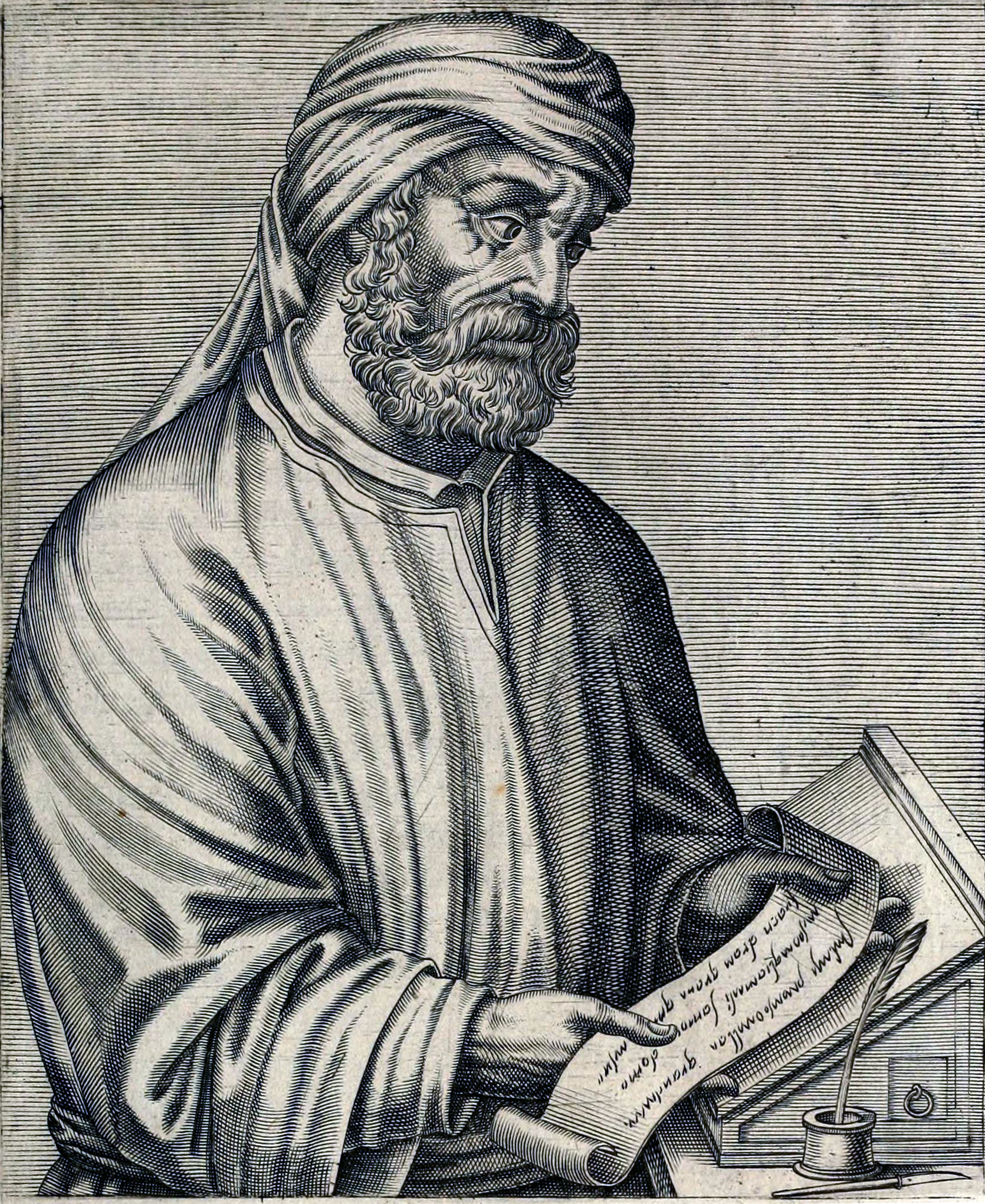
Tertullian
(ترتليانوس (كوينتوس سبتيميوس فلورنس))
Brilliant Carthaginian jurist and Christian apologist who coined the Latin term 'Trinitas' (Trinity) and authored 'Apologeticus', famously declaring: 'The blood of the martyrs is the seed of the Church'.
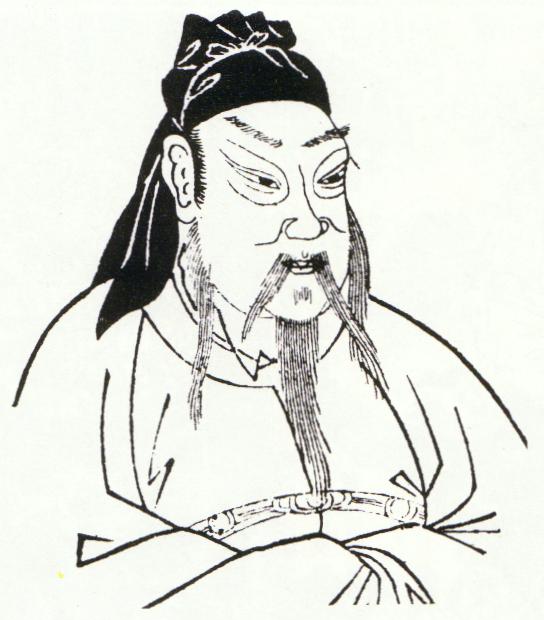
Guan Yu
(关羽 (关公))
Legendary Chinese general of Shu Han during the Three Kingdoms era, renowned for his martial prowess and unyielding loyalty, deified as 'Guan Gong' and the God of War in Chinese folk religion.
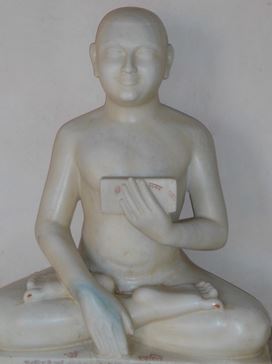
Kundakunda (कुन्दकुन्दाचार्य)
Venerated Digambara Jain philosopher whose foundational Prakrit works 'Samayasara' and 'Pravachanasara' established the distinction between the absolute and practical viewpoints.
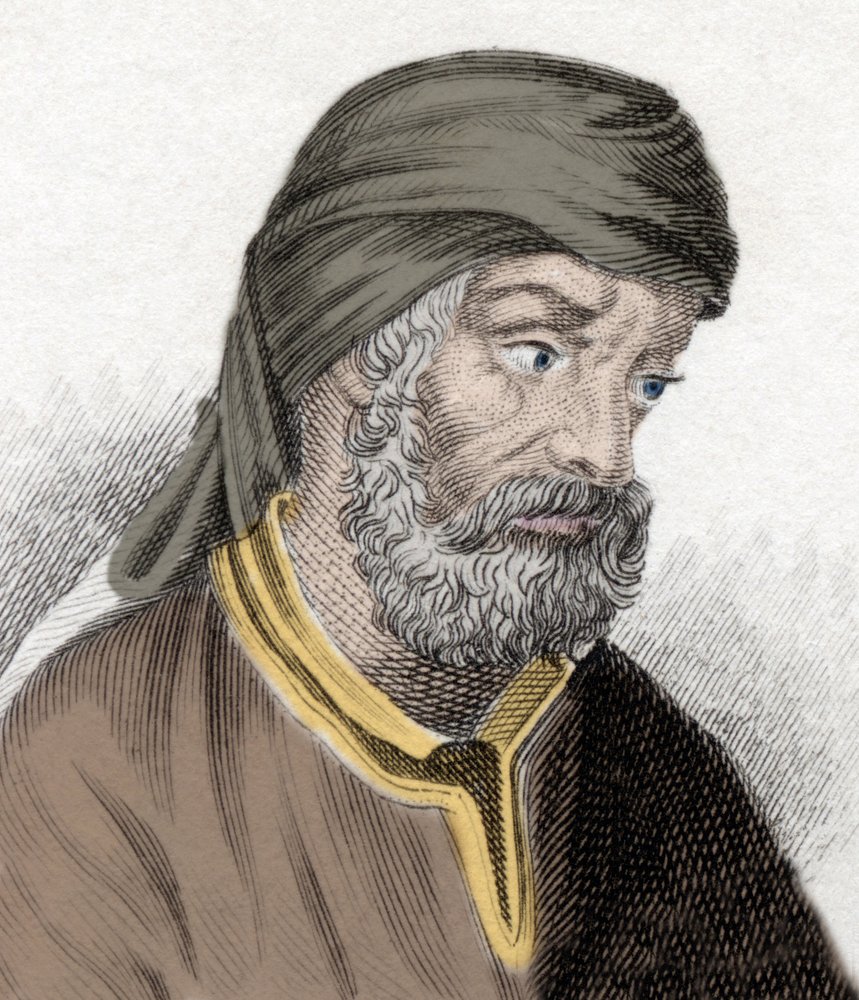
Quintus Septimius Florens Tertullianus
(Tertullianus)
Father of Latin Christian theology and brilliant apologist who introduced essential dogmatic terminology including 'Trinitas' and 'one substance in three persons'.
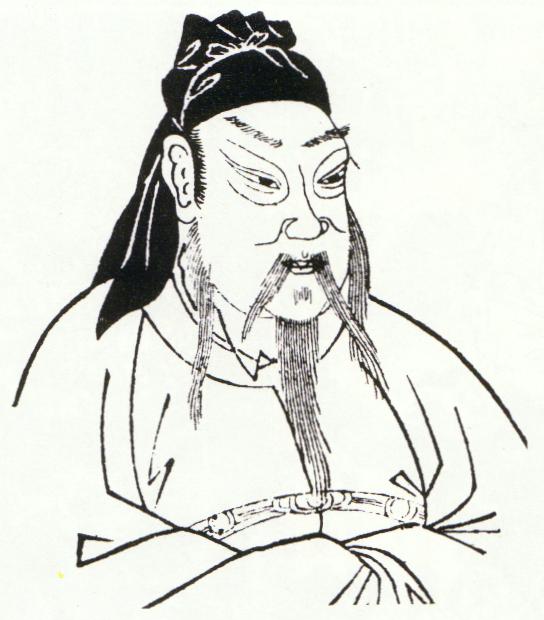
Guan Yu (Lord Guan / God of War)
(關羽 / 關雲長)
Foremost general of Shu Han and martial sworn brother of Liu Bei, deified throughout Chinese civilization as Guan Gong (God of War) for loyalty and valor.
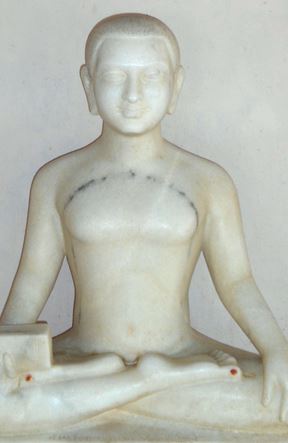
Umashvati
 (उमास्वाति)
Jain philosopher whose 'Tattvartha Sutra' (That Which Is) is the first Jain scripture composed in classical Sanskrit, accepted by both Digambara and Svetambara traditions.
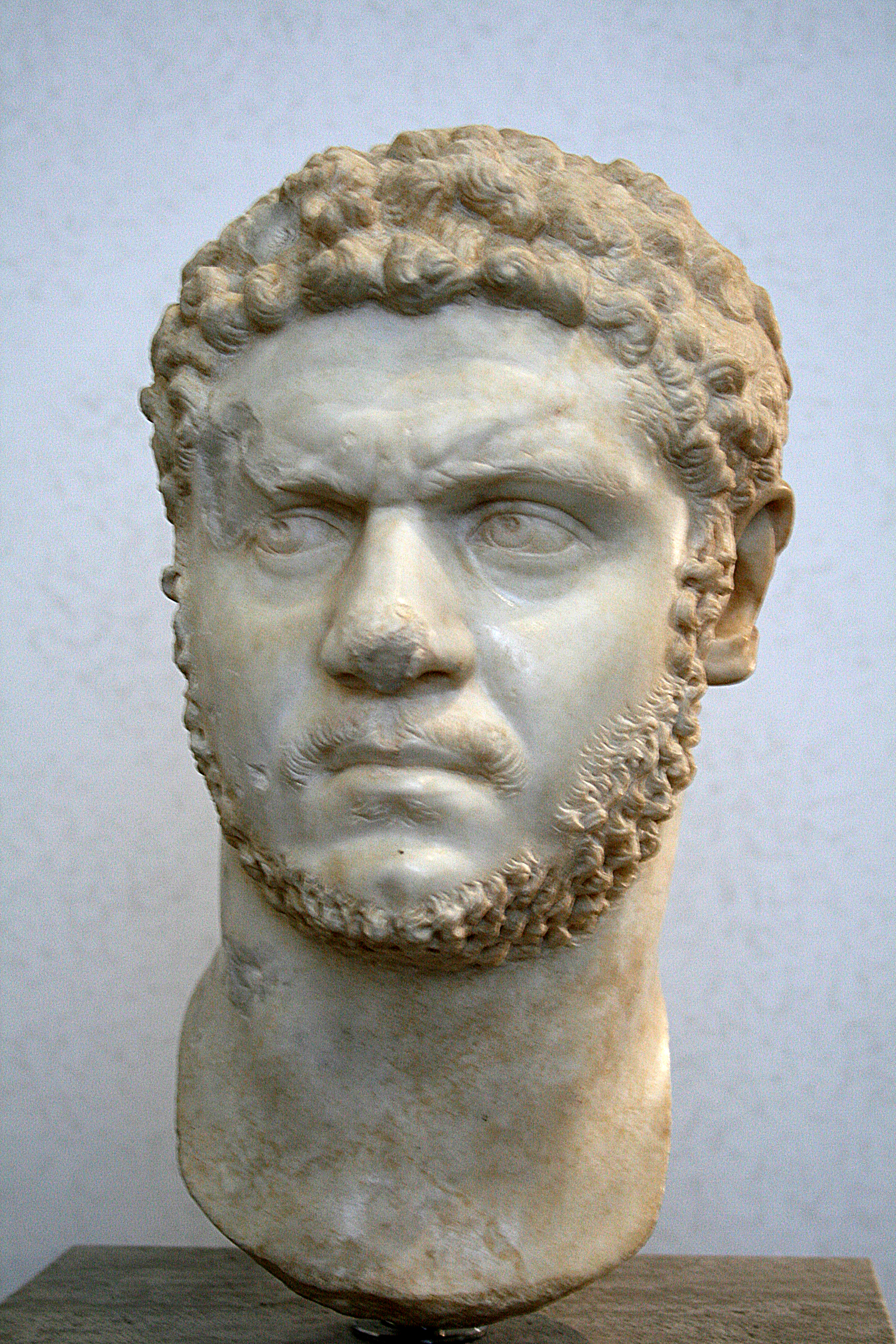
Caracalla
(Marcus Aurelius Severus Antoninus)
Roman Emperor of Libyan Punic and Syrian descent who transformed the social fabric of the classical world by issuing the Edict of Caracalla (Constitutio Antoniniana) in 212 CE, granting Roman citizenship to all free inhabitants of the empire.