 Roman Gaul
•
26 views
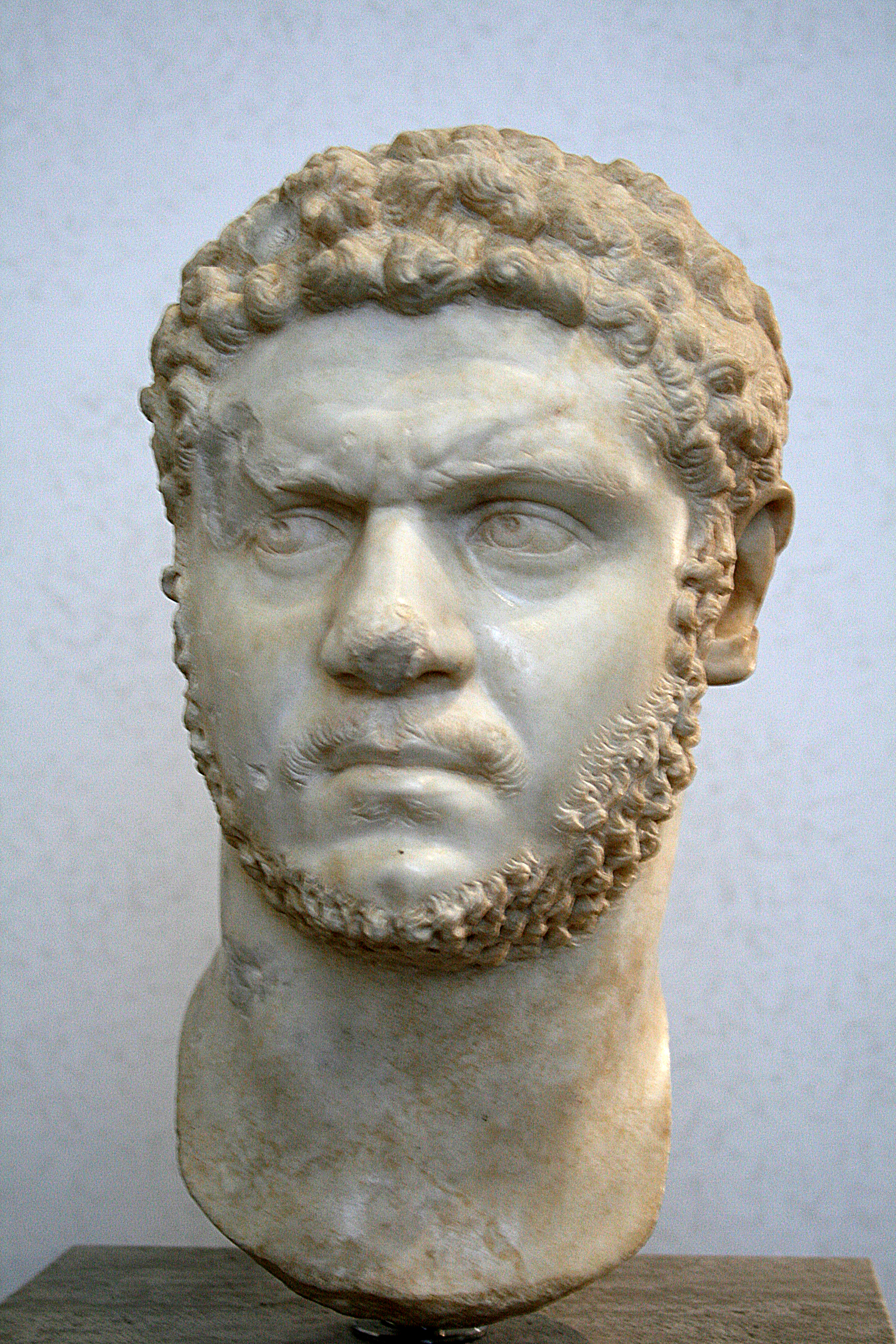
Caracalla

Lugdunum, Roman Gaul
Archival Overview
Roman Emperor of Libyan Punic and Syrian descent who transformed the social fabric of the classical world by issuing the Edict of Caracalla (Constitutio Antoniniana) in 212 CE, granting Roman citizenship to all free inhabitants of the empire.
Biographical Record
Son of Septimius Severus and Julia Domna, Caracalla succeeded his father in 211 CE. To consolidate imperial loyalty and expand tax revenues, he promulgated the Constitutio Antoniniana, erasing centuries of legal distinction between conquerors and provincial subjects.
Caracalla commissioned the monumental Baths of Caracalla in Rome, an architectural masterpiece of vaulted engineering. He pursued aggressive military campaigns against the Germanic tribes and Parthia before being assassinated by a disaffected guardsman near Carrhae.
Key Life Milestones
Promulgation of the Constitutio Antoniniana
Granted universal Roman citizenship to all free men within the empire, revolutionizing classical civic law.
Promulgation of the Constitutio Antoniniana
Granted universal Roman citizenship to all free men within the empire, revolutionizing classical civic law.
Promulgation of the Constitutio Antoniniana
Granted universal Roman citizenship to all free men within the empire, revolutionizing classical civic law.
Inauguration of the Baths of Caracalla
Dedicated the colossal public bathing complex in Rome, among the grandest engineering marvels of antiquity.
Inauguration of the Baths of Caracalla
Dedicated the colossal public bathing complex in Rome, among the grandest engineering marvels of antiquity.
Inauguration of the Baths of Caracalla
Dedicated the colossal public bathing complex in Rome, among the grandest engineering marvels of antiquity.
Memorial Guestbook & Tributes
0 messages recordedLeave a Respectful Tribute
Final Resting Place
Perpetual MemorialRome, Italy