Public Figures & Cultural Luminaries
Filterable archive covering centuries of intellectual, artistic, and moral contributions to the human story.
Abu al-Hasan Ali ibn Muhammad al-Lakhmi
 (أبو الحسن علي اللخمي الصفاقسي)
Venerated 11th-century jurist of Sfax, one of the 'Four Master Commentators' of the Maliki school, author of Al-Tabsira, and patron saint of the Great Mosque of Sfax.
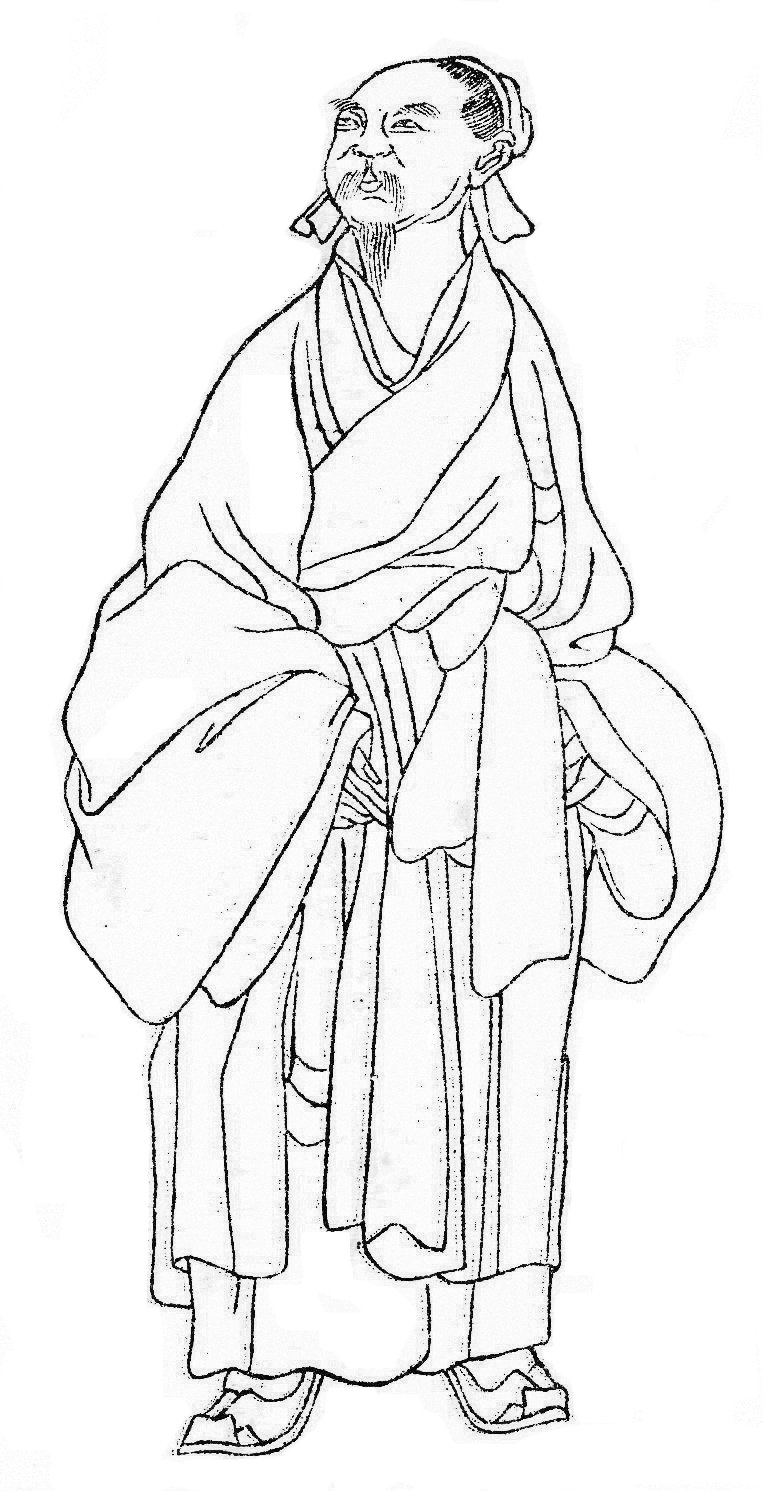
Zhang Zai
 (張載)
Northern Song dynasty Neo-Confucian philosopher and founder of the Hengqu School whose four-line moral manifesto and essay 'The Western Inscription' (Ximing) articulated the universal ethical kinship of all humanity with Heaven and Earth.
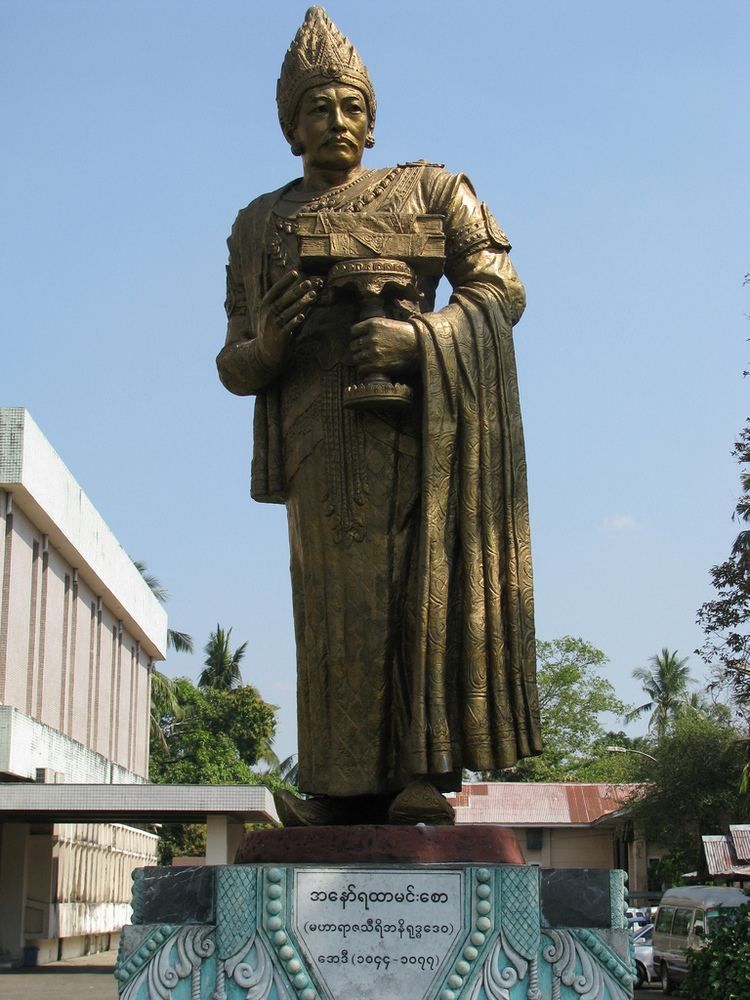
King Anawrahta Minsaw (အနော်ရထာ မင်းစော)
Founder of the Pagan Empire who unified Myanmar into a single nation, introduced Theravada Buddhism, and initiated Bagan's golden temple era.

Zaynab an-Nafzawiyyah
 (زينب النفزاوية)
Brilliant Berber queen, political visionary, and diplomatic architect whose immense wealth, counsel, and marriage to Yusuf ibn Tashfin laid the foundation of the Almoravid Empire and the founding of Marrakech.
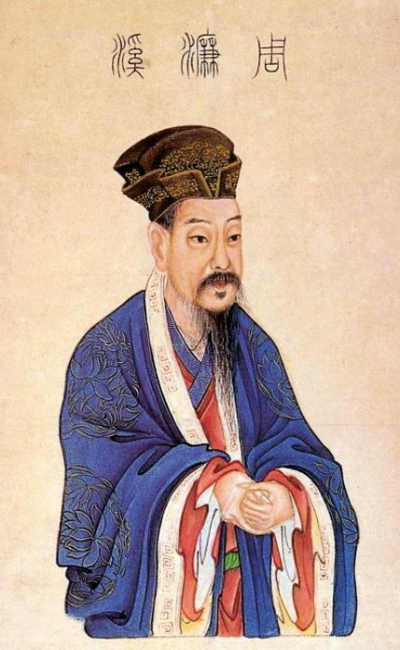
Zhou Dunyi
(周敦頤)
Northern Song dynasty thinker regarded as the 'First Pioneer of Neo-Confucianism', author of the 'Explanation of the Diagram of the Supreme Ultimate' (Taijitu Shuo) and the celebrated ode to moral purity, 'On the Love of the Lotus'.
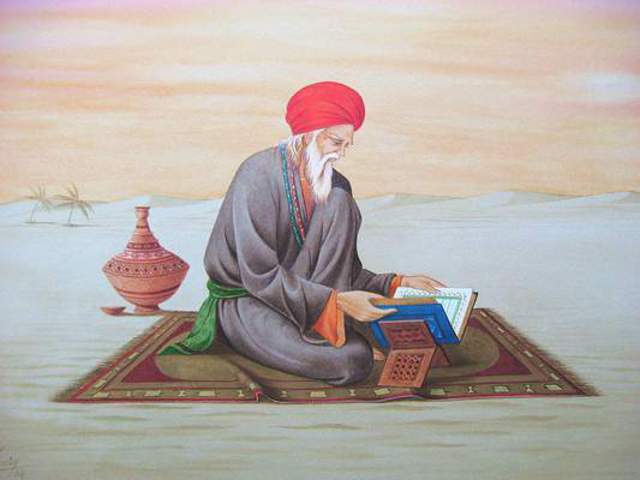
Abd al-Karim ibn Hawazin al-Qushayri
 (عبد الكريم بن هوازن القشيري)
Eminent Shafi'i jurist, Ash'ari theologian, and Sufi master whose 'Al-Risalah al-Qushayriyya' is the definitive classic handbook defining authentic spiritual path and stations.
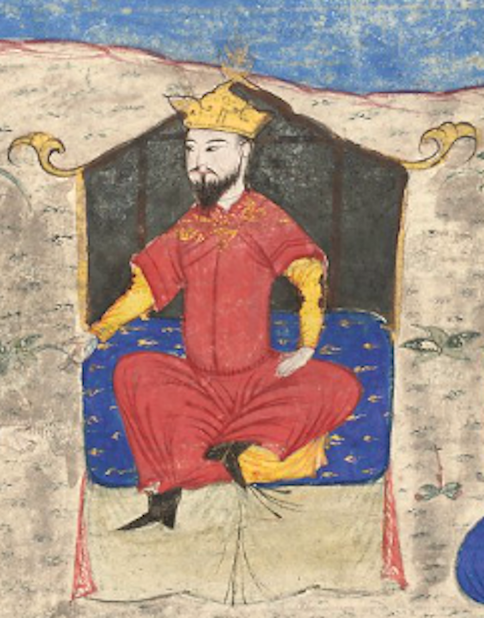
Alp Arslan
 (آلب أرسلان (محمد بن داود))
Second Sultan of the Great Seljuk Empire whose historic victory over Byzantine Emperor Romanos IV at the Battle of Manzikert in 1071 opened Anatolia to Turkish settlement.

Alp Arslan (The Heroic Lion)
(آلپ ارسلان / Muhammed bin Davud Çağrı)
Second Sultan of the Seljuk Empire whose historic victory over Byzantine Emperor Romanos IV Diogenes at the Battle of Manzikert in 1071 opened Anatolia to Turkish settlement.
Al-Khatib al-Baghdadi
 (الخطيب البغدادي)
Monumental 11th-century Muslim historian whose fourteen-volume Tarikh Baghdad recorded the biographical history of the Abbasid capital.
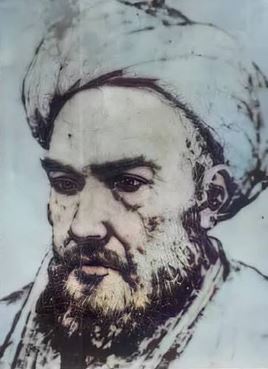
Muhammad ibn al-Hasan al-Tusi (الشيخ الطوسي)
Supreme Shia jurist and theologian who authored two of the Four Canonical Books (Al-Tahdhib and Al-Istibsar) and founded the legendary Hawza of Najaf after fleeing Baghdad in 1056.
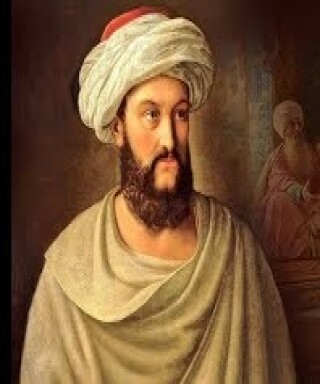
Ibn Sharaf al-Qayrawani
(ابن شرف القيرواني)
Celebrated poet and literary theorist of Kairouan whose legendary intellectual rivalry with Ibn Rashiq produced some of the sharpest critical works in classical Arabic literature.
Ahmad ibn Husayn al-Bayhaqi
(أحمد بن الحسين البيهقي)
Major Shafi'i jurist and traditionist whose 'Al-Sunan al-Kubra' in ten volumes is the most comprehensive legal Hadith encyclopedia ever assembled.
Ibn Butlan
(ابن بطلان)
Renowned 11th-century Baghdad Christian physician whose wellness manual Taqwim al-Sihha was translated into Latin as Tacuinum Sanitatis.
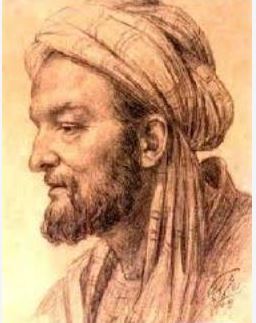
Ali ibn Ahmad Ibn Hazm
 (ابن حزم الأندلسي)
Andalusian polymath, poet, and Zahiri jurist whose 'Al-Muhalla' codified literalist jurisprudence and whose 'Al-Fasl' pioneered the academic discipline of comparative religion.
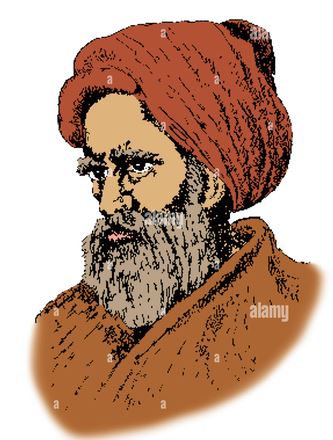
Abu Muhammad Ali ibn Ahmad ibn Hazm al-Andalusi
(ابن حزم الأندلسي)
Brilliant Andalusian polymath and literalist (Zahiri) thinker of Islamic Spain whose psychological masterpiece on romantic courtly love, Tawq al-Hamamah (The Ring of the Dove), influenced European troubadour poetry.
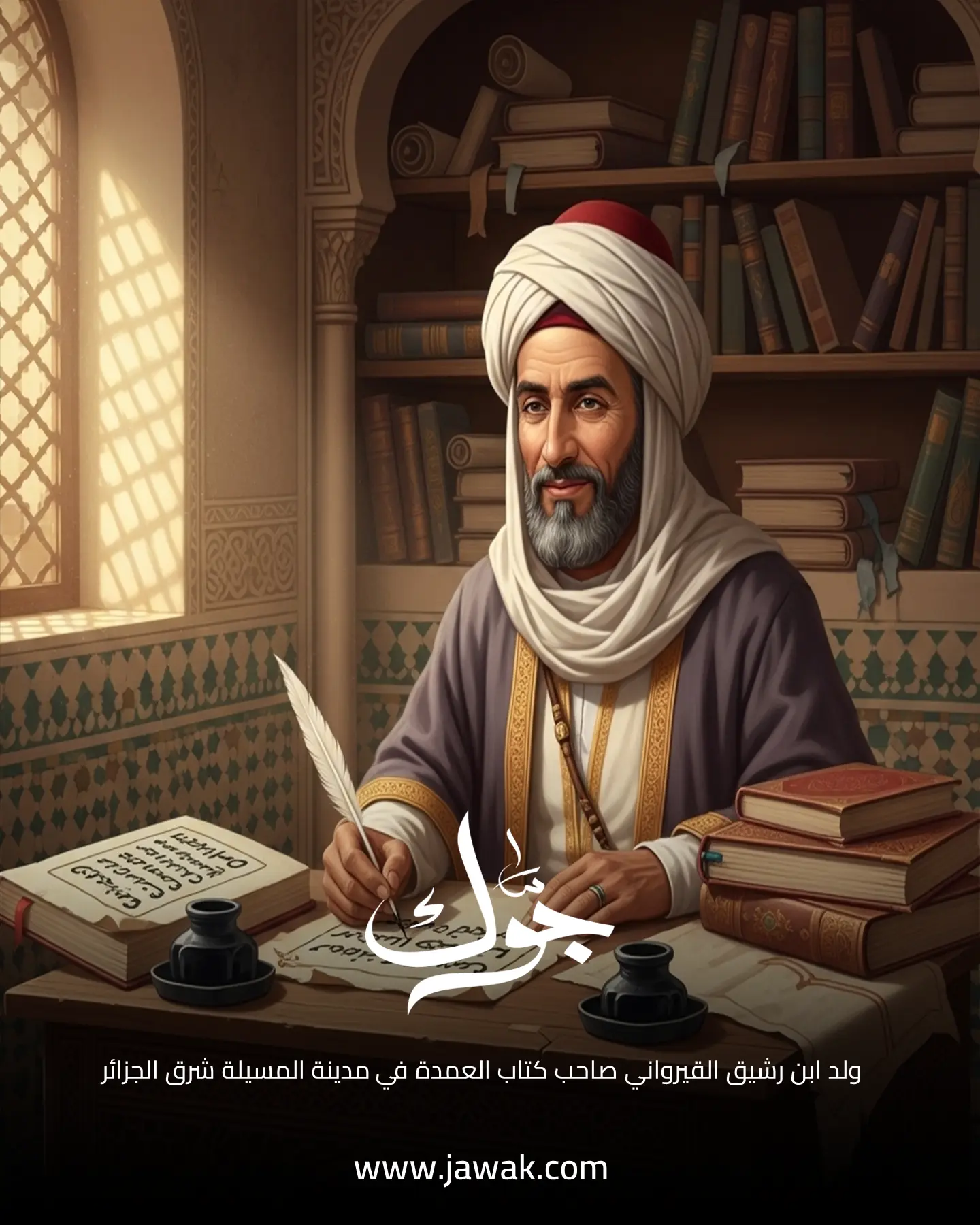
Ibn Rashiq al-Qayrawani
 (ابن رشيق القيرواني)
Paramount literary critic of Kairouan whose masterwork, Al-Umda fi Mahasin al-Shi'r, defined the aesthetic canons, metrics, and rhetorical philosophy of classical Arabic poetry.
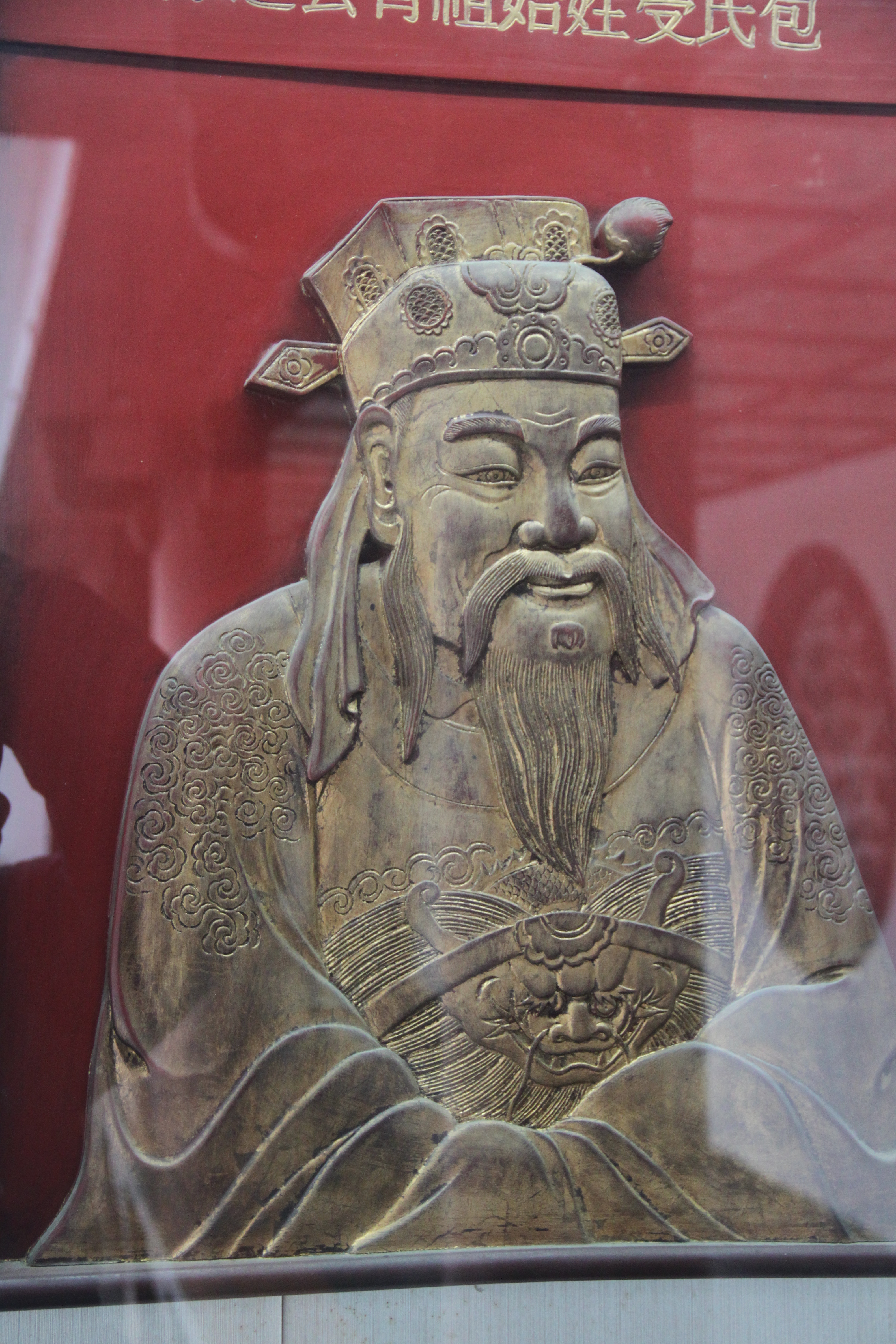
Bao Zheng
(包拯)
Legendary Song dynasty magistrate and prefect of Kaifeng celebrated across Chinese history as 'Justice Bao' (Bao Qingtian), the symbol of absolute judicial incorruptibility.
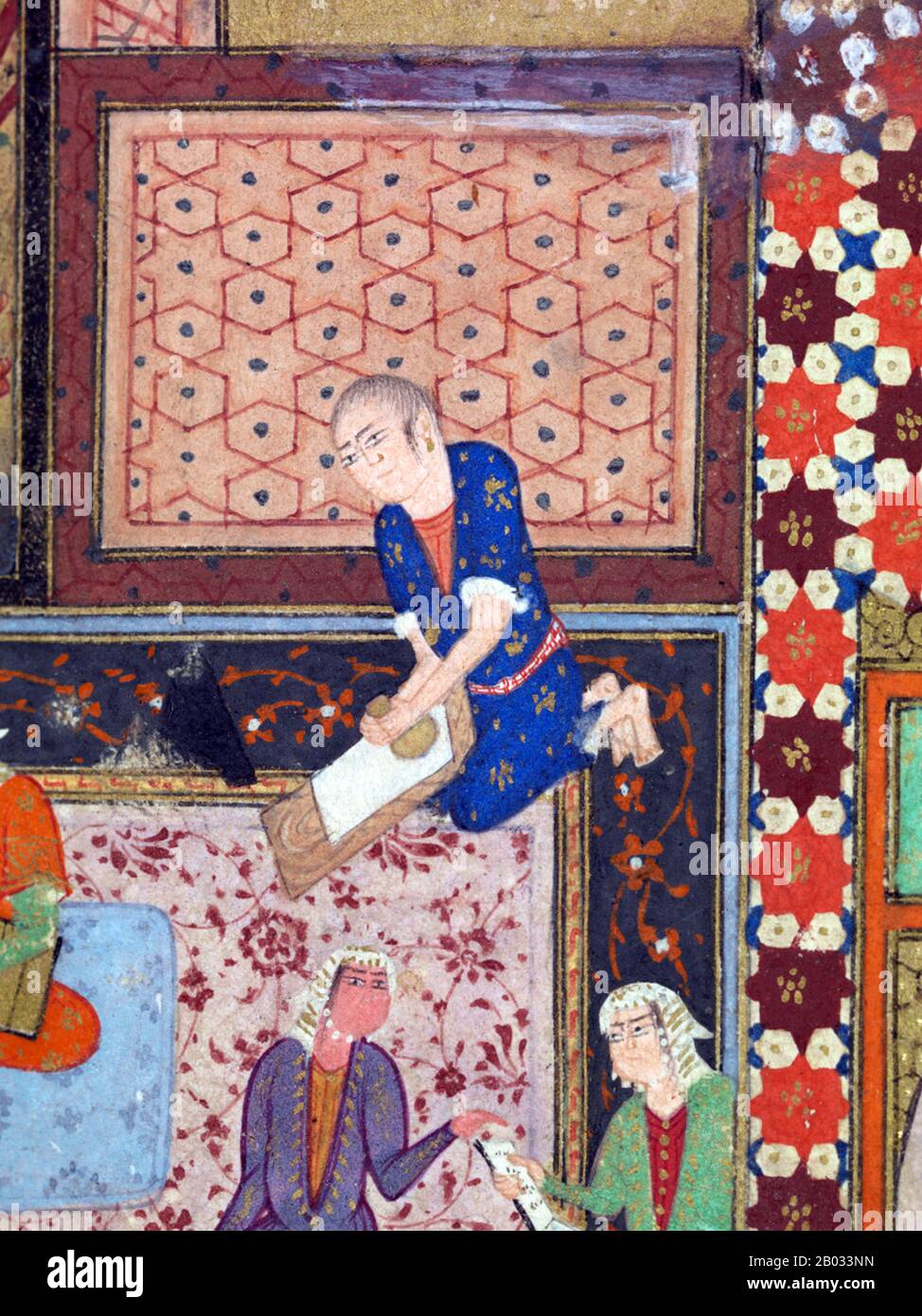
Al-Mu'izz ibn Badis
(المعز بن باديس الصنهاجي)
Grand Zirid Sultan of Ifriqiya who reigned for forty-six years from Kairouan and Mahdia, authored treatises on the art of the book, and declared religious independence from the Fatimids in 1048.