Public Figures & Cultural Luminaries
Filterable archive covering centuries of intellectual, artistic, and moral contributions to the human story.
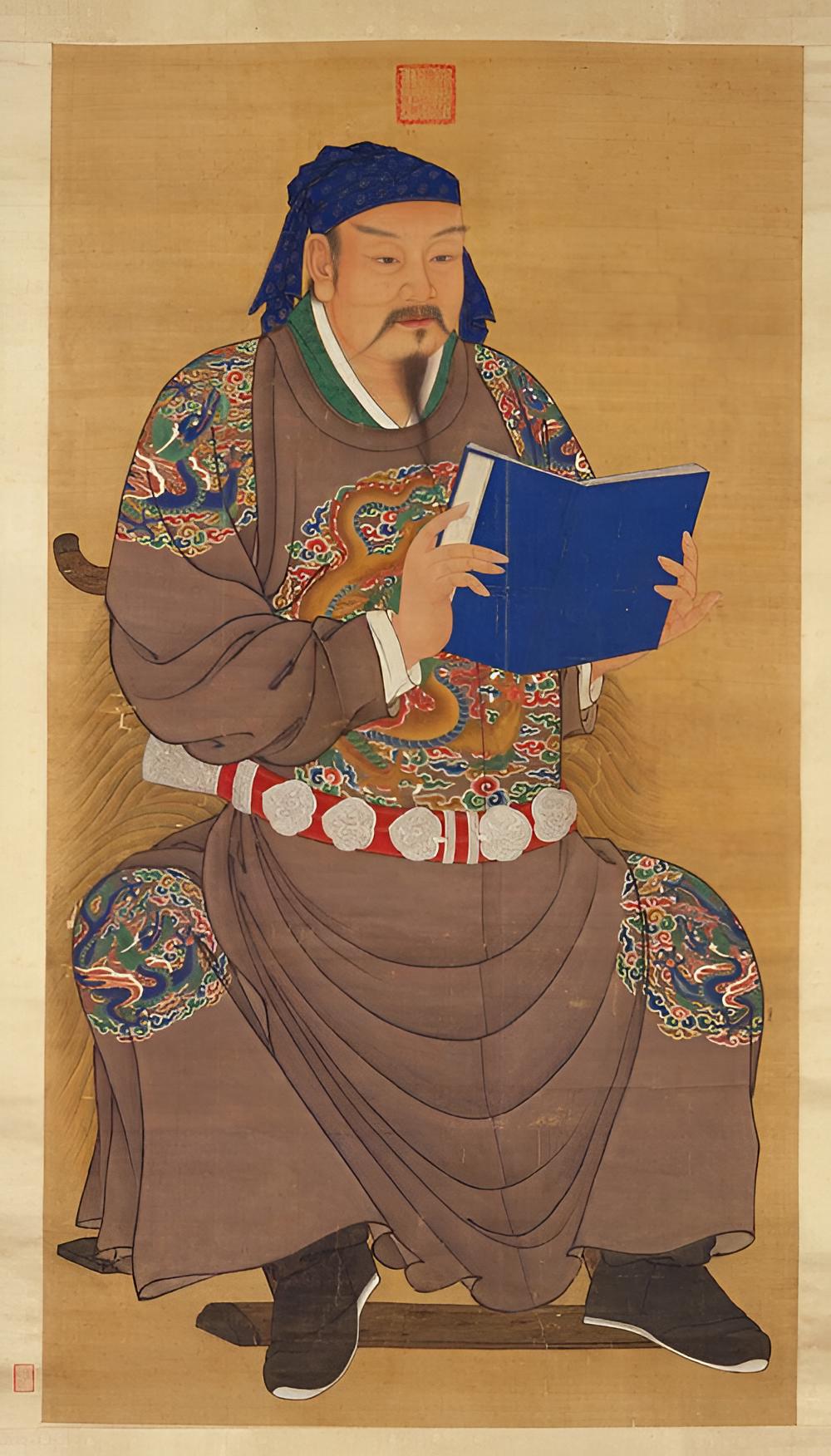
Yue Fei (General Yue Pengju)
 (岳飛 / 岳鵬舉)
National hero and supreme commander of the Southern Song dynasty whose elite Yue Family Army repelled the Jurchen Jin dynasty with unbroken patriotism.
Abu Abdallah Muhammad ibn Ali al-Mazari
 (محمد بن علي المازري الإمام)
Supreme Maliki jurist, Hadith commentator, and physician who settled in Monastir, author of Al-Mu'lim bi-Fawa'id Muslim, the first comprehensive commentary on Sahih Muslim in Islamic history.
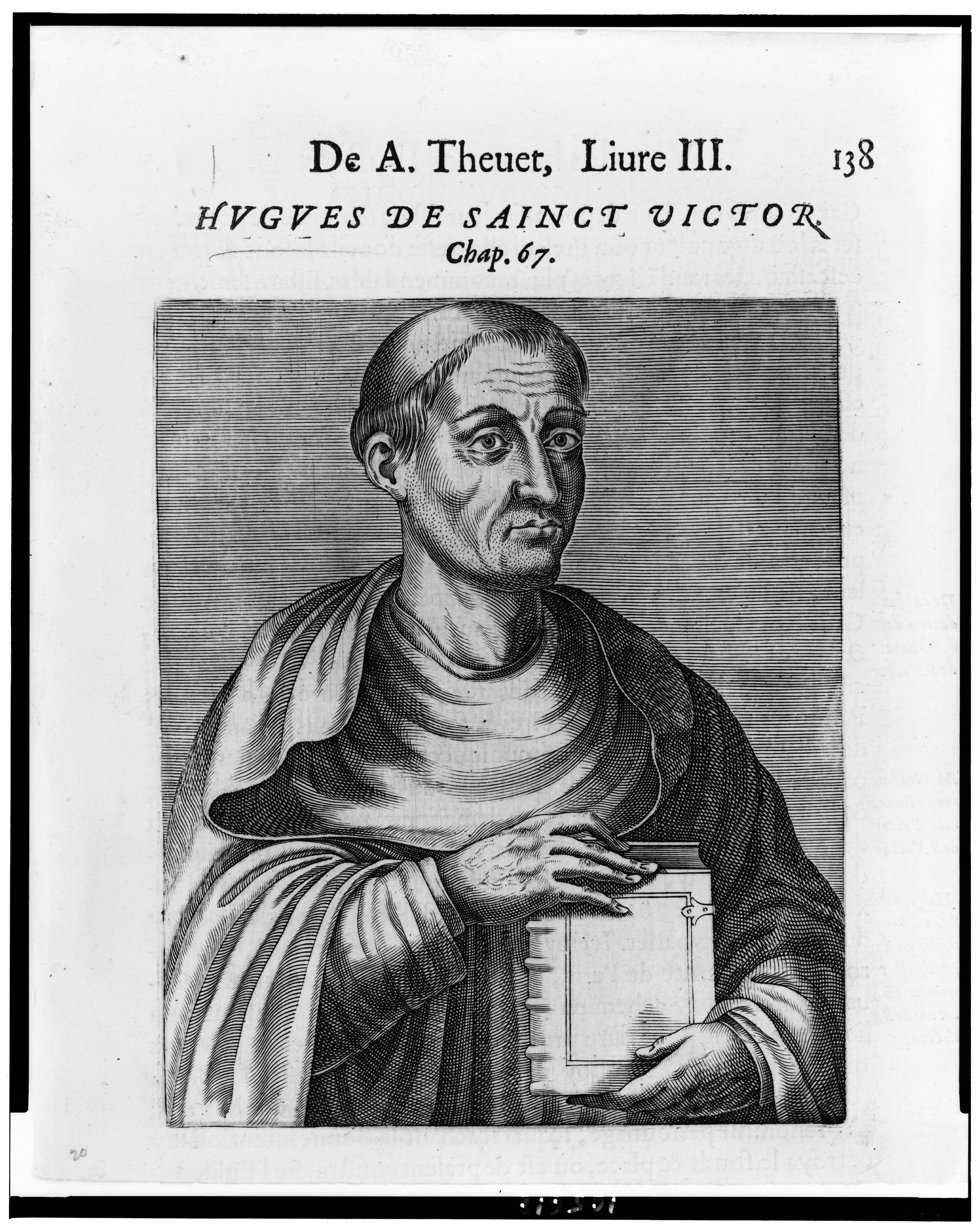
Hugh of Saint Victor
 (Hugo de Sancto Victore)
Master of the Abbey of Saint Victor in Paris whose 'Didascalicon' integrated all secular arts with theology and who formulated the first medieval summa of sacramental theology.

Ibn al-Arif
 (ابن العريف)
Influential 12th-century Andalusian-Moroccan Sufi master whose foundational metaphysical treatise, Mahasin al-Majalis, introduced advanced spiritual psychology to North Africa.
Judah Halevi (Author of the Kuzari)
(יהודה הלוי / يهوذا اللاوي)
Premier Hebrew poet of Muslim Spain and author of The Kuzari. His passionate poetic verses ("My heart is in the East, and I am at the ends of the West") expressed the deepest spiritual yearning of the Jewish diaspora for Jerusalem.
Queen Arwa al-Sulayhi
 (الملكة أروى الصليحي)
Legendary Queen of Yemen who ruled independently for over fifty years, built roads, mosques, and agricultural terraces from her mountain capital of Jibla.
Ibn Bajjah (Avempace)
(أبو بكر محمد بن يحيى بن الصائغ بن باجة التجيبي)
Pioneering Andalusian philosopher, astronomer, and musician known to the Latin West as Avempace, author of The Regime of the Solitary and critic of Ptolemaic epicycles.
Louis VI the Fat
 (Louis VI le Gros)
Energetic Capetian King of the Franks who spent twenty-nine years in the saddle pacifying lawless robber barons in the Île-de-France, establishing royal justice and granting municipal charters to rising towns.
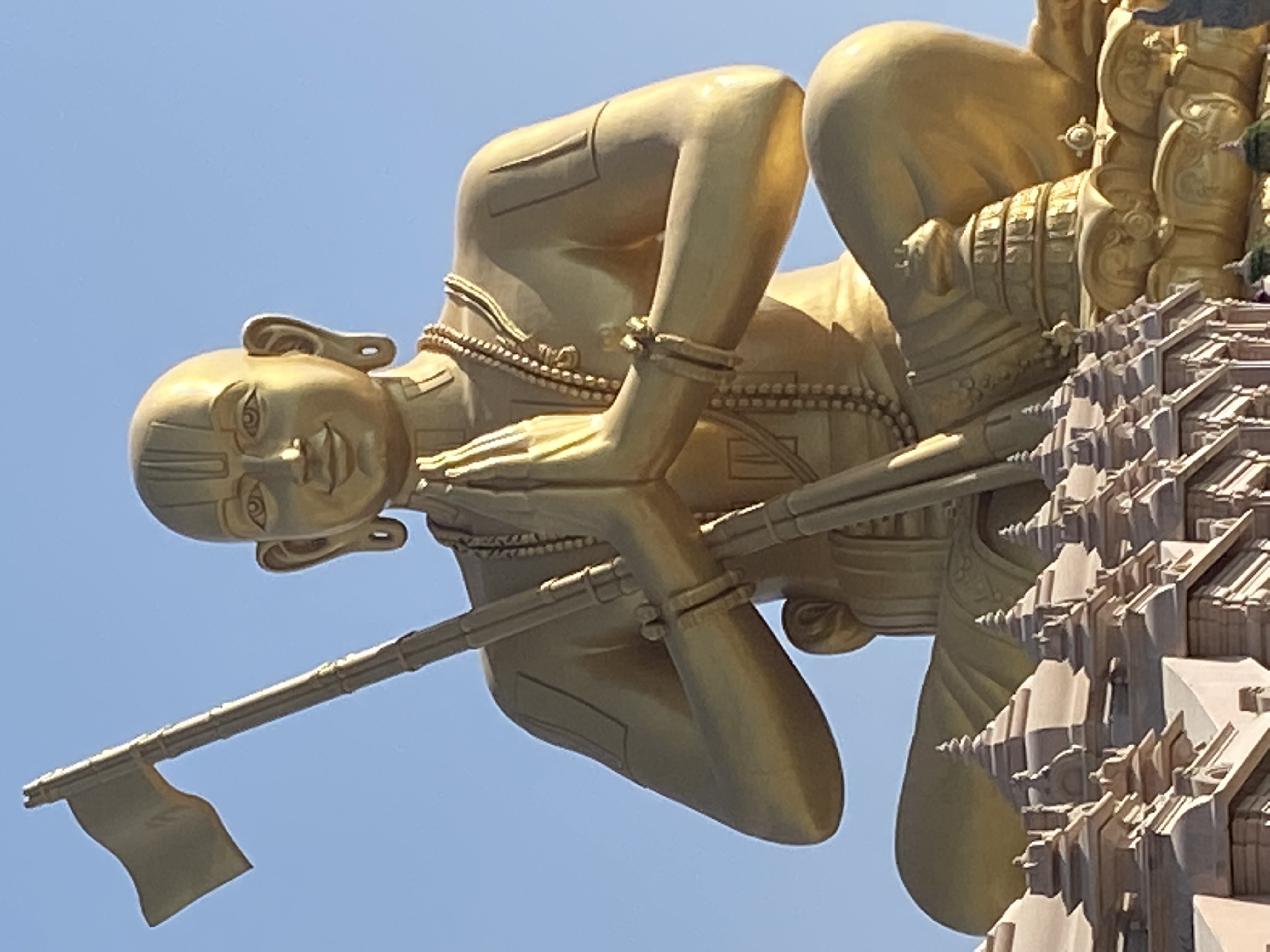
Ramanuja
 (रामानुज)
Supreme Hindu philosopher-theologian who founded Vishishtadvaita (Qualified Non-Dualism) Vedanta, author of the 'Sri Bhashya', who championed loving devotion (Bhakti) and opened sacred temple mantras to all castes.
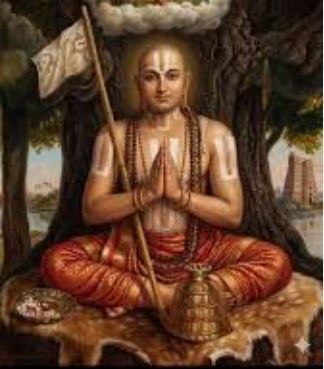
Sri Ramanujacharya (Acharya of Vishishtadvaita)
(रामानुजाचार्य (Rāmānujācārya))
Eleventh-century philosopher-theologian who formulated Vishishtadvaita (Qualified Non-Dualism). Challenged pure illusionism by proving that the universe and individual souls (Jivas) are the real body of the Supreme Lord (Narayana).
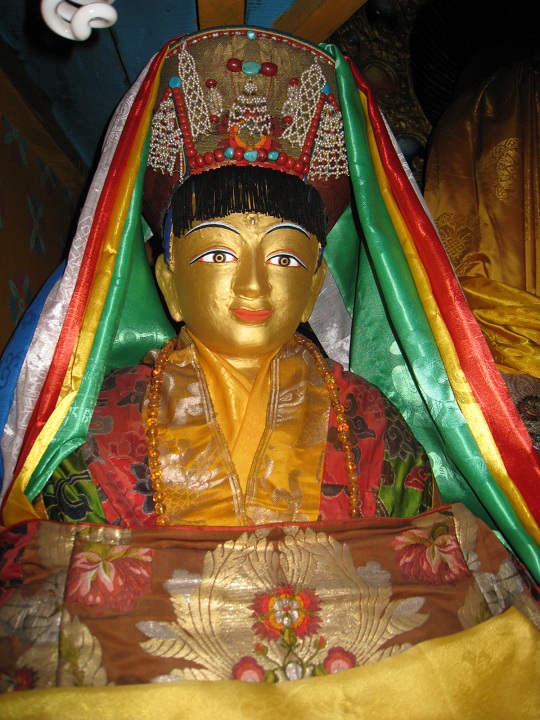
Jetsun Milarepa
(རྗེ་བཙུན་མི་ལ་རས་པ)
Tibet's supreme poet-saint and yogi who transformed from a remorseful practitioner of black magic into an enlightened master, singing 'The Hundred Thousand Songs of Milarepa'.
Abu Muhammad Abd al-Jabbar Ibn Hamdis
(عبد الجبار بن أبي بكر بن حمديس الصقلي)
Celebrated Arab-Sicilian poet who fled Norman conquest and spent his golden creative years at the Hammadid court of Bejaïa, where he died in 1133.
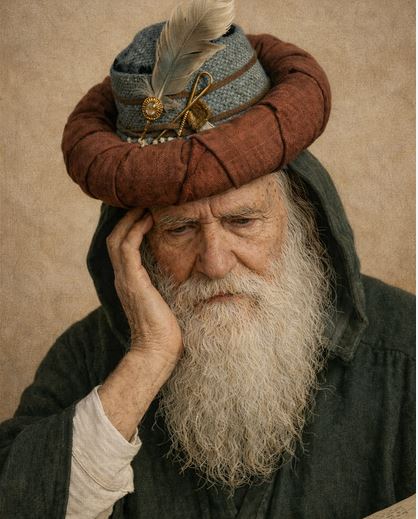
Omar Khayyam
 (عمر خیام نیشابوری)
Persian polymath who geometrically solved cubic equations using intersecting conics, designed the ultra-precise Jalali solar calendar, and penned the world-famous Rubaiyat.
Sanai of Ghazna
 (سنایی غزنوی)
Trailblazing Persian poet of the Ghaznavid era who pioneered the mystical didactic masnavi form with his monumental 'Hadiqat al-Haqiqa'.
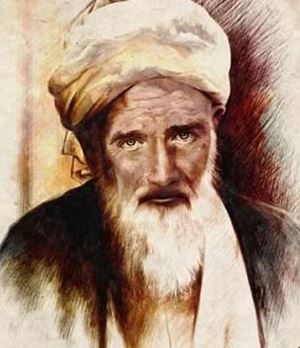
Abu al-Majd Majdud ibn Adam Sanai
(سنایی غزنوی)
Pioneering Persian poet and mystic whose 'Hadiqat al-Haqiqa' (The Walled Garden of Truth) was the first major mystical masnavi, directly inspiring Attar and Rumi.
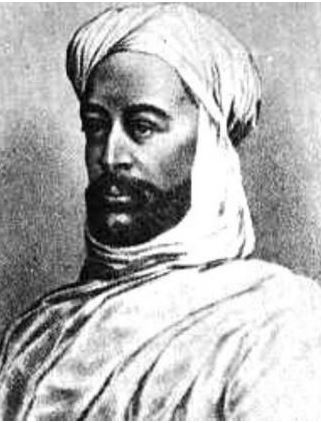
Al-Mahdi ibn Tumart
 (محمد بن تومرت (المهدي))
Masmuda Berber religious reformer who studied in Baghdad under Al-Ghazali, proclaimed himself the Mahdi, authored the theology of Tawhid (Divine Unity), and founded the Almohad revolution in Tinmel.
Abu al-Walid Muhammad ibn Rushd (The Grandfather)
(أبو الوليد محمد بن أحمد بن رشد (الجد))
The illustrious grandfather of philosopher Averroes, Chief Justice (Qadi al-Qudat) of the Almoravid Empire, author of the monumental 20-volume legal compendium 'Al-Bayan wa-l-Tahsil'.
Ali ibn Inal
(علي بن ينال اللمتوني)
Almoravid governor of Granada who fortified the Alhambra citadel and led the defense of southern Andalusia against King Alfonso I of Aragon.