Public Figures & Cultural Luminaries
Filterable archive covering centuries of intellectual, artistic, and moral contributions to the human story.
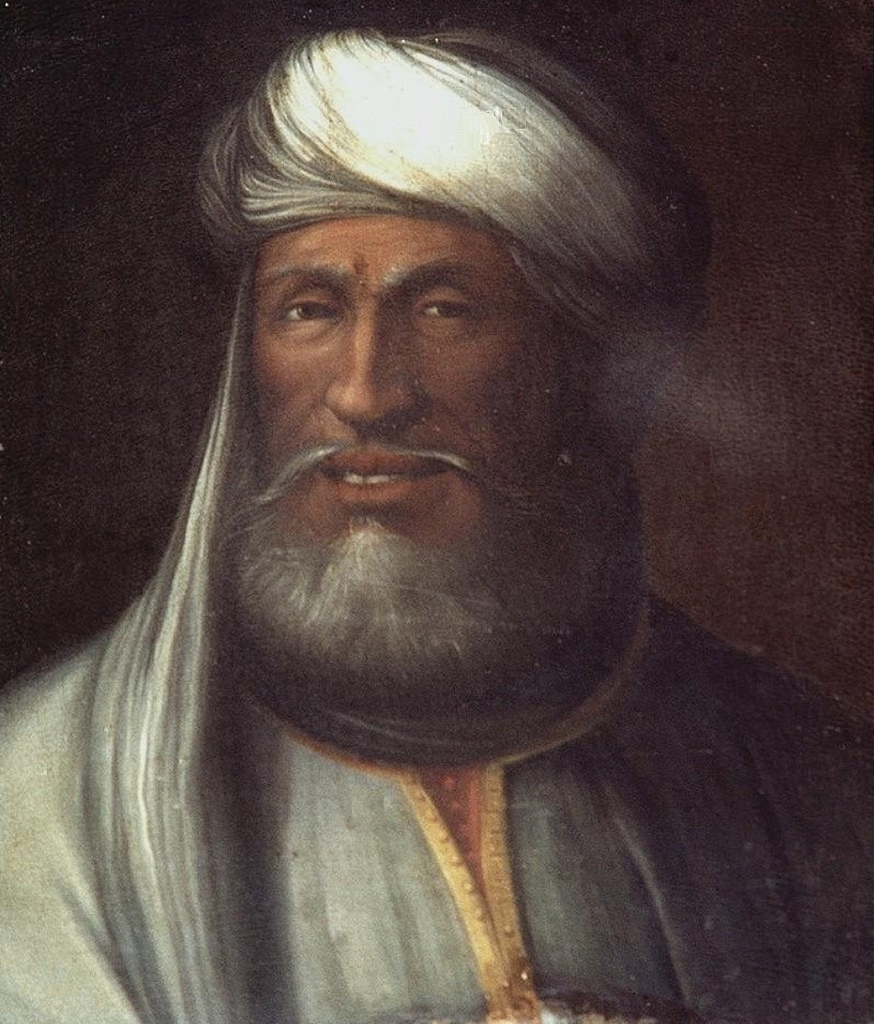
Ahmad al-Araj
 (أحمد الأعرج السعدي)
Elder Saadian prince who captured Marrakesh in 1524, making it the capital of the emerging dynasty and liberating the Atlantic coastlines from European dominance.
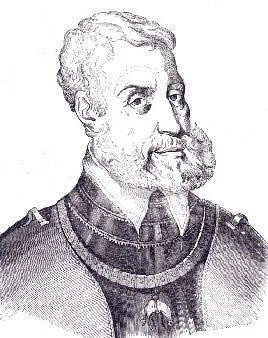
Hasan Corso
 (حسن كورسو)
Corsican-born commander who was adopted by Salah Reis, rose to Agha of the Janissaries, and was elected governor by the people and garrison of Algiers in 1556.
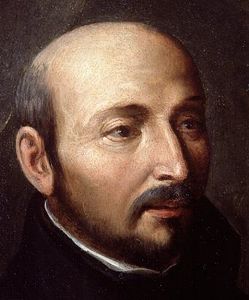
Íñigo López de Loyola
 (Íñigo López de Loyola)
Spanish Basque knight, founder of the Society of Jesus (Jesuits), and author of the 'Spiritual Exercises' who transformed global Catholic mission, education, and spirituality.
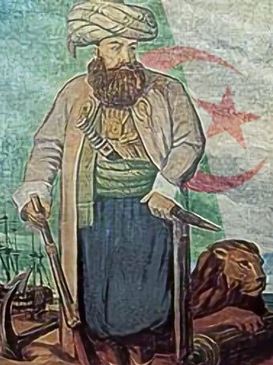
Salah Reis
 (صالح ريس)
Legendary naval admiral and Beylerbey of Algiers (1552–1556) who commanded Hayreddin Barbarossa's right wing at the Battle of Preveza and expelled Spanish forces from Peñón de Vélez.
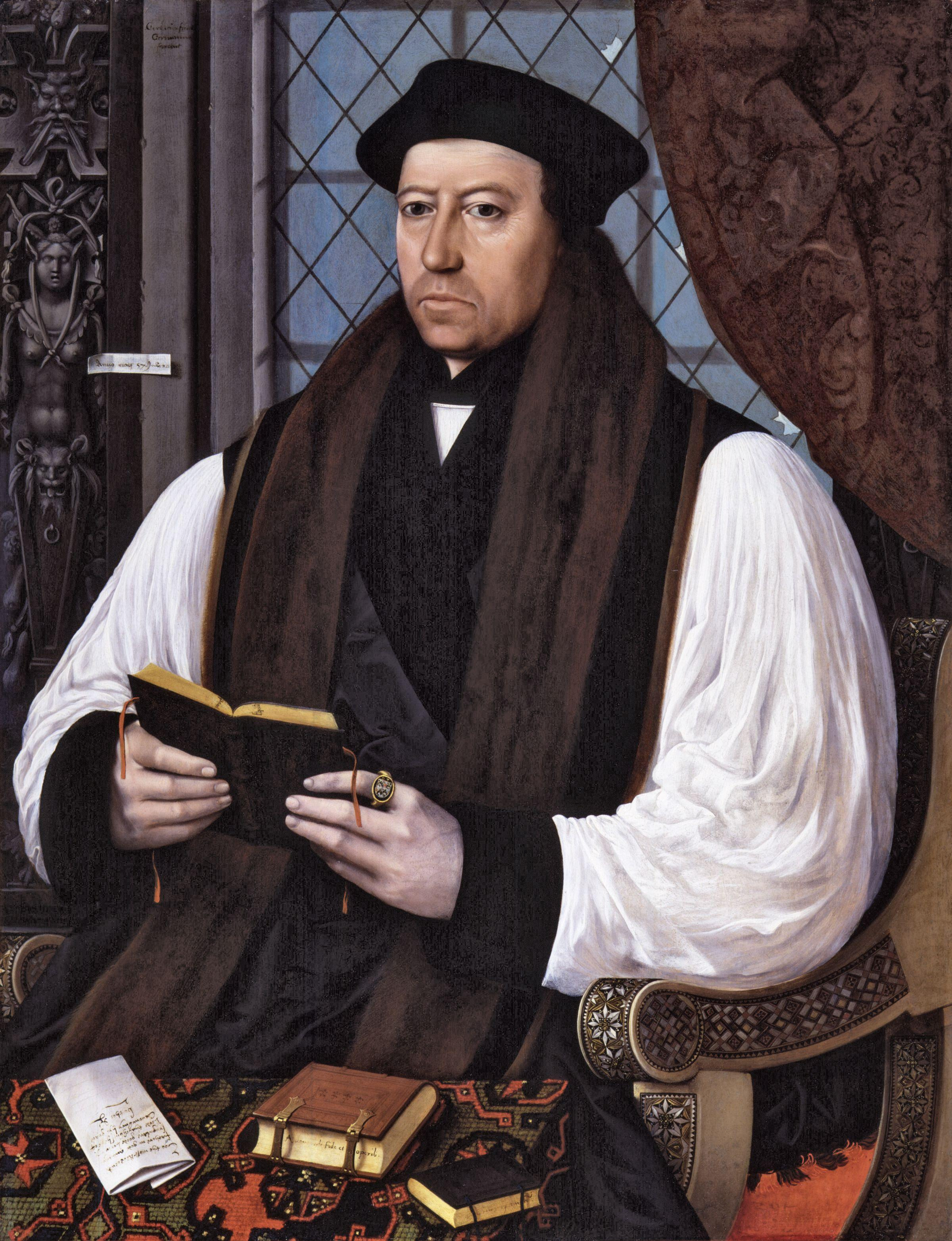
Thomas Cranmer
 (Thomas Cranmer)
Archbishop of Canterbury under Henry VIII and Edward VI, chief architect of the English Reformation, and compiler of the immortal 'Book of Common Prayer'.
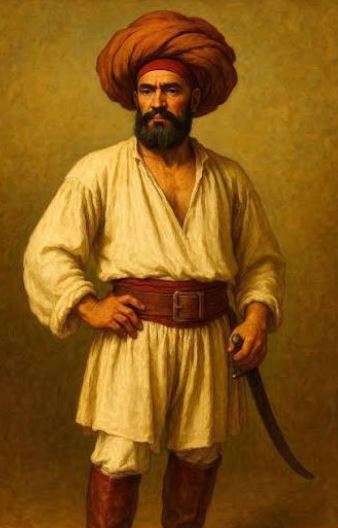
Salah Rais
(صالح ريس)
Famed 16th-century naval strategist and Dey of Algiers who expanded Algerian sovereign territory across the Sahara and defeated Portuguese and Spanish fleets across North Africa.
Gemma Frisius
 (Gemma Frisius)
Pioneering mathematician, astronomer, and instrument-maker at the University of Leuven who invented surveying by triangulation and was the first to propose using clocks to determine longitude at sea.
Abu al-Hasan Ali Abu Hassun
(أبو حسون علي الوطاسي)
The last fighting Wattasid ruler, who escaped Saadian captivity, secured Ottoman military backing from Salah Rais in Algiers, recaptured Fez in 1554, and died in battle at Tadla.
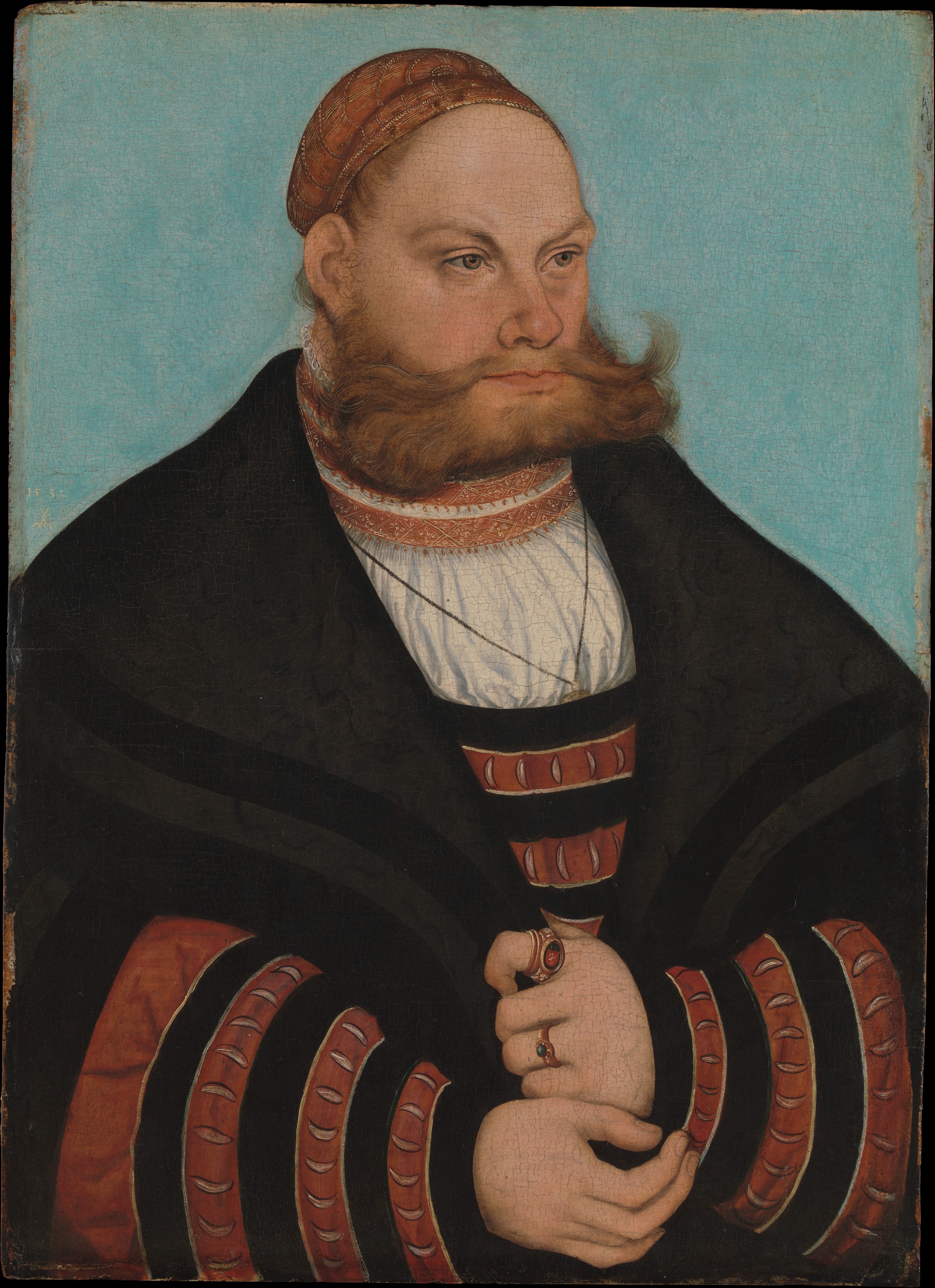
Lucas Cranach the Elder
 (Lucas Maler / Lucas Cranach der Ältere)
Leading German Renaissance master and official artist of the Protestant Reformation, close ally of Martin Luther.
François Rabelais (Alcofribas Nasier)
(François Rabelais)
French Renaissance giant, physician, and humanist whose colossal satirical novels Gargantua and Pantagruel revolutionized world prose with boundless comedic exuberance, grotesque body humor, and the utopian humanist creed 'Do as thou wilt'.
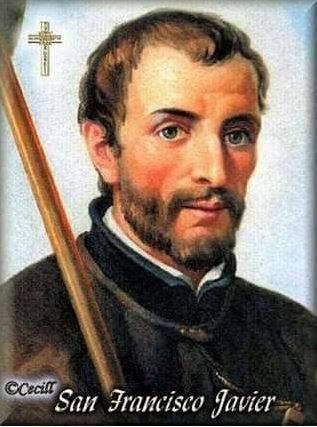
Francisco de Jasso y Azpilicueta
(Francisco de Javier)
Navarrese co-founder of the Jesuits and supreme missionary of the early modern era who baptized tens of thousands across India, the Moluccas, and Japan.
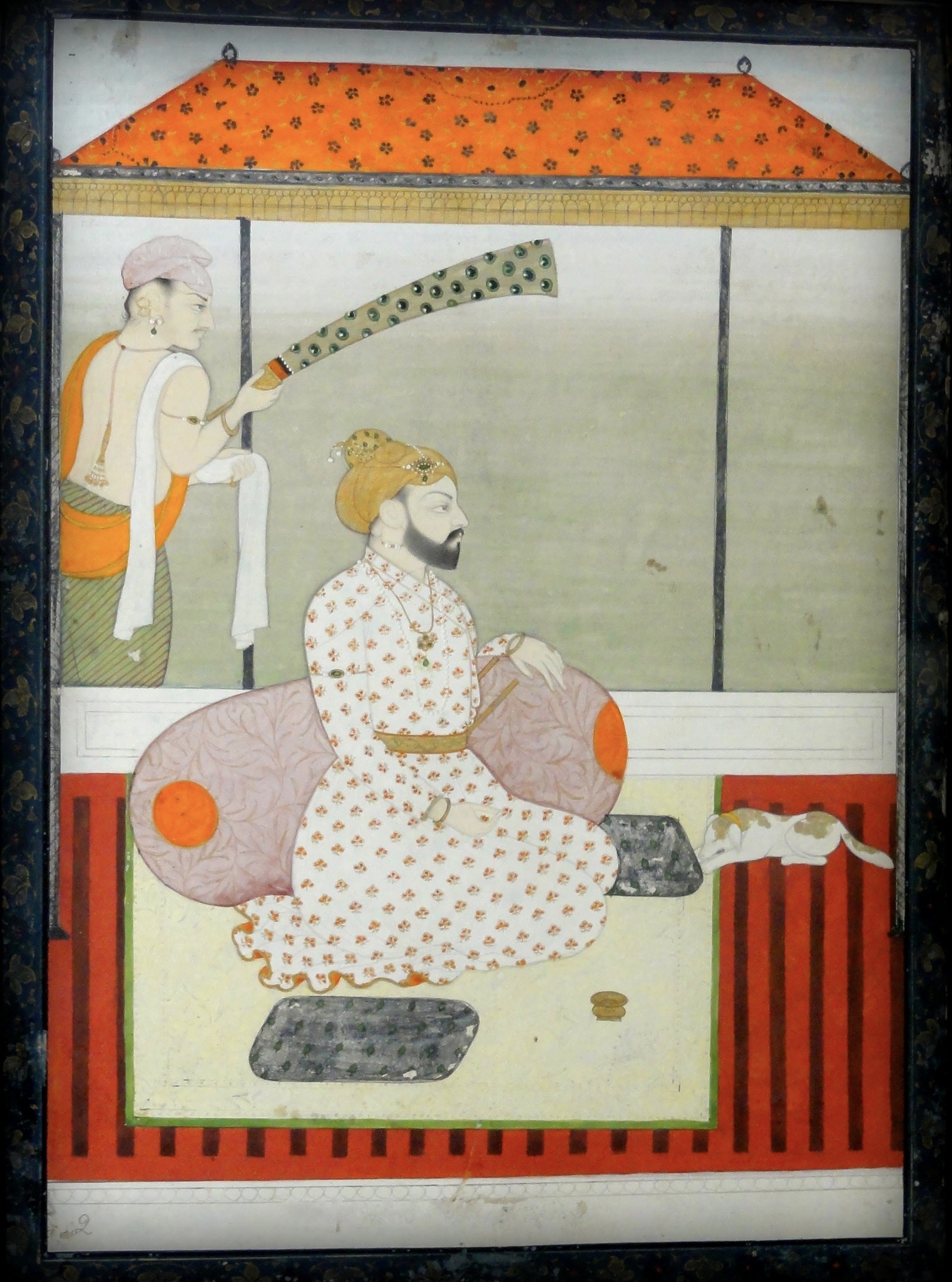
Guru Angad Dev Ji (Second Sikh Guru & Master of Gurmukhi)
 (ਗੁਰੂ ਅੰਗਦ ਦੇਵ ਜੀ)
Originally named Bhai Lehna, Guru Angad became the second Sikh Guru after proving selfless devotion to Guru Nanak; he standardized and popularized the Gurmukhi script, opening education, scripture, and physical fitness to all castes.
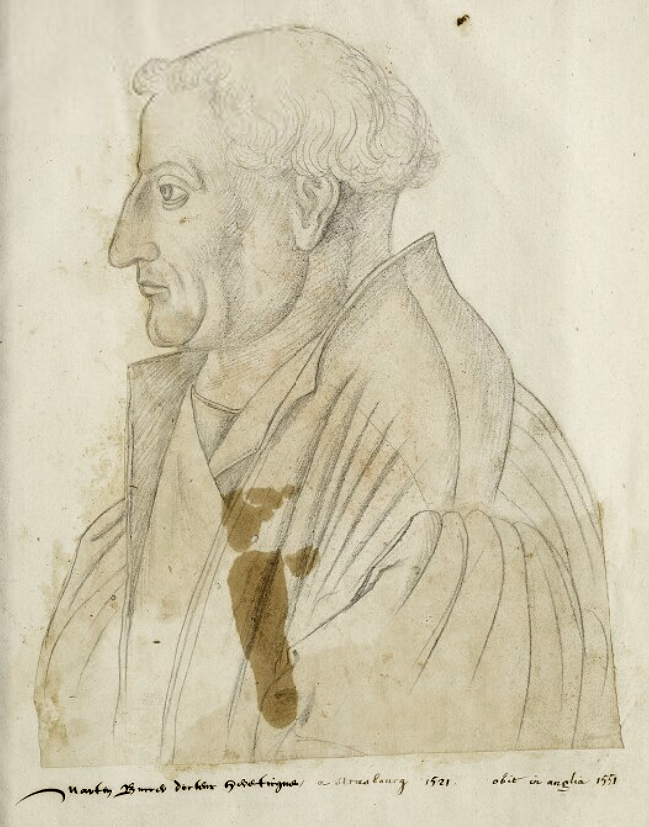
Martin Bucer
(Martin Butzer)
Pioneering Protestant reformer of Strasbourg whose tireless ecumenical diplomacy sought to reconcile Luther and Zwingli and who shaped the English Reformation under Edward VI.
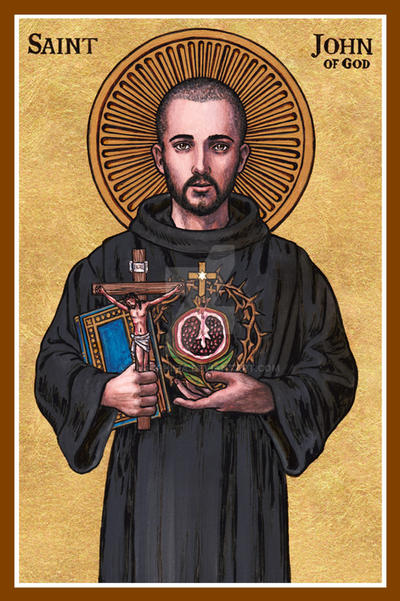
Saint John of God
 (João Cidade de Deus)
Fondateur portugais de l'Ordre des Frères Hospitaliers de Saint-Jean-de-Dieu, révolutionnaire des soins hospitaliers et du traitement digne des malades mentaux.
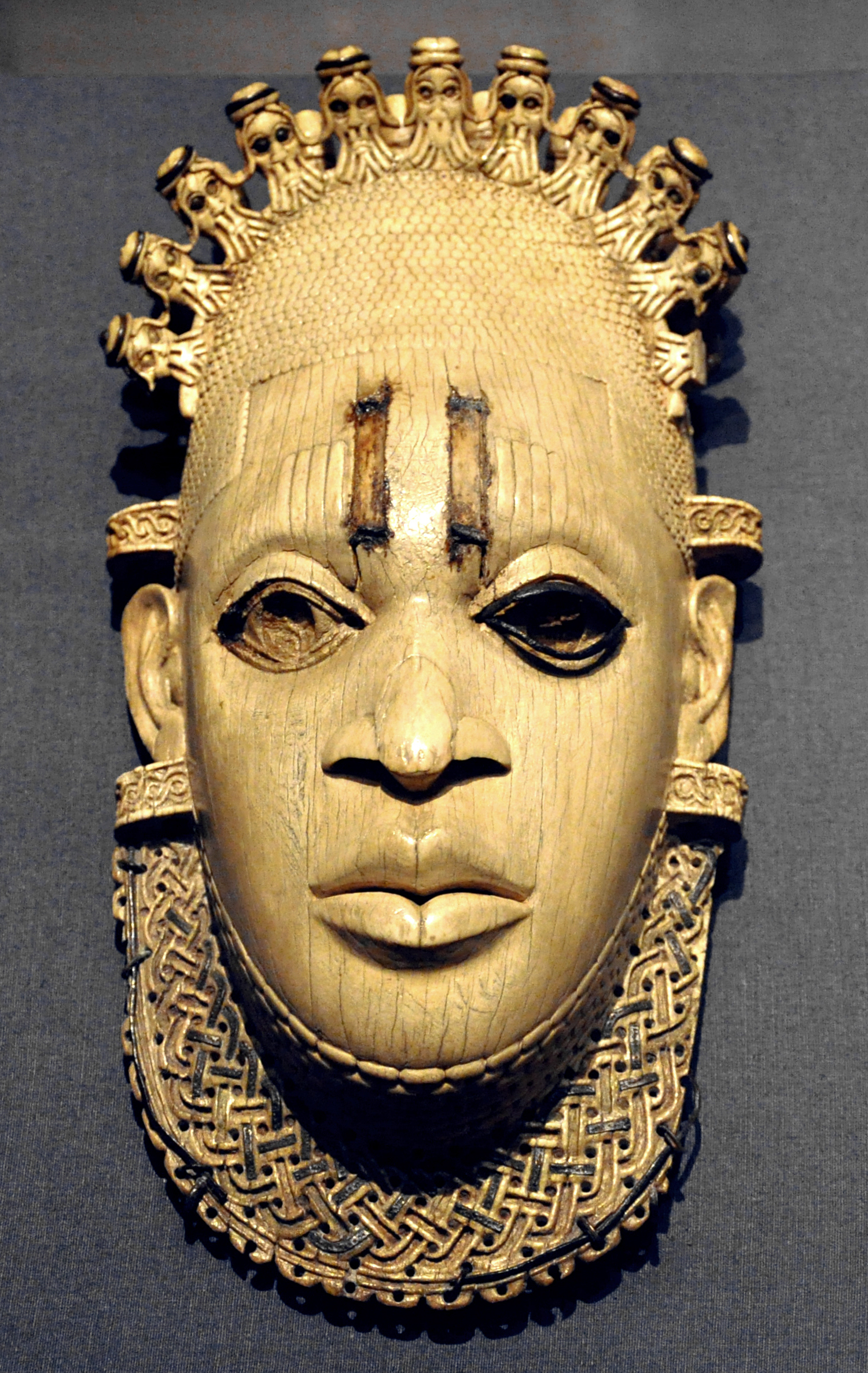
Queen Idia
 (Idia (First Iyoba of Benin))
Celebrated warrior queen and spiritual strategist of the Benin Empire, the first Iyoba (Queen Mother), immortalized worldwide by the famous 16th-century ivory pendant mask chosen as the symbol of FESTAC 77.
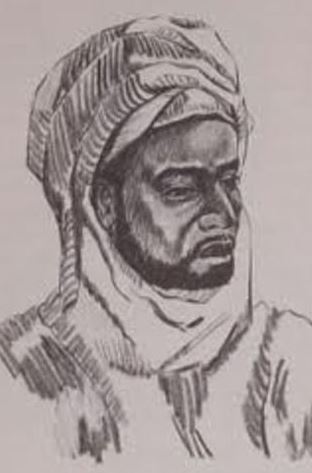
Askia Ishaq I (Askia Ishaq I (Ishaq ibn Muhammad))
Fifth monarch of the Askia dynasty of the Songhai Empire (reigned 1539–1549) who restored fiscal solvency, maintained strict central discipline, and famously repelled Moroccan demands for the lucrative Saharan salt mines of Taghaza.
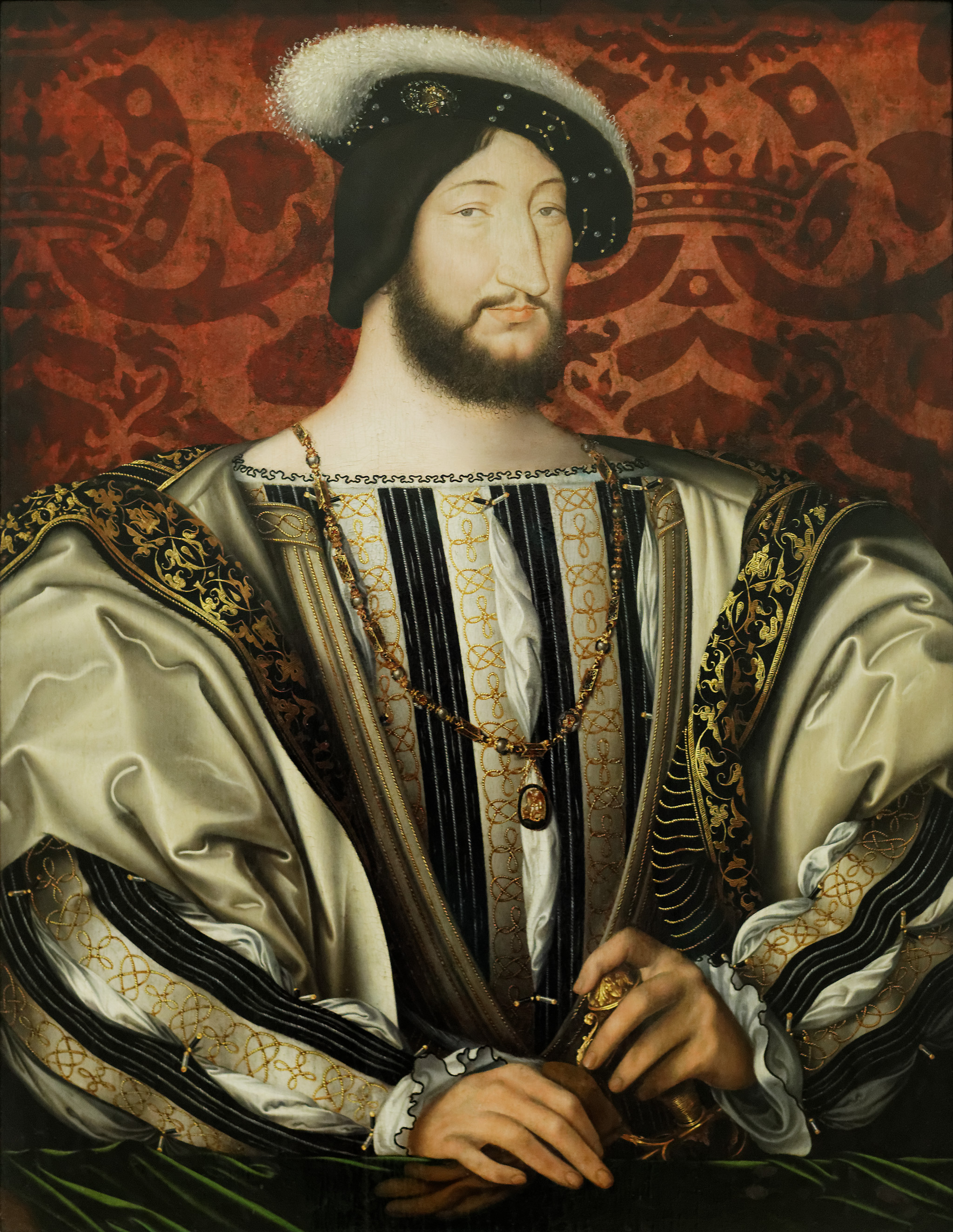
Francis I of France
(François Ier (Le Père et Restaurateur des Lettres))
French Renaissance monarch who patronized Leonardo da Vinci, constructed Chambord, and standardized the French language.
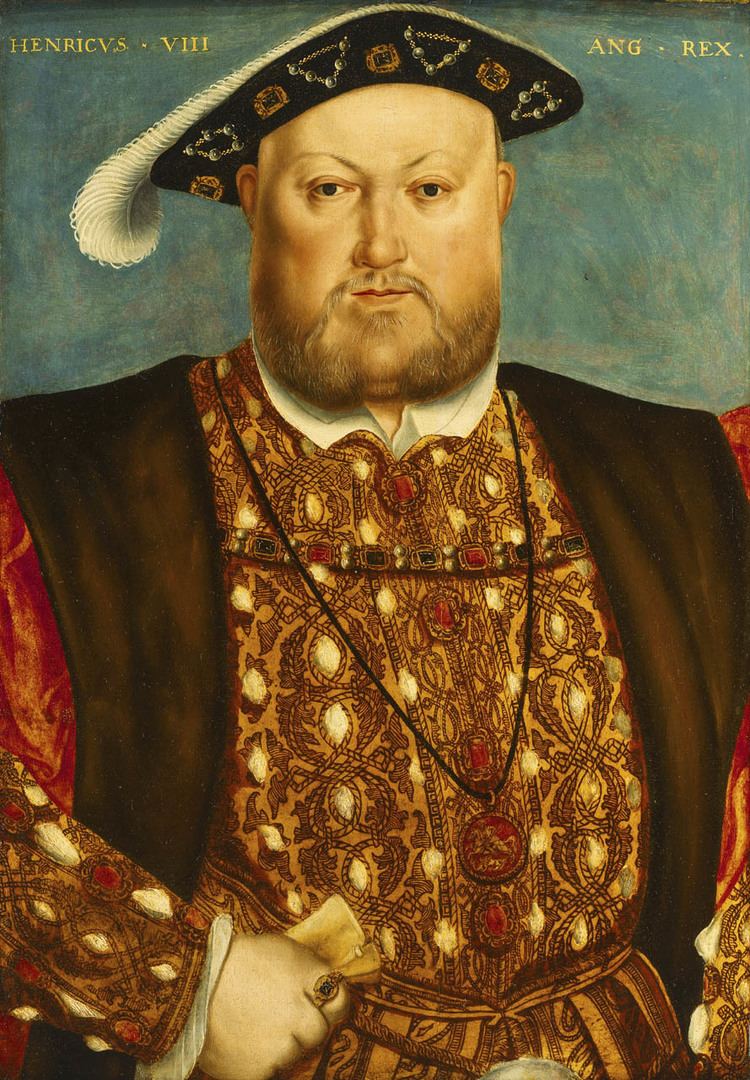
Henry VIII of England
(Henry Tudor)
Formidable Tudor monarch who broke with the Roman Catholic Church to establish the Church of England, and father of the Royal Navy.