 France
•
7 views
France
•
7 views
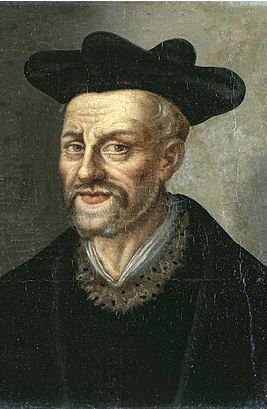
François Rabelais (Alcofribas Nasier)

Chinon (Touraine), France
Archival Overview
French Renaissance giant, physician, and humanist whose colossal satirical novels Gargantua and Pantagruel revolutionized world prose with boundless comedic exuberance, grotesque body humor, and the utopian humanist creed 'Do as thou wilt'.
Biographical Record
François Rabelais (c. 1494–1553), who began his career as a Franciscan and Benedictine monk before studying medicine at Montpellier to become one of France's leading physicians, embodied the voracious intellectual awakening of the Renaissance. Writing under the anagrammatic pseudonym *Alcofribas Nasier*, Rabelais unleashed the epic adventures of the giants Gargantua and his son Pantagruel.
His works exploded academic scholasticism and religious fanaticism with carnivalesque laughter, linguistic invention, and ribald tavern humor. Yet beneath the comedy lay serious Erasmian humanism, best exemplified by the utopian Abbey of Thélème, whose sole rule was: Fay çe que vouldras ('Do what thou wilt')—founded on the conviction that educated, virtuous human beings naturally choose righteous action when free.
Key Life Milestones
Publication of Pantagruel in Lyon
Published his first satirical masterpiece under the anagram Alcofribas Nasier, creating an instant sensation.
Publication of Gargantua & The Abbey of Thélème
Introduced the giant Gargantua and the famous humanist Abbey of Thélème with its rule 'Fay çe que vouldras'.
Memorial Guestbook & Tributes
0 messages recordedLeave a Respectful Tribute
Final Resting Place
Perpetual MemorialParis, France