Public Figures & Cultural Luminaries
Filterable archive covering centuries of intellectual, artistic, and moral contributions to the human story.
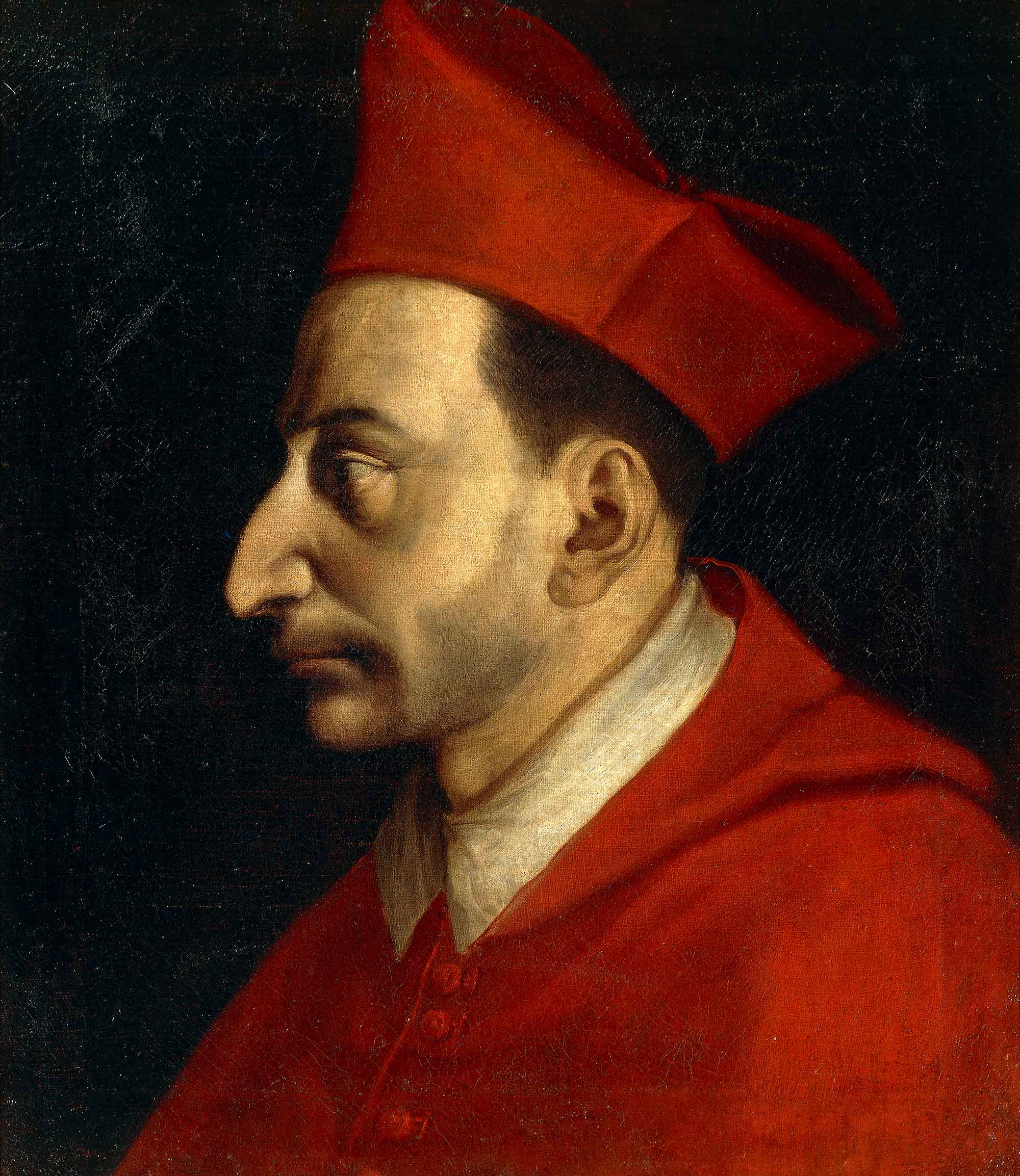
Carlo Borromeo
 (Carlo Borromeo)
Archbishop of Milan, cardinal, and leading figure of the Catholic Counter-Reformation who finalized the Council of Trent and fearlessly nursed plague victims in Milan.
Jacques du Broeucq
 (Jacques du Broeucq)
Pioneering Renaissance sculptor and architect who introduced High Renaissance classicism to the Low Countries, serving Queen Mary of Hungary and mentoring Giambologna.
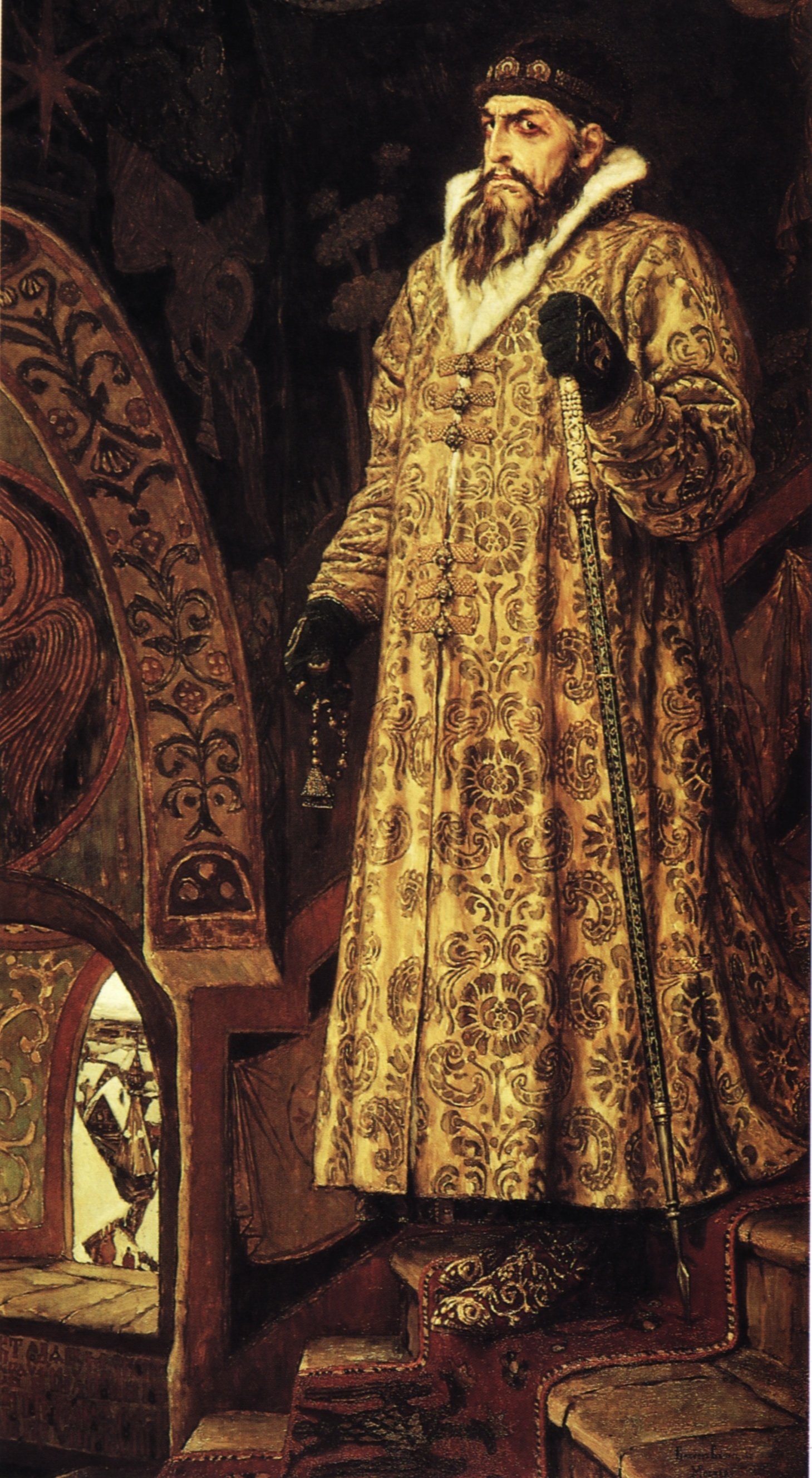
Ivan IV of Russia (Ivan the Terrible)
 (Иван IV Васильевич (Иван Грозный))
First crowned Tsar of all Russia who conquered the Khanates of Kazan and Astrakhan, opening Siberia and building Saint Basil's Cathedral.
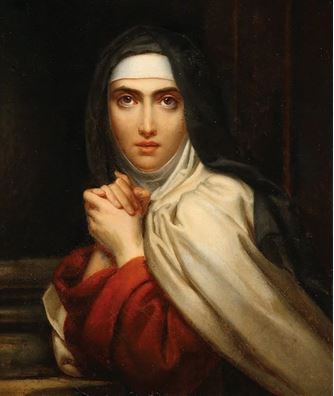
Teresa of Ávila (Saint Teresa of Jesus)
 (Teresa Sánchez de Cepeda y Ahumada)
Spanish mystic, monastic reformer, and the first woman proclaimed a Doctor of the Church. Overcame institutional opposition to found the Discalced Carmelites and authored spiritual masterpieces including The Interior Castle.
Zhang Juzheng
 (張居正)
Greatest statesman of the Ming Dynasty; instituted the 'Single Whip Law' (Yitiao Bianfa) simplifying all taxes into single silver payments and restored Ming fiscal solvency.
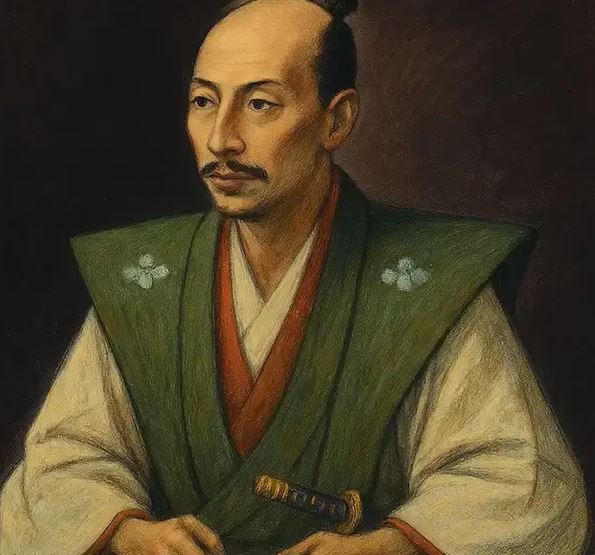
Oda Nobunaga (First Great Unifier of Japan)
 (織田 信長 (Oda Nobunaga))
The first of Japan's "Three Great Unifiers" of the Sengoku (Warring States) period. Overthrew the Ashikaga Shogunate, revolutionized samurai tactics with volley-fire matchlock firearms at the Battle of Nagashino, and dismantled feudal economic barriers.
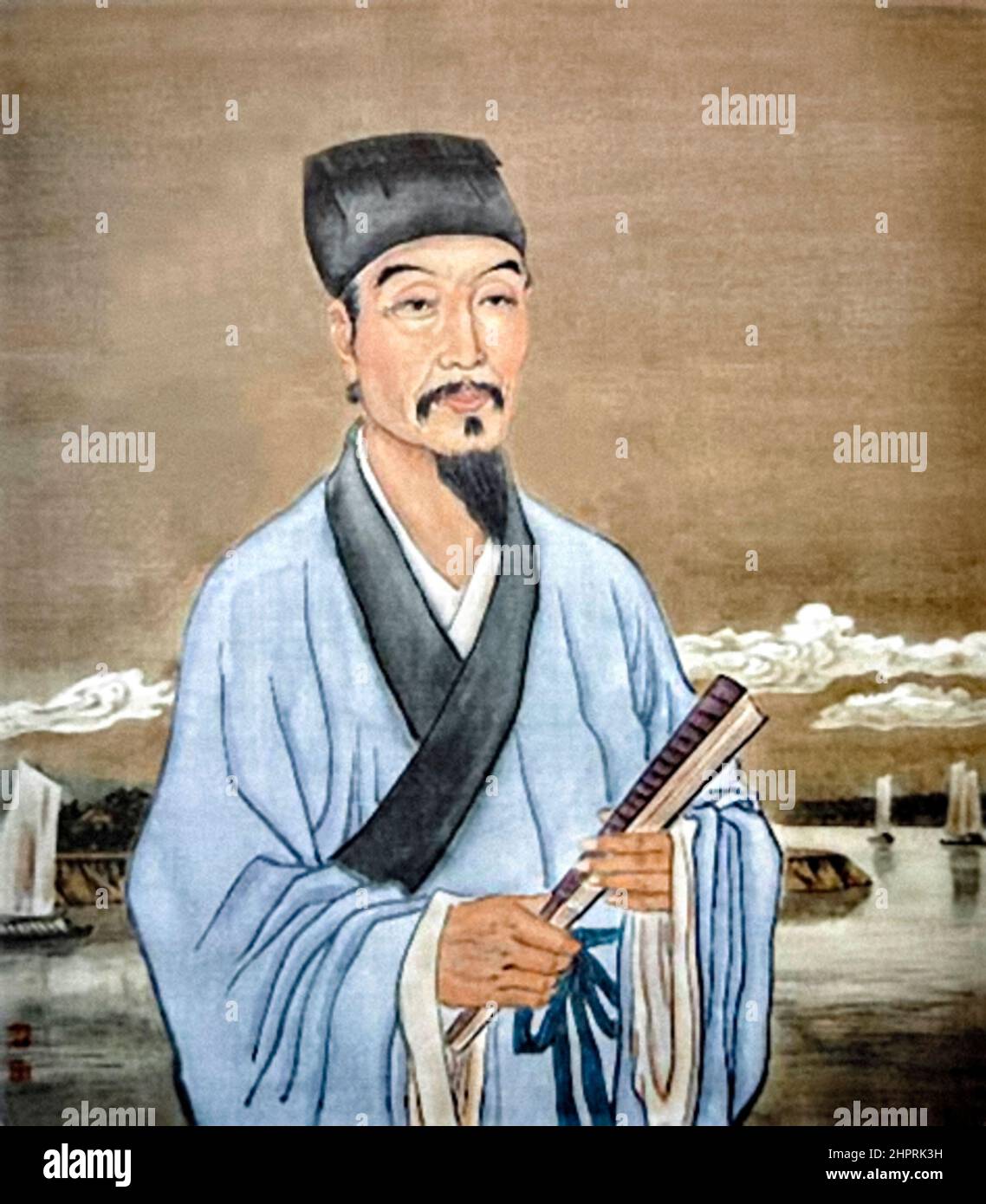
Wu Cheng'en
(吳承恩)
Ming dynasty novelist and poet widely attributed as the author of Journey to the West, the mythical fantasy immortalizing the Monkey King Sun Wukong.
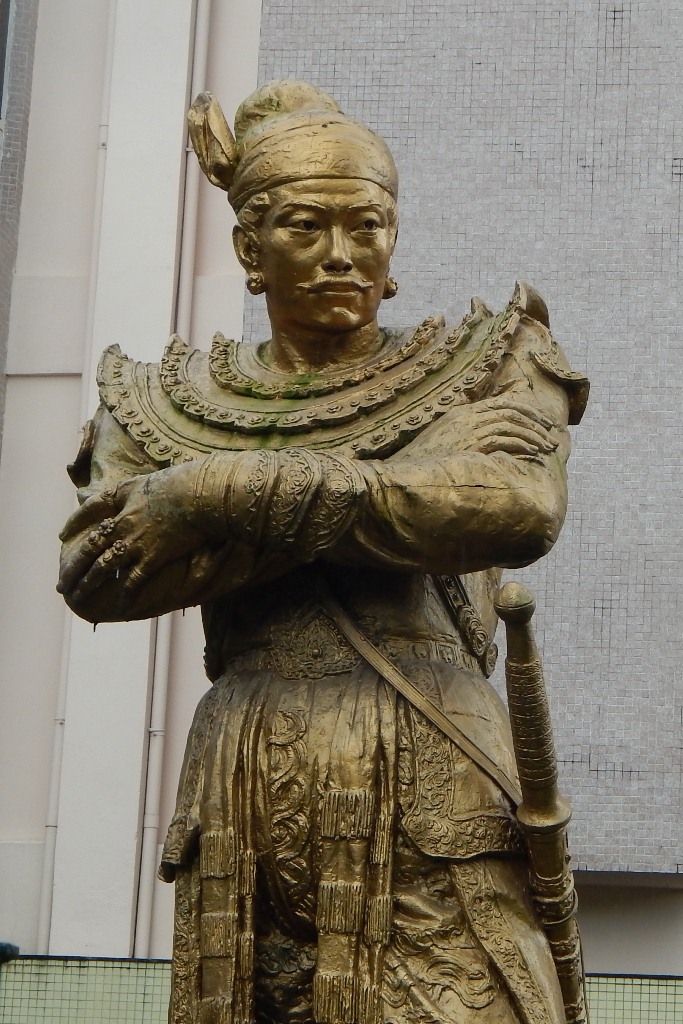
King Bayinnaung
 (ဘုရင့်နောင် ကျော်ထင်နော်ရထာ)
Third king of the Toungoo Dynasty who assembled the largest empire in the history of Southeast Asia, conquering Siam, Lan Na, and Lan Xang (Laos) across three decades of military campaigns.
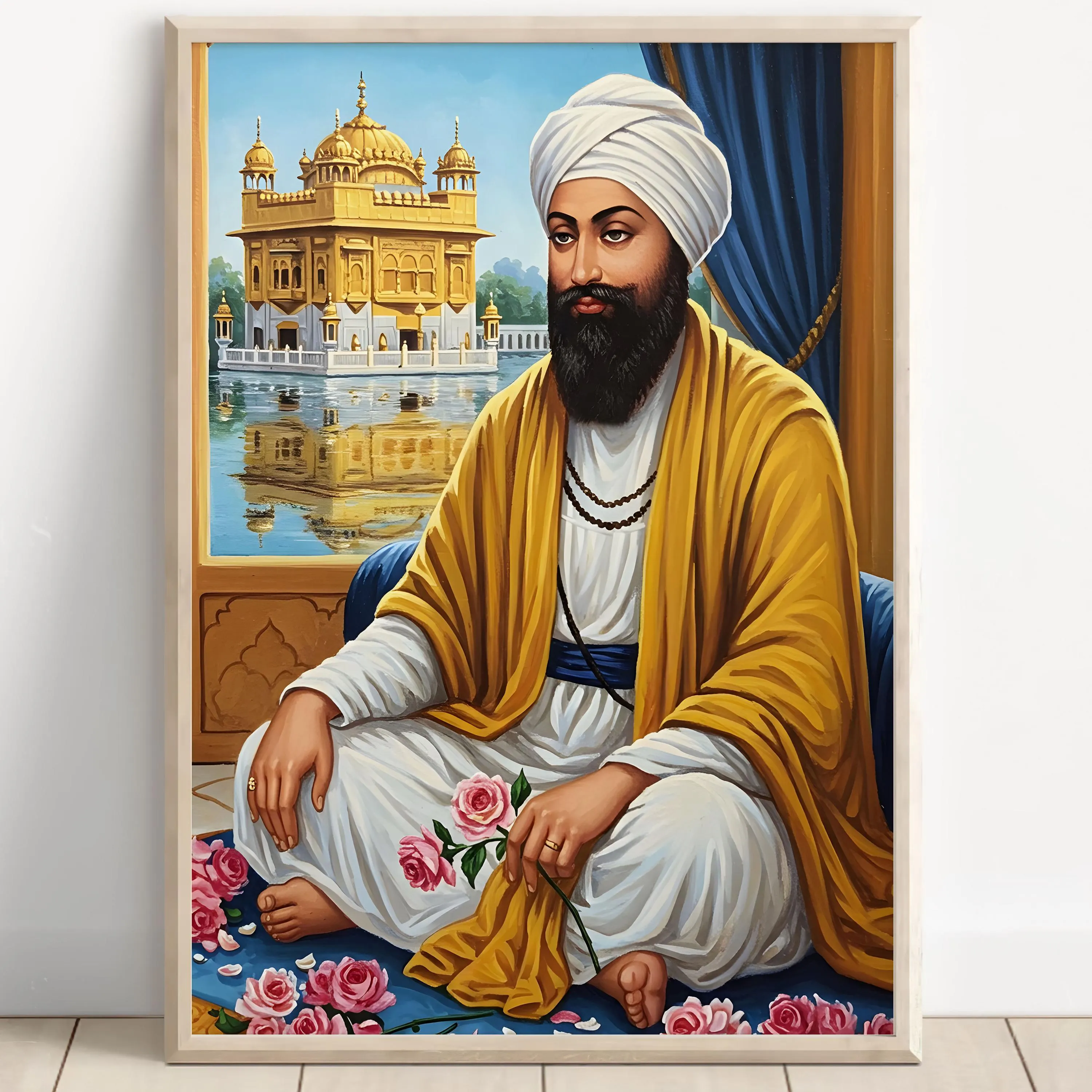
Guru Ram Das Ji (Fourth Sikh Guru & Founder of Amritsar)
 (ਗੁਰੂ ਰਾਮ ਦਾਸ ਜੀ)
Born as an impoverished orphan selling boiled chickpeas in Lahore, Bhai Jetha rose through immaculate humility to become Guru Ram Das; he founded the holy city of Amritsar (Ramdaspur) and composed the four sacred stanzas of the Sikh marriage covenant.
Alexander Utendal
(Alexander Utendal)
Flemish Renaissance composer and Kapellmeister to Archduke Ferdinand II of Austria at Innsbruck, celebrated for expressive penitential psalms and innovative contrapuntal motets.
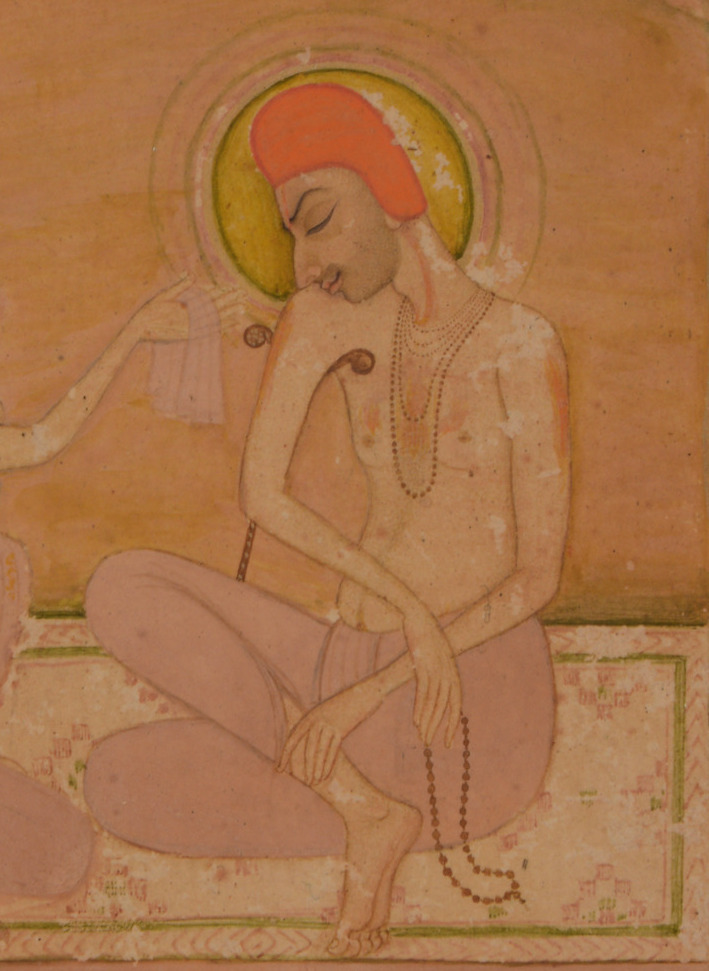
Surdas
 (सूरदास)
Sixteenth-century blind Hindu poet, musician, and Bhakti saint (1478–1581) whose lyrical devotional hymns in 'Sur Sagar' immortalized the childhood and divine love of Krishna in the Braj Bhasha dialect.
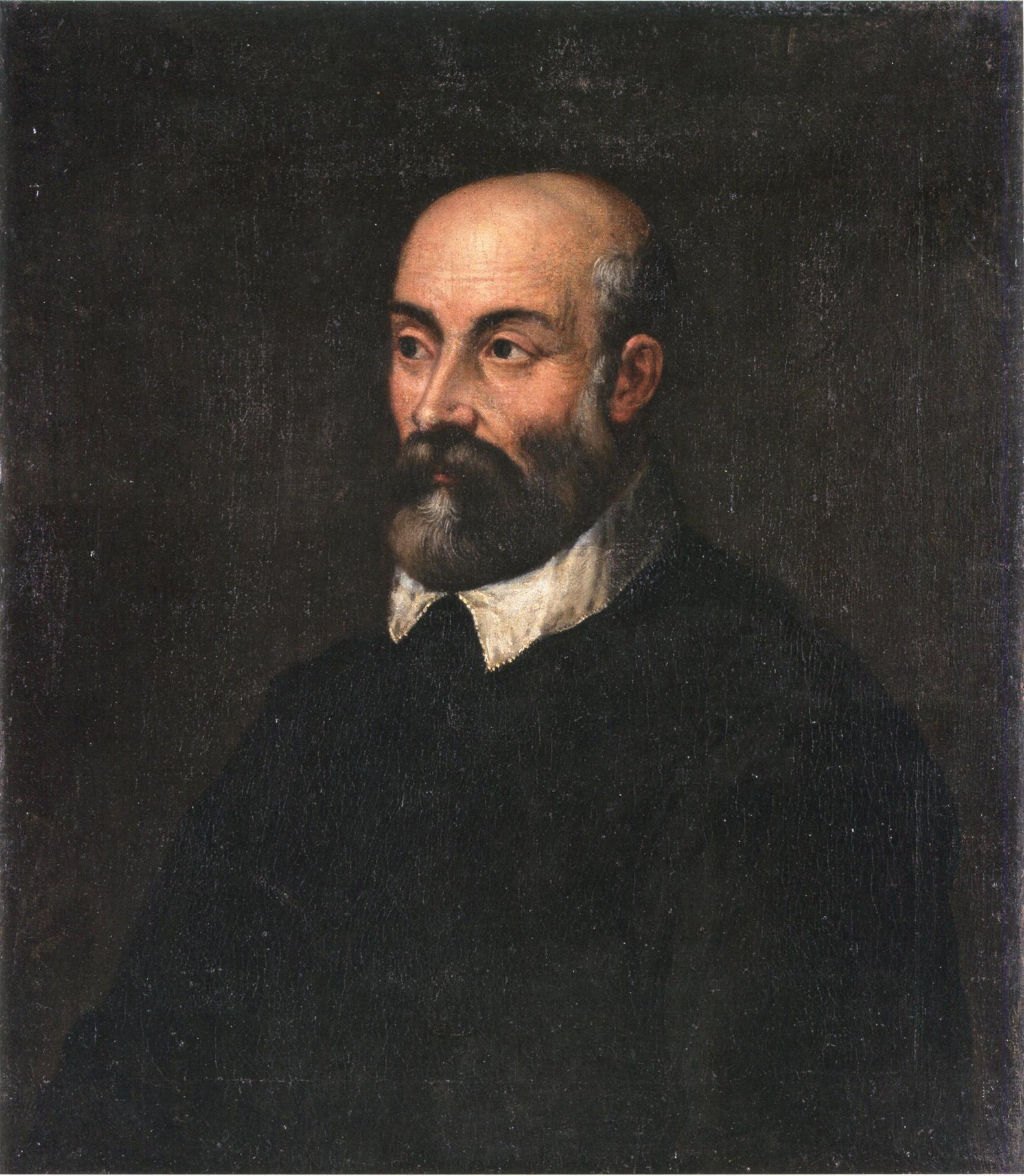
Andrea di Pietro della Gondola
(Andrea Palladio)
Most influential architect in Western history whose 'The Four Books of Architecture' and harmonious villas (Villa Capra 'La Rotonda') created worldwide Palladianism.
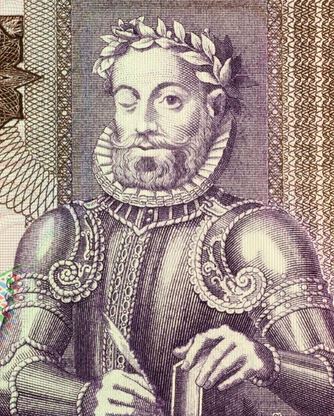
Luís Vaz de Camões
 (Luís de Camões)
Portugal's supreme national poet and adventurer who lost his right eye in battle in Ceuta, composing the monumental national epic Os Lusíadas (The Lusiads) in ten cantos celebrating Vasco da Gama's oceanic route to India.
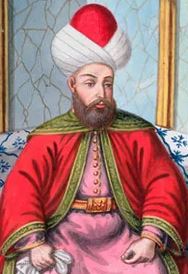
Sokollu Mehmed Pasha
 (Mehmed-paša Sokolović)
De facto ruler during the Ottoman Golden Age whose exceptional administrative mastery preserved imperial strength through dynastic transitions.
Pierre Lescot
 (Pierre Lescot)
Pioneering French Renaissance architect who introduced pure classical Roman proportions to Paris, designing the iconic Lescot Wing of the Louvre Palace and the Fontaine des Innocents in collaboration with Jean Goujon.
Abu Abdallah Muhammad II al-Mutawakkil
 (محمد المتوكل السعدي المسلوخ)
Saadian sultan who was deposed by his uncle Abd al-Malik and allied with King Sebastian of Portugal, drowning during the fateful Battle of the Three Kings (Wadi al-Makhazin) in 1578.
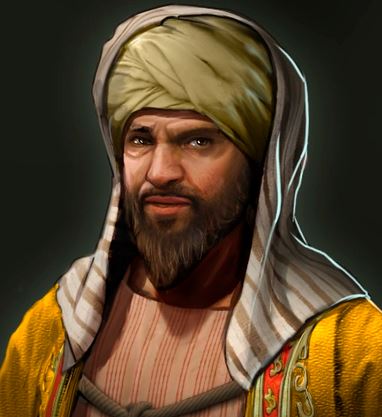
Abu Marwan Abd al-Malik I
(عبد الملك الأول السعدي)
Brilliant Saadian Sultan who personally commanded the Moroccan army to its epochal victory at the Battle of the Three Kings (Alcácer Quibir) in 1578, altering European and African history.
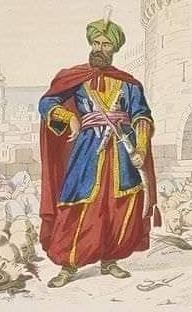
Ramadan Pasha
(رمضان باشا)
Pasha of Algiers (1574–1577) who played a pivotal role in the final recapture of Tunis and La Goulette from the Spanish Empire in 1574 alongside Uluj Ali.