Public Figures & Cultural Luminaries
Filterable archive covering centuries of intellectual, artistic, and moral contributions to the human story.
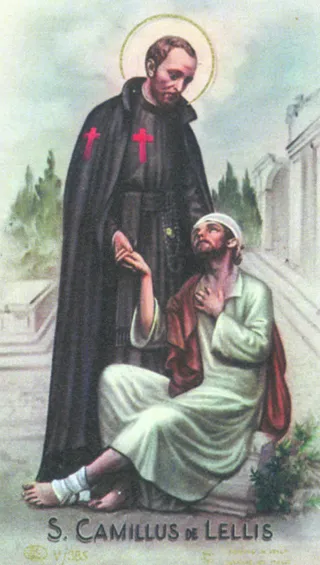
Saint Camillus de Lellis
 (Camillo de Lellis)
Prêtre italien et saint, fondateur de l'Ordre des Camilliens, inventeur des premières ambulances de guerre et pionnier de l'utilisation de la croix rouge sur les champs de bataille.
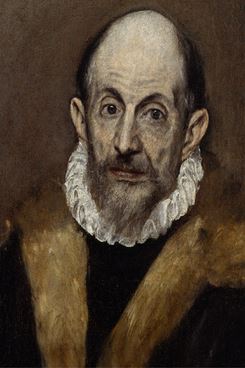
El Greco
 (Doménikos Theotokópoulos / Δομήνικος Θεοτοκόπουλος)
Visionary master of the Spanish Renaissance whose elongated figures and dramatic acid colors anticipated Expressionism.
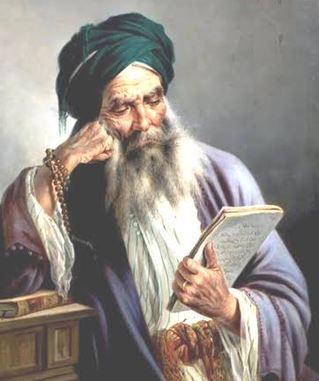
Ahmad ibn Abi Mahalli
 (أحمد بن عبد الله بن أبي محلي)
Formidable 16th-century southern Moroccan Sufi scholar, jurist, and social rebel whose religious writings condemned court corruption and who governed Marrakesh from 1610 to 1613.
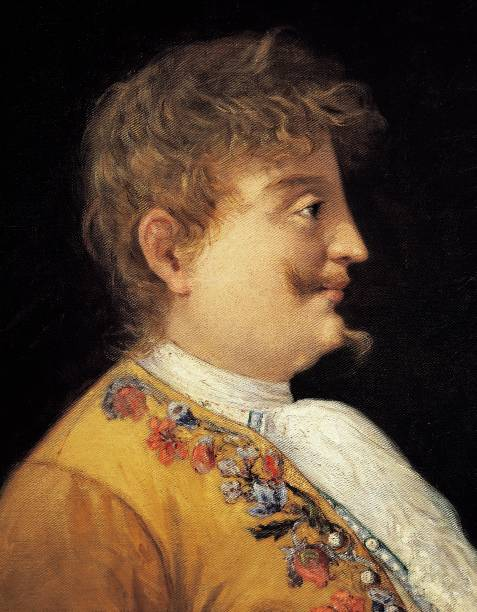
Carlo Gesualdo
(Carlo Gesualdo di Venosa)
Italian Renaissance nobleman and composer whose radical, intensely chromatic madrigals and sacred responsories anticipated modern harmony by three centuries.
Henri Membertou
 (Membertou)
Venerated Mi'kmaq Grand Chief who welcomed French settlers to Port Royal in 1605, entering into the historic 1610 Concordat with the Holy See.
Muhammad ibn Ali al-Hawzali
(محمد بن علي الهوزالي)
Distinguished scholar and judge of Taroudant who codified customary Berber tribal covenants within classical Maliki jurisprudence during the Saadian renaissance.
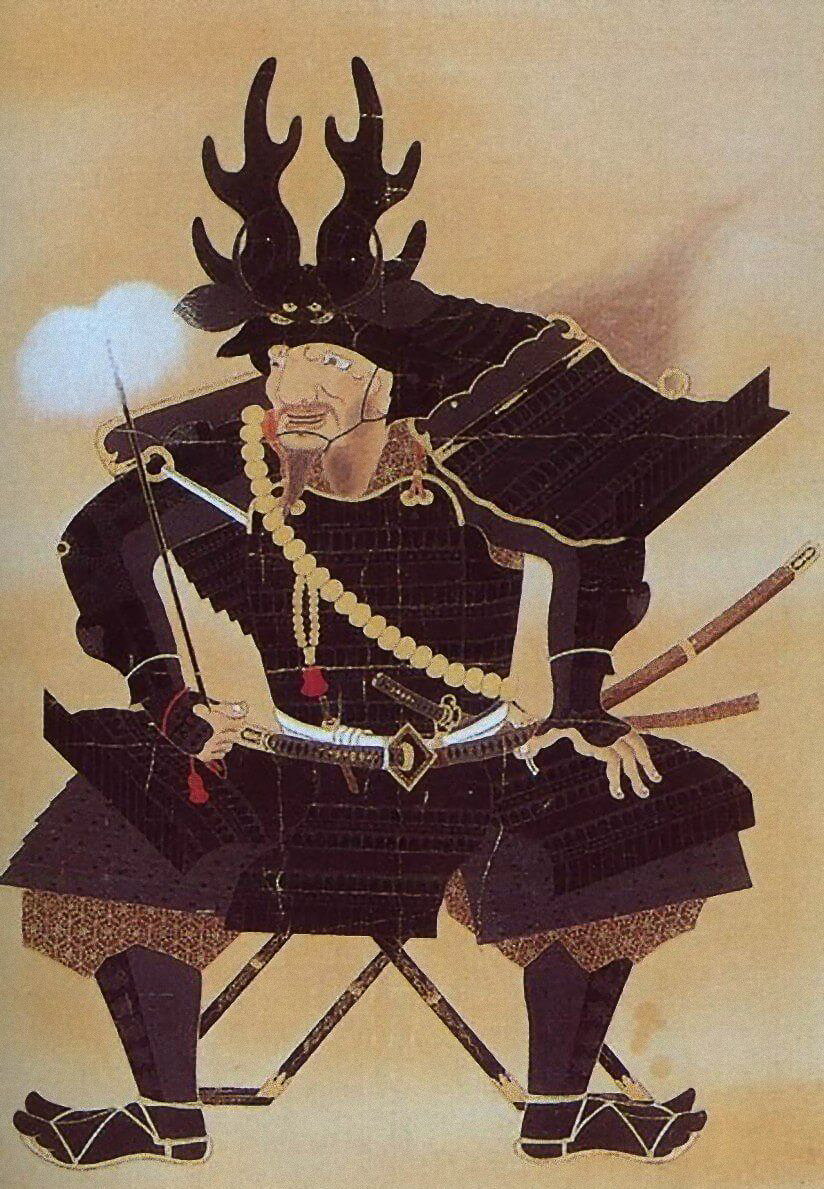
Honda Tadakatsu
 (本多 忠勝)
Fabled Japanese samurai warrior and general of Tokugawa Ieyasu, one of the 'Four Heavenly Kings of the Tokugawa', who fought in over fifty-seven battles without ever receiving a significant wound.
Jan Moretus
 (Jan Moretus)
Antwerp humanist scholar and printer who inherited the Officina Plantiniana from his father-in-law Christophe Plantin, expanding the publishing empire and publishing the seminal works of Justus Lipsius.
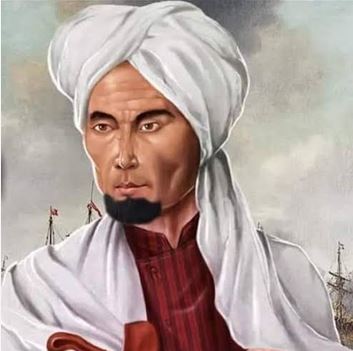
Uthman Dey
 (عثمان داي)
Dey of Tunis from 1598 to 1610 who transformed the city into an autonomous commercial power and generously welcomed over 50,000 Morisco refugees expelled from Spain in 1609.
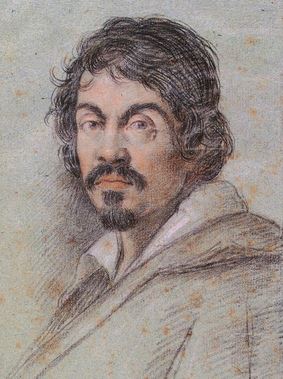
Michelangelo Merisi da Caravaggio
(Michelangelo Merisi)
Revolutionary Italian Baroque painter who electrified Europe by casting dramatic spotlight beams through pitch-black shadows (tenebrism) and depicting saints and martyrs with unsparing, gritty plebeian realism.
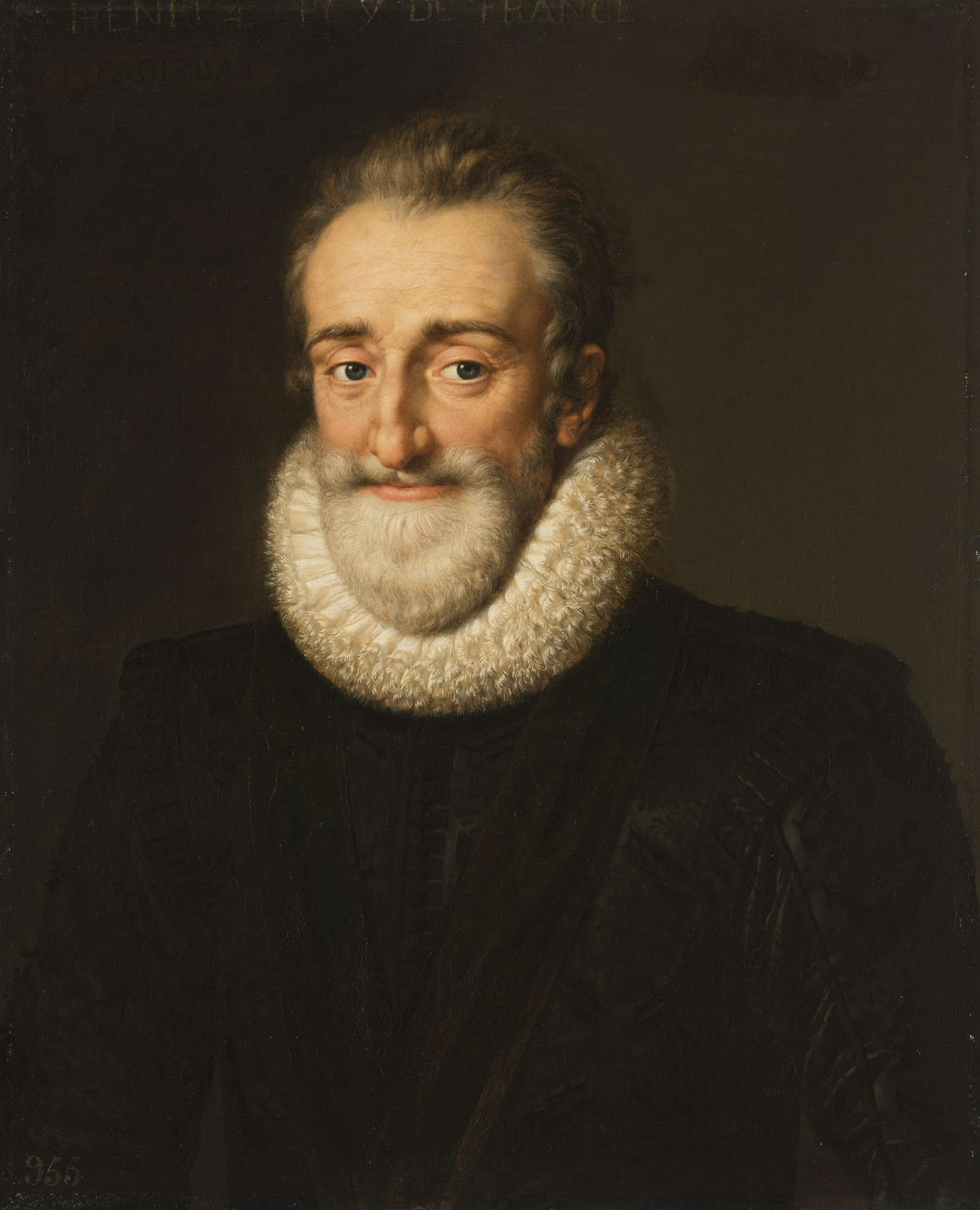
Henry IV of France (Good King Henry)
 (Henri IV (Le Vert Galant))
First Bourbon King of France who ended the Wars of Religion by issuing the Edict of Nantes and promised 'a chicken in every pot'.
Abu al-Abbas Ahmad al-Daqqun
(أحمد الدقون النجار)
Master Moroccan artisan and woodcarver who directed the execution of the intricate carved cedarwood ceilings and calligraphic stuccowork of the Saadian Tombs and El Badi Palace in Marrakech.
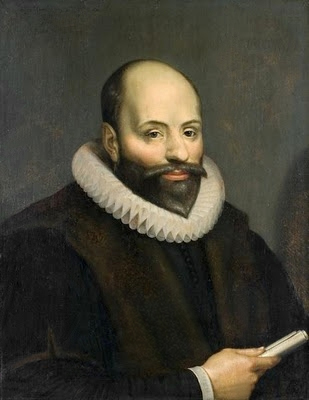
Jacobus Arminius
 (Jacobus Arminius)
Dutch Reformed theologian and professor at Leiden University whose challenge to strict Calvinist predestination founded Arminianism, affirming human free will and conditional election.
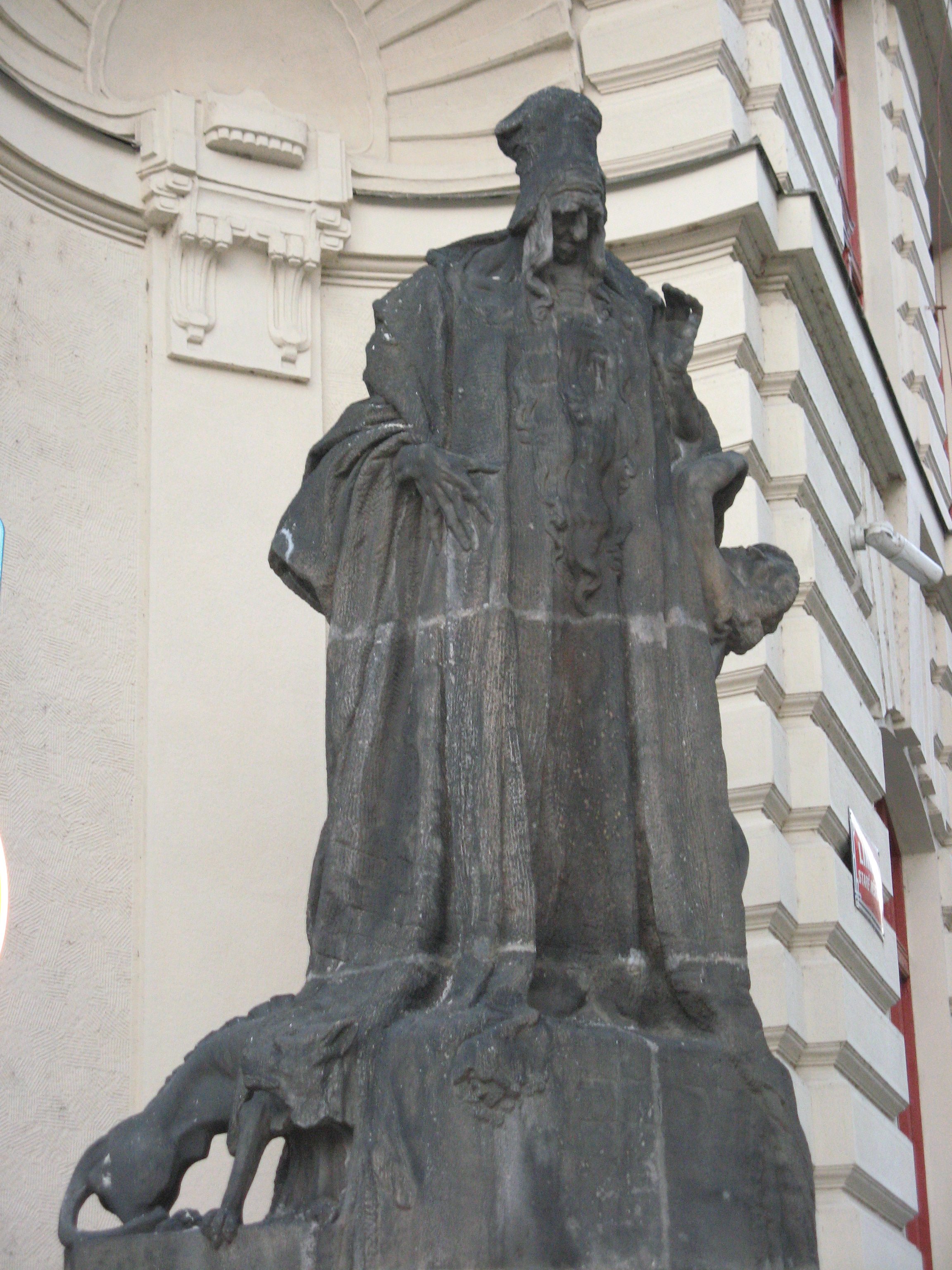
Judah Loew ben Bezalel
 (יהודה ליווא בן בצלאל)
Towering Central European talmudist, philosopher, and mystic legendary for the creation of the Golem and celebrated for his profound dialectical philosophy of Torah and nature.
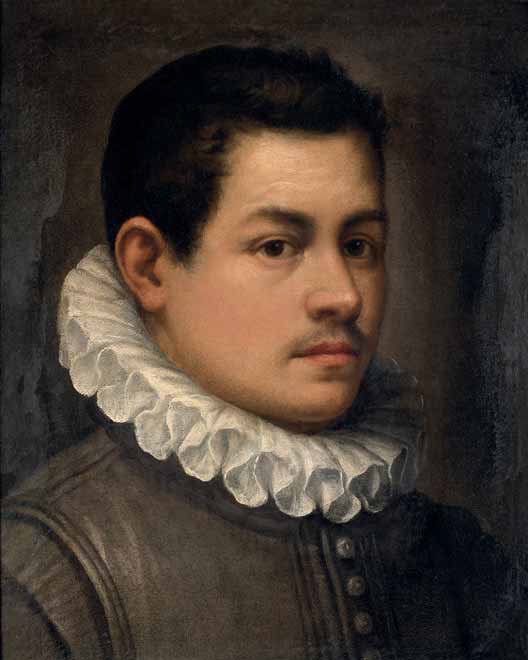
Annibale Carracci
(Annibale Carracci)
Co-founder of the Bolognese Carracci Academy and creator of the monumental Farnese Gallery ceiling in Rome, whose fusion of Michelangelo and Raphael founded the Baroque grand style.
Giambologna
(Jean de Boulogne / Giovanni da Bologna)
Flemish-born sculpting titan who relocated to Medici Florence, creating iconic masterpieces including Flying Mercury and The Rape of the Sabine Women, defining the dynamic figura serpentinata of Mannerism.
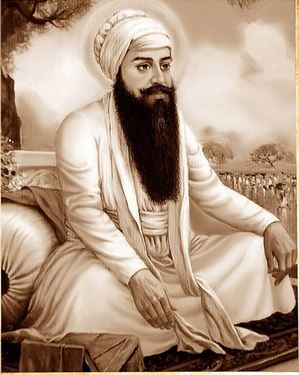
Guru Arjan Dev Ji (Fifth Sikh Guru)
 (ਗੁਰੂ ਅਰਜਨ ਦੇਵ)
Fifth Sikh Guru who designed and constructed the Harmandir Sahib (Golden Temple) in Amritsar with four doors welcoming all directions. Compiled the sacred Adi Granth and was martyred on burning sand for refusing to compromise religious truth.
Justus Lipsius
(Justus Lipsius)
Influential humanist philosopher and classical philologist who founded Christian Neo-Stoicism with De Constantia (1584), shaping modern European political theory and military discipline.