Public Figures & Cultural Luminaries
Filterable archive covering centuries of intellectual, artistic, and moral contributions to the human story.
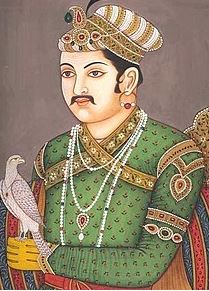
Ahmad al-Faruqi al-Sirhindi
 (أحمد السرهندي)
Indian Islamic scholar and Naqshbandi master acclaimed as the 'Renewer of the Second Millennium' who resisted Mughal Emperor Akbar's syncretic Din-i Ilahi and formulated 'Wahdat al-Shuhud'.
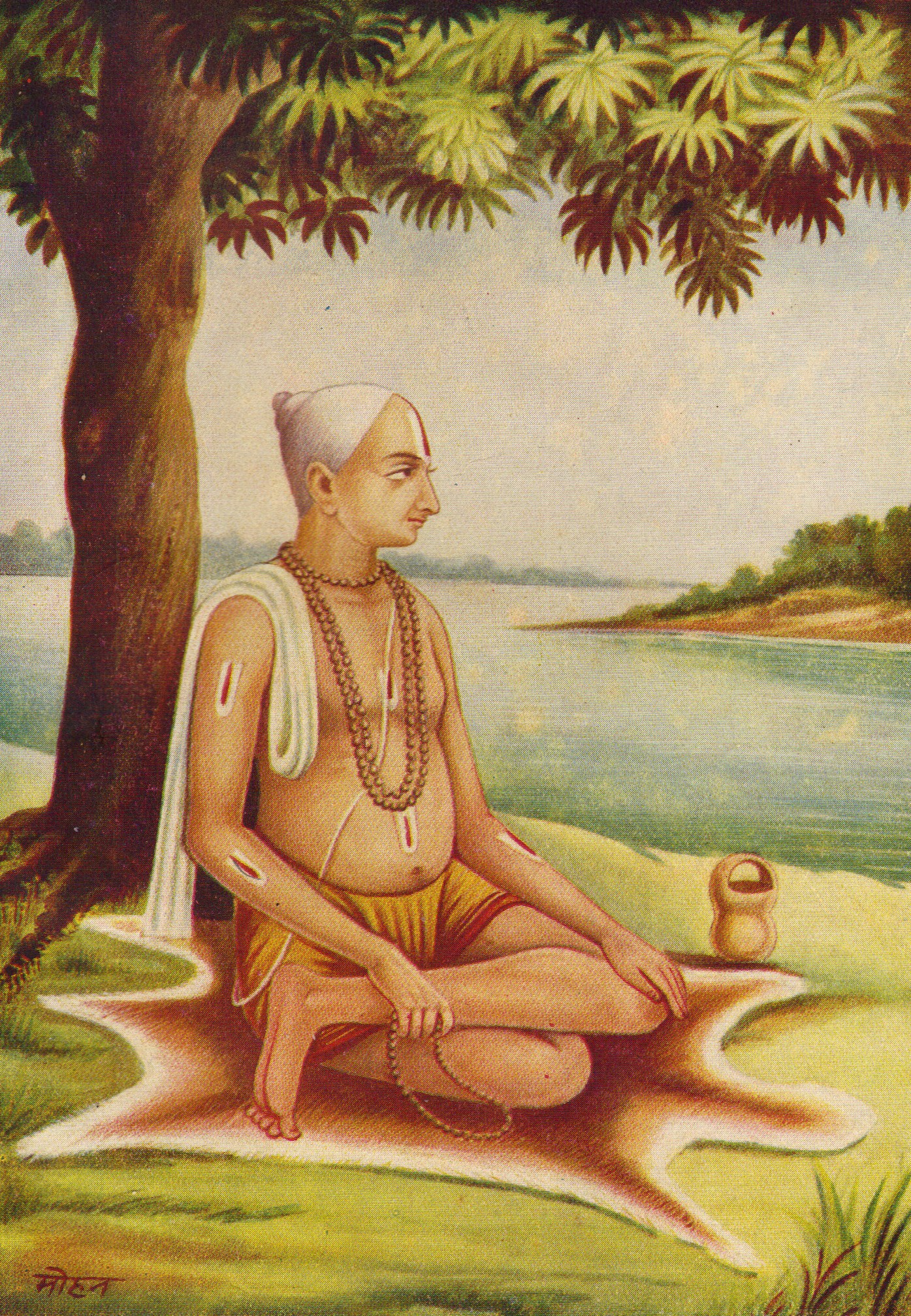
Goswami Tulsidas
(तुलसीदास)
Revered Sanskrit scholar and Awadhi poet who composed the epic 'Ramcharitmanas'—bringing the Ramayana to the common people—and authored the immortal 'Hanuman Chalisa'.
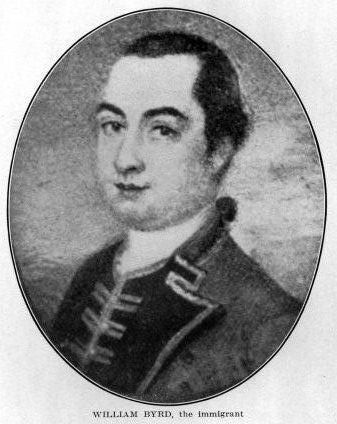
William Byrd
 (William Byrd)
English Renaissance composer celebrated as the greatest polyphonist of the Elizabethan Golden Age, master of sacred Latin masses, Anglican services, and keyboard music.
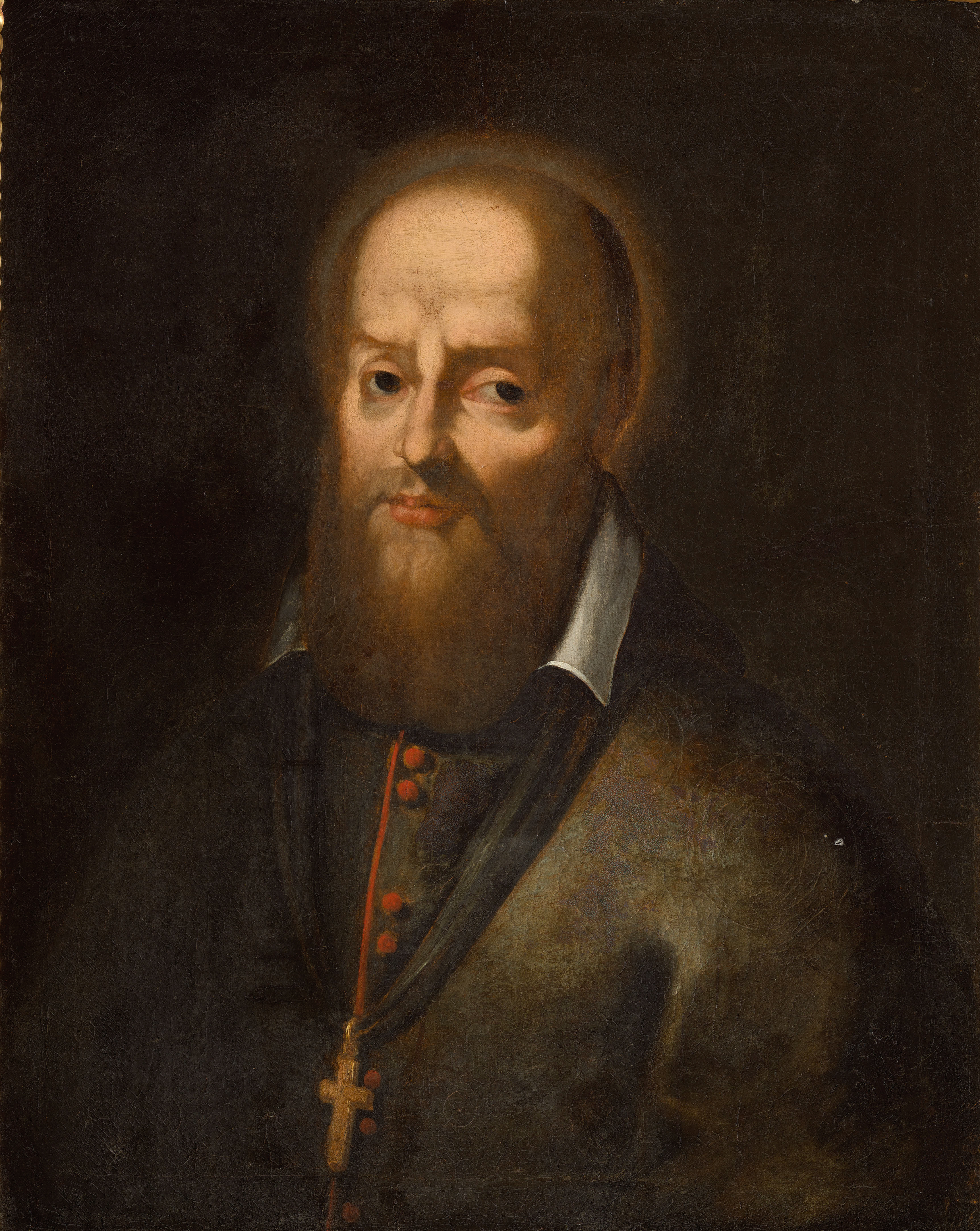
Francis de Sales
 (François de Sales)
Prince-Bishop of Geneva, Doctor of the Church, and author of 'Introduction to the Devout Life' who proved that holiness is achievable for laypeople in everyday vocations.
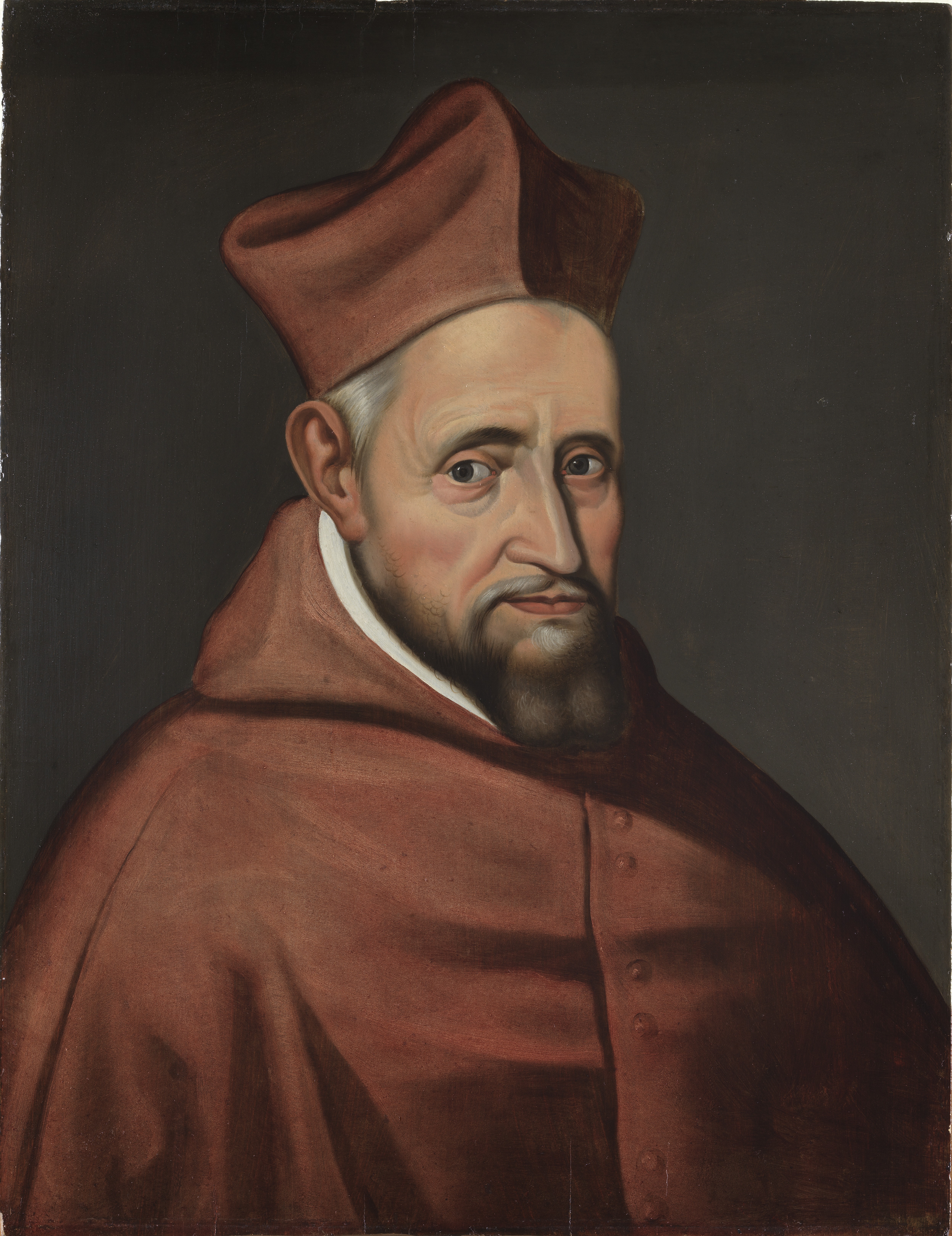
Roberto Francesco Romolo Bellarmino
 (Roberto Bellarmino)
Italian Jesuit cardinal, Doctor of the Church, and master apologist whose 'Disputationes' systematic defense of the Catholic faith against Protestant theology defined Counter-Reformation dogma.
Sheikh Bahai
 (شیخ بهایی / بهاء الدين العاملي)
Extraordinary Lebanese-Iranian polymath who designed the architectural marvels of Safavid Isfahan, including Naqsh-e Jahan Square and the Shah Mosque.
Abd al-Aziz ibn Umar al-Fishtali
 (عبد العزيز بن عمر الفشتالي)
Prime Minister and poet laureate of Sultan Ahmad al-Mansur, author of Manahil al-Safa, whose poetic panegyrics and state letters defined the golden aesthetic of the Saadian court.
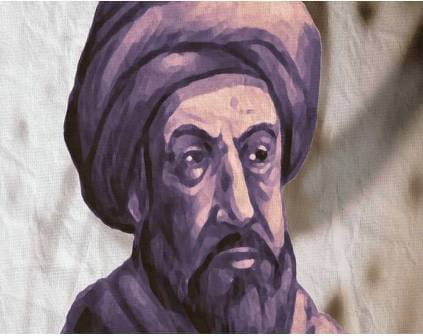
Al-Qadi al-Fishtali
(عبد العزيز الفشتالي)
Poet laureate and Grand Vizier of Sultan Ahmad al-Mansur, renowned for his dazzling rhymed prose and his official monumental chronicle Manahil al-Safa.
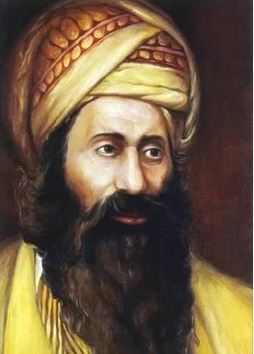
Chaim ben Joseph Vital
 (חיים ויטאל)
Primary disciple and scribe of the Ari whose monumental eight-gate work 'Etz Chaim' (Tree of Life) preserved and transmitted Lurianic Kabbalah to the world.
Simon Stevin
 (Simon Stevin)
Brilliant Bruges mathematician, physicist, and military engineer whose pamphlet De Thiende introduced decimal fractions to Europe and who formulated the laws of statics and hydrostatics.
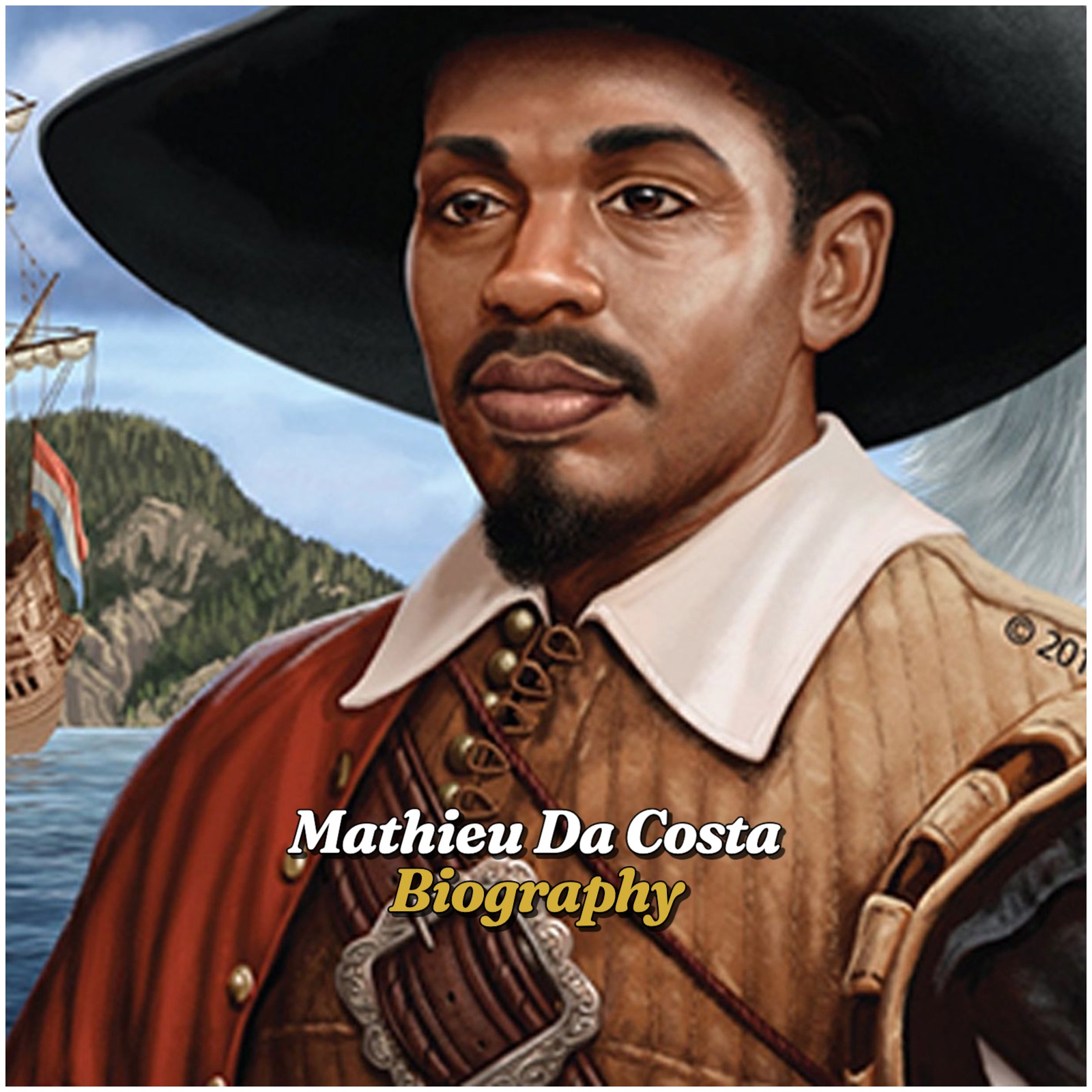
Mathieu da Costa
 (Mathieu da Costa)
Trailblazing free Black linguist and explorer who served as official interpreter between French explorer Samuel de Champlain and the Mi'kmaq people at Port Royal.
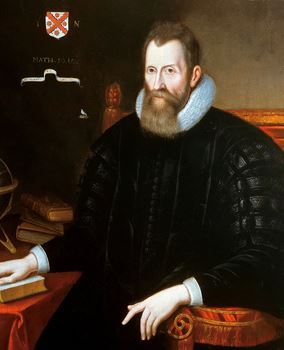
John Napier of Merchiston
(John Napier)
Scottish mathematician who invented logarithms, popularized the decimal point, and created 'Napier's Bones' calculating rods, liberating astronomers from tedious manual calculations.
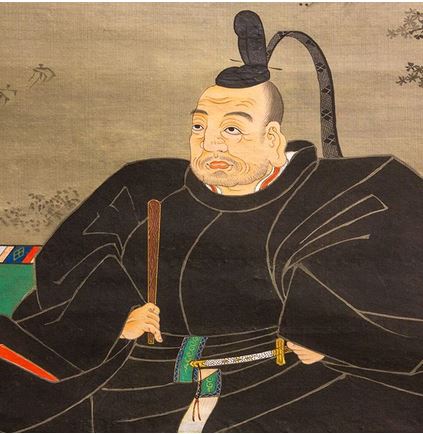
Tokugawa Ieyasu (First Tokugawa Shogun)
 (徳川 家康 (Tokugawa Ieyasu))
Third and final "Great Unifier" of Japan who triumphed at the Battle of Sekigahara (1600). Established the Tokugawa Shogunate and made Edo (Tokyo) the seat of government, inaugurating two and a half centuries of peace, stability, and cultural flourishing.
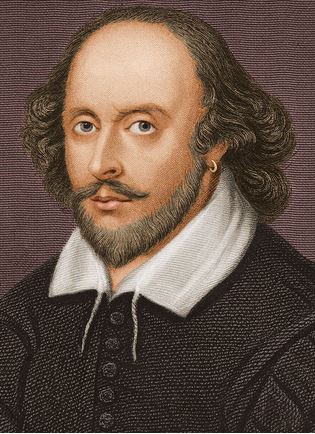
William Shakespeare
(William Shakespeare)
Universally regarded as the greatest writer in the English language and the preeminent dramatist in world history, whose 39 plays, 154 sonnets, and cosmic insight in Hamlet, King Lear, and Macbeth defined the human condition.
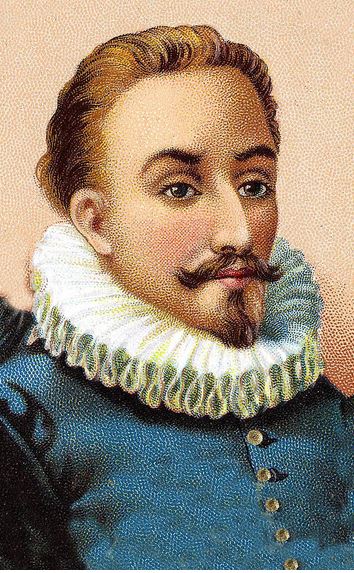
Miguel de Cervantes Saavedra
 (Miguel de Cervantes)
Titan of the Spanish Golden Age and creator of Don Quixote de la Mancha (1605/1615), universally revered as the first modern European novel and the eternal archetype of the noble dreamer tilting at windmills.
Abu al-Abbas Ahmad ibn Muhammad Ibn al-Qadi
(أحمد بن محمد بن أبي العافية بن القاضي)
Celebrated Moroccan historian, judge, and biographer whose works Jadhwat al-Iqtibas and Durrat al-Hijal provide the definitive biographical records of scholars and nobles in early modern Fez and Morocco.
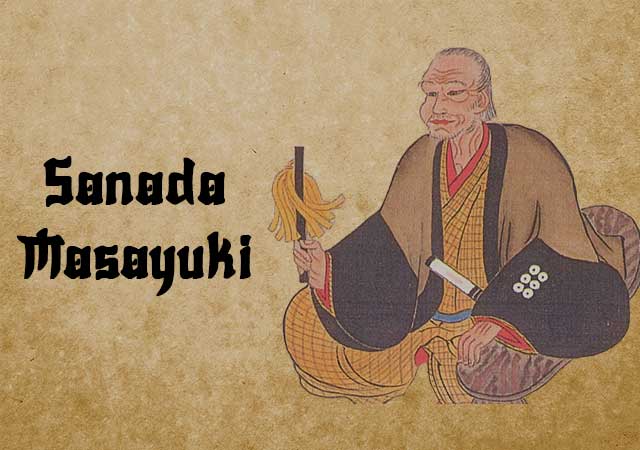
Sanada Yukimura (Sanada Nobushige)
(真田幸村 / 真田信繁)
Legendary Sengoku period samurai general hailed as 'The Number One Warrior in Japan' and 'The Crimson Demon of War' for his heroic defense of Osaka Castle.
Pierre de Bourdeille (Brantôme)
(Pierre de Bourdeille, seigneur et abbé de Brantôme)
French soldier, courtier, and unabashed memoirist whose scandalous, vivid chronicles Vies des dames galantes and Vies des grands capitaines captured the intrigues, duels, and amorous escapades of the Valois Renaissance court.