 Kingdom of Navarre (France)
•
2 views
Kingdom of Navarre (France)
•
2 views
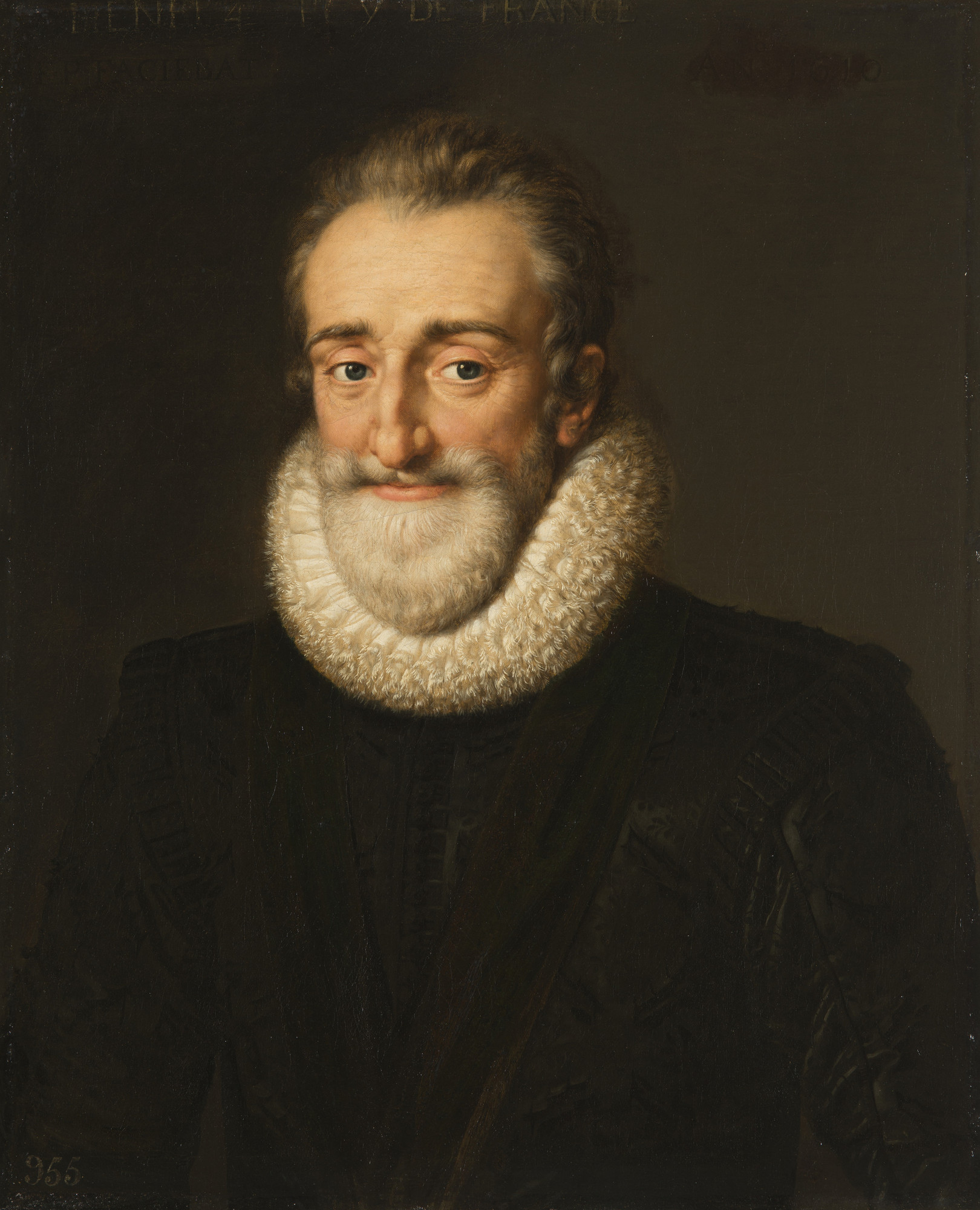
Henry IV of France (Good King Henry)

Château de Pau, Béarn, Kingdom of Navarre (France)
Archival Overview
First Bourbon King of France who ended the Wars of Religion by issuing the Edict of Nantes and promised 'a chicken in every pot'.
Biographical Record
Henry IV, affectionately remembered as 'Good King Henry' (Le Bon Roi Henri) and 'Le Vert Galant', was the founder of the illustrious House of Bourbon and one of the most universally beloved sovereigns in French history. Raised in the rugged Pyrenean kingdom of Navarre, Henry became leader of the Protestant Huguenot faction during the horrific French Wars of Religion, narrowly surviving the 1572 St. Bartholomew's Day Massacre in Paris.
When he inherited the throne in 1589 upon the assassination of Henry III, Catholic Paris refused to recognize a Protestant monarch. Demonstrating pragmatic statecraft, Henry famously declared that 'Paris is well worth a mass' (Paris vaut bien une messe) and converted to Catholicism in 1593. In 1598, he promulgated the landmark Edict of Nantes, granting Protestants religious freedom and civil equality, ending three decades of religious civil slaughter. Guided by his minister Sully, Henry restored French agriculture, lowered peasant taxes, pledged that every peasant should have 'a chicken in his pot on Sunday' (la poule au pot), and constructed the Pont Neuf and Place des Vosges in Paris before being stabbed to death by a religious fanatic in his carriage.
Key Life Milestones
Promulgation of the Edict of Nantes
Inauguration of the Pont Neuf
Memorial Guestbook & Tributes
0 messages recordedLeave a Respectful Tribute
Final Resting Place
Perpetual MemorialSaint-Denis, Paris, France