 Italy
•
7 views
Italy
•
7 views
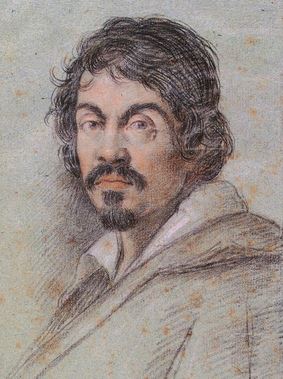
Michelangelo Merisi da Caravaggio

Milan or Caravaggio (Lombardy), Italy
Archival Overview
Revolutionary Italian Baroque painter who electrified Europe by casting dramatic spotlight beams through pitch-black shadows (tenebrism) and depicting saints and martyrs with unsparing, gritty plebeian realism.
Biographical Record
Michelangelo Merisi da Caravaggio (1571–1610) shattered academic painting and birthed the Baroque era. Rejecting idealization, Caravaggio hired beggars, prostitutes, and day-laborers as live models for his apostles, virgins, and martyrs, painting dirty feet, weathered faces, and raw human vulnerability directly onto canvas without preparatory sketches.
His dramatic technique of tenebrism—violent contrasts of blinding light plunging into impenetrable darkness—imbued religious moments with theatrical intensity. Masterpieces like The Calling of Saint Matthew (1600), Judith Beheading Holofernes, and The Entombment of Christ shocked and awed Rome. After killing a man in a duel in 1606, he fled across Naples, Malta, and Sicily, dying in feverish pursuit of a papal pardon at age 38.
Key Life Milestones
Unveiling of the Contarelli Chapel (Calling of Saint Matthew)
Unveiled his revolutionary tenebrist cycle in San Luigi dei Francesi in Rome, instantly transforming European art.
The Beheading of Saint John the Baptist in Malta
Completed his monumental canvas for St. John's Co-Cathedral in Valletta, signed in the martyr's pool of blood.
Memorial Guestbook & Tributes
0 messages recordedLeave a Respectful Tribute
Final Resting Place
Perpetual MemorialPorto Ercole (Tuscany), Italy