Public Figures & Cultural Luminaries
Filterable archive covering centuries of intellectual, artistic, and moral contributions to the human story.
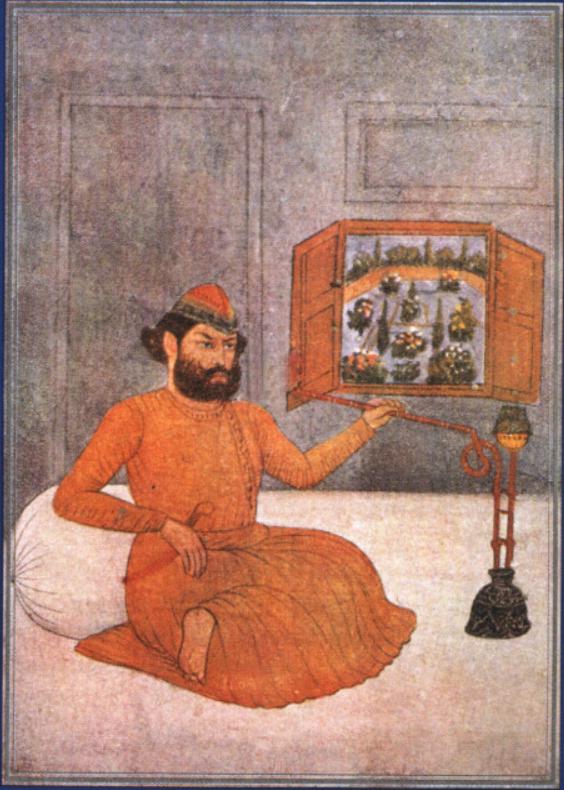
Mir Taqi Mir
 (میر تقی میر (Khuda-e-Sukhan))
Foundational classical poet of the Urdu language (1723–1810), universally venerated as 'Khuda-e-Sukhan' (The God of Poetry) for his emotionally poignant ghazals expressing personal sorrow and Delhi's destruction.
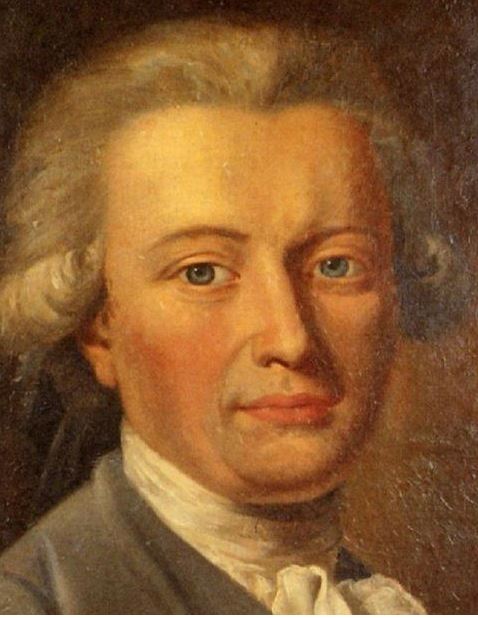
Henry Cavendish
 (Henry Cavendish)
Eccentric English natural philosopher who discovered hydrogen ('inflammable air'), proved water is a compound of hydrogen and oxygen, and measured the mass and density of the Earth in 1798.
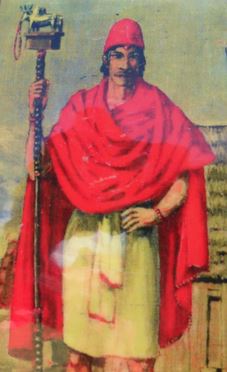
Andrianampoinimerina (Andrianampoinimerina)
Revered King of Imerina who ended centuries of civil war between highland Merina clans, unified the central plateau of Madagascar, and established the sacred royal capital at Ambohimanga.
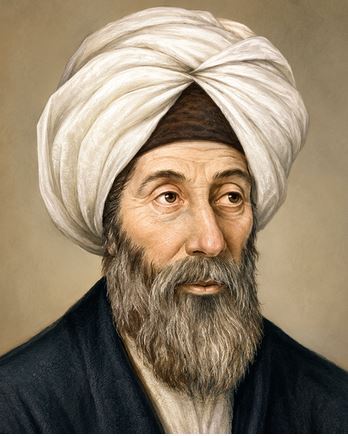
Ahmad ibn Ajiba
 (أحمد بن عجيبة الحسني)
Moroccan scholar and Darqawi Sufi master who authored over forty books, including the celebrated mystical Quranic commentary 'Al-Bahr al-Madid' (The Oceanic Exegesis) and his candid spiritual autobiography 'Fahrasa'.
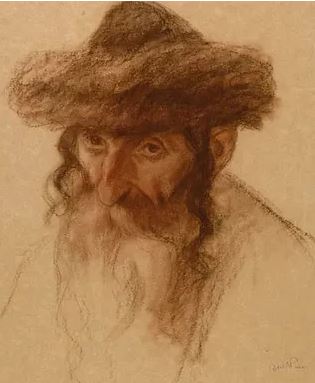
Levi Yitzchok of Berditchev
 (לוי יצחק מברדיצ'ב)
Beloved Hasidic master and author of 'Kedushat Levi' renowned as the supreme advocate for the Jewish people who boldly argued with the Almighty in prayer on their behalf.
Jean Lannes
(Jean Lannes, duc de Montebello)
Gascon military genius and beloved Marshal of France acclaimed as 'the Roland of the Grande Armée', one of Napoleon's closest personal friends, victor at Montebello, and the first marshal killed in battle.
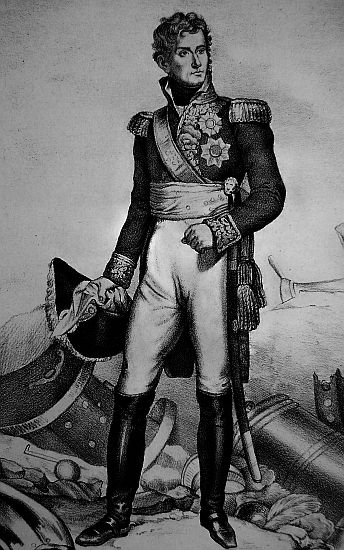
Jean Lannes (The Roland of the Grande Armée)
(Jean Lannes, duc de Montebello)
Marshal of the Empire, 1st Duke of Montebello, and Napoleon's closest friend who captured the bridge at Arcole, took Montebello, and died heroically at Aspern-Essling.
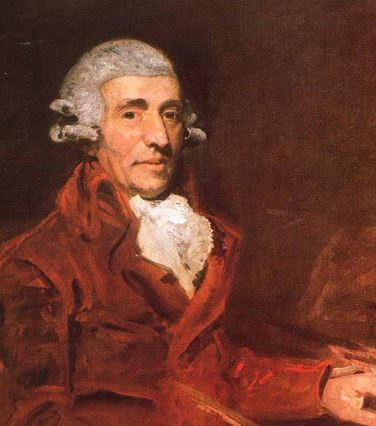
Franz Joseph Haydn
 (Franz Joseph Haydn)
Foundational giant of the Viennese Classical period whose 106 symphonies and 68 string quartets established the classical sonata form, mentoring Mozart and Beethoven and creating the sublime oratorio The Creation.
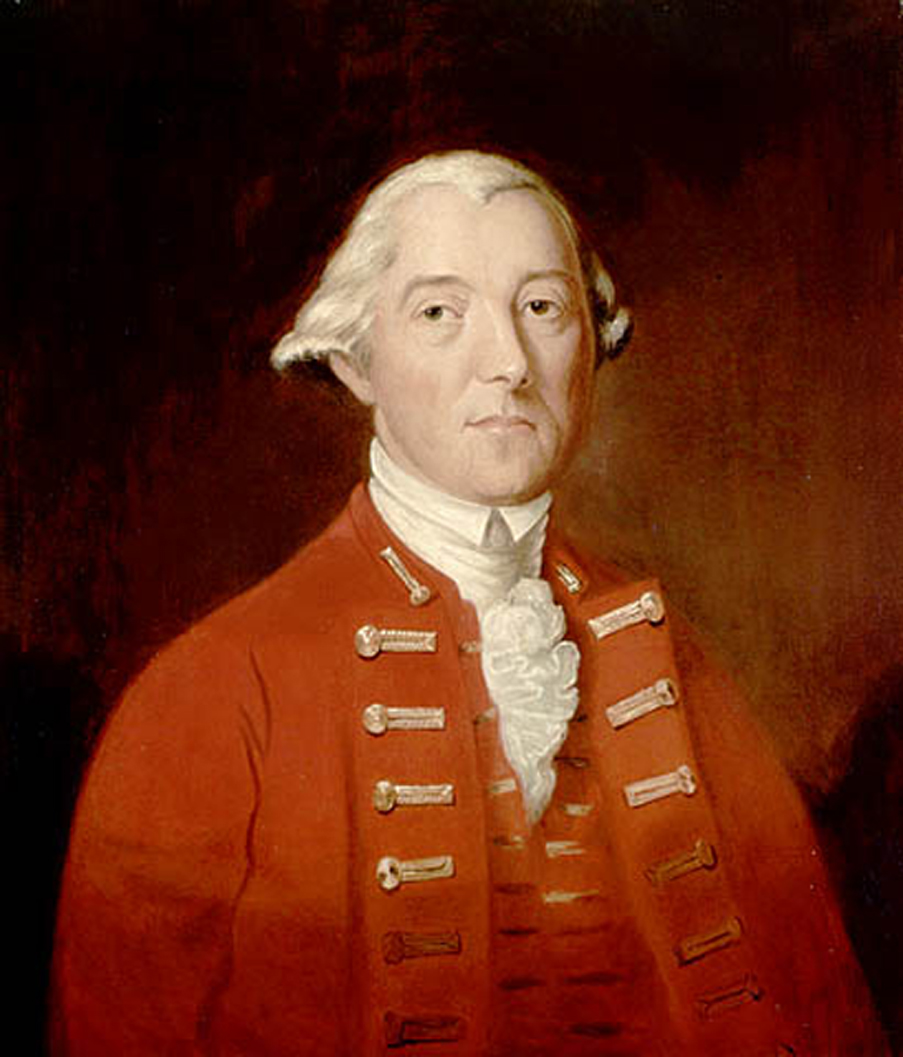
Guy Carleton (Lord Dorchester)
 (Guy Carleton, 1st Baron Dorchester)
Pragmatic British governor who championed the Quebec Act of 1774, preserving French civil law, religious freedom, and language rights, and successfully repelled the American invasion of 1775.
Joseph Brant
 (Thayendanegea)
Legendary Mohawk statesman and British military officer who led the Six Nations during the American Revolution and secured the Haldimand Grant in Ontario.
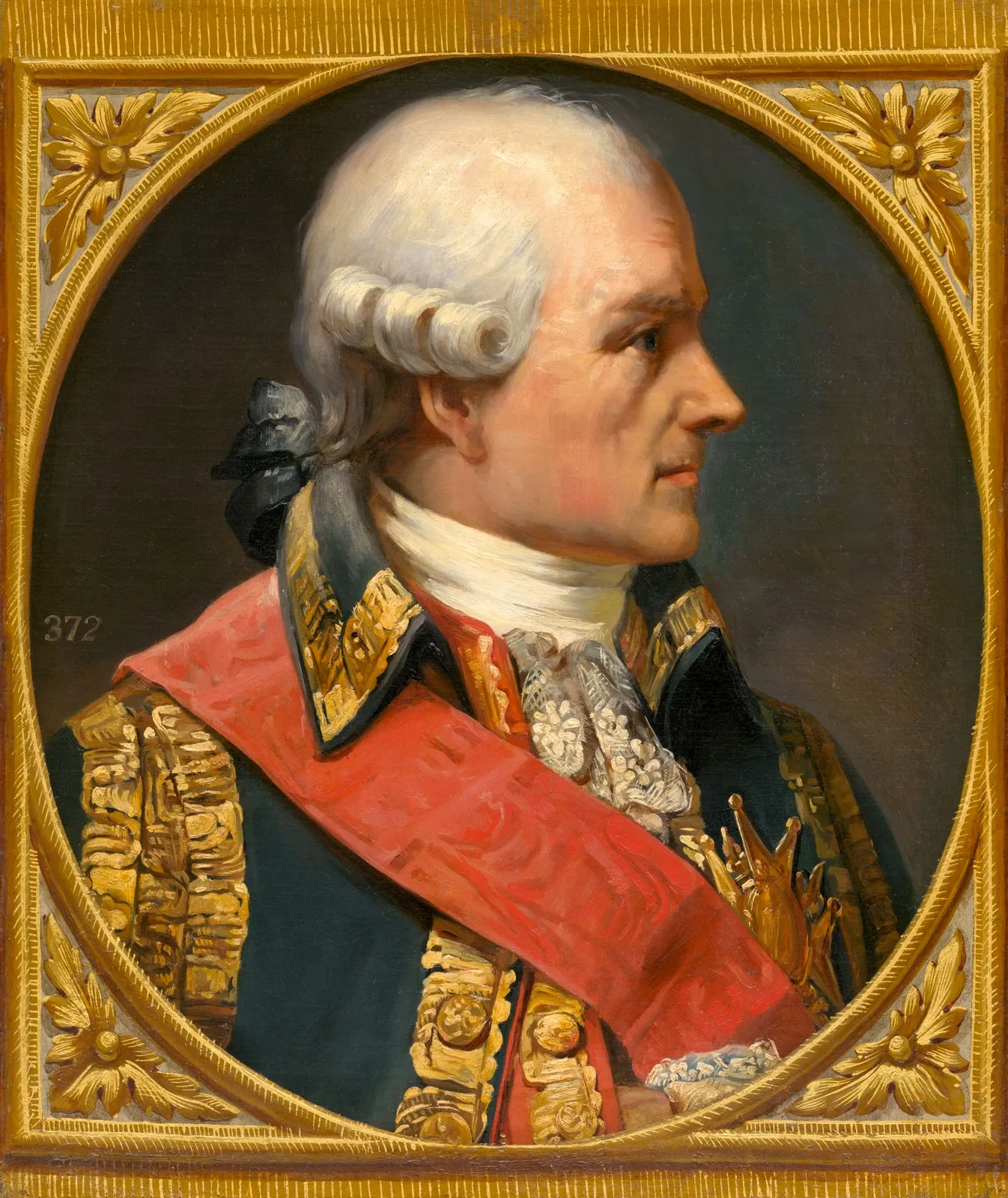
Jean-Baptiste Donatien de Vimeur, Comte de Rochambeau
(Jean-Baptiste Donatien de Vimeur, comte de Rochambeau)
Marshal of France who commanded the French expeditionary army (Expédition Particulière) sent to support George Washington, co-directing the decisive Siege of Yorktown.
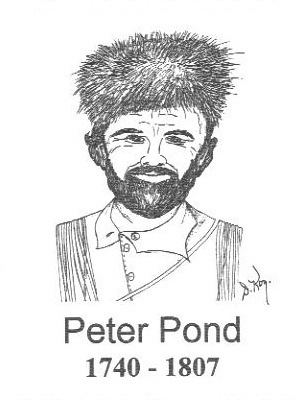
Peter Pond
(Peter Pond)
intrepid fur trader and cartographer who discovered the Methye Portage in 1778, opening the vast Athabasca fur trade to Canada.

Mustapha Boukabous Bey
 (مصطفى بوكابوس)
Bey of the Western Beylik (1802–1807), remembered for his equestrian valor, economic patronage in Oran, and protection of trade caravans.
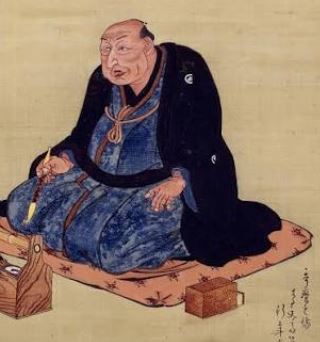
Kitagawa Utamaro
 (喜多川 歌麿)
Supreme master of ukiyo-e woodblock printing renowned worldwide for his intimate 'okubi-e' (large-head close-up portraits) of women, capturing subtle feminine psychological states.
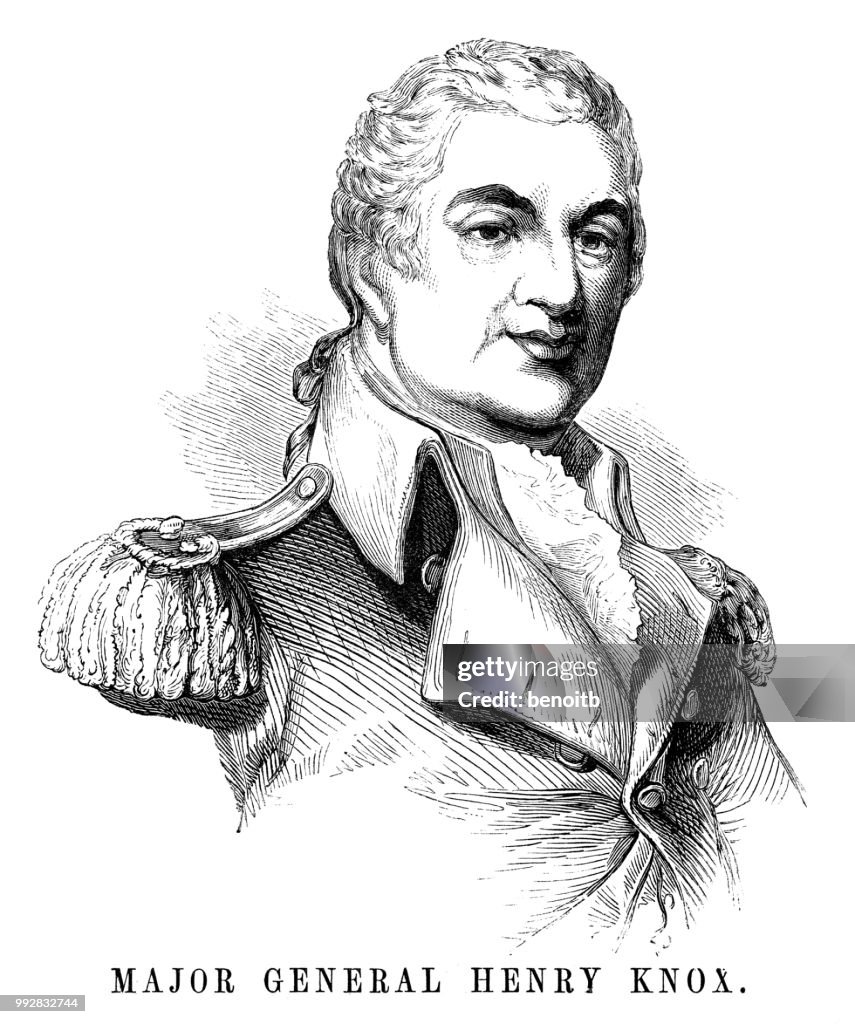
Major General Henry Knox
(Henry Knox)
Boston bookseller turned Chief Artillery Officer of the Continental Army who transported 60 tons of cannon from Fort Ticonderoga and served as the 1st Secretary of War.
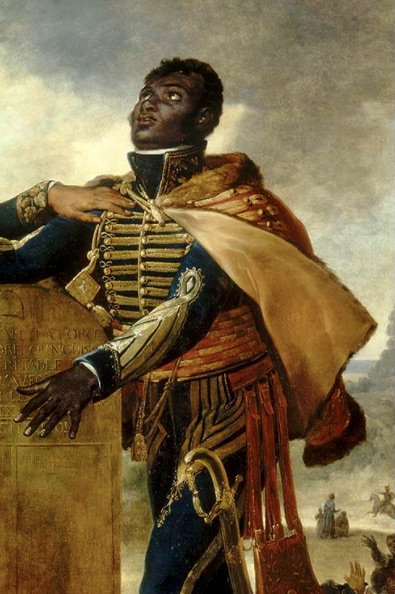
Jean-Jacques Dessalines
 (Jean-Jacques Dessalines)
Founding Father and supreme liberator of Haiti who defeated Napoleon's veteran armada at the decisive Battle of Vertieres in 1803 and proclaimed the independent Republic of Haiti on January 1, 1804, establishing the world's first free Black republic.
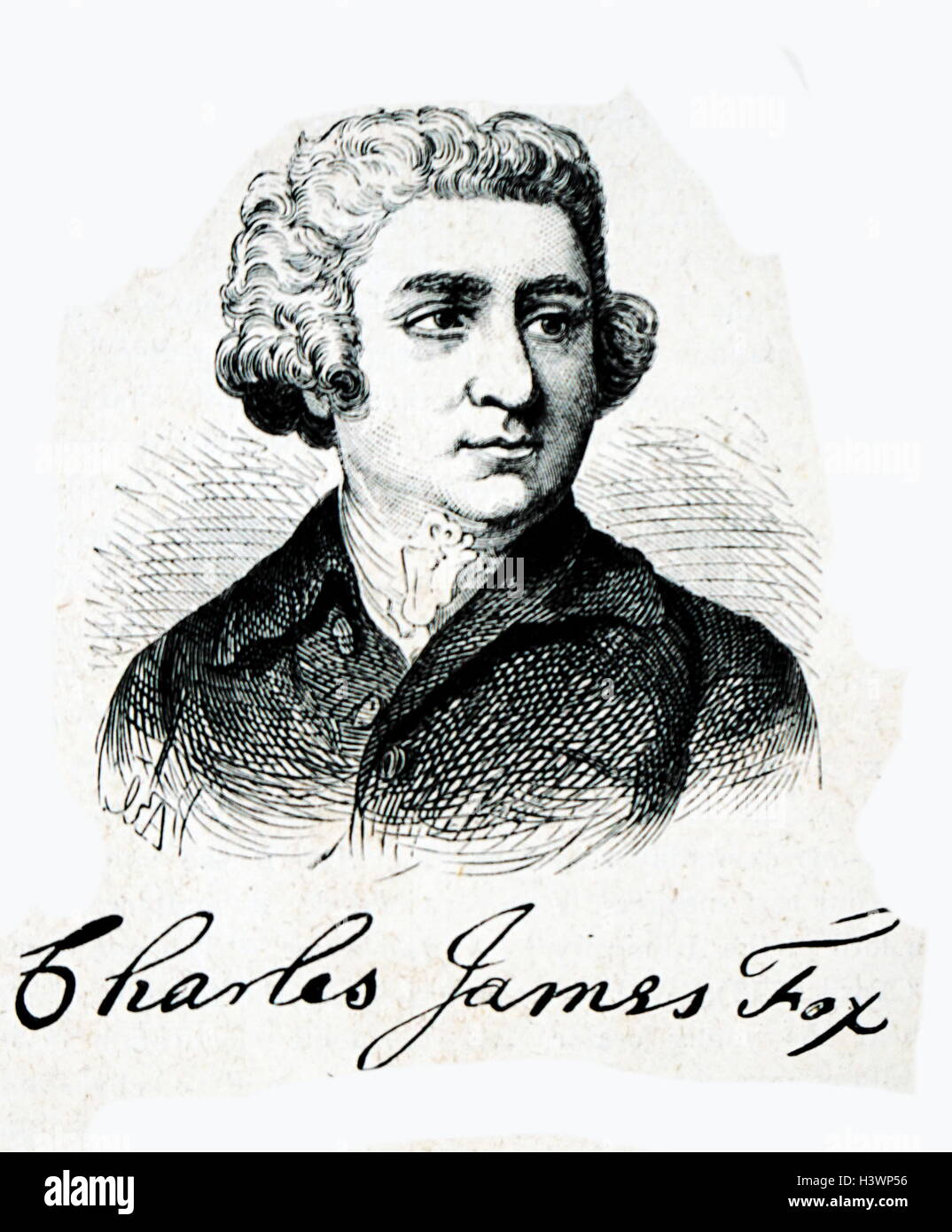
Charles James Fox
 (Charles James Fox)
Formidable British Whig parliamentary orator and champion of civil liberty who supported American independence, opposed royal tyranny, and secured the abolition of the slave trade.
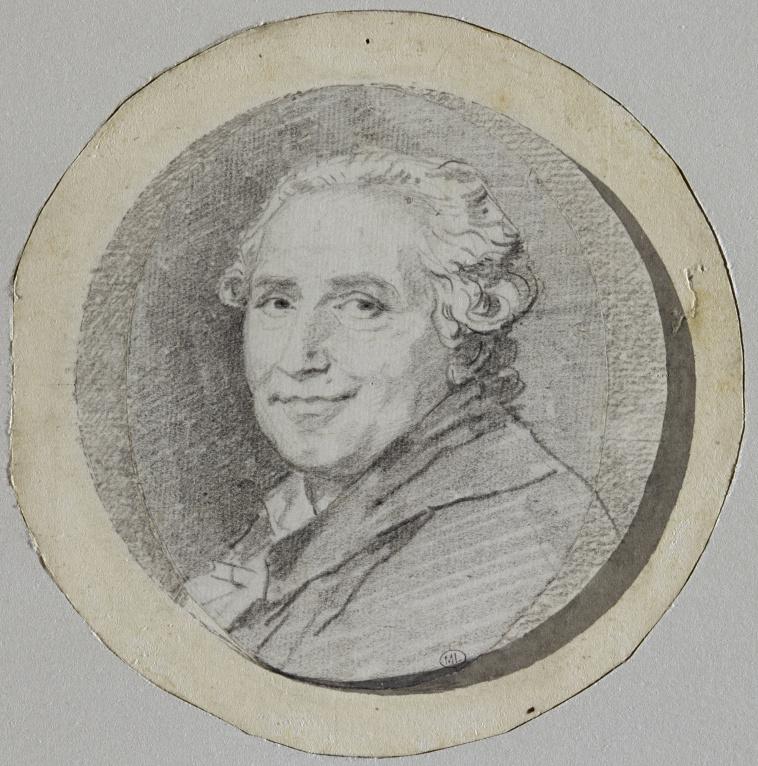
Jean-Honoré Fragonard
(Jean-Honoré Fragonard)
French Rococo master painter whose exuberant, fluid brushwork and playful romantic masterworks like 'The Swing' (L'Escarpolette) captured the joie de vivre of the Ancien Régime.