Public Figures & Cultural Luminaries
Filterable archive covering centuries of intellectual, artistic, and moral contributions to the human story.
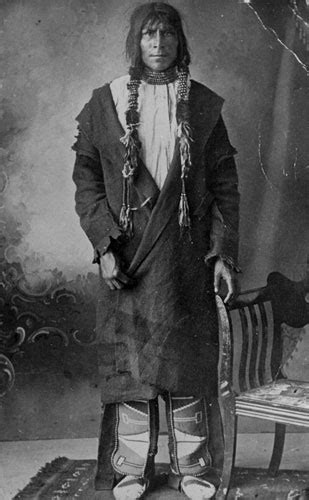
Almighty Voice
 (Almighty Voice)
Young Plains Cree warrior whose desperate 19-month survival against the North-West Mounted Police after killing a stray steer became a legend of Indigenous resistance.
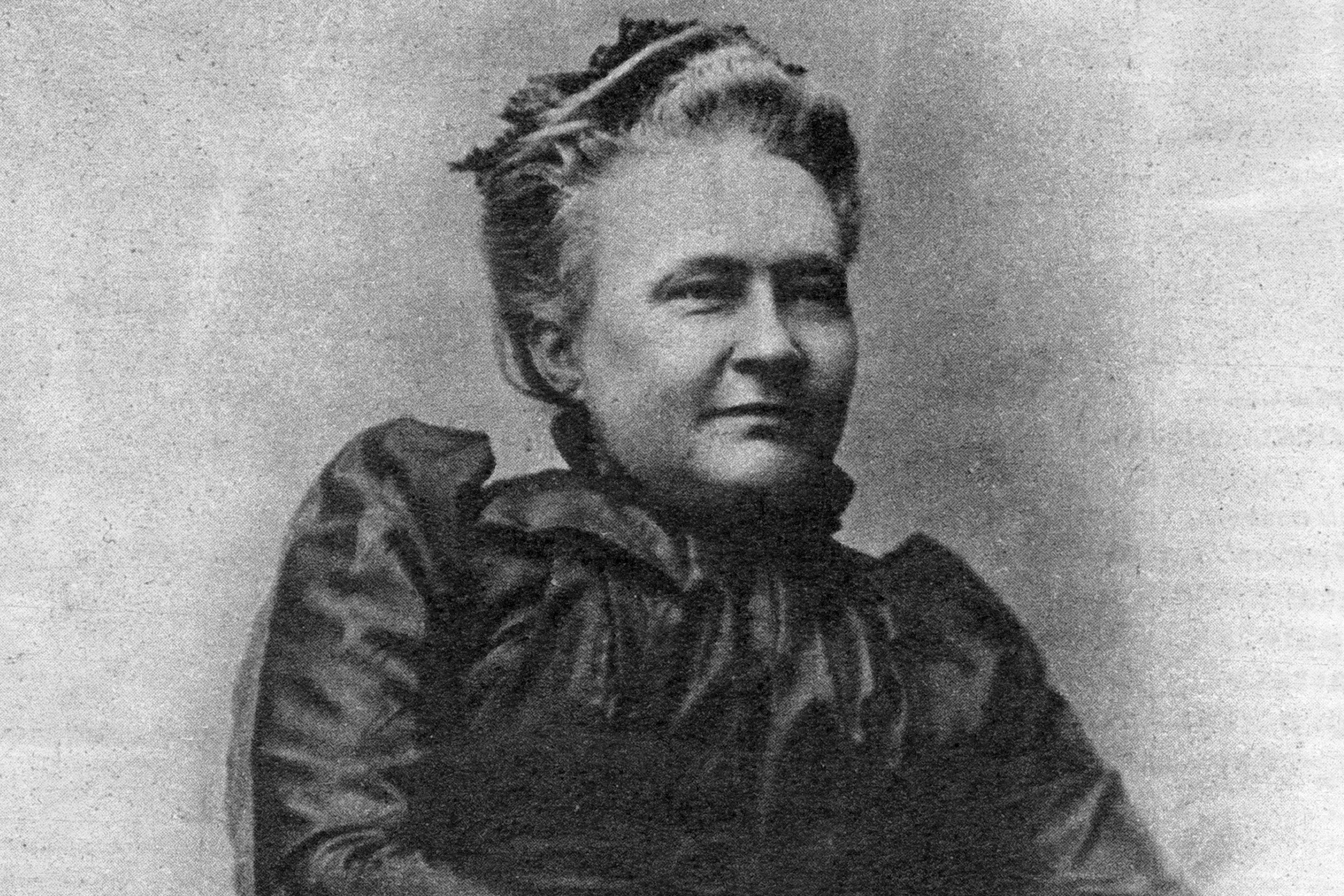
Minna Canth
 (Ulrika Wilhelmina Johnsson Canth)
Pioneering Finnish realist playwright and early feminist champion who exposed poverty, clerical hypocrisy, and the oppression of women in Työmiehen vaimo (The Worker's Wife).
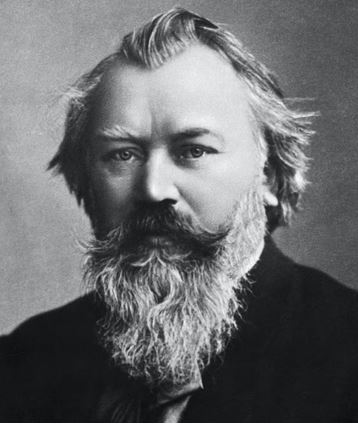
Johannes Brahms
 (Johannes Brahms)
Towering master of German Late Romanticism whose rigorous classical counterpoint, four monumental symphonies, Violin Concerto, and Ein deutsches Requiem upheld Beethoven's heritage with profound autumn warmth.
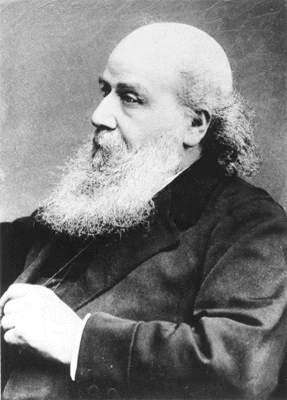
James Joseph Sylvester
 (James Joseph Sylvester)
British mathematician who coined terms such as 'matrix', 'invariant', and 'discriminant', founded the American Journal of Mathematics, and pioneered algebraic invariant theory with Arthur Cayley.
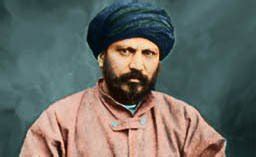
Sayed Jamaluddin Afghani
 (سید جمال الدین افغانی)
Visionary political philosopher and ideologue of Pan-Islamism who traveled across the Muslim world and Europe, urging anti-colonial unity, rational scientific education, and constitutional reform.
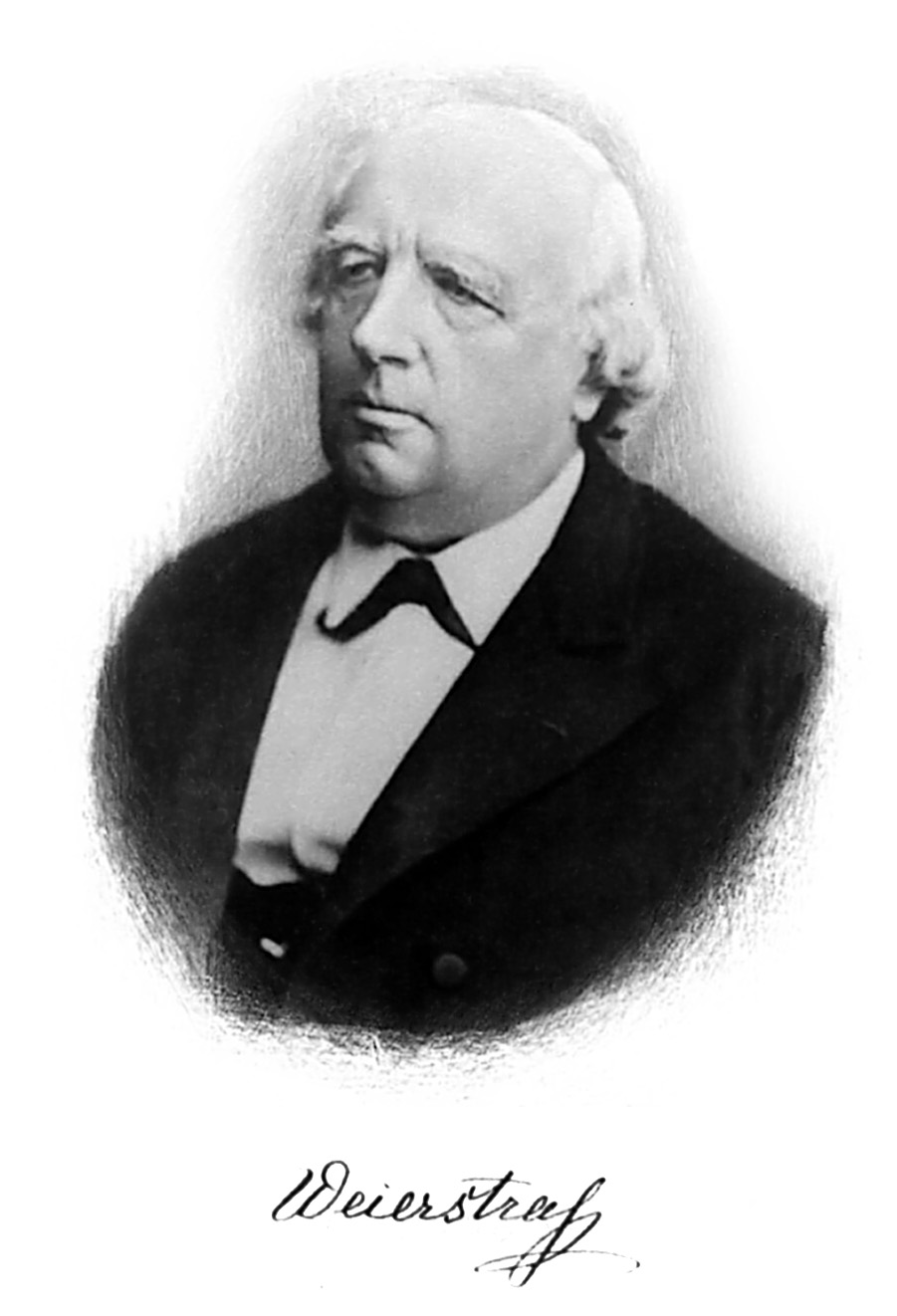
Karl Weierstrass
(Karl Theodor Wilhelm Weierstrass)
German mathematician universally celebrated as the father of modern analysis, who established the epsilon-delta definitions of limits and continuity and discovered continuous nowhere-differentiable functions.
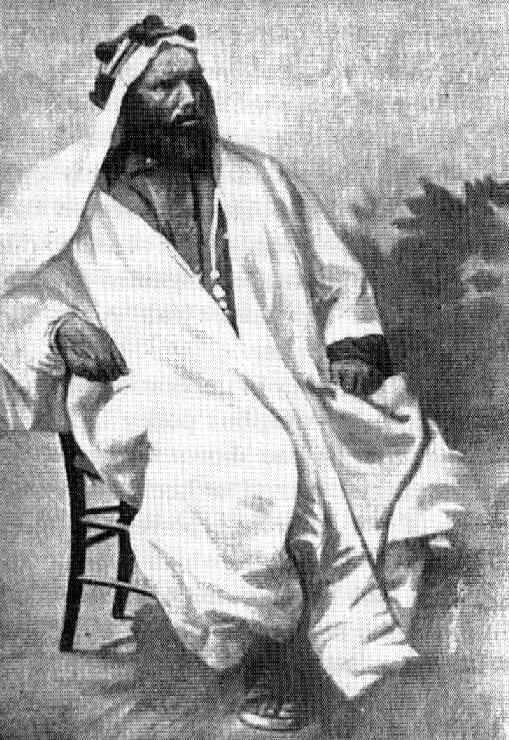
Ras Alula Engida
 (ራስ አሉላ እንግዳ (አባ ነጋ))
One of Africa's greatest 19th-century military commanders, dubbed the 'Garibaldi of Abyssinia', who wiped out Italian colonial troops at Dogali in 1887 and commanded the vanguard at the Battle of Adwa in 1896.
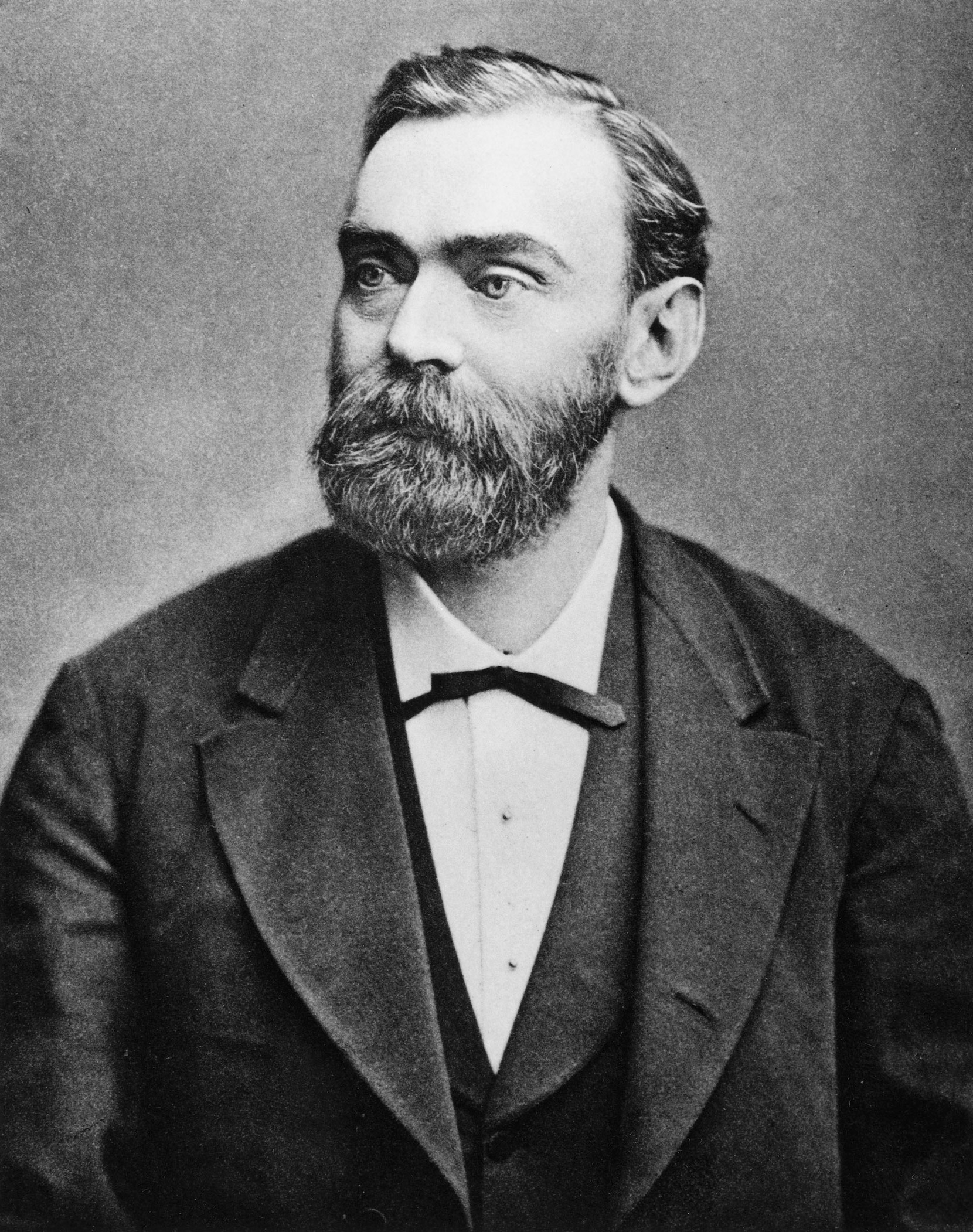
Alfred Nobel
 (Alfred Bernhard Nobel)
Swedish chemist, engineer, and industrialist who invented dynamite and endowed the international Nobel Prizes.
Anton Bruckner
 (Josef Anton Bruckner)
Towering late-Romantic composer and master organist whose nine monumental symphonies and sacred choral masses stand as cathedrals of sound in Western classical music.
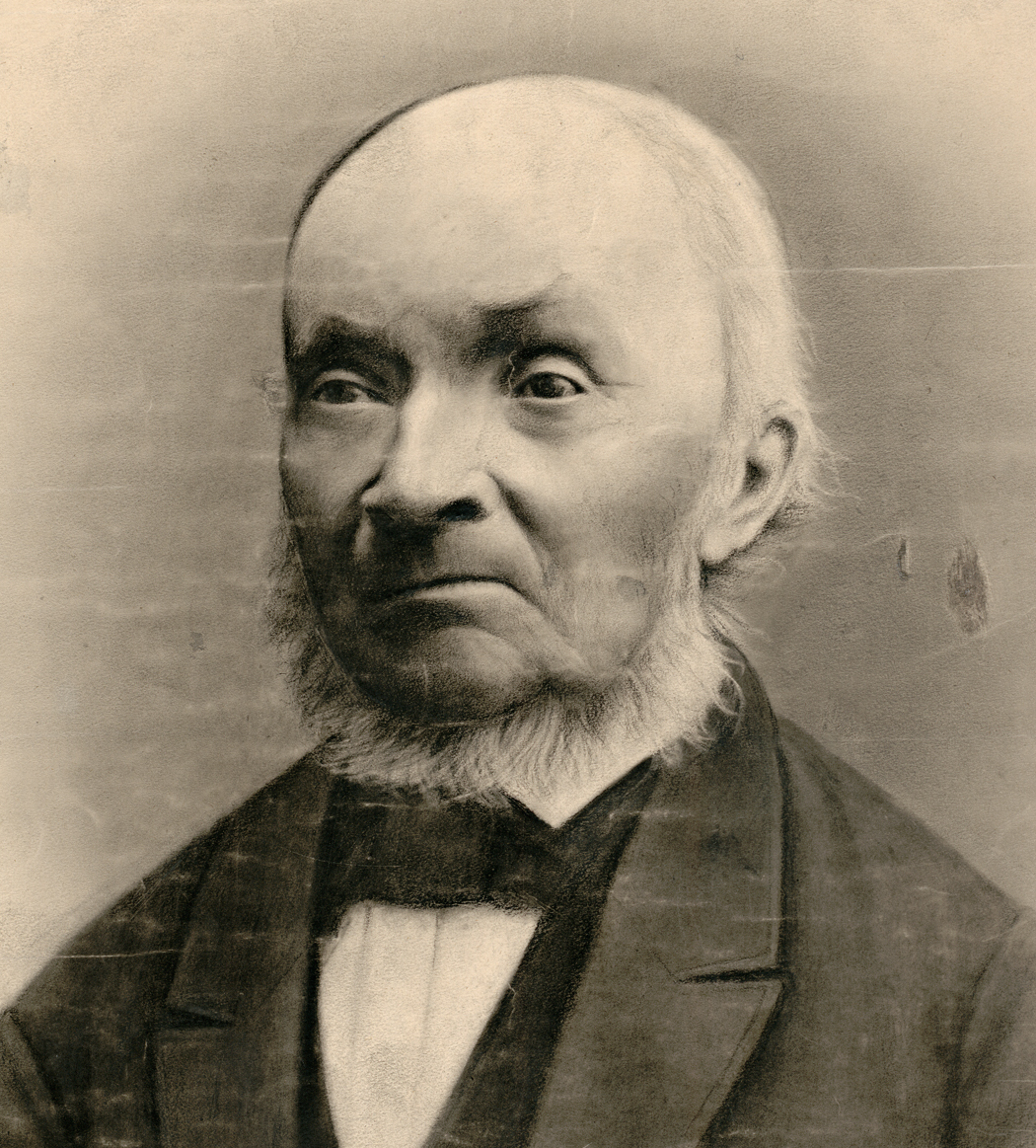
Ivar Aasen
 (Ivar Andreas Aasen)
Self-taught philologist and linguist who traveled thousands of kilometers across rural Norway to reconstruct the Norwegian written language, creating Nynorsk (Landsmål).
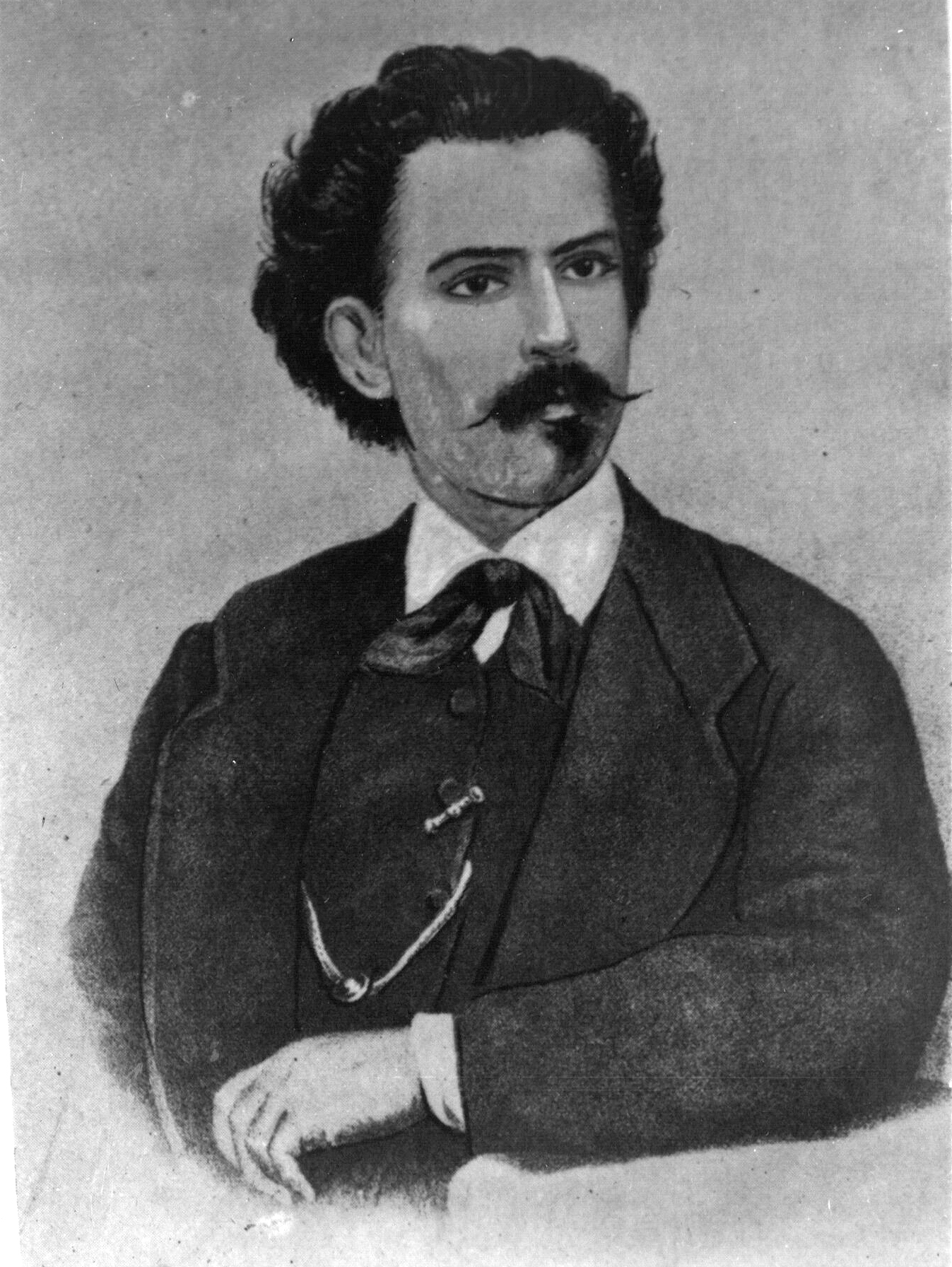
Antonio Carlos Gomes
 (Antônio Carlos Gomes)
Brazilian composer who was the first New World opera composer to achieve triumphant success in Europe, renowned for his 1870 opera Il Guarany staged at La Scala in Milan.
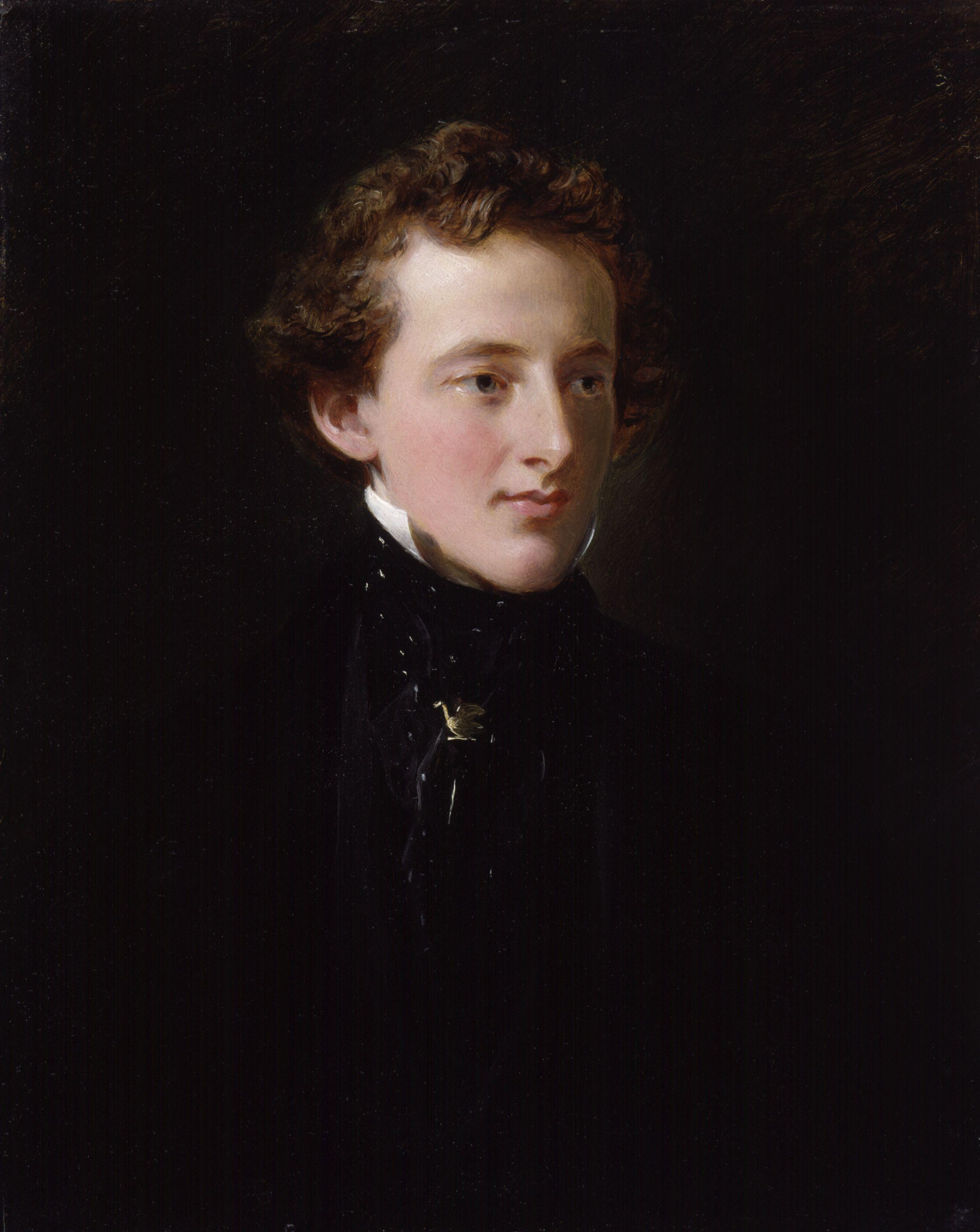
Sir John Everett Millais
(John Everett Millais)
Prodigy co-founder of the Pre-Raphaelite Brotherhood whose botanical tour-de-force 'Ophelia' (1851) and 'Christ in the House of His Parents' are crowns of Victorian British art.
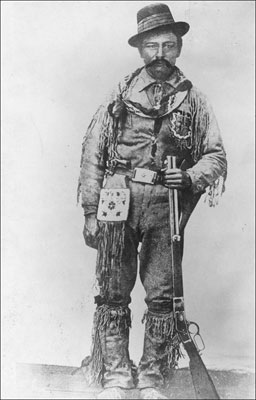
Jerry Potts
 (Ky-yo-kosi (Bear Child))
Legendary Métis-Peigan scout, guide, and interpreter whose unparalleled geographical knowledge and diplomatic prowess guided the North-West Mounted Police across the western plains and facilitated Treaty 7.
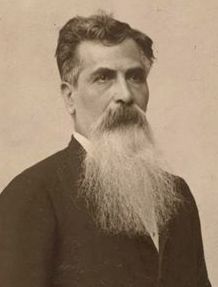
Leandro N. Alem
 (Leandro Alén)
Passionate champion of universal suffrage and civic integrity who founded the Radical Civic Union (UCR) in 1891, led the 1890 Revolution of the Park, and gave his life under the motto 'Que se rompa, pero que no se doble'.
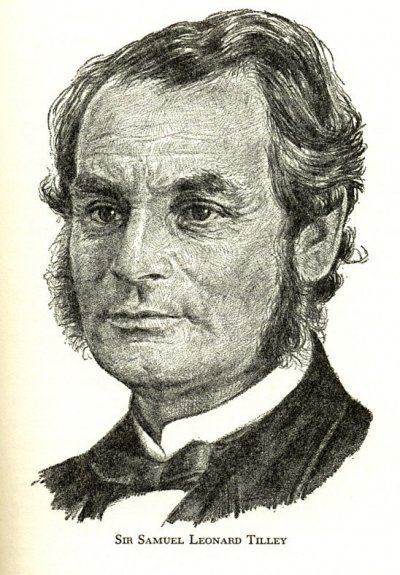
Samuel Leonard Tilley
(Sir Samuel Leonard Tilley)
New Brunswick statesman who brought his province into Confederation and famously coined the national title 'Dominion of Canada', inspired by Psalm 72:8 ('He shall have dominion from sea to sea').
Henry Parkes
(Sir Henry Parkes)
Revered as the 'Father of Australian Federation', five-time Premier of New South Wales whose landmark 1889 Tenterfield Oration galvanized the movement to unite the colonies into a nation.
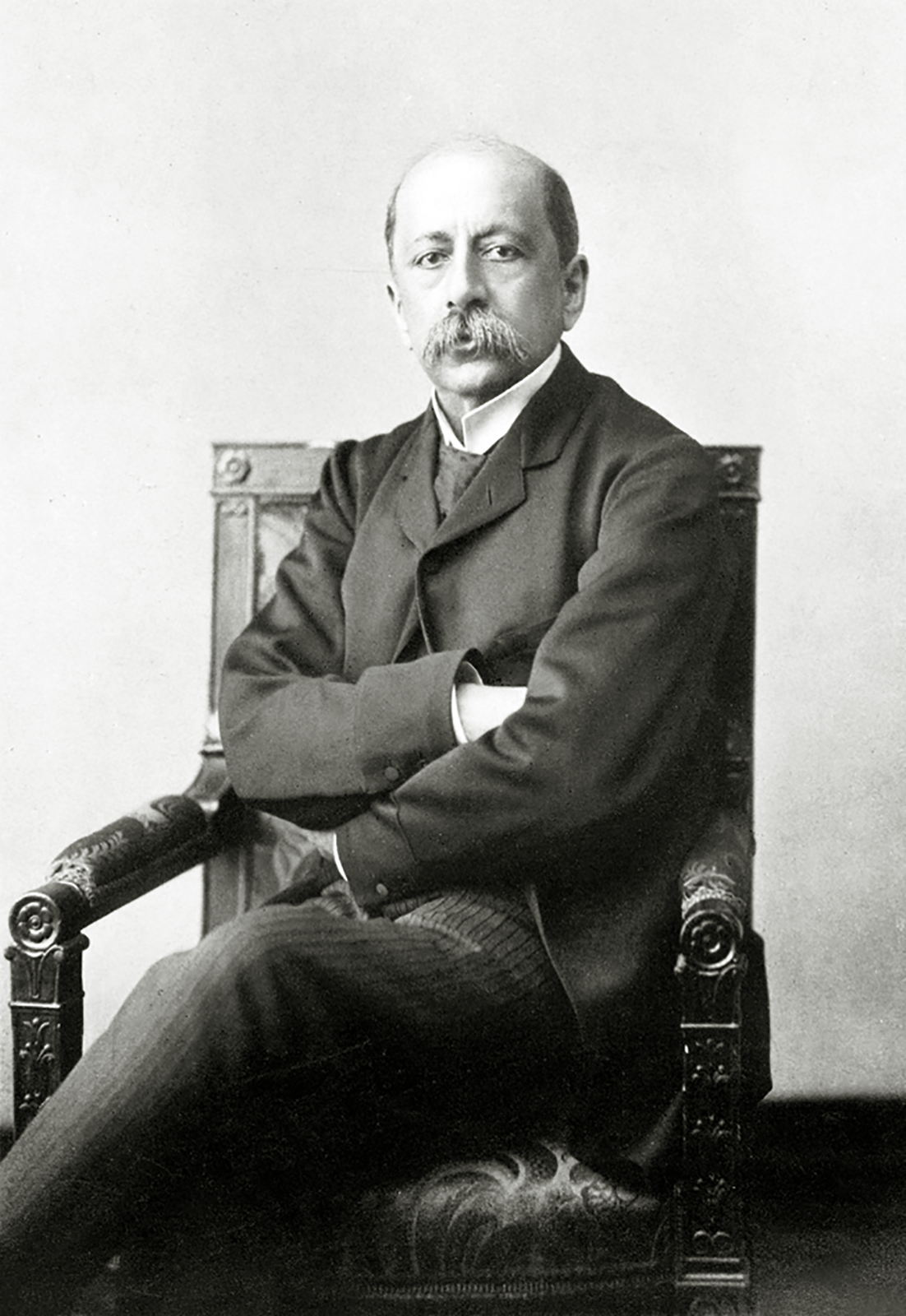
Charilaos Trikoupis
 (Χαρίλαος Τρικούπης)
Seven-time Prime Minister of Greece who modernized 19th-century Greece, cutting the Corinth Canal, building the national railway network, modernizing the military, and establishing the constitutional principle of parliamentary majority (Dedilomeni).
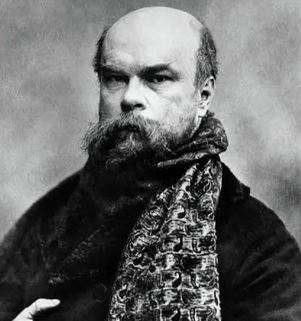
Paul-Marie Verlaine
 (Paul Verlaine)
Supreme lyric poet of French Symbolism whose dictum 'De la musique avant toute chose' (Music before everything) and melancholic verses in Poèmes saturniens and Romances sans paroles inspired Claude Debussy and provided the BBC coded signal for D-Day.