 France
•
10 views
France
•
10 views
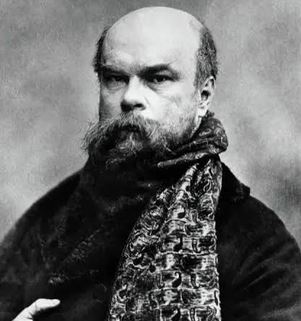
Paul-Marie Verlaine

Metz (Moselle), France
Archival Overview
Supreme lyric poet of French Symbolism whose dictum 'De la musique avant toute chose' (Music before everything) and melancholic verses in Poèmes saturniens and Romances sans paroles inspired Claude Debussy and provided the BBC coded signal for D-Day.
Biographical Record
Paul Verlaine (1844–1896) was the high priest of musical lyricism in French poetry. His celebrated opening poem Chanson d'automne ('Les sanglots longs des violons de l'automne...') achieved historical immortality when its first stanzas were broadcast by the BBC on 5 June 1944 to alert the French Resistance that the Allied D-Day invasion of Normandy was underway.
Abandoning his young bourgeois wife Mathilde Mauté to roam Europe with teenage prodigy Arthur Rimbaud, their passionate, tumultuous relationship imploded in Brussels in July 1873 when an intoxicated Verlaine fired two revolver shots at Rimbaud. Imprisoned for eighteen months in Mons, Verlaine converted back to Catholicism and produced his masterpiece Romances sans paroles. In 1894, elected 'Prince of Poets' by his peers, Verlaine died in bohemian poverty in the Latin Quarter of Paris.
Key Life Milestones
Publication of Romances sans paroles
Published his musical masterpiece composed during his travels with Rimbaud and imprisonment in Mons.
Elected 'Prince of Poets' in Paris
Elected by Paris's avant-garde following the death of Leconte de Lisle, recognized as the living master of Symbolism.
Memorial Guestbook & Tributes
0 messages recordedLeave a Respectful Tribute
Final Resting Place
Perpetual MemorialParis, France