Public Figures & Cultural Luminaries
Filterable archive covering centuries of intellectual, artistic, and moral contributions to the human story.
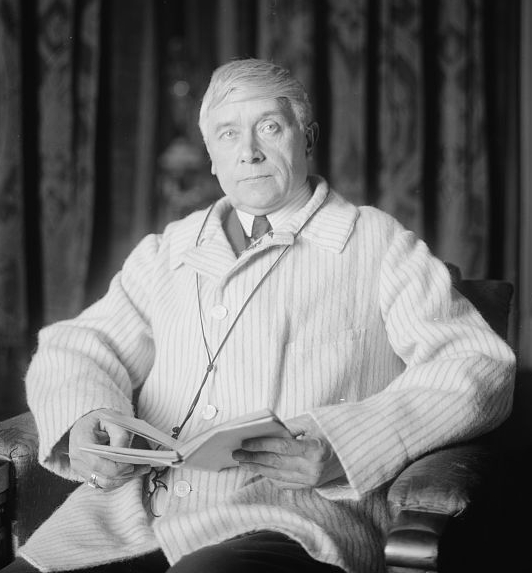
Maurice Maeterlinck
 (Maurice Polydore Marie Bernard Maeterlinck)
Belgian Symbolist master who won the 1911 Nobel Prize in Literature, world-renowned for his fairy tale drama The Blue Bird (L'Oiseau bleu) and Pelléas et Mélisande (set to music by Claude Debussy).
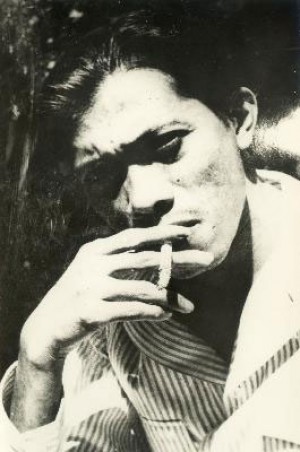
Chairil Anwar
 (Chairil Anwar)
Indonesian poet who spearheaded the 'Generation of 45' (Angkatan 45), liberating Indonesian poetry from archaic Malay poetic forms with intense, raw existential free verse.
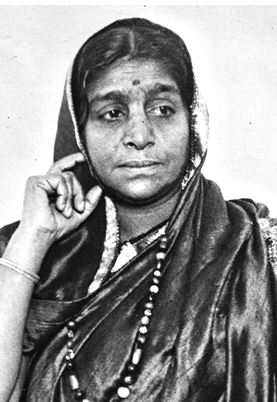
Sarojini Naidu
 (सरोजिनी नायडू)
Indian poet and political leader celebrated as the 'Nightingale of India' (Bharat Kokila), who blended lyrical English romanticism with Indian folk motifs and served as the first woman governor of an Indian state.
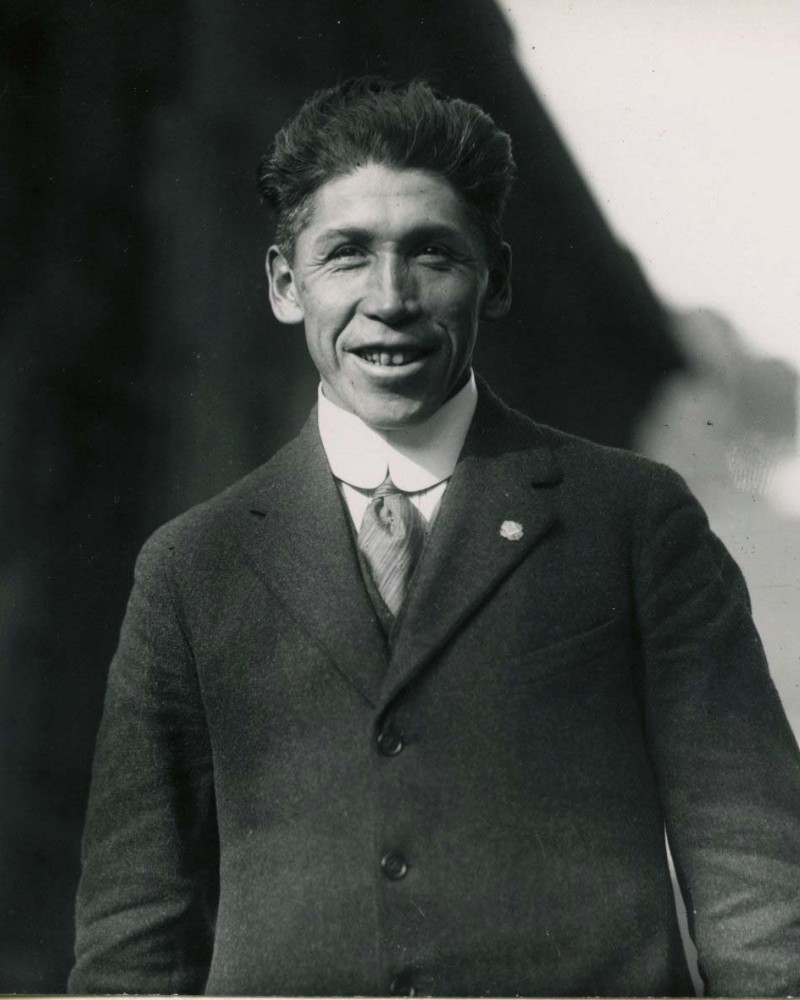
Tom Longboat
 (Cogwagee)
Legendary Onondaga long-distance runner whose revolutionary interval training crushed the 1907 Boston Marathon record by five minutes, and who served as a WWI dispatch runner.
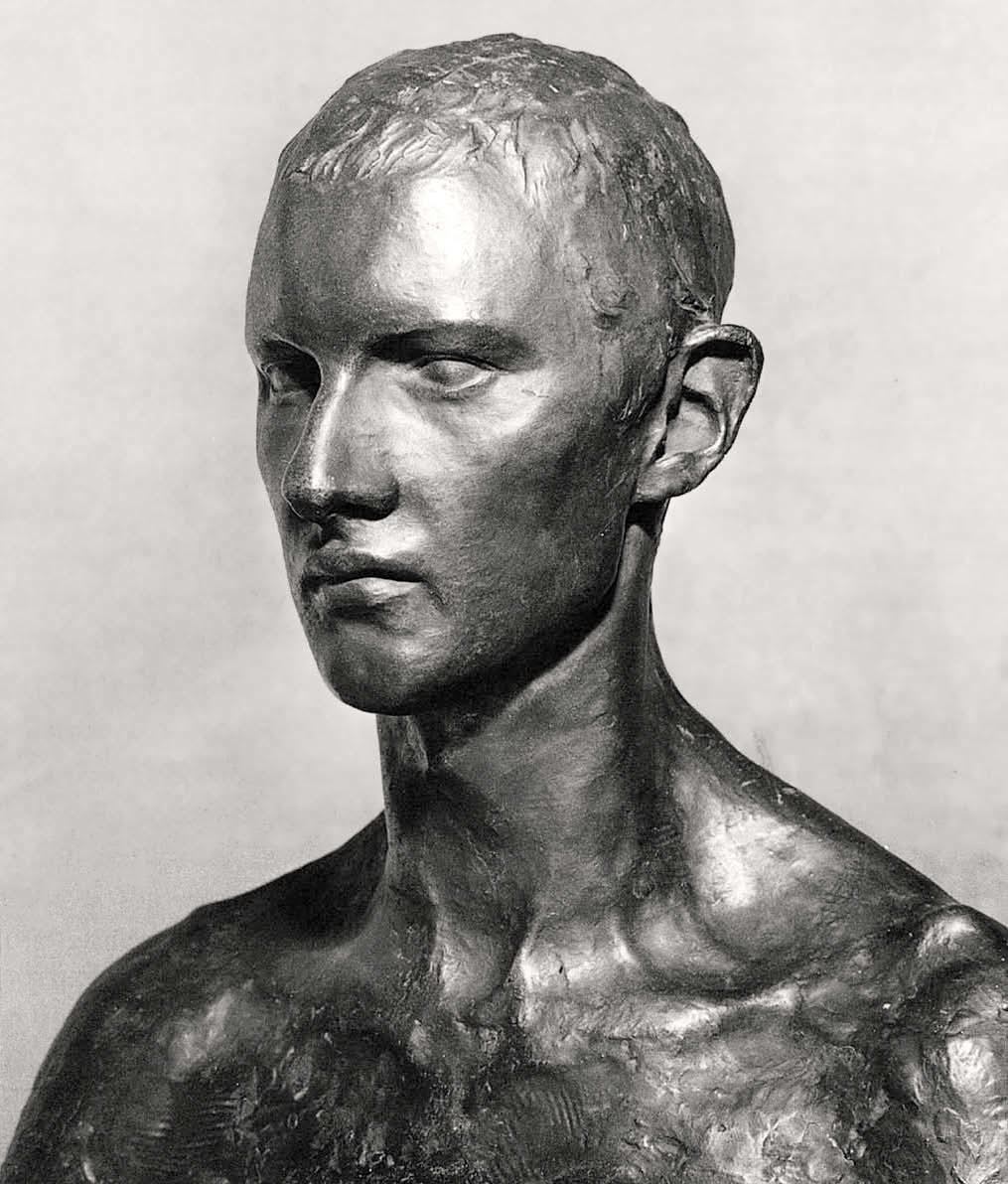
Emanuel Vigeland
 (August Emanuel Vigeland)
Visionary Norwegian artist and master of stained glass and frescoes who created Tomba Emanuelle, an extraordinary windowless barrel-vaulted mausoleum covered in erotic-existential frescoes.
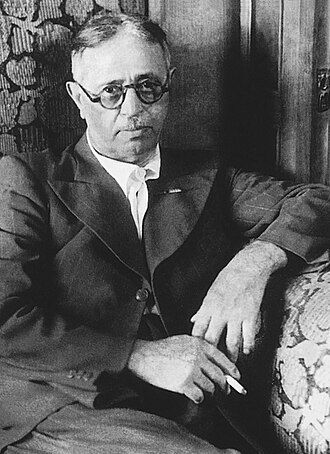
Uzeyir Hajibeyov
 (Üzeyir Hacıbəyov)
Towering composer and national patriarch of Azerbaijani music who staged 'Leyli and Majnun' in 1908, the first opera in the Muslim world, and composed the national anthem of Azerbaijan.
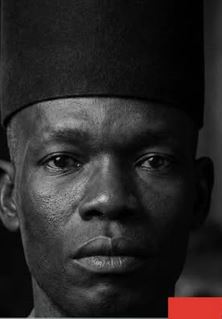
Ali Abdel Latif
 (Ali Abd al-Latif)
Sudanese army officer of Dinka-Nuba ancestry who founded the White Flag League and led the historic 1924 anti-British revolution, uniting northern and southern Sudanese identity.
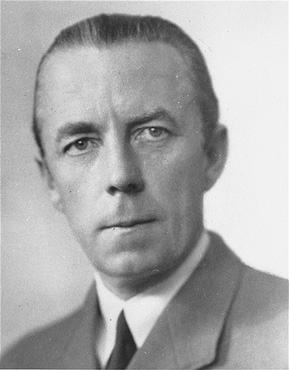
Folke Bernadotte
 (Folke Bernadotte)
Swedish diplomat and nobleman who organized the heroic 1945 'White Buses' mission that rescued over 20,000 concentration camp inmates, assassinated while serving as the first UN mediator.
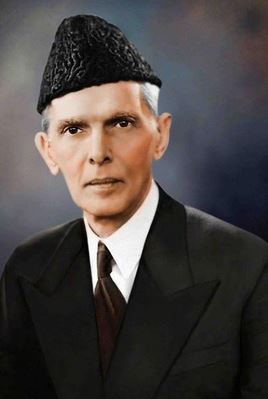
Muhammad Ali Jinnah
 (محمد علی جناح)
Redrew the geopolitical map of South Asia through rigorous constitutional and legal advocacy, founding the sovereign state of Pakistan.
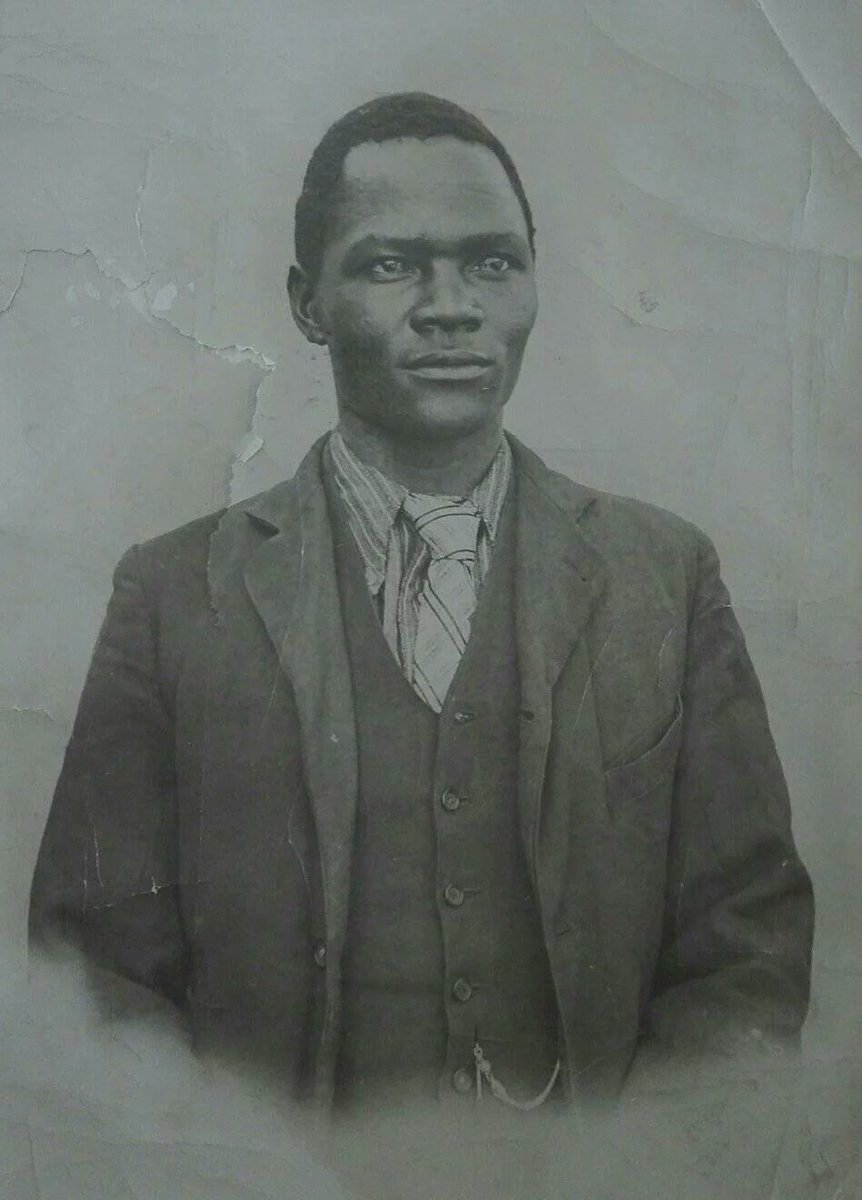
Thomas Mofolo
 (Thomas Mokopu Mofolo)
Pioneering Mosotho author who wrote 'Chaka' (1925), the first major literary tragedy in an African language, translated into a dozen languages and celebrated worldwide.
Edvard Beneš
 (Edvard Beneš)
Skilled diplomat and statesman who served as Foreign Minister and second President of Czechoslovakia, leading the government-in-exile in London throughout World War II to restore the Czechoslovak state.
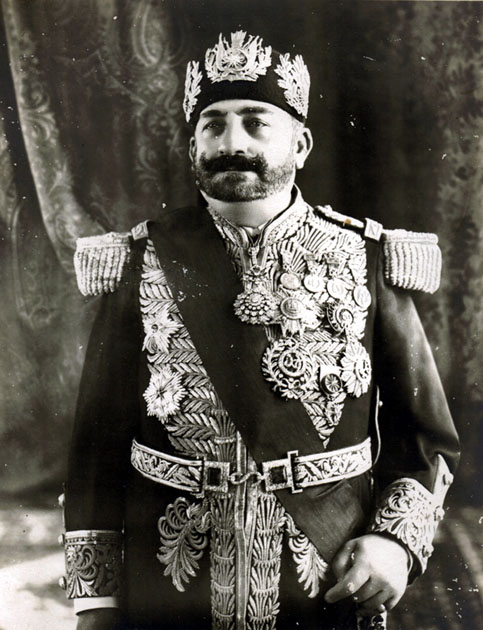
Moncef Bey
 (المنصف باي (محمد المنصف))
Beloved patriotic Bey of Tunis who boldly supported the Neo-Destour independence movement, refused Vichy anti-Jewish laws during Nazi occupation, and was unjustly deposed by France in 1943.
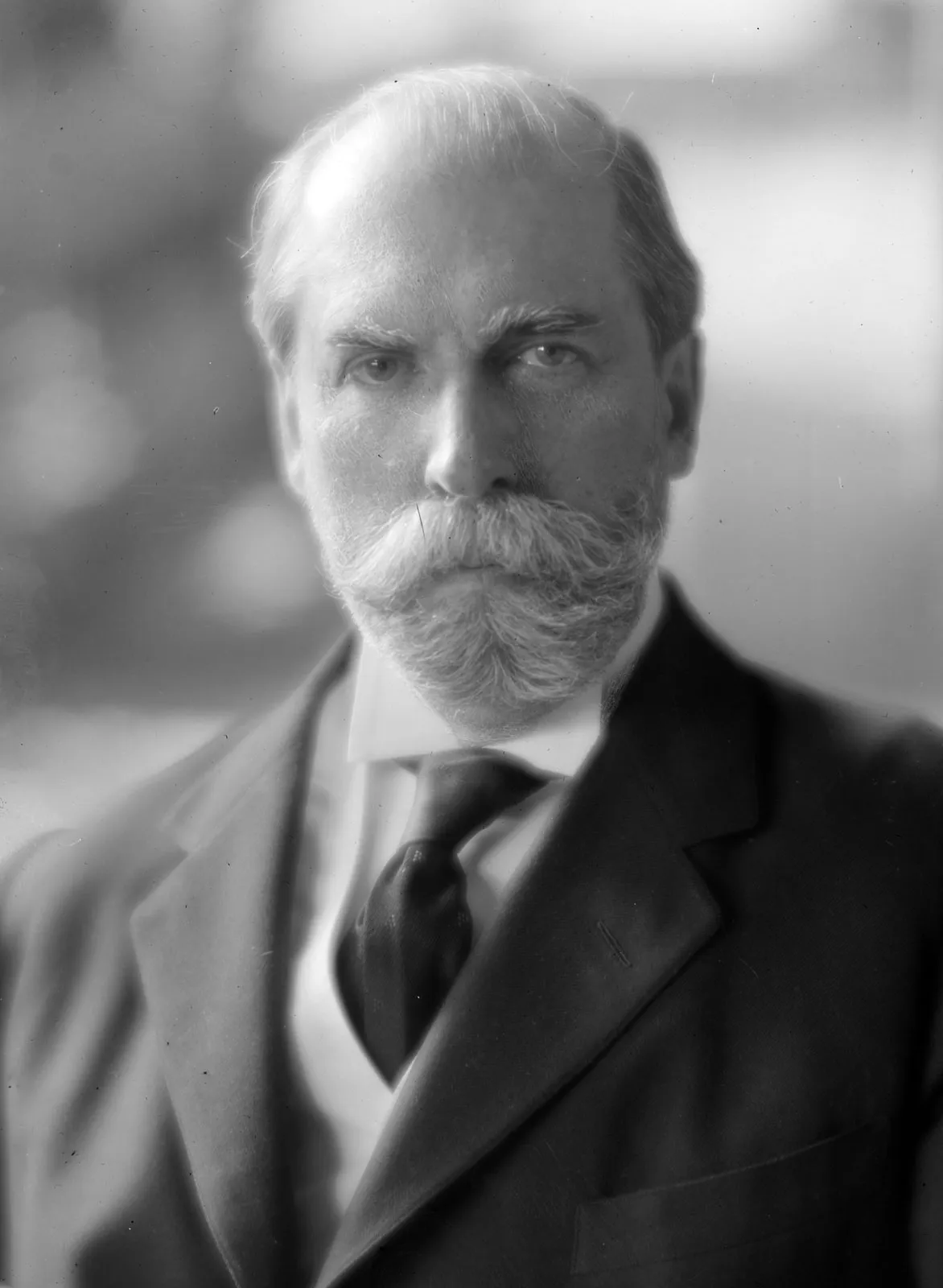
Charles Evans Hughes
 (Charles Evans Hughes)
11th Chief Justice of the United States, Governor of New York, Secretary of State, and 1916 Republican presidential nominee who led the Washington Naval Conference and resisted FDR's Court-packing plan.
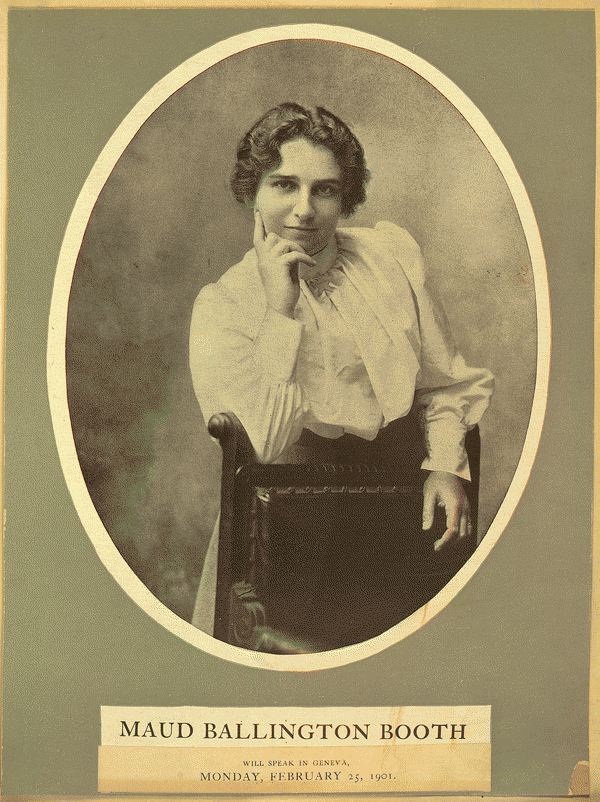
Maud Ballington Booth (née Charlesworth)
 (Maud Ballington Booth)
Cofondatrice des Volunteers of America surnommée « la Petite Mère des prisons », créatrice de la Volunteer Prison League réhabilitant des dizaines de milliers de détenus.
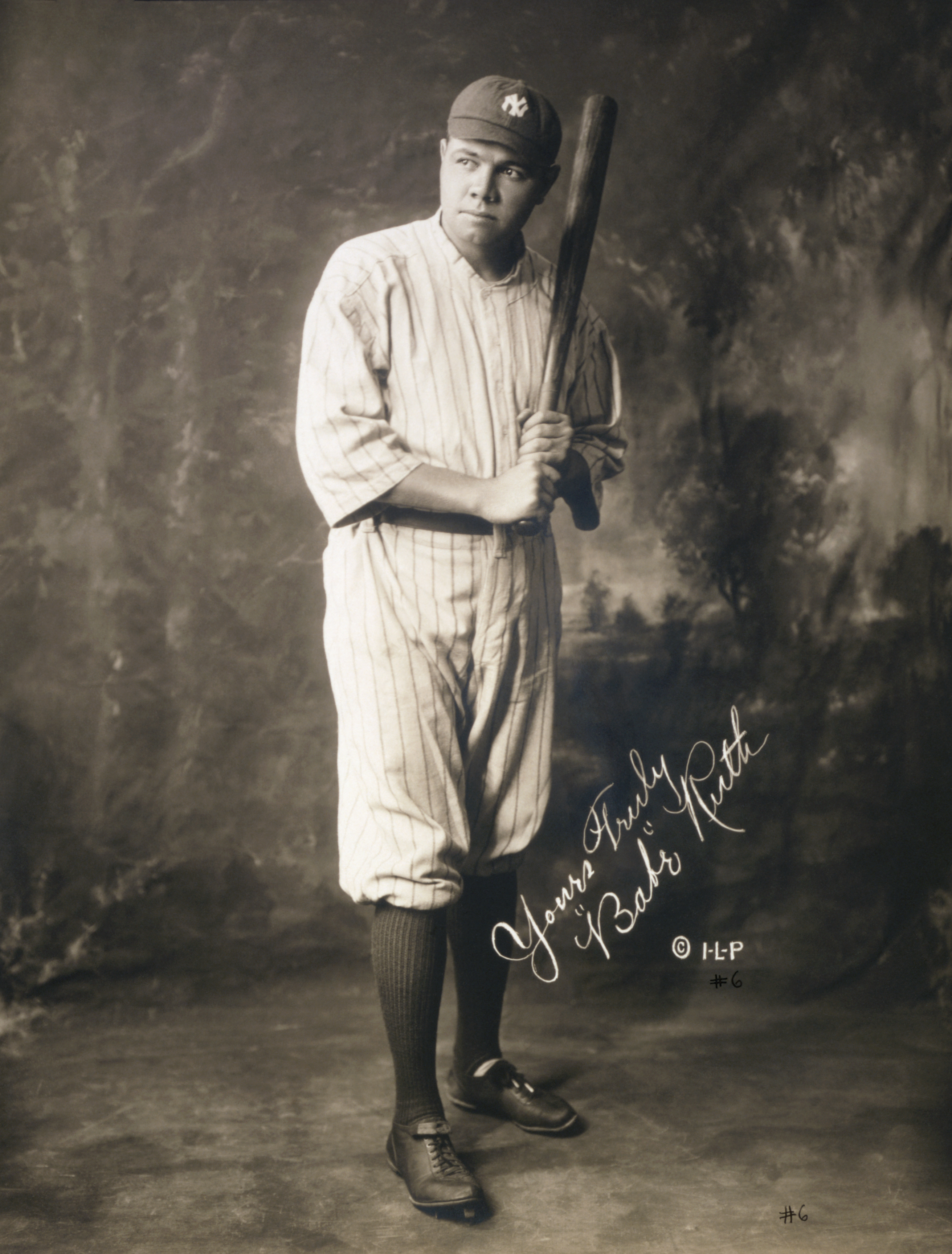
George Herman Ruth Jr.
(George Herman Ruth Jr.)
American Major League Baseball player whose gargantuan home-run hitting revolutionized baseball and elevated him into a titan of 20th-century American culture.
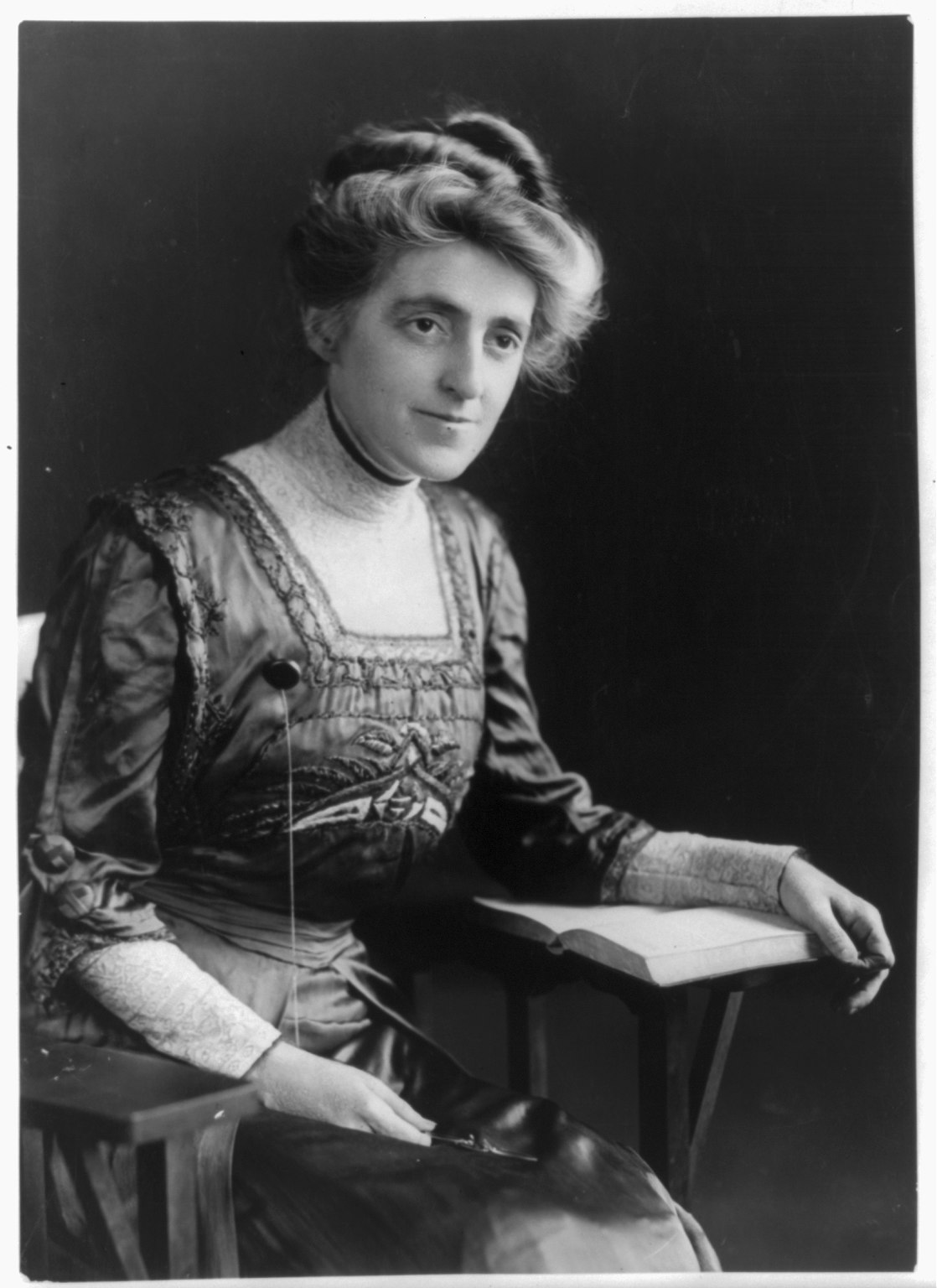
Sophonisba Breckinridge
(Sophonisba Preston Breckinridge)
Pioneering American legal scholar and social scientist who became the first woman to earn a Ph.D. in political science and a J.D. from the University of Chicago, co-founding its School of Social Service Administration.
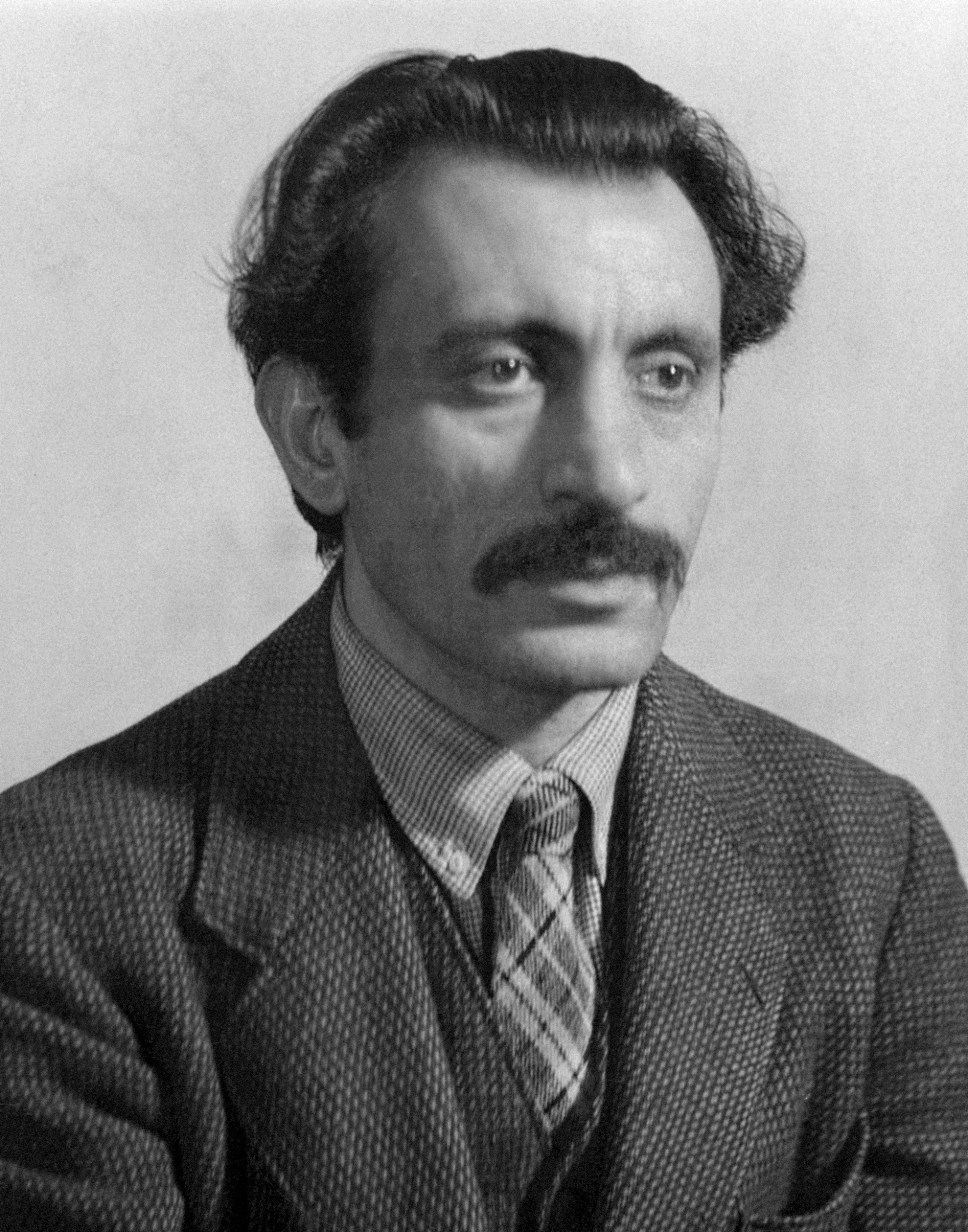
Arshile Gorky
 (Vosdanig Manoug Adoian)
Armenian-American painter whose lyrical biomorphic abstractions and fluid, calligraphic draughtsmanship formed the critical bridge between European Surrealism and American Abstract Expressionism.
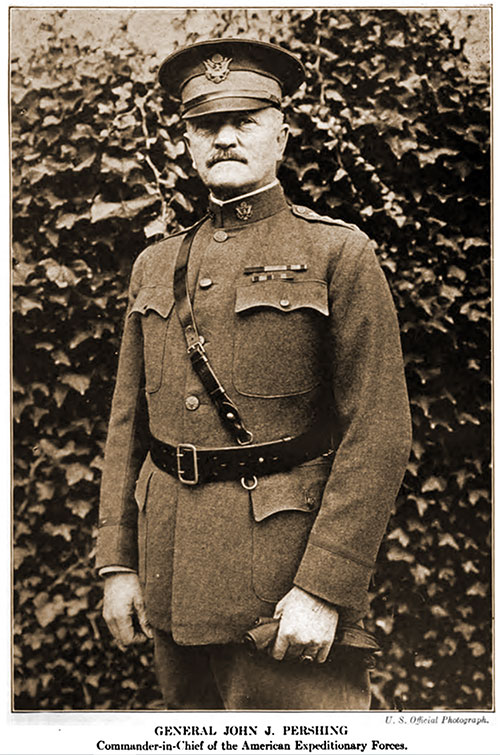
John J. Pershing (General of the Armies)
(John Joseph Pershing)
Commander of the American Expeditionary Forces (AEF) in World War I who insisted on an independent US military command and won the Meuse-Argonne Offensive.