Public Figures & Cultural Luminaries
Filterable archive covering centuries of intellectual, artistic, and moral contributions to the human story.
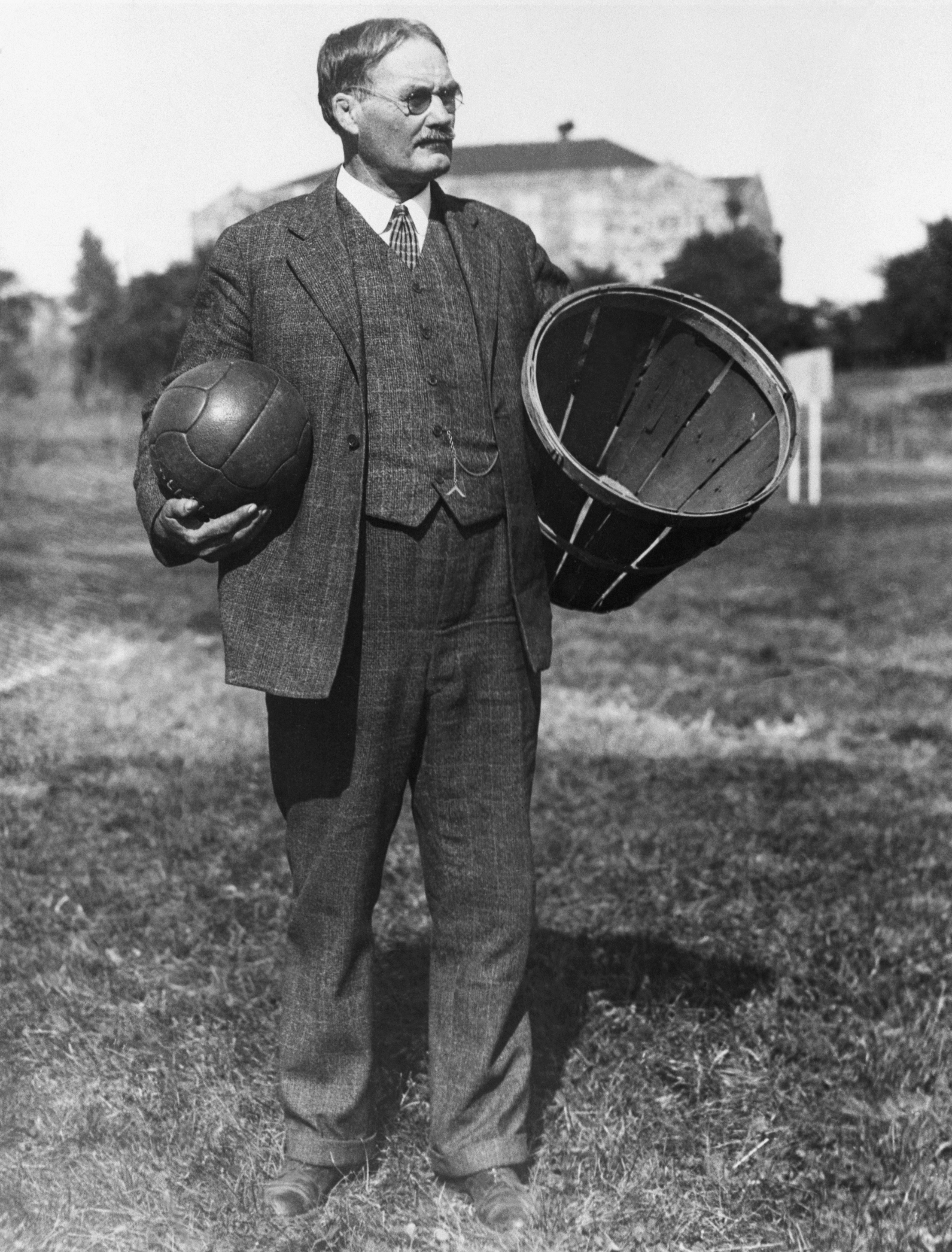
James Naismith
 (Father of Basketball)
Almonte, Ontario-born educator and doctor who invented basketball in December 1891 with two peach baskets and thirteen fundamental rules.
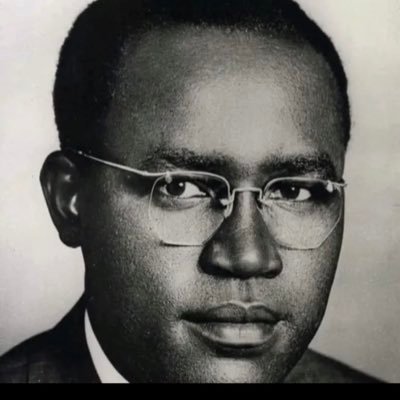
Daudi Chwa II
 (Daudi Chwa)
Kabaka of Buganda (1897–1939) who ascended the throne at one year old and skillfully steered his kingdom through the 1900 Buganda Agreement, preserving indigenous governance.
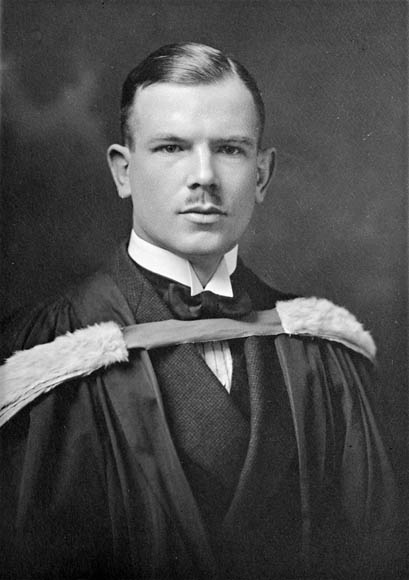
Henry Norman Bethune
(Norman Bethune (白求恩))
Chirurgien thoracique canadien visionnaire, créateur de la première unité mobile de transfusion sanguine en Espagne et héros médical en Chine.
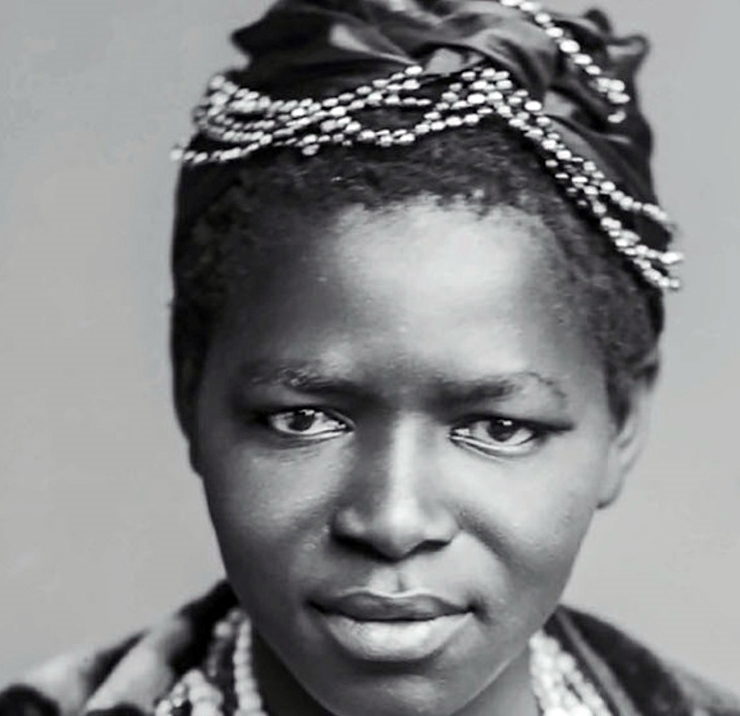
Charlotte Maxeke
 (Charlotte Makgomo Manye)
Pioneering educator and civil rights titan revered as the 'Mother of Black Freedom', the first Black South African woman to earn a university degree (BSc, Wilberforce University, 1901).
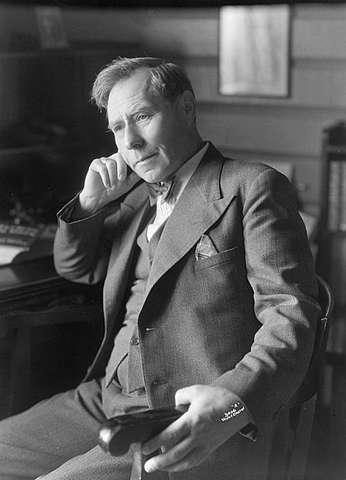
Olav Duun
 (Ole Julius Duun)
Master Norwegian novelist writing in Nynorsk who chronicled the transition from ancient clan morality to modern conscience in his six-volume masterpiece The People of Juvika.
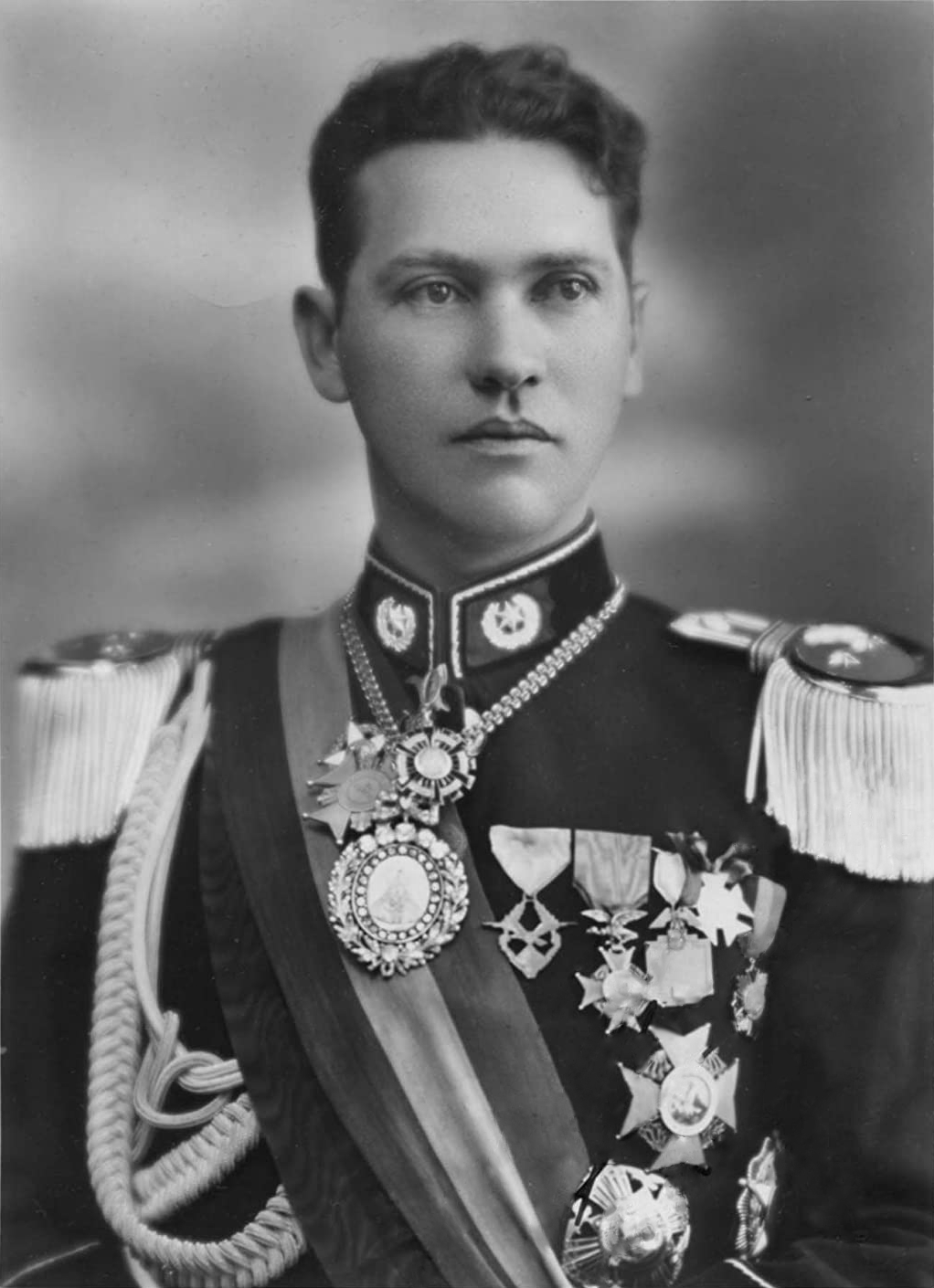
Germán Busch
 (Germán Busch Becerra)
Charismatic Chaco War hero and military socialist President of Bolivia who promulgated the 1938 progressive Constitution and forced tin oligarchs to surrender foreign exchange to the State.
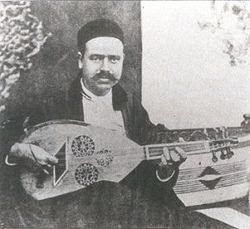
Cheikh El Afrit
 (الشيخ العفريت)
Renowned Tunisian Jewish singer and oud virtuoso whose mastery of Andalusian malouf, witty popular songs, and soulful delivery made him a legendary fixture of the royal Bardo court and 1930s café culture.
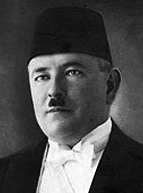
Mehmed Spaho
 (Mehmed Spaho)
Foremost political leader of Bosnian Muslims between the World Wars who headed the Yugoslav Muslim Organization (JMO) and defended the territorial integrity and historical borders of Bosnia.
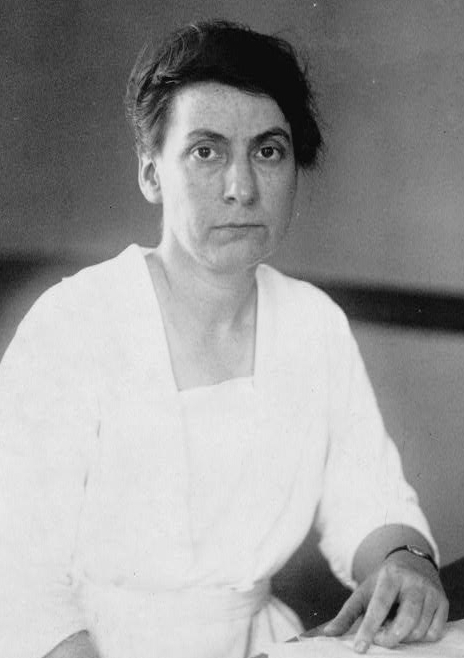
Grace Abbott
 (Grace Abbott)
Champion of immigrants' rights and child welfare who directed the Immigrants' Protective League, led the federal enforcement of the first federal child labor laws, and helped draft the historic Social Security Act of 1935.
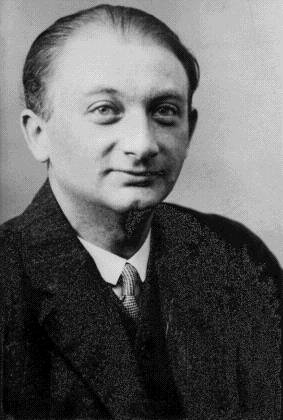
Joseph Roth
 (Moses Joseph Roth)
Celebrated novelist and journalist whose supreme masterpiece 'Radetzkymarsch' (1932) captured the elegiac, multi-ethnic twilight and downfall of the Austro-Hungarian monarchy.
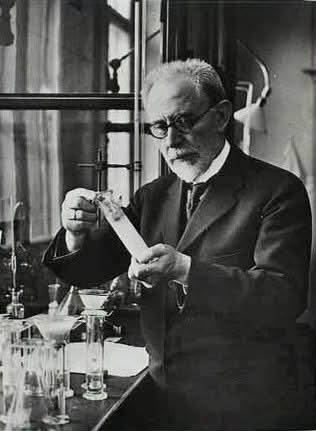
S.P.L. Sørensen
 (Søren Peter Lauritz Sørensen)
Prominent Danish chemist who served as head of the Carlsberg Laboratory and introduced the universal pH scale in 1909 to measure hydrogen ion concentration.
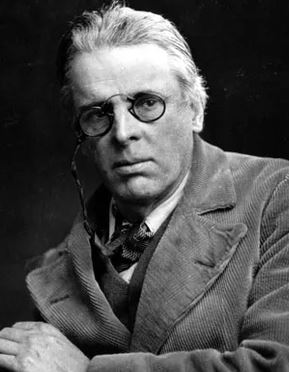
William Butler Yeats
 (William Butler Yeats)
Supreme Irish lyric poet and 1923 Nobel laureate who spearheaded the Irish Literary Revival, co-founded the Abbey Theatre with Lady Gregory, and chronicled the turbulent birth of modern Ireland in Easter, 1916 and The Second Coming.
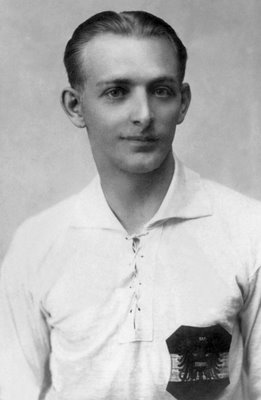
Matthias Sindelar
 (Matthias Šindelář)
Austrian football virtuoso known as 'Der Papierene' (The Paper Man), center-forward and captain of Hugo Meisl's 'Wunderteam' who defied the Nazi annexation of Austria.
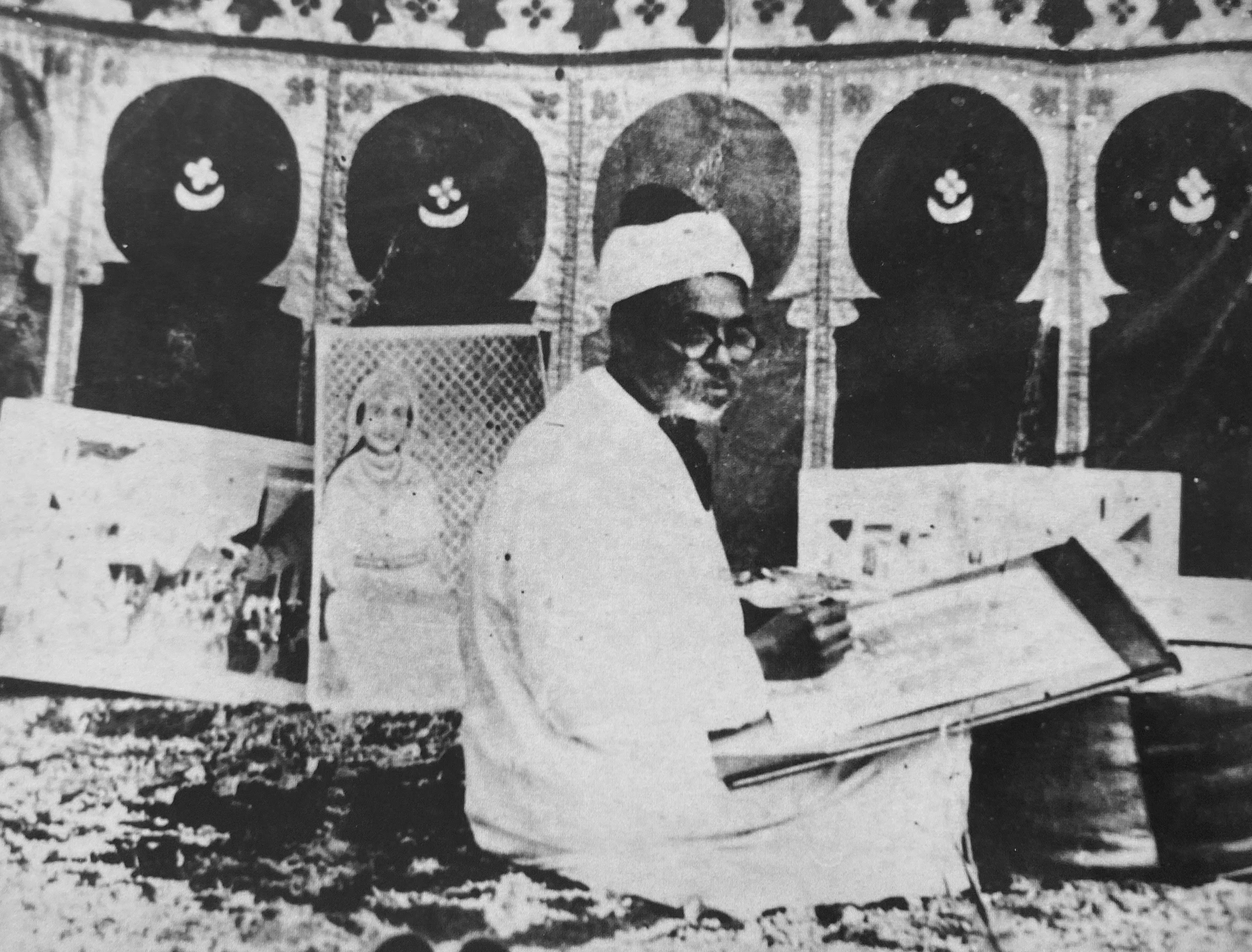
Mohamed Ben Ali R'bati
 (محمد بن علي الرباطي)
Recognized as Morocco's earliest modern easel and watercolor painter, whose enchanting figurative scenes of Tangier and traditional life were exhibited at the Goupil Gallery in London in 1916.
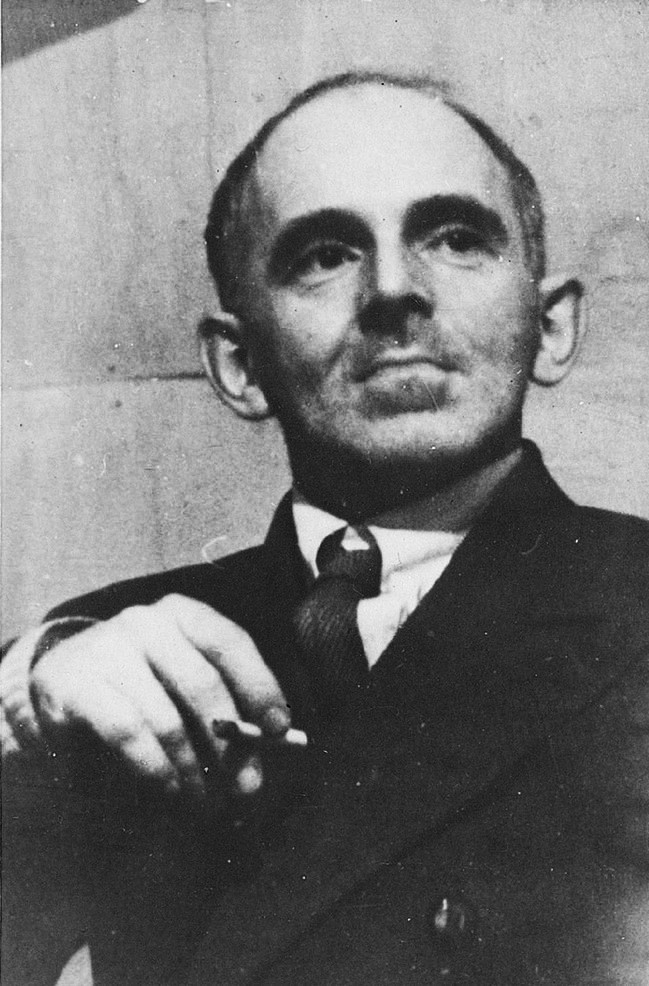
Osip Mandelstam
 (Осип Эмильевич Мандельштам)
Foremost Russian Acmeist poet and martyr whose collections Stone and Tristia, and fatal 'Stalin Epigram', made him an eternal symbol of artistic integrity.
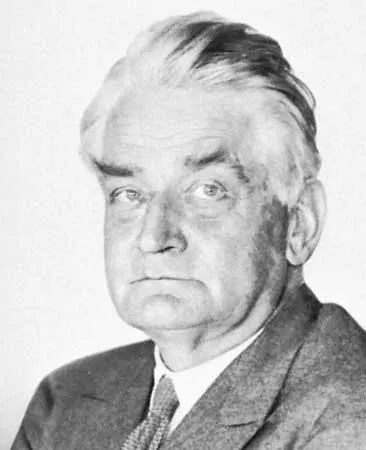
Christian Lous Lange
(Christian Lous Lange)
Christian Lous Lange was a Norwegian historian, educator, and political scientist who served as Secretary-General of the Inter-Parliamentary Union (IPU) for a quarter-century (1909–1933). The first secretary of the Norwegian Nobel Committee, Lange guided the IPU through World War I and authored the monumental 'Histoire de l'internationalisme', receiving the 1921 Nobel Peace Prize with Hjalmar Branting.
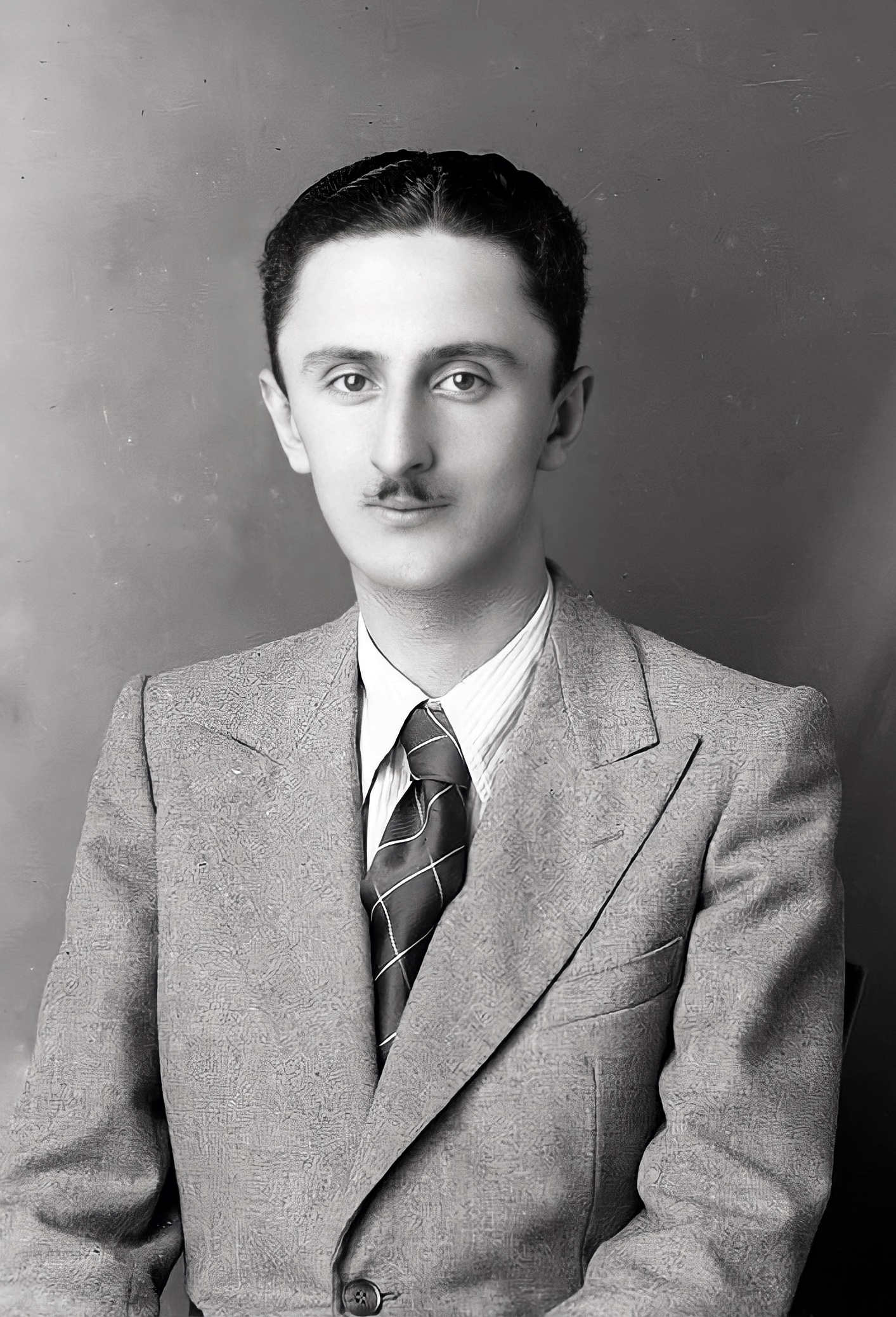
Migjeni
 (Millosh Gjergj Nikolla)
Iconoclastic revolutionary poet and schoolteacher who shattered traditional Romanticism with his free-verse collection Vargjet e lira (Free Verse), depicting poverty, disease, and social anger.
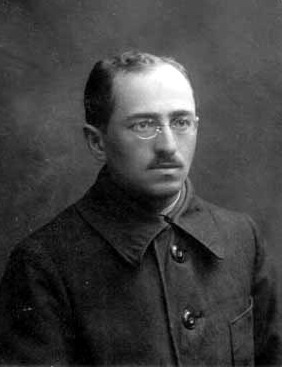
Branislaw Tarashkyevich
 (Браніслаў Тарашкевіч)
Visionary linguist and parliamentarian who published the foundational 'Belarusian Grammar for Schools' in 1918, establishing the classical orthography known as 'Tarashkevitsa'.