 Egypt
•
3 views
Egypt
•
3 views
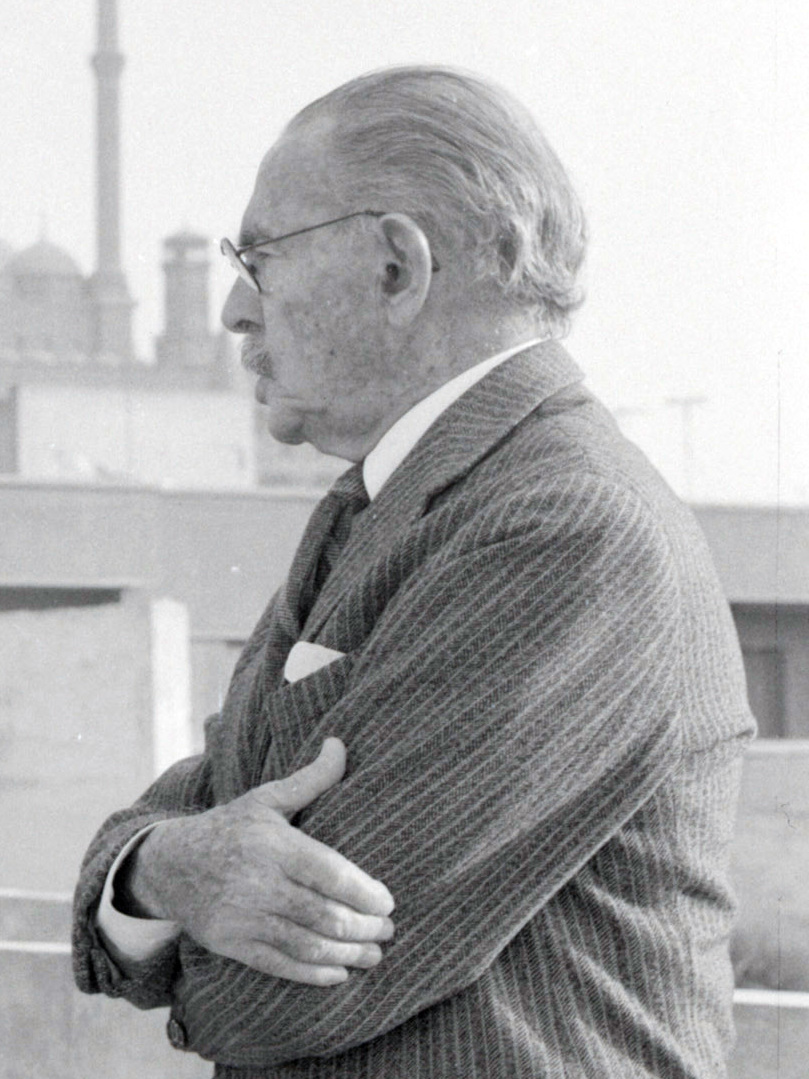
Hassan Fathy

Alexandria, Egypt
Archival Overview
Visionary Egyptian architect and pioneer of sustainable vernacular architecture who rejected Western concrete boxes in favor of indigenous mud-brick (adobe), Nubian vaults, and passive solar cooling, author of 'Architecture for the Poor'.
Biographical Record
Hassan Fathy (1900–1989) graduated in architecture from King Fuad I University in Cairo. Horrified by the dehumanizing, climate-inappropriate Western concrete apartment blocks being built across the developing world, Fathy turned to Egypt's timeless architectural heritage in Upper Egypt and Nubia.
Between 1946 and 1952, Fathy designed and built the experimental town of New Gourna near Luxor, training local villagers to build their own mud-brick vaults, domes, and natural wind-catchers (malqaf) without imported industrial materials. In his 1969 masterwork Architecture for the Poor, Fathy formulated the principles of ecological, community-driven architecture, receiving the inaugural Right Livelihood Award and the Aga Khan Chairman's Award.
Key Life Milestones
Construction of New Gourna Village
Constructed the famous vernacular settlement near Luxor utilizing indigenous mud brick and passive solar vaults.
Inaugural Right Livelihood Award
Honored with the 'Alternative Nobel Prize' for developing human-centered, ecological architecture.
Memorial Guestbook & Tributes
0 messages recordedLeave a Respectful Tribute
Final Resting Place
Perpetual MemorialCairo, Egypt