 Russia
•
11 views
Russia
•
11 views
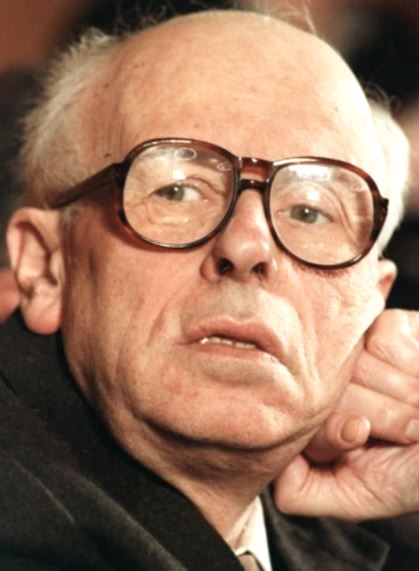
Andrei Sakharov

Moscow, Russia
Archival Overview
Andrei Sakharov was a brilliant Soviet theoretical nuclear physicist and key developer of the Soviet thermonuclear weapon (RDS-37), who underwent a profound ethical transformation to become the USSR's most prominent civil rights dissident. Awarded the 1975 Nobel Peace Prize for his relentless defense of political prisoners, intellectual freedom, and nuclear disarmament, he was exiled to Gorky for speaking out against the Soviet invasion of Afghanistan before being rehabilitated under Perestroika.
Biographical Record
Andrei Dmitriyevich Sakharov was born in Moscow into an intellectual family steeped in science. After graduating in physics with top honors during World War II, he joined Igor Tamm's classified theoretical group developing thermonuclear weaponry. Sakharov conceived the seminal design concepts—including the famous 'Third Idea' radiation-implosion mechanism—that led directly to the successful testing of the Soviet hydrogen bomb in 1955. Yet the catastrophic potential of atmospheric nuclear testing and radiation consequences soon troubled his conscience deeply.
By the late 1950s, Sakharov actively campaigned within the Soviet establishment against nuclear testing, helping pave the way for the 1963 Partial Nuclear Test Ban Treaty. His 1968 samizdat manifesto, Reflections on Progress, Peaceful Coexistence, and Intellectual Freedom, circulated internationally, urging ideological reconciliation and democratic reforms. Co-founding the Committee on Human Rights in the USSR in 1970, he personally defended dissidents and prisoners of conscience. When awarded the Nobel Peace Prize in 1975, the Soviet authorities barred him from traveling to Oslo; his wife, Elena Bonner, delivered his Nobel lecture, which hailed freedom of thought as the only guarantee of human survival.
Following his condemnation of the Soviet invasion of Afghanistan in 1979, Sakharov was stripped of his state honors and exiled to the closed city of Gorky under perpetual KGB surveillance. He undertook harrowing hunger strikes to demand medical treatment for Bonner abroad. In December 1986, Mikhail Gorbachev personally telephoned Sakharov to end his exile. Returning triumphantly to Moscow, Sakharov was elected to the Congress of People's Deputies in 1989, leading the democratic opposition and drafting a new democratic constitution until his sudden death from cardiac arrest in December 1989.
Key Life Milestones
Awarded Nobel Peace Prize
Honored with the Nobel Peace Prize for his fearless advocacy of fundamental human rights, civil liberties, and disarmament in the Soviet Union.
Return from Gorky Exile
Freed from seven years of KGB internal exile following a direct phone call from Soviet General Secretary Mikhail Gorbachev.
Memorial Guestbook & Tributes
0 messages recordedLeave a Respectful Tribute
Final Resting Place
Perpetual MemorialMoscow, Russia